Business Cash Flow
Show what your business collects and what remains after operating bills. Revenue growth alone doesn't demonstrate that another payment is affordable.
A new truck or trailer can bring in more work, but the first payment may arrive before the first customer pays. Transportation equipment financing and leasing should account for that gap. Mulah helps you consider the asset alongside deployment costs and operating cash needs, including where small business loans belong in the plan and where a different funding structure makes more sense.

An available truck is not the same as profitable capacity. Before committing to another payment, work out what the unit will earn after fuel, driver pay, insurance, tolls and maintenance. Empty miles and unpaid waiting time count, too. A busy vehicle can still leave little cash for its financing payment.
The reason for the purchase matters. Replacing a truck that repeatedly misses service calls is a different decision from adding a tractor for a prospective contract. One addresses a known operating problem; the other relies on work arriving as expected. Give uncertain revenue less weight than established route history or contracted volume.
Build the purchase around your business's actual constraints. If you don't have an available driver, adequate insurance or enough dispatch capacity, acquiring equipment won't solve the bottleneck. Sometimes the sounder decision is to repair an existing unit, delay expansion or choose a less expensive specification.
Freight carriers, delivery fleets and passenger operators earn money differently. A highway tractor's mileage profile says little about a shuttle van that idles between trips. Refrigerated hauling adds temperature-control maintenance; accessible passenger service adds equipment and configuration requirements. Your specification should reflect the duty cycle that produces revenue.
Equipment under consideration can include day cabs, sleeper tractors, straight trucks, cargo vans, shuttle buses and other commercial vehicles. Dry vans, reefers, flatbeds, tank trailers, lowboys and car haulers bring their own inspection and upkeep questions. Liftgates, refrigeration units, wheelchair lifts, cameras and telematics may belong in the same deployment budget.
Use route geography to refine that budget. Mountain grades, winter exposure, stop-and-go traffic and long idle periods affect wear and fuel use. Registration and operating requirements also vary with the service and territory. The FMCSA's official registration guidance is a useful starting point for applicable federal requirements, not a substitute for checking your specific operation.
If you're researching small business loans for a transportation purchase, distinguish the equipment obligation from the operating cash need. Not every option below is a conventional loan, and they don't all suit the same expense. Read the payment schedule and total cost before choosing by product name.
| Option | Often considered for | How to think about it |
|---|---|---|
| Term Funding Or Term Loans | A defined project combining equipment with systems, facility work or other lasting improvements. | Funding is repaid over an agreed term. The schedule must fit your cash flow and the useful life of what you're buying. See term financing. |
| Working Capital | Insurance deposits, fuel, payroll and the period before new-route invoices are collected. | Terms vary by product. Size the request around a documented cash gap rather than an open-ended operating deficit. Read about working-capital funding. |
| Business Line Of Credit | Recurring repairs, seasonal spending and smaller expenses that rise and fall. | Draws are made within an approved limit under the agreement's rules. Check repayment requirements and whether availability can change. Learn about a business line of credit. |
| Equipment Financing Or Leasing | Vehicles, trailers, specialty bodies and qualifying fleet equipment. | Financing generally supports a purchase; leasing provides use under specified terms. The asset, ownership path and end-of-term duties matter. See equipment financing and leasing. |
| SBA Financing | Eligible equipment purchases or broader business projects that fit an SBA program. | Participating lenders make SBA-backed loans under program requirements. Documentation and eligible uses vary. Read about SBA financing and the official program guidance. |
| Revenue-Based Financing | Certain operating needs where the repayment arrangement fits established business revenue. | Some products use revenue-linked payments; others marketed under this label differ. Check frequency, total repayment and reconciliation rights. See revenue-based financing. |
For a purchase, establish the cash due at closing, payment schedule, fees and any final balloon payment. Understand the lien and personal-guarantee provisions, along with what happens if you sell or replace the unit early. A longer term lowers scheduled payments but can increase total cost and extend your exposure to repair-heavy years.
For a lease, get a clear answer about who owns the equipment and what happens at expiration. Return, renewal and purchase options are not interchangeable. Mileage limits, excess-wear charges and restrictions on alterations can change the economics substantially for a heavily used or customized vehicle.
Put maintenance responsibilities in writing. A lease doesn't automatically include service, replacement equipment or protection against downtime. Tax and accounting treatment varies with the agreement and your circumstances, so have your accountant examine those consequences before you sign.
Get maintenance records and an independent inspection appropriate to the asset. Mileage alone won't reveal engine hours, idle time, structural damage or neglected refrigeration service. For trailers, pay attention to floors, frames, suspension and systems central to the intended load.
Check title status, seller authority and outstanding liens before money changes hands. Make sure the invoice accurately describes the unit and included equipment. Warranty exclusions and the location of service facilities matter when a breakdown could interrupt a dedicated route.
Set aside money for immediate maintenance even when the inspection is favorable. A used unit with a modest purchase price may require tires or other work soon after delivery. If those costs consume the savings, a newer asset with a higher price could still be the more economical choice.
A new contract can increase fuel and payroll spending immediately while collections arrive weeks later. Put the customer's billing requirements and payment history into your forecast. Also account for minimum-volume commitments, cancellation rights and any equipment specifications that make the unit harder to redeploy.
When the main problem is waiting for payment on completed work, accounts-receivable financing warrants a separate look. Customer credit quality, invoice eligibility, fees and collection arrangements matter. It isn't a substitute for making an unprofitable route profitable.
Be cautious about stacking obligations against the same revenue. An equipment payment, receivables arrangement and frequent operating-capital withdrawals can each look manageable alone. Put them on one calendar alongside payroll and existing debt to see the actual pressure on your bank balance.
The asset matters, but it doesn't tell the whole story. Your request should explain how the equipment fits your business and how you'll pay for it. Approval, amount, pricing and timing are determined through review; submitting information does not guarantee an offer.
Show what your business collects and what remains after operating bills. Revenue growth alone doesn't demonstrate that another payment is affordable.
Include equipment notes, leases, credit lines and other financing. Frequent withdrawals or upcoming balloon payments deserve attention before adding debt.
Age, condition, useful life, seller details and resale prospects influence how the equipment is evaluated. Highly specialized units may require more explanation.
Be ready to discuss operating experience and credit history. A newer business should explain relevant industry experience rather than relying on projections alone.
Document the money available for a deposit or down payment and what will remain afterward. Draining reserves weakens the operating plan even if it reduces borrowing.
Licenses, insurance, driver availability and customer work support the request. Explain any steps still outstanding and their expected cost.
A useful file connects the equipment quote to your cash flow. Exact requests vary, but gathering these materials early reduces avoidable questions and exposes budget gaps before you commit to a seller.
Give each request a specific purpose. That makes it easier to judge the cost of borrowing against the operational benefit instead of treating available funding as a spending target.
Add capacity for a route, territory or customer contract. Include the driver, insurance and dispatch resources required to make the extra unit productive.
Retire a unit whose repair bills and missed-service risk are becoming expensive. Use maintenance history to weigh replacement against keeping a paid-off asset.
Install refrigeration, a liftgate, accessibility equipment or a body suited to the job. Make sure the chassis and expected holding period justify the modification.
Prepare for delivery peaks, tourism demand or construction work. A temporary revenue increase should not be treated as year-round support for a long obligation.
Budget for cameras, electronic logging devices, telematics or dispatch hardware. Include installation, training and recurring service charges, not just the devices.
Separate vehicle value from customer relationships, goodwill and transition costs. Check titles, liens, condition and the transferability of contracts or operating permissions.
These planning situations illustrate the tradeoffs. They are not customer results or predictions of available terms.
Obtain a repair estimate and a realistic return-to-service date. Price temporary replacement capacity before committing to another truck. An urgent service problem shouldn't prevent you from examining the old unit's remaining life.
Read the contract's volume and termination provisions. If the vehicle needs customer-specific modifications, consider how readily you could use it elsewhere if the work ends.
Budget for the appropriate vehicle configuration, accessibility equipment and associated training. Check applicable service requirements before purchasing a vehicle that cannot meet the contract.
Support the request with relevant experience, licensing, prospective work and a grounded launch budget. Startup funding requires particular care because projected collections have not yet been tested.
Rank units by repair cost, downtime and service importance. Staggering purchases can avoid concentrating payments and future replacement dates, provided the remaining fleet can operate reliably.
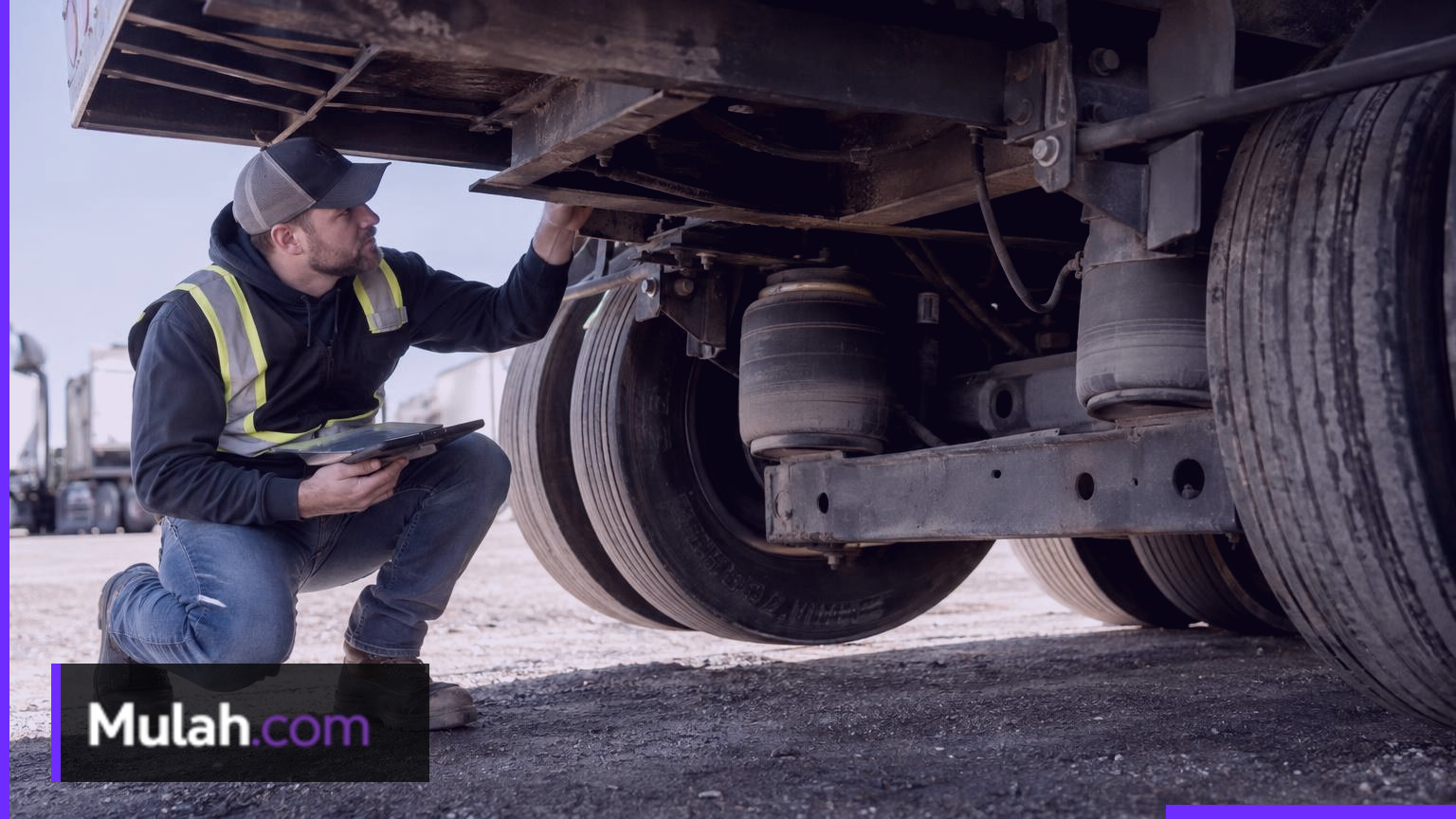
Your seller's invoice might cover the vehicle and installed body, but not plates, insurance deposits, delivery or the first weeks of payroll. List those costs separately. You need to know how much buys the asset and how much keeps your business running until customers pay.
Longer-lived assets generally call for a different repayment approach than fuel or a short receivables gap. Funding this month's operating costs over several years can leave you paying for expenses long after their benefit has passed. Conversely, a short repayment schedule on a long-lived truck can put unnecessary pressure on cash flow.
Avoid using every available dollar as a down payment simply to reduce the monthly payment. A smaller payment offers little comfort if a repair leaves you unable to make payroll. Set a cash reserve based on your fleet's condition, collection cycle and access to backup capacity.
The expensive part of adding equipment isn't always the purchase. Map the weeks between agreeing to buy and collecting revenue so you can see when your cash balance is likely to be lowest.
Get the seller's written quote, including deposits, taxes, delivery charges and any required installation. Establish what happens to your deposit if financing falls through or the equipment fails inspection.
Inspection, registration, body work, permits and insurance can delay deployment. Don't build the budget around the seller's handover date if the unit still needs work before it can legally serve customers.
Fuel, driver onboarding, tolls and dispatch expenses begin before many customers pay. A new route may also need time to reach efficient volume, particularly when stops or loads are still being added.
Base the cash forecast on when your buyers pay you, not just their stated invoice terms. Billing disputes, missing delivery documents and customer processing schedules can extend the gap.
The rest of your fleet still needs tires, brakes and scheduled service while the new asset enters service. Make room for that spending rather than assuming expansion will immediately fund it.
A funding offer is easier to judge once you know what you want to own, how long you'll use it and which costs sit outside the equipment purchase.
Ownership often suits equipment you expect to keep for years, especially a truck with permanent body modifications. Examine payment length against remaining useful life. A low payment isn't a bargain if the debt outlasts reliable service.
A lease deserves consideration when you want a scheduled replacement cycle or a unit for a defined period. Read the mileage allowance, wear standards, maintenance duties and exit provisions before treating it as a flexible arrangement.
Fuel and payroll don't become equipment costs just because a new vehicle creates them. A separate working-capital plan makes the true equipment payment easier to see and avoids hiding a recurring cash shortage inside a purchase.
Repair, rental or a smaller purchase may be more economical for a short assignment. Put those costs beside a purchase or lease, including lost service time, rather than assuming every capacity problem requires another long-term obligation.
Related Mulah resources include working capital funding, business lines of credit, equipment financing and leasing, term funding, SBA loans, revenue-based financing, startup funding, accounts receivable financing, and the business funding calculator.
The useful question isn't just whether you can make the scheduled payment. It's what happens when the equipment earns less than planned.
Reduce expected miles, billable hours or passenger trips to a plausible slower-month level. Include empty travel. If the payment only works at near-full utilization, the purchase leaves little margin for normal interruptions.
Allow for repair expense and lost revenue at the same time. Rental availability, warranty coverage and nearby service support affect the size of the cash reserve you need.
Move a major collection back in your forecast and see which bills become difficult to pay. A contract can be profitable overall while still creating a cash shortage between invoices.
The amount that looks attractive on an offer is not always the amount that makes sense to take. Tie the request to a real expense, a realistic payoff period, and the cash the business can still live on if a customer pays late or a strong month comes in softer than expected.

Mulah keeps the discussion focused on what it takes to put equipment into service, not just the price on the quote. Explain the vehicle, deployment costs and cash gap together so the funding request reflects the project you actually need to complete.
You don't need a polished sales presentation. A clear account of the work, the asset and what you can afford is more useful. Bring questions about ownership, repayment and operating cash before signing either the equipment order or the funding agreement.
Once the equipment and budget are clear, turn the plan into a funding request. Mulah's business funding calculator can provide a preliminary payment estimate, but it is a planning tool, not a quote.
Provide the seller, price, condition and intended use. Explain if you are replacing capacity, expanding it or changing the type of work you can accept.
Separate equipment costs from operating cash and show your contribution. Use the funding-options form for an initial request.
Check total cost, payment timing, security requirements and exit provisions against your forecast. If your information is ready, proceed through the full application.
Provide the business and financial information needed for a funding review.
Start with a shorter path when you want to discuss the business need before completing the full application.
Review official SBA information about federal small-business loan programs and lender participation.
Official guidance on financial management, cash flow, bookkeeping, and business planning.
Use the official source for current program, regulatory, or business guidance related to this topic.
Use the official source for current program, regulatory, or business guidance related to this topic.
Commercial trucks, vans, passenger vehicles, trailers, specialty bodies and fleet systems can be considered. Provide the exact asset and intended use. A refrigerated trailer, accessible shuttle and general-purpose cargo van present different cost and resale questions.
Used equipment can be considered. Its age, condition, title and remaining useful life affect the assessment. Get an independent inspection and budget for near-term maintenance rather than assuming a lower price means a lower overall cost.
Financing generally supports buying the equipment. Leasing gives you use of it under an agreement that sets ownership and end-of-term rights. Some leases include purchase options, so read the actual contract rather than relying on the label.
Ownership deserves close attention when mileage is heavy or unpredictable. A lease can still work, but excess-mileage charges, wear standards and maintenance duties must fit your usage. Calculate those costs before choosing based on the payment.
Some business-capital products address those costs, though they aren't automatically included in equipment financing. Itemize them separately. Fuel and payroll require a different repayment judgment from a vehicle expected to remain useful for years.
Base your reserve on collection timing, fleet condition and the cost of an interruption. There isn't one appropriate amount for every operator. Test a late customer payment and a repair at the same time to see what cash you would need.
Yes, but a startup has less operating history to support the request. Relevant experience, licensing, available cash and credible work opportunities become particularly important. Keep the launch forecast conservative and include expenses before the first collection.
Not by itself. Read payment terms, cancellation provisions and volume commitments, then calculate the cost of serving the work. A contract with thin margins or slow collections can strain your cash even when the vehicle stays busy.
An eligible equipment purchase can fit certain SBA programs. Program rules, lender underwriting and documentation still apply. The SBA's official 7(a) guidance explains eligible uses and how that program works.
Consider it when the immediate issue is cash tied up in eligible unpaid invoices rather than buying the asset itself. Examine fees, customer eligibility and who handles collections. It won't resolve inadequate margins on the underlying work.
Weigh repair spending, downtime and service risk against the cost of replacement. Keeping a reliable paid-off unit preserves cash. Keeping one that frequently misses work may cost more than its lack of a monthly payment suggests.
Know the notice deadline, return location, condition standards and any purchase or renewal provisions before signing. Determine who pays transport and other return costs. Don't assume ownership transfers after the last scheduled payment.
Read the agreement's payoff provisions. Early payment doesn't always reduce total cost in the way you expect. Obtain a clear explanation of remaining charges, fees and lien-release procedures before relying on an early-exit plan.
No. An application begins the assessment; it doesn't commit you to receiving funding on particular terms. If you receive an offer, use its actual payment schedule and obligations to make the decision, not an earlier estimate.
Start with the need, the amount, and the timing. Mulah can help you review possible business funding options before you decide whether to move forward.
Call 877-816-8524