Time in Business
An operating history shows collections across different seasons and renewal periods. If you've recently acquired the facility, separate the seller's results from your results and explain changes in management or pricing.
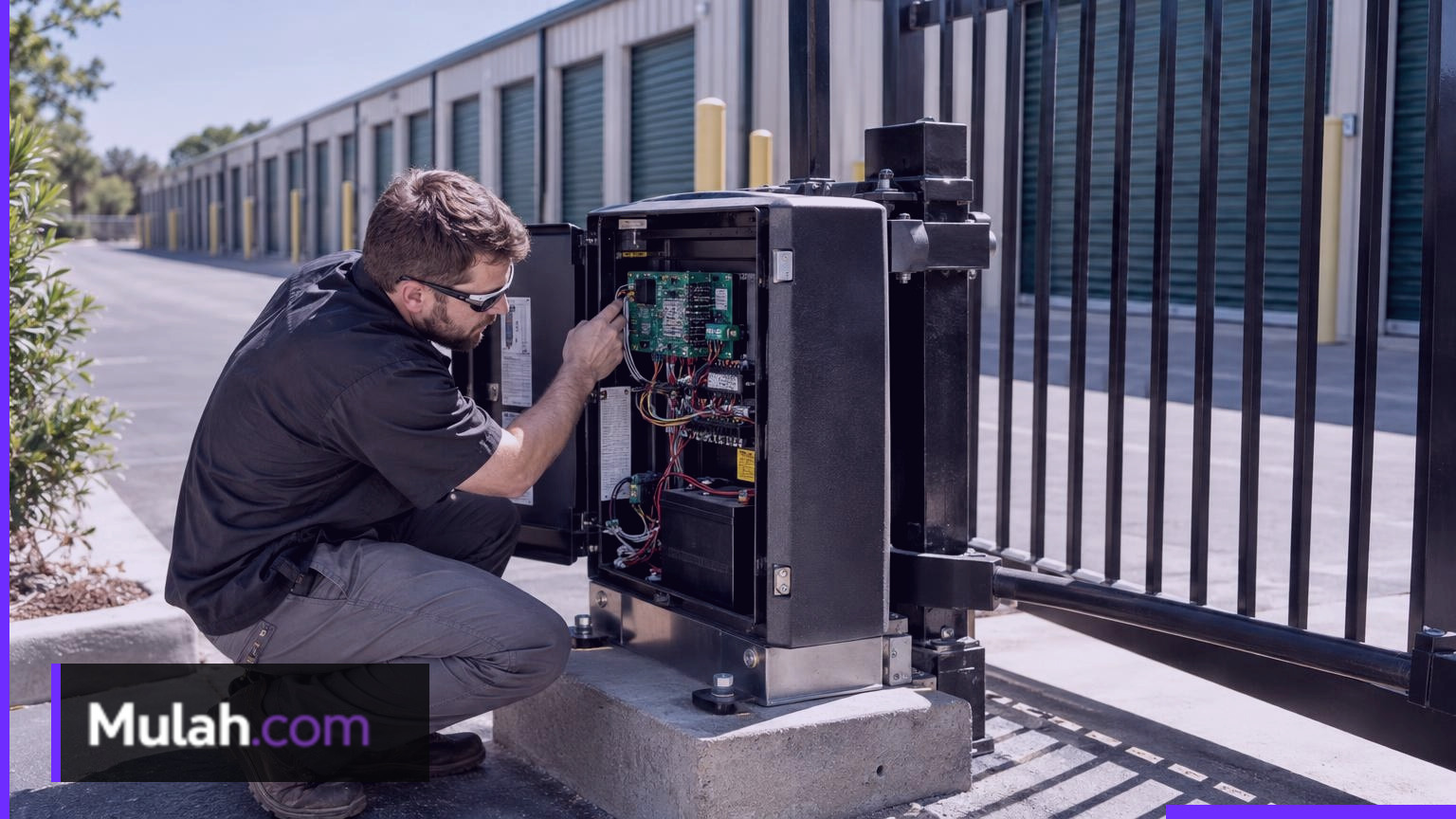
A damaged gate won't wait for next month's rent collections. Adding units, however, calls for a longer view of occupancy and construction costs. Storage business funding should match the expense you're facing and the cash your facility actually produces. Before taking on small business loans, work out what the money will accomplish, when that benefit should arrive and how you'll cover payments along the way.

Separate an urgent operating problem from a growth investment. Replacing a failed access-control system protects current rental income. Building another row of units creates capacity you'll still need to fill. Both require cash, but they call for different funding amounts, repayment periods and evidence that the expense makes financial sense.
Mulah's role is to help you connect that business need with an appropriate funding conversation. Bring a clear use for the money and a realistic payment budget, rather than choosing an amount simply because it appears available.
Product availability, eligibility and terms vary by provider and transaction. Some structures are loans; others are leases or purchases of future revenue. Read the actual agreement for payment frequency, security requirements, personal guarantees and restrictions on spending before committing.
Storage businesses often receive recurring monthly rent, which makes cash flow easier to track than in some industries. That doesn't make every improvement affordable. Property taxes can rise, insurance renewals can be substantial and older buildings can require several repairs at once. Use a full year of expenses to avoid mistaking a quiet maintenance month for normal profitability.
For a revenue-producing project, calculate the additional collected rent needed to cover both the financing payment and added operating costs. Climate-controlled space, for example, brings utility and maintenance expenses along with higher potential rent. An expansion that looks attractive on gross rent alone can produce much less cash than expected.
For a protective expense, such as drainage repairs or security work, the benefit is often avoided damage or fewer service interruptions rather than new rent. You don't need to invent a revenue increase to justify it. You do need a payment plan the existing business can support.
When evaluating small business loans, separate money for a fixed project from money you'll draw as expenses arise. Also distinguish conventional borrowing from revenue-based arrangements. The six structures below serve different purposes; they aren't interchangeable offers.
| Option | Often considered for | How to think about it |
|---|---|---|
| Term Loans | A defined repair, renovation or other project with a known budget. | A lump sum repaid over a set term. Payment frequency, interest, fees and security requirements are set by the agreement. |
| Working Capital Funding | A temporary shortfall in cash available for ordinary business expenses. | Funding for operating needs rather than a specific asset. Working capital describes the purpose; the underlying product may be a loan or another financing structure. |
| Business Line of Credit | Recurring but uneven needs, such as maintenance invoices or gaps between collections. | Draws up to an approved limit, with charges based on the agreement. Access to unused credit and the ability to redraw are subject to its terms. |
| Equipment Financing or Leasing | Eligible security, access-control or other durable equipment. | A loan finances equipment ownership; a lease provides use under a contract. Upfront costs, end-of-term options and responsibility for maintenance differ. |
| SBA Financing | Eligible established-business projects, equipment or real estate needs that justify a more involved application. | Participating lenders make loans under SBA program rules. Eligibility, property use and project details matter, especially for storage real estate. |
| Revenue-Based Financing | An established business evaluating funding tied to future receipts. | Repayment or remittance follows the contract's revenue terms. Some arrangements purchase receivables rather than create a conventional loan; fixed withdrawals and reconciliation rules require close attention. |
Request itemized bids. Equipment financing may cover eligible hardware and certain installation costs, while concrete work, trenching or structural changes require separate treatment. You'll want to know which costs are financeable before paying a nonrefundable deposit.
Match the financing term to a realistic service life. Paying for outdated hardware after it has been replaced creates overlapping costs. For leased equipment, examine buyout provisions, return requirements and whether you must keep paying if the system no longer meets your needs.
For larger property improvements, investigate longer-term financing early. The SBA's 504 loan program addresses eligible major fixed assets, but it is not general-purpose working capital. Storage ownership and rental arrangements warrant a specific eligibility discussion with a participating lender before you build a project around that program.
Use your own inquiry records, waitlist quality and move-in history to test demand. A waitlist for small units doesn't prove demand for large ones. Account for competing facilities and promotional pricing, but don't assume a competitor's advertised rate is what tenants ultimately pay.
Build a slower leasing case alongside your expected case. Include interest or financing payments during construction, marketing after opening and the added cost of maintaining the new space. If the slower case uses all your reserves, reducing the project size may be more sensible than borrowing more.
The SBA's 7(a) loan program supports various eligible business purposes. Its program scope doesn't establish that a particular storage transaction qualifies. Bring the proposed ownership structure, property use and project budget to the lender before relying on SBA financing.
If an offer requires daily or weekly withdrawals, map them against actual deposits. Rent may cluster around the first of the month while other receipts arrive later. A payment schedule that looks manageable as a monthly total can still leave too little in the account between collection dates.
For revenue-based financing, understand the amount advanced, total amount owed or purchased, remittance method and any reconciliation process. A factor rate is not an annual percentage rate. Don't treat the quoted multiplier as though it were directly comparable to an interest rate.
Merchant cash advances and other receivables purchases deserve particular attention to early-payment provisions and default terms. If receipts fall, understand exactly how an adjustment works and what records you must provide. A product linked to revenue should be evaluated from the contract, not its label.
There isn't one approval threshold for every storage business. Your records need to show how the facility operates and where another payment would fit.
An operating history shows collections across different seasons and renewal periods. If you've recently acquired the facility, separate the seller's results from your results and explain changes in management or pricing.
Providers will assess deposits and financial statements, not just advertised rents. Explain concessions, late payments and revenue from ancillary services so the figures can be understood without double counting.
Business and personal credit may be considered. Be ready to discuss late payments, unresolved liens or other issues. A credit score alone doesn't explain the entire application.
Disclose loans, leases, credit lines and advances. Include required payments and any collateral pledged. Leaving out an obligation can delay underwriting and distort the affordability calculation.
Provide the business ownership structure and clarify whether you own or lease the site. Mortgages, lease terms and related-party arrangements can affect which funding structures are practical.
Support the request with estimates and a payment budget. A reserve for overruns or weaker collections makes the plan more credible than a forecast that works only if everything goes right.
Requirements vary, but preparing these records reduces back-and-forth. Property-backed and SBA requests usually involve additional documentation.
The strongest request connects a specific expense to protecting existing income or producing a measurable return. The agreement determines what you can use the money for.
Replacing unreliable gates or cameras can reduce disruptions and protect the customer experience. Budget for installation, connectivity and ongoing service charges as well as the hardware.
Water intrusion can damage units and interrupt rentals. Obtain a clear repair scope and account for units that must remain vacant while work is underway.
New units require more than construction money. Include approvals, site work and cash to carry the space while occupancy builds.
Evaluate electrical capacity, insulation and ongoing energy costs. Higher asking rents aren't enough if utility and maintenance expenses consume the increase.
Software changes can improve payment collection and reduce manual work. Separate one-time setup expenses from subscriptions you'll continue paying after the financing ends.
Funding can bridge a documented timing gap for payroll, utilities or other approved bills. Give that bridge an exit: scheduled collections, a known receipt or a specific reduction in expenses.
These decision tests aren't customer stories. Use them to pressure-test your own proposal.
An urgent replacement may justify financing if paying cash would leave you short for insurance or taxes. Price the repair first, then weigh the borrowing cost against the disruption and the reserve you'd otherwise use.
More capital won't resolve persistent delinquency. Examine collection practices, concessions and tenant balances before adding debt. A temporary cash bridge needs a credible path to better collections, not simply another month of scheduled rent.
An available crew isn't a reason to rush into construction. Permits, demand and a complete budget still come first. Losing a scheduling opportunity can cost less than carrying an expansion the business cannot support.
A lower immediate payment doesn't always mean lower cost. Include payoff charges and the new agreement's full repayment amount. Check whether the change improves cash flow sustainably or merely pushes the same shortfall further out.
Without operating history, the funding discussion changes. Your cash contribution, experience and project plan become especially important. Startup business funding should be considered separately from products underwritten against an established facility's rental deposits.
Buying the real estate, repairing a roof and covering a payroll gap are different transactions. A commercial property purchase typically involves property valuation, title work and a longer underwriting process. An operating-capital product isn't automatically a substitute for that financing.
If you own the property through one entity and run the storage business through another, explain that arrangement early. The lender will need to understand who receives rent, who pays property expenses and which business is borrowing. Existing mortgages or liens can also affect the proposed financing.
Be equally specific if you lease your site. A long-lived improvement deserves scrutiny when your lease expires before the improvement pays for itself. Get landlord approval where required and understand what happens to installed equipment or improvements when the lease ends.
A useful funding plan covers the entire expense cycle, not just the contractor's first invoice.
Collect written estimates that distinguish equipment, installation and site work. For expansion, include professional fees, permits and utility work. A low initial quote is less useful if major costs are left outside it.
Put deposits, progress payments and final balances on a calendar. Add the proposed financing payments. This exposes weeks when construction bills and ordinary property expenses will compete for the same rental receipts.
Roof work, paving and electrical upgrades can interrupt access or temporarily remove units from service. Include the resulting revenue loss in your budget rather than treating the contractor's price as the whole cost.
New units won't necessarily fill at your current property's occupancy rate. Model a gradual lease-up, including concessions and marketing costs. Debt payments still need to be covered while those units are empty.
Avoid using every dollar of cash as a down payment. Taxes, insurance and emergency repairs continue during a project. Build a reserve around your actual bills and the risks in the construction schedule.
The expense should determine the funding structure, not the other way around.
A large insurance bill or a stretch of slow collections can strain an otherwise sound facility. Working capital loans address operating expenses, but borrowing repeatedly to cover ordinary losses signals a pricing, occupancy or cost problem that financing alone won't fix.
Gate operators, cameras and payment hardware have different useful lives and installation costs. Equipment financing and leasing may spread eligible costs over time. Get a complete installed price and check which software or service charges remain separate.
A known project cost can suit a scheduled repayment structure. A term loan is worth considering when you can budget the payment from current cash flow. Don't make the entire repayment case rest on rent increases you haven't tested.
A business line of credit can provide borrowing capacity for uneven expenses. It works best when draws have a clear repayment source. Leaving a balance outstanding indefinitely can turn an occasional buffer into expensive permanent debt.
Related Mulah resources include working capital funding, business lines of credit, equipment financing and leasing, term funding, SBA loans, revenue-based financing, startup funding, accounts receivable financing, and the business funding calculator.
Size alone doesn't tell you what your facility can afford. These measures put a funding request in context.
A rent roll shows scheduled charges, not necessarily cash received. Subtract concessions, delinquency and refunds to understand collections. A facility with high physical occupancy can still struggle if many tenants pay late or occupy discounted units.
Include taxes, insurance, utilities, maintenance and management costs before estimating room for another payment. If you manage the facility yourself, consider the cost of replacing your labor. Otherwise, the budget may overstate sustainable earnings.
List mortgage payments, equipment contracts, credit lines and advances together. Include their payment dates, not just balances. Several individually manageable obligations can create a tight cash week when their withdrawals overlap.
The amount that looks attractive on an offer is not always the amount that makes sense to take. Tie the request to a real expense, a realistic payoff period, and the cash the business can still live on if a customer pays late or a strong month comes in softer than expected.
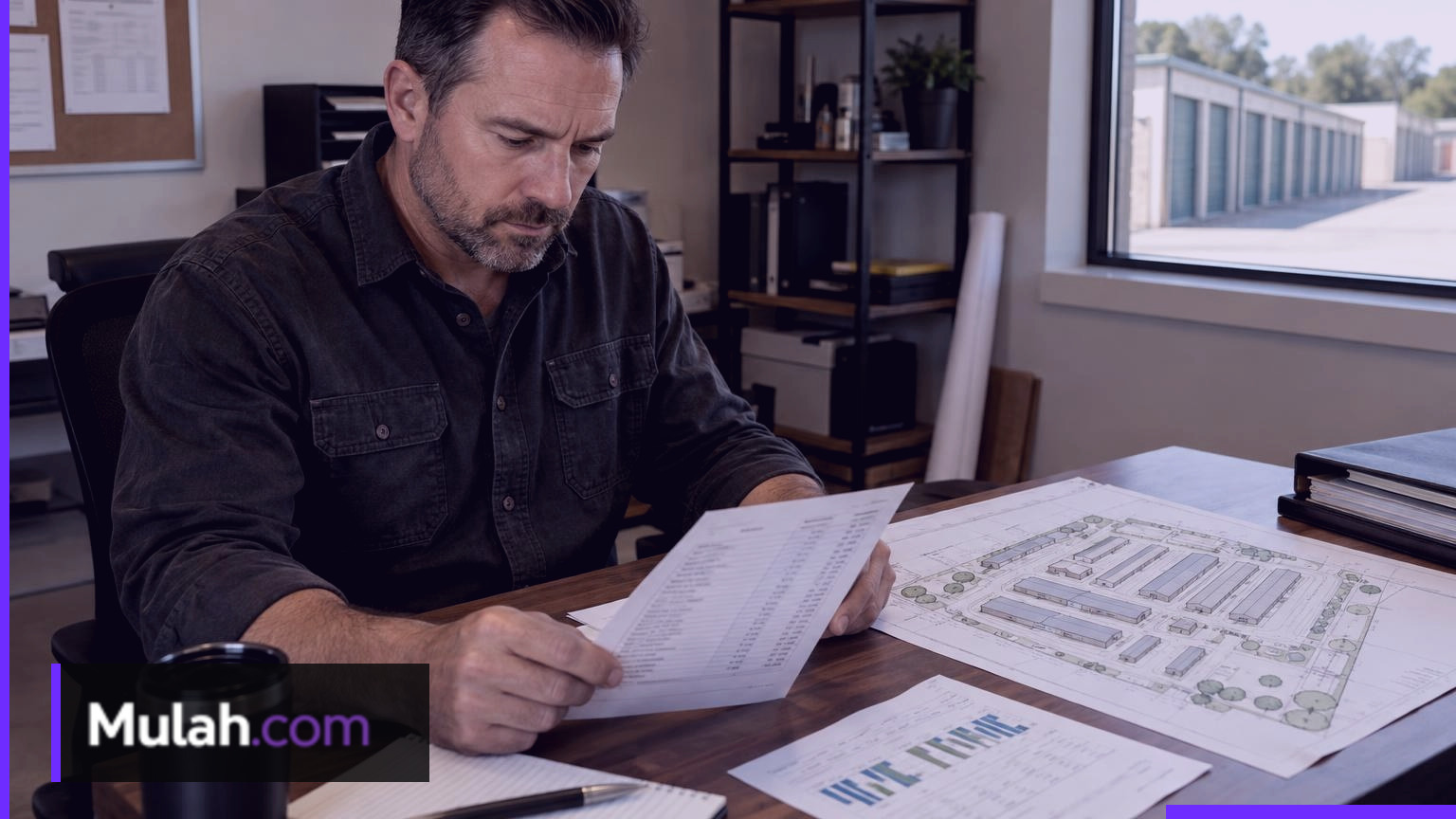
Mulah can help you frame a request around the expense, your collection cycle and what you already owe. That starts with distinguishing a short-lived cash gap from an equipment purchase or a property project. The right conversation may also reveal that a smaller request, phased work or waiting is the better choice.
Keep your own decision standard simple: understand the full cost, know when money leaves your account and preserve enough cash to run the facility. For a broader view of product categories, see the small-business funding guide before submitting a request.
A clear application explains the business case as well as the requested amount. Use these steps to prepare before sending financial records.
Write down what you're buying, the full cost and when payment is due. Then show how the financing payment fits within existing collections. Treat future rent growth as a forecast, not money already available.
Make sure bank statements, financial statements and occupancy reports tell a consistent story. Explain unusual transfers or large one-time expenses. Clear explanations are more useful than leaving an underwriter to guess.
Put the proposed payments into your cash calendar and use the business funding calculator as a planning aid. When you're ready, submit a request through the Mulah application. The written offer, not an estimate, controls the final terms.
Provide the business and financial information needed for a funding review.
Start with a shorter path when you want to discuss the business need before completing the full application.
Review official SBA information about federal small-business loan programs and lender participation.
Official guidance on financial management, cash flow, bookkeeping, and business planning.
Use the official source for current program, regulatory, or business guidance related to this topic.
Use the official source for current program, regulatory, or business guidance related to this topic.
Common categories include term loans, working capital funding, business lines of credit and equipment financing. SBA financing may fit eligible projects. Revenue-based arrangements are another category, but some are purchases of future receipts rather than conventional loans.
Timing varies with the product, documentation and underwriting. An operating-capital request is different from a property transaction requiring valuation or title work. Give the provider your actual payment deadline before relying on a funding date.
Some products support eligible expansion costs. You'll need a complete budget, any required approvals and a plan for payments during construction and lease-up. Short repayment periods can be a poor fit for capacity that takes time to fill.
Potentially, but property acquisition belongs in a real-estate financing discussion. Ordinary working capital funding shouldn't be assumed to cover the purchase. Ownership structure, property use and the proposed lender's requirements will matter.
A lender must assess the specific business and transaction under applicable SBA rules. Don't infer eligibility solely from the industry name. Explain how the property is used, who operates the facility and how the ownership entities are connected.
There is no single minimum across all products and providers. Credit history is considered alongside revenue, existing debt and other factors. Get the requirements for the specific product rather than relying on a general advertised threshold.
Either may be required. Equipment or property can secure certain transactions, and other agreements may include broader business liens. Read the security and guarantee provisions to understand which business and personal assets are exposed.
Use the documented expense plus a defensible contingency, then test the resulting payment against collected cash. The maximum offered isn't necessarily what you can afford. Leave room for property bills and repairs outside the financed project.
A line generally suits uneven expenses you expect to repay and borrow against again. A term loan suits a defined cost with a scheduled payoff. Fees, draw rules and payment frequency can change which is more practical.
Eligible equipment may qualify for financing or leasing. Get an itemized quote showing installation and software costs. Check ownership, maintenance responsibility and end-of-term conditions, especially when the offer is a lease.
Startup requests are evaluated differently because there are no established collections to demonstrate payment capacity. A provider may need detailed projections, owner financial information and evidence of your investment. Not every product accepts startups.
It provides useful context, but occupancy isn't the same as collected income. Discounted units, unpaid balances and high property costs can leave little cash for debt payments. Submit collection history alongside occupancy reports.
Often it isn't the natural fit when tenants pay in advance and there are no eligible commercial invoices. A warehouse business with creditworthy business customers and unpaid invoices has a different receivables profile that warrants separate consideration.
Check the net amount you'll receive, total repayment, withdrawal schedule and all fees. Understand early-payoff treatment, liens, guarantees and default provisions. Put the payments into a conservative cash forecast before signing.
Start with the need, the amount, and the timing. Mulah can help you review possible business funding options before you decide whether to move forward.
Call 877-816-8524