Legal Structure and Borrowing Authority
Show who owns or governs the school and who can sign. Board approval, organizational documents, or public-sector restrictions may affect whether the transaction can proceed.
Payroll arrives on schedule, even when tuition doesn’t. School business funding can bridge that timing gap or pay for a project you can’t reasonably fund from reserves. Before considering small business loans, look at when your school collects cash, what you already owe, and how much room remains after essential expenses. The right financing should support your educational work without crowding out next term’s budget.
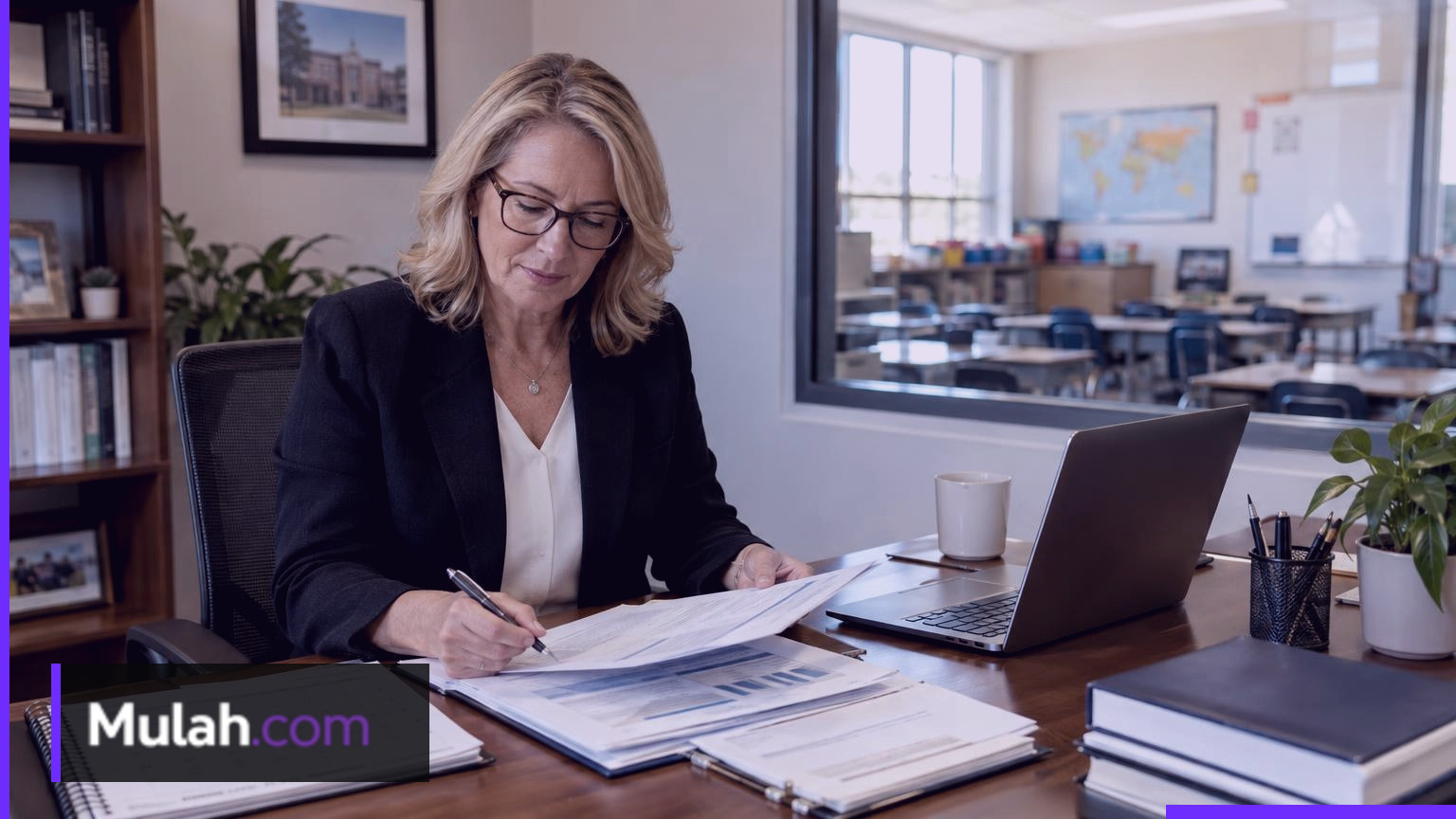
Put a dollar amount and a date beside the expense. Covering six weeks of payroll before tuition arrives is a financing problem with a clear endpoint. Replacing aging computers is an asset purchase. Opening another location is an expansion decision with enrollment risk. Treating all three as general working capital makes it harder to choose sensible terms.
Then separate a temporary cash shortage from a budget that no longer works. If tuition receipts cover annual expenses but arrive unevenly, borrowing could smooth the calendar. If your school loses money throughout the year, additional debt adds another bill without repairing the underlying problem. Tuition pricing, staffing, collections, or spending may need attention first.
Mulah can help you frame the request around the expense and your school's cash flow. Bring a monthly forecast, not just an annual revenue figure. A profitable year can still contain several months when scheduled payments would be difficult to make.
School leaders have less room to cut expenses midyear than many businesses do. Staffing commitments, course schedules, and student services are difficult to change once families have enrolled. That makes the cash left after essential spending more useful than a simple revenue total when judging a financing offer.
Build a base forecast and a downside forecast. In the downside version, reduce collections or delay them using assumptions grounded in your records. Include payroll taxes, insurance renewals, repairs, and the debt you already carry. The exercise should reveal how much room remains, not produce a number that justifies the amount you want.
Keep a reserve outside the project budget where possible. Spending every available dollar on an upgrade can leave you borrowing again for an ordinary repair. A smaller project with breathing room is often a better business decision than a complete renovation financed at the edge of affordability.
Small business loans are one part of the financing market, not a label for every product. A revolving credit facility, equipment lease, and revenue-based agreement create different commitments. Eligibility and availability vary by provider and by the legal structure of your school.
| Option | Often considered for | How to think about it |
|---|---|---|
| Term Loans | A defined investment with a known budget, such as a classroom renovation. | A lump sum repaid over an agreed term. Rates, fees, security requirements, and payment schedules vary. |
| Working Capital | A temporary gap between operating bills and dependable tuition collections. | Funding intended for operating expenses. It may take the form of a short-term loan or another financing arrangement. |
| Business Line of Credit | Recurring cash gaps or purchases whose timing and amount vary. | Draw against an approved limit under the agreement's terms. Available credit, draw costs, and renewal conditions require attention. |
| Equipment Financing or Leasing | Eligible technology, instructional equipment, or other business assets. | Financing tied to equipment, or a lease providing use of it. Ownership and end-of-term obligations differ. |
| SBA Financing | Eligible for-profit school businesses seeking financing for qualifying purposes. | Participating lenders make loans supported by an SBA guarantee. Program rules apply; nonprofit schools generally aren't eligible for SBA business loans. |
| Revenue-Based Financing | Businesses with suitable, documented receipts that can support the proposed payment structure. | Repayment or remittances are linked to revenue under the contract. It is not necessarily a conventional loan, and collection mechanics deserve close attention. |
A lender will want to understand how tuition turns into deposits. Your records should distinguish billed tuition, collected tuition, discounts, refunds, and overdue balances. A school with steady enrollment can still have weak collections, especially when payment plans stretch receipts across the year.
Use historical collection patterns to set a borrowing amount. If the gap closes when a scheduled tuition installment arrives, explain that timing. If unpaid balances have been accumulating for several terms, financing them without changing collection practices risks turning a temporary bridge into permanent debt.
An unpaid tuition balance also isn't automatically suitable for accounts-receivable financing. Some providers focus on eligible business or institutional invoices rather than consumer tuition obligations. Establish the nature of the receivable before treating invoice financing as an option.
A classroom technology project may include devices, networking, installation, subscriptions, and staff training. A facility renovation can involve permits, professional fees, temporary room arrangements, and work outside school hours. Get a written scope and distinguish fixed quotes from estimates before choosing a funding amount.
Match the financing period to the asset's practical usefulness. Paying for short-lived devices long after replacement becomes necessary creates overlapping costs. With a lease, check maintenance responsibilities, return conditions, and any purchase option rather than assuming your school will own the equipment at the end.
For leased premises, resolve landlord approval and lease duration before financing permanent improvements. Energy-efficient lighting or HVAC upgrades may reduce operating costs, but use supportable savings estimates. The payment should remain manageable if the savings arrive later or are smaller than expected.
SBA business lending generally serves eligible for-profit businesses, not nonprofit schools or public institutions. A private school's educational mission alone doesn't establish eligibility. Ownership, business activities, size, creditworthiness, and the intended use of funds all enter the assessment.
For a potentially eligible operator, SBA financing is worth discussing when the project allows time for documentation and underwriting. The SBA guarantee protects the lender in part; it does not remove your responsibility to repay or automatically eliminate guarantee and collateral requirements.
Read the SBA's official 7(a) loan program guidance before assuming a project qualifies. For a time-sensitive expense, keep the funding deadline separate from the project deadline so you don't commit to spending before financing is ready.
There is no single qualification standard for every school financing product. A useful application makes these six parts of your business clear without relying on unsupported growth claims.
Show who owns or governs the school and who can sign. Board approval, organizational documents, or public-sector restrictions may affect whether the transaction can proceed.
Explain tuition receipts and other recurring income. Separate restricted funds, one-time donations, and transfers so the provider can see the cash available for repayment.
Document how long your school has operated and how its enrollment and collections have changed. A new school has a different evidence base from an established campus.
Show payroll, occupancy costs, student services, and other essential spending. Include seasonal lows rather than presenting only your strongest collection months.
Provide an accurate debt schedule and be ready to discuss business or owner credit where relevant. Existing liens, guarantees, and payment problems can affect the available terms.
Tie the requested amount to a budget, quotes, or a documented operating gap. Explain how payments will be made without assuming every projected new student enrolls.
Requirements differ by product, but organizing these records early reduces avoidable back-and-forth. Share sensitive records through an appropriate secure channel, and leave student-level personal information out unless specifically required and lawfully disclosed.
The use must be allowed under the financing agreement. Beyond that, a sound project should solve a specific operating problem or produce a benefit your school can reasonably measure.
Cover a documented timing gap when dependable receipts arrive after wages are due. Repeated borrowing for payroll without a clear payoff point signals a broader budget problem.
Replace unreliable devices or instructional equipment using a complete implementation budget. Include recurring software costs in future operating expenses, not just the initial purchase.
Address necessary repairs before they interrupt classes. Determine what your landlord, insurer, or existing maintenance agreement already covers before financing the work.
Fund equipment, materials, or preparation for a new offering. Test the budget at modest participation levels instead of relying on full enrollment from the first term.
Replace inefficient systems when the project makes operational sense. Check installation timing and any incentive requirements separately; an anticipated rebate isn't cash until received.
Support expansion backed by credible demand and a workable staffing plan. Include occupancy approvals and the cost of carrying unused capacity during the ramp-up.
These are illustrative planning situations, not customer results. Each shows why the reason for borrowing matters more than the headline funding amount.
Your school collects monthly tuition shortly after a major payroll date. A limited working capital facility could address that mismatch. First determine whether adjusting collection dates would solve it at lower cost.
You have a fixed equipment quote and a clear replacement schedule. Equipment financing deserves consideration, but include installation and subscriptions when testing the payment against your technology budget.
Receipts no longer cover routine spending, and there is no firm recovery point. Borrowing is unlikely to fix the problem by itself. Rework the operating budget before adding scheduled payments.
Families have expressed interest, but registrations aren't complete. Consider a phased launch with fewer upfront commitments. Expressions of interest shouldn't carry the same weight as paid enrollment in your forecast.
Without operating history, conventional choices are narrower. Startup funding requires a separate discussion of owner resources, experience, projections, and available security. Build a contingency for opening delays.

This guide focuses on business financing for eligible school operators, including private education businesses. It is not a guide to student loans or financial aid for families. Public-school borrowing and the use of public education funds follow separate rules, and commercial business products are not automatically available to every school.
Grants also work differently from loans. Awards usually carry eligibility rules, application periods, and restrictions on spending. They are not a dependable substitute for cash needed to meet next week's payroll. The U.S. Department of Education lists opportunities through its grants and programs directory; an opportunity's eligibility criteria determine who can apply.
Keep restricted donations, grant awards, and unrestricted operating receipts separate in your forecast. Money committed to a particular program may not be available for general debt payments. If an expected award is still uncertain, don't treat it as collected cash when deciding what you can afford.
A monthly forecast should show when cash actually reaches your account. Use your own collection history to test these pressure points rather than assuming every enrolled student pays on the same schedule.
Deposits can arrive well before classes begin, but refund terms and withdrawal risk affect how much is truly available. Track committed enrollment separately from inquiries and applications.
Books, supplies, staff preparation, and classroom repairs often require payment before the term starts. List vendor deadlines so a late financing decision doesn't disrupt purchasing.
Families paying monthly create a different cash pattern from families paying annually. Include late payments and financial assistance commitments when estimating cash available after payroll.
Rent, insurance, and some salaries continue during school breaks. A payment that looks affordable in September may be uncomfortable during a summer revenue dip.
Run a lower-enrollment forecast before committing to debt that extends into another school year. Leave room for student departures without immediately needing another financing round.
The strongest application explains both the use of funds and the source of repayment. These four starting points organize the decision before you weigh individual offers.
For expenses that come due ahead of dependable tuition receipts, consider working capital financing. Size the request to the forecast shortfall, including financing costs, rather than borrowing the largest amount offered.
A business line of credit can suit uneven supply purchases or recurring seasonal gaps. Understand draw conditions, renewal rules, and whether outstanding balances must be paid down periodically.
Use equipment financing or leasing to evaluate computers, classroom technology, or other eligible equipment. Installation, warranties, software, and training can materially change the full project cost.
A term loan may fit a defined renovation or expansion budget. Borrowing over time makes sense only if the project remains useful and the school can carry payments without relying on an immediate enrollment jump.
Related Mulah resources include working capital funding, business lines of credit, equipment financing and leasing, term funding, SBA loans, revenue-based financing, startup funding, accounts receivable financing, and the business funding calculator.
An attractive headline amount tells you little about affordability. Put each proposed offer into the same monthly cash forecast before making a decision.
Subtract any withheld fees from the stated funding amount. If the net proceeds won't cover your project, you'll need cash from elsewhere or a smaller scope.
Record the payment amount, frequency, and first due date. Daily or weekly withdrawals can strain a school that collects most tuition on a monthly schedule.
Read the provisions covering collateral, personal guarantees, reporting, and default. Also check whether additional borrowing requires permission and how early payoff changes the cost.
The amount that looks attractive on an offer is not always the amount that makes sense to take. Tie the request to a real expense, a realistic payoff period, and the cash the business can still live on if a customer pays late or a strong month comes in softer than expected.

Bring Mulah the amount you need, the spending deadline, and a plain-English explanation of how your school will repay it. Include what you already owe and the months when cash is tight. Those details are more useful than a broad request for the maximum available funding.
You can use the business funding calculator to test payment assumptions, then replace estimates with the actual terms of an offer. For receipt-linked products, the revenue-based financing guide explains a structure that should be assessed separately from a conventional installment loan.
Ready to discuss a specific need? Submit a request through the Mulah application with an amount grounded in your budget. An application begins the assessment; it is not a commitment to lend or a reason to commit to spending.
Write down the expense, net cash required, and latest useful funding date. Include your own contribution and any spending that could be postponed.
Gather your records and explain seasonal collections, existing payments, and borrowing authority. Address unusual deposits or recent changes directly.
Put the proposed payments into your forecast. Read the full agreement and resolve questions about fees, guarantees, security, and early payoff before accepting.
Provide the business and financial information needed for a funding review.
Start with a shorter path when you want to discuss the business need before completing the full application.
Review official SBA information about federal small-business loan programs and lender participation.
Official guidance on financial management, cash flow, bookkeeping, and business planning.
Use the official source for current program, regulatory, or business guidance related to this topic.
Use the official source for current program, regulatory, or business guidance related to this topic.
It can fund eligible operating expenses, equipment, facility work, or expansion. Your agreement controls the allowed uses. Choose a specific purpose and repayment source before applying rather than treating available capital as extra budget.
Potentially. Providers assess the school's legal structure, financial history, cash flow, credit, and intended use. A for-profit private school and a nonprofit school may have very different options even when they serve similar students.
Nonprofit schools generally are not eligible for SBA business loan programs such as 7(a). Your school may need nonprofit-focused lending, grants, donations, or other financing channels appropriate to its structure.
Don't assume it is. Public schools operate under separate borrowing authority and public-finance rules. Your governing body and qualified advisers should establish the available route before you submit a commercial business funding request.
This page does not establish a Mulah grant program. Grants are separate from repayable business financing and require their own eligibility assessment. Check the awarding agency's official notice for application dates, allowable spending, and reporting requirements.
Timing varies with the product, underwriting, and completeness of your documents. Give the provider your actual deadline, but don't promise a vendor payment date until the financing is finalized and the disbursement arrangements are clear.
There isn't one universal minimum across all financing products. Business credit, owner credit where applicable, collected revenue, and existing debt can all matter. The provider must assess your file before stating which terms are available.
Yes, if the product permits those expenses and your repayment plan works through the slower months. Include rent, insurance, year-round staff, and the timing of fall tuition. Summer programs shouldn't be counted as guaranteed revenue without supporting commitments.
A line can suit recurring, variable gaps; a term loan can suit a known one-time expense. The better choice is the one whose payment structure fits your cash flow at an acceptable total cost, including fees and renewal conditions.
Equipment financing or leasing may be available for eligible purchases. Check which costs qualify, who owns the equipment, and what happens at the end of the agreement. Keep replacement timing in mind when choosing the repayment period.
Requirements vary. Some agreements involve liens on business assets, guarantees from owners, or both. Read these provisions carefully so you understand who is responsible and what assets could be affected if payments aren't made.
Possibly, but a school without operating receipts has fewer ways to demonstrate repayment. Expect scrutiny of your experience, personal finances where relevant, startup budget, and enrollment assumptions. Allow for licensing, facility, and opening delays.
It requires careful assessment. Seasonal collections, refunds, and restricted receipts can complicate the structure. Understand which revenue counts, how withdrawals are calculated, and how any adjustment process works before agreeing to receipt-linked payments.
Only with a credible repayment plan that accounts for the award's status and restrictions. An application is not an award, and an award may reimburse expenses rather than provide cash upfront. Don't assume grant funds can repay borrowing without checking the rules.
Start with the need, the amount, and the timing. Mulah can help you review possible business funding options before you decide whether to move forward.
Call 877-816-8524