Business History
Show how long your business has operated, who owns it, and which entity will borrow. Explain a new facility or ownership change rather than leaving the reviewer to infer it from bank records.
Your imaging quote is only part of the cost of opening or replacing a cath lab. Catheterization laboratory equipment financing needs to account for installation, room readiness, and the cash your business will use before collections catch up. Mulah helps healthcare businesses consider equipment financing, leasing, and small business loans in the context of the full project, not just the machine.
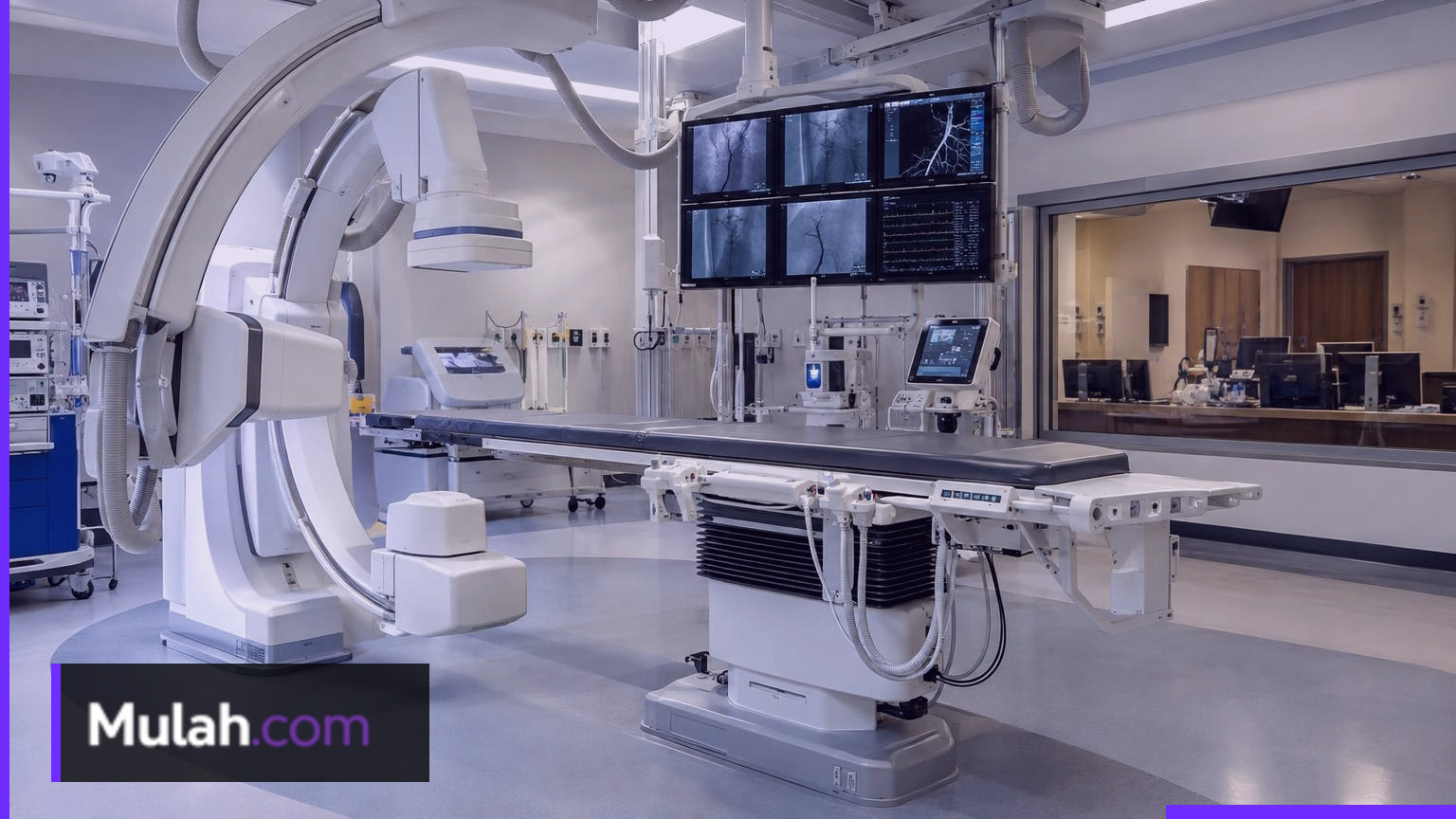
An angiography system can arrive on schedule and still sit idle. The ceiling support might be unfinished, the network interface might fail testing, or the room might be waiting for an inspection. You need a budget and schedule that bring the equipment, facilities work, and clinical preparation together.
A replacement project raises a different financial question from a new site. If you're replacing an active room, lost procedure capacity during installation belongs in the cash-flow forecast. If you're opening a facility, recruiting, payer processes, initial inventory, and referral development can consume cash before the first meaningful collections arrive.
Build your request around what the money will pay for and when each invoice comes due. That gives you a more useful basis for choosing equipment financing, a lease, broader term funding, or shorter-term operating credit. One agreement isn't automatically the best way to fund the entire project.
A hospital replacement, an ASC expansion, and an office-based lab don't have identical economics. Ownership, permitted procedures, reimbursement, staffing, and site-of-service requirements shape the budget. Describe the setting clearly so the funding request reflects how your business will actually earn and collect revenue.
For an operating practice, historical collections and current overhead provide a starting point. A new room still needs its own assumptions for case volume, supply cost, and staffing. Don't treat all projected procedure revenue as incremental profit, particularly if cases are moving from another location you already operate.
A new facility has less operating evidence to support its forecast. Document the owners' experience, capital contribution, referral assumptions, and launch schedule. If you're considering startup funding, recognize that a new entity or site can face a different underwriting process from an established borrower.
When researching small business loans, keep the product labels in perspective. Some structures are loans, some are leases, and others use different repayment arrangements. The right choice rests on the use of funds, the full cost, and what your business can afford under conservative assumptions.
| Option | Often considered for | How to think about it |
|---|---|---|
| Term Funding or Term Loans | Defined project costs with a reasonably predictable benefit over time. | A funded amount repaid over an agreed period. Check eligible costs, collateral, guarantees, payment frequency, and prepayment provisions. |
| Working Capital | A measurable operating gap during installation or volume ramp-up. | Business funding for expenses such as payroll and supplies. Short repayment periods can strain cash if collections take longer than forecast. |
| Business Line of Credit | Recurring cash swings where borrowing can be repaid as receipts arrive. | Draws up to an approved limit under the agreement. Examine draw fees, renewal conditions, and repayment rules before treating it as a permanent reserve. |
| Equipment Financing or Leasing | Documented imaging, monitoring, and other clinical equipment purchases or use. | Asset-focused financing or a lease. Ownership, collateral, acceptance requirements, and end-of-term costs vary by contract. |
| SBA Financing | Eligible businesses seeking financing for qualifying equipment, improvements, or working capital. | Participating lenders make SBA-backed loans under program rules. Eligibility, documentation, and the intended use of proceeds require careful attention. |
| Revenue-Based Financing | An operating business with revenue that supports the proposed remittance arrangement. | Terms link payments or remittances to revenue or receipts as specified in the contract. Examine total cost and any reconciliation rights; don't assume payments automatically fall when revenue declines. |
New equipment can offer current capabilities and a longer manufacturer support horizon, but acquisition cost and delivery time still matter. Buy for the procedures you realistically expect to perform. Features that won't be used can consume capital better reserved for room readiness or operating cash.
For a pre-owned system, obtain the model year, serial information, tube and detector history, software licenses, and a condition report. Find out whether licenses transfer and who will service the equipment locally. A low quote loses its appeal if parts are scarce or a critical component falls outside the warranty.
Put freight, rigging, installation, calibration, acceptance testing, and training into the delivered cost. Read service exclusions for detector coverage, tube protection, response obligations, and price escalation. The FDA's medical X-ray imaging guidance provides authoritative background on imaging and radiation safety.
Financing a purchase often fits a system you expect to retain after repayment. You typically carry the risks of obsolescence and eventual resale, along with service and upkeep. Consider whether manufacturer support and clinical usefulness are likely to extend beyond the proposed repayment period.
With a lease, the end-of-term provisions deserve early attention. A fair-market-value purchase option differs from a stated buyout. Return conditions can include notice deadlines, equipment condition standards, deinstallation, freight, and continued rent if you miss a required step.
Don't assume leasing includes maintenance, tax benefits, or an automatic upgrade. Those details come from the contract and your circumstances. Have qualified advisers assess tax and accounting treatment, and keep an internal calendar for renewal and termination notices from the day the lease begins.
Build a monthly forecast using procedures by type, expected net collections, disposable and implant costs, staffing, rent, service, and what you already owe. Separate charges from cash receipts. A busy room can still have a cash shortage if payer processing and claim corrections delay payment.
Then move the opening date back, lower early volume, and add an unexpected service expense. For a replacement room, account for cases lost or shifted during downtime. If the proposed payment works only at full utilization, consider a smaller scope, more equity, or a different installation sequence.
Use the business funding calculator for an initial payment estimate, not a quote or approval. If eligible receivables are the real bottleneck, accounts-receivable financing warrants a separate assessment of payer quality, aging, eligibility, and healthcare-specific constraints.
A strong submission connects your business's financial position with a specific, documented project. There isn't one credit score, revenue threshold, or down payment that applies to every structure.
Show how long your business has operated, who owns it, and which entity will borrow. Explain a new facility or ownership change rather than leaving the reviewer to infer it from bank records.
Use recent financial results and realistic projections to show what remains after operating costs. Explain seasonal changes, unusual deposits, and any gap between reported revenue and bank receipts.
List loans, leases, credit lines, and other business financing with payment amounts and outstanding balances. Existing liens and guarantees can affect the structure available for the next purchase.
Provide an itemized quote from an identifiable seller. For used equipment, include condition, remaining service support, warranty terms, and the installation plan.
Document deposits paid and additional cash committed to the project. Keep a separate figure for operating reserves so the same money isn't presented as both equity and working capital.
Show the construction schedule, required approvals, site readiness, and expected downtime. Unresolved facilities work can affect delivery, acceptance, and the date your business can begin generating receipts.
Your requested amount should tie back to source documents. Use the full application when your package is ready, and explain any significant costs that are still estimates.
These categories make omissions easier to catch. They aren't a promise that one funding agreement will cover every expense.
Single-plane or biplane angiography systems, C-arms, detectors, workstations, ceiling suspension, and procedure tables. Show trade-in credits separately so the net purchase cost is clear.
Hemodynamic recording, ECG acquisition, contrast injectors, intravascular ultrasound, fractional flow reserve systems, radiation protection, and emergency equipment. Include interfaces and accessories needed for the intended workflow.
Shielding, structural reinforcement, power, cooling, medical gases, control-room work, and finishes. Separate contractor costs from the equipment seller's responsibilities.
PACS connectivity, DICOM worklists, reporting, cybersecurity, servers or cloud components, and electronic health record interfaces. Budget implementation labor as well as licenses.
Removal, freight, rigging, installation, testing, applications training, preventive maintenance, and extended service. Note which charges recur and which are paid only once.
Payroll, clinical supplies, insurance, rent, credentialing-related expenses, and billing support. Keep these costs visible rather than burying them inside a long-term equipment budget.
These are planning situations, not customer results. Use the one closest to your project to spot the financial issue that deserves attention first.
Your current lab produces revenue, but replacement will interrupt access. Put temporary case reductions and equipment removal into the forecast. The main question is whether cash reserves cover the interruption while payments on the new system begin.
The equipment is only one part of launch spending. Keep referral assumptions, staffing, payer processes, and initial inventory separate from the asset purchase. Don't use projected early collections as though they were cash already available for construction.
Additional procedure capacity can require facility modifications, supplies, and staff before volume increases. Check the applicable clinical and reimbursement requirements for the intended procedures, then model the incremental cash flow rather than the center's total revenue.
A lower acquisition cost leaves more room in the budget only if the installed system remains serviceable. Obtain service pricing and software-transfer terms before committing. Include a replacement horizon that reflects remaining support, not just the proposed loan term.
Imaging, surgical equipment, anesthesia, and infrastructure need coordinated specifications. Assign ownership of integration and acceptance testing. Funding several vendor contracts without a shared completion schedule can leave you paying for assets that aren't yet usable together.

Equipment vendors often supply site-planning requirements, but that doesn't make the vendor responsible for completing your room. Architecture, engineering, permits, shielding, demolition, electrical distribution, HVAC, medical gases, and finishes may sit under separate contracts. Put those costs into the same master budget as the clinical equipment.
The dangerous gap is often timing rather than total cost. A contractor's progress payment can arrive while financing remains conditional on delivery or acceptance. If you cover that gap from the account used for payroll and clinical supplies, a construction issue becomes an operating problem.
Write down who pays each deposit, what triggers each disbursement, and which costs you must cover yourself. Include a contingency supported by the project's actual uncertainties. Don't count the same cash contribution twice, once as a vendor deposit and again as money available for opening expenses.
Use these milestones to test whether your funding schedule matches the work. A reasonable total budget can still fail if the money arrives at the wrong time.
Design, engineering, site surveys, shielding analysis, and legal work can precede equipment delivery by months. Decide which expenses your business can absorb before funding is committed, and avoid a major nonrefundable deposit without understanding site feasibility and financing conditions.
Record vendor deposits, progress payments, delivery requirements, and cancellation terms. For pre-owned equipment, include removal, storage, transportation, and any refurbishment work. Your purchase contract and funding documents should describe the same system and accessories.
Rigging, electrical work, cooling, networking, assembly, and calibration often overlap. A delay in one trade can affect several invoices. Assign responsibility for coordinating the room, and make sure the financing draw process accommodates the agreed payment milestones.
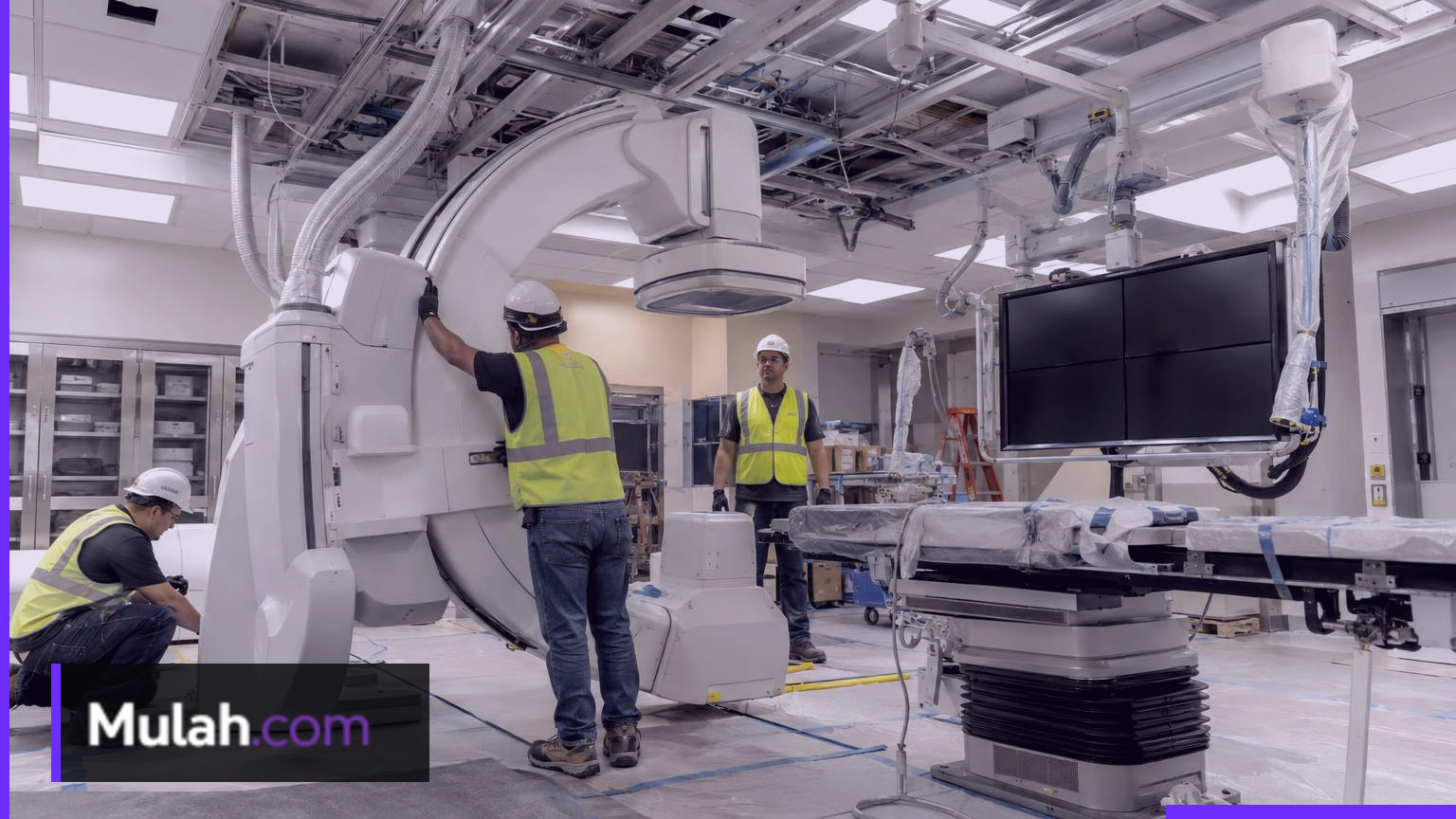
Delivery is not necessarily clinical readiness. Understand the agreement's acceptance standard, testing requirements, and payment commencement date. Don't sign an acceptance certificate casually; it can authorize vendor payment or trigger obligations before your team considers the room ready.
After opening, supplies, staffing, rent, and service coverage continue regardless of collections. Forecast cash receipts using expected net reimbursement and payment timing, not gross charges. Leave room for claim corrections, slower referrals, and an uneven early case mix.
The useful distinction is between an asset you expect to use for years and cash you'll spend during construction or the first months of operation.
An equipment-focused agreement generally supports a defined purchase, with the asset commonly serving as collateral. Your quote should separate hardware, software, installation, and service. The equipment financing and leasing guide explains the broader ownership choices.
A lease provides use of the equipment under a specific set of ownership and return terms. Look beyond the payment to the purchase option, renewal provisions, maintenance duties, and removal costs. A planned technology refresh only works if the lease actually permits the change you expect.
Construction, integration, and other mixed costs may call for a broader business-purpose agreement. Match the repayment period to the improvements' useful life without assuming every soft cost is eligible. Read about term loans before judging an offer by its monthly payment.
Payroll, supplies, and reimbursement gaps require a different analysis from an imaging purchase. A business line of credit or working capital funding may fit a temporary gap, provided your expected collections support repayment.
Related Mulah resources include working capital funding, business lines of credit, equipment financing and leasing, term funding, SBA loans, revenue-based financing, startup funding, accounts receivable financing, and the business funding calculator.
An affordable-looking payment can hide a poor fit. Test the agreement against the room's economics and the risks your business will carry.
Add required deposits, fees, scheduled payments, and any balloon or purchase-option amount. Note payment frequency. A weekly or daily withdrawal affects cash differently from a monthly installment, especially when payer receipts arrive unevenly.
Find out whether payments begin at delivery, acceptance, or another contractual milestone. Model a delayed opening with the proposed payment already in place. If that case drains payroll cash, change the structure or reduce the project before signing.
Estimate how long the system will remain serviceable and supported. A loan balance, lease return bill, or expensive buyout can complicate the next upgrade. Ask your accounting and tax advisers to assess the actual documents rather than relying on the product's name.
The amount that looks attractive on an offer is not always the amount that makes sense to take. Tie the request to a real expense, a realistic payoff period, and the cash the business can still live on if a customer pays late or a strong month comes in softer than expected.
Mulah's role is to connect the purpose of your request with potential business-funding structures. An equipment purchase, a construction gap, and operating liquidity shouldn't be treated as interchangeable just because they belong to the same cath lab project.
Use Check Your Funding Options if you're still sorting out the scope. If you already have current quotes, financial records, and a project budget, proceed to the full application. Keep clinical, regulatory, reimbursement, legal, tax, and accounting decisions with qualified professionals.
Mulah can assess the request more usefully when the project story and the numbers agree. You don't need a polished presentation, but you do need a clear account of the amount, purpose, timing, and cash your business will contribute.
State if you are replacing equipment, adding capacity, or opening a site. Include the care setting, vendor, requested amount, construction scope, and expected opening or downtime dates.
Reconcile equipment quotes and contractor estimates with your sources-and-uses budget. Attach business records and show how the proposed payment fits conservative collections after operating expenses.
Check total repayment, payment frequency, guarantees, liens, fees, funding conditions, and exit costs. Resolve any mismatch between vendor payment dates and financing proceeds before signing.
Provide the business and financial information needed for a funding review.
Start with a shorter path when you want to discuss the business need before completing the full application.
Review official SBA information about federal small-business loan programs and lender participation.
Official guidance on financial management, cash flow, bookkeeping, and business planning.
Use the official source for current program, regulatory, or business guidance related to this topic.
Use the official source for current program, regulatory, or business guidance related to this topic.
A request can include angiography platforms, procedure tables, hemodynamic systems, contrast injectors, ultrasound, workstations, and other documented clinical assets. List software, accessories, delivery, and installation separately because the funding agreement may treat them differently from hardware.
Potentially, but the budget combines equipment, construction, professional fees, and operating expenses. Submit an itemized request rather than a single project total. You may need more than one structure and a cash contribution to cover costs outside the approved financing.
Neither is automatically better. Financing often fits a long ownership plan. Leasing can offer another path, but return conditions, purchase options, and upgrade rights determine its practical value. Calculate the full cost through the point when you expect to replace or retain the system.
Refurbished equipment can be considered when the seller, condition, age, serviceability, and remaining useful life support the transaction. Provide serial information, a condition report, transferable software details, warranty terms, and an installation plan.
There is no single required contribution across all products. The equipment, business finances, and project scope influence the terms. Budget separately for any required down payment, expenses not financed, and cash your business needs to remain open during installation or ramp-up.
Begin with current equipment quotes, recent business bank statements, financial statements, a debt schedule, ownership information, and a consolidated project budget. Add construction estimates and a timeline if room work is involved. New-site requests also need credible operating assumptions.
Those expenses usually belong in the working-capital portion of the plan rather than the equipment purchase. Show how long the cash gap will last and what collections will repay it. Don't stretch routine supply purchases over an equipment-length obligation merely to lower the payment.
Eligible healthcare businesses may consider SBA-backed financing for qualifying purposes. Program rules, ownership, size standards, use of proceeds, and lender underwriting all matter. The SBA financing overview is a starting point, not a determination of eligibility.
Yes, but a new business has less historical cash flow to support the request. Owners should be ready to document relevant experience, cash investment, project readiness, and realistic revenue assumptions. A new site owned by an operating group is not necessarily evaluated like a standalone startup.
The agreement controls. Payments might begin around delivery, acceptance, funding, or another specified event. Read the payment commencement language alongside your vendor contract. Don't assume the first payment waits until procedures begin or insurance collections arrive.
Equipment commonly supports an equipment-financing request, and other structures can involve business liens or guarantees. Get the actual requirements in writing. Understand which assets are covered and how an existing lien could affect another loan, lease, or credit line.
Check the contract's payoff method, fees, and treatment of remaining charges. Paying early doesn't always produce the savings you expect. For a lease, early termination and purchasing the equipment may follow different rules from paying off a conventional loan.
Resolve site feasibility, vendor responsibilities, cancellation terms, and financing conditions first. Know whether the deposit is refundable and whether it counts toward your contribution. For used equipment, settle the inspection, software, service, and acceptance terms before releasing substantial cash.
Account for applicable radiation-safety, facility, professional, payer, and accreditation requirements. The rules differ by setting and jurisdiction. For an ASC, the CMS ambulatory surgery center resources provide a federal reference, but they don't replace a project-specific regulatory assessment.
Start with the need, the amount, and the timing. Mulah can help you review possible business funding options before you decide whether to move forward.
Call 877-816-8524