Documented Revenue
Show receipts over enough time to reveal normal trading patterns. Explain unusually large deposits, transfers between accounts, and seasonal spikes so they aren’t mistaken for recurring sales.
Your next payroll may arrive before a customer pays an invoice. A machine may need repairs just as you’re buying inventory. North Dakota Business Funding should address that gap without creating a larger one later. If you’re researching Small Business Loans in North Dakota, Mulah can help you understand the choices, including revenue-based structures that aren’t conventional loans.

The strongest reason to seek capital is a clear use for it. You might need to buy materials for a signed contract, replace a failed refrigeration unit, or carry payroll while a reliable customer processes an invoice. Put a dollar amount and an expected benefit next to the expense before deciding how to fund it.
Separate a temporary cash shortage from an ongoing loss. Financing can cover the weeks between doing the work and collecting payment. It won’t repair a contract priced below cost. If sales are steady but cash keeps disappearing, examine margins, customer payment delays, and debt payments before adding another withdrawal.
Mulah’s role is to help you understand funding choices against those practical needs. The useful question isn’t simply how much you could receive. It’s how much your business can use productively and repay without crowding out essential spending.
Agricultural income and agricultural spending rarely arrive together. Seed, fertilizer, repairs, and labor may come due well before crop sales produce cash. Your funding schedule needs to account for when you expect to sell and collect, not merely when harvest begins. Commodity prices and weather can change that plan, so leave room for a weaker outcome.
Oilfield service companies face a different mismatch. Mobilizing a crew requires cash before a project produces a paid invoice. Fuel, lodging, maintenance, and safety-related expenses continue while customers process bills. A large contract can increase the cash you need before it increases the cash you have.
Across manufacturing, food processing, hospitality, healthcare, and transportation, winter conditions and long travel distances can affect expenses or schedules. Those realities matter more than a city name on an application. Show how your business handles interruptions and how much cash remains available when receipts arrive late.
Small business loans are only part of the market. The six structures below serve different purposes, and revenue-based financing may be offered as a purchase of future receivables rather than a loan. Focus on how each product collects payment and what happens if your plans change.
| Funding type | Often considered for | How to think about it |
|---|---|---|
| Term Loans or Term Funding | A defined investment with a clear budget, such as a facility improvement or expansion. | A lump sum repaid over a stated period. Loan pricing, payment frequency, security, and early-payoff provisions vary. |
| Working Capital | Payroll, supplies, inventory, and other operating costs before customer receipts arrive. | Describes the use of funds, not one contract type. It may take the form of a loan, credit line, or revenue-based arrangement. |
| Business Line of Credit | Repeated short-term gaps when the amount and timing of borrowing change. | Draw against an approved limit. Repaid principal generally becomes available again, subject to the agreement and continued eligibility. |
| Equipment Financing or Leasing | Machinery, vehicles, production equipment, and other identifiable business assets. | A loan typically finances ownership; a lease provides use under its terms. The equipment commonly secures the transaction. |
| SBA Financing | Eligible businesses seeking financing for working capital, equipment, real estate, or qualifying expansion. | Participating lenders make loans supported by an SBA guarantee. Program rules and lender underwriting apply. |
| Revenue-Based Financing | Established businesses considering funding tied to documented sales or receipts. | Payment may be based on a share of receipts or scheduled remittances. Any adjustment or reconciliation rights must be stated in the contract. |
If your project can wait for underwriting, SBA-backed lending deserves consideration. The guarantee supports a participating lender; it isn’t a government grant or an assurance of approval. Your business still needs to meet program and lender requirements and demonstrate that it can repay the debt.
The right route varies by the expense. An equipment purchase, property acquisition, and working capital request do not necessarily belong in the same program. Use Mulah’s SBA financing guide for an introduction, then verify the applicable requirements through the SBA’s official loan information. Allow time for financial records, ownership information, and project documentation.
Farm operators should also examine USDA Farm Service Agency programs and relevant Bank of North Dakota financing programs. Availability and eligibility are program-specific. The USDA farm loan resource explains federal agricultural borrowing options. Grants are separate from loans, often restricted to particular purposes, and shouldn’t be treated as dependable funding for an immediate bill.
Learn about SBA funding with Mulah and review current program information at SBA.gov.
A tractor attachment, service truck, or production machine should earn its keep over time. Match the financing period to how long you reasonably expect to use the asset. Financing an older machine for too long can leave you making payments while also facing expensive repairs or replacement.
With equipment financing or leasing, look beyond the quoted payment. Include delivery, installation, insurance, maintenance, and any down payment. For a lease, understand end-of-term ownership and purchase options. For a loan, establish what secures it and what happens if you sell the equipment before paying it off.
A business line of credit is useful when you repeatedly buy inventory or cover expenses before customers pay. You draw what you need within the available limit rather than taking a new lump sum for every gap. Keep track of draw fees, interest, renewal provisions, and any minimum payment requirements.
The warning sign is a balance that never comes down. If you keep borrowing simply to make the next payment, the line may be carrying a permanent shortage rather than a temporary one. Use a cash forecast to set a realistic paydown point, and don’t treat unused credit as a substitute for a cash reserve.
See Mulah's business line of credit overview for more detail.
Your application should show where repayment will come from and why the requested amount makes sense. No single revenue figure or credit score establishes eligibility across all products.
Show receipts over enough time to reveal normal trading patterns. Explain unusually large deposits, transfers between accounts, and seasonal spikes so they aren’t mistaken for recurring sales.
An established operating history gives a provider more evidence to assess. New businesses have fewer revenue-based choices; startup funding may require a different approach, owner resources, or stronger project documentation.
Strong sales alone don’t pay a new obligation. Show what remains after wages, supplies, taxes, rent, and existing debt payments, including during your slower periods.
List current balances and payment schedules, including advances and equipment obligations. Several small withdrawals can create a larger burden than one monthly payment suggests.
Credit checks, collateral, personal guarantees, and liens vary by provider and product. Revenue-focused underwriting does not make these requirements disappear; get the applicable terms before proceeding.
Support the amount with invoices, quotes, contracts, or a practical spending plan. Explain how the expenditure protects revenue or produces enough value to justify its financing cost.
The paperwork varies with the request, but organizing these records early makes it easier to answer underwriting questions. Send sensitive information only through the provider’s approved secure process.
A useful funding request connects the expense to a business outcome. The agreement controls what you can spend the money on, particularly for equipment-specific or government-backed financing.
Cover the interval between completing work and collecting payment. Use realistic collection dates and account for payroll taxes, not only employees’ take-home pay.
Budget seed, fertilizer, feed, and seasonal labor against expected receipts. Build in room for price changes rather than borrowing against the most optimistic production forecast.
Weigh the repair bill against downtime, remaining equipment life, and replacement cost. A quick repair is not economical if repeated failures keep interrupting paid work.
Cover crews, supplies, travel, and other upfront commitments before billing catches up. A signed contract is useful evidence, but its margin and payment terms still matter.
Buy stock you have a reasonable basis to sell. Include the risk of markdowns and leftover goods when judging how much financing the season can support.
Include the period between opening new capacity and reaching dependable sales. Rent, utilities, and staffing can arrive long before an expanded location supports itself.
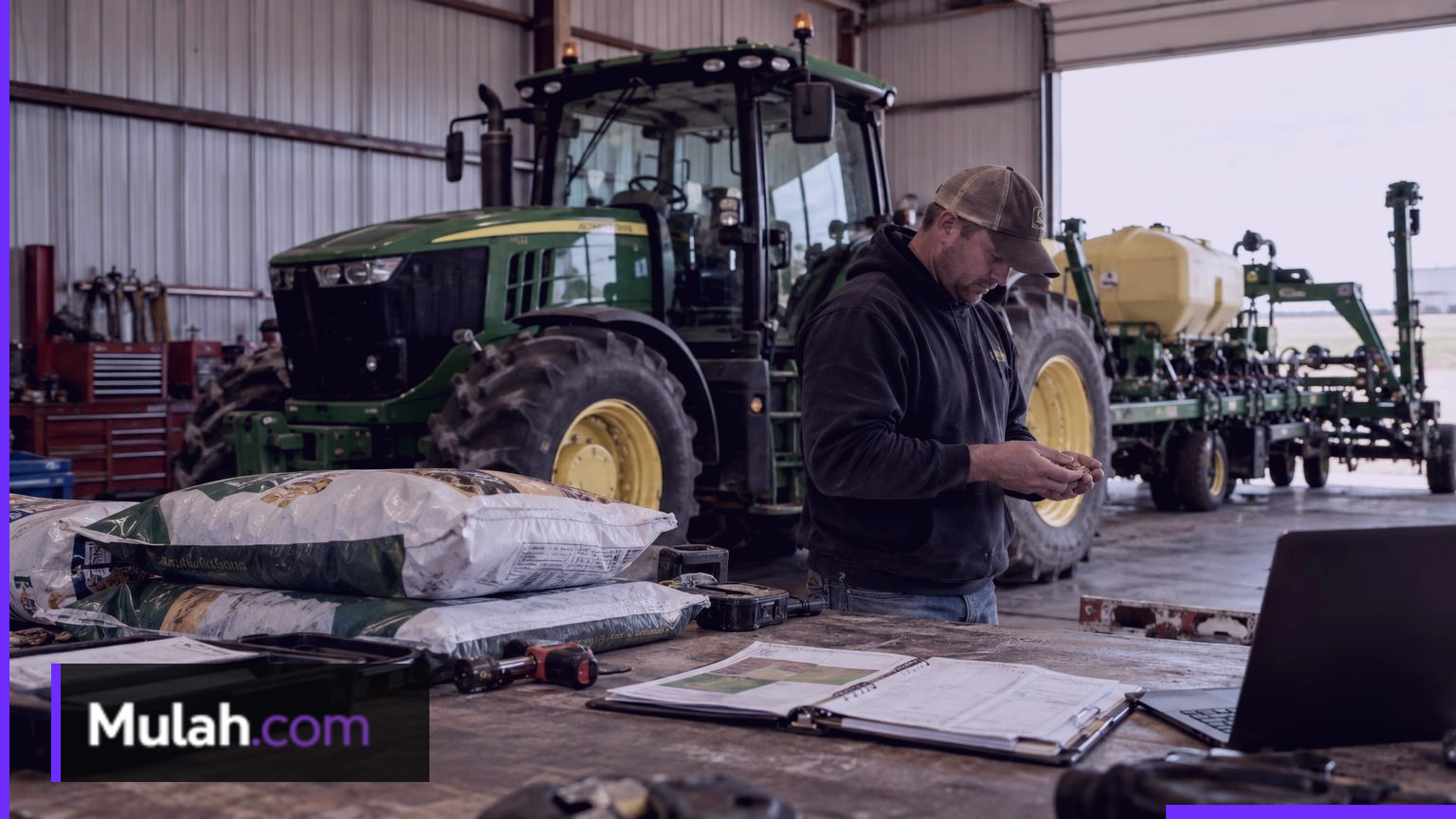
Funding inquiries are available across North Dakota, including rural farm and energy communities. You don’t need a Fargo address to explain a sound business case. Keep your legal business name, physical address, and ownership information consistent throughout the application.
A North Dakota registration does not automatically qualify a business for financing. Providers also consider where you operate, your industry, business history, and financial records. If your company is registered elsewhere but works in North Dakota, describe that arrangement accurately.
State registration, tax compliance, and financing approval are separate matters. For multi-state businesses, be ready to explain where employees, equipment, and customers are located. That keeps basic verification from distracting from the financial discussion.
Build your financing request around the actual gap in your cash cycle. These common situations call for different repayment schedules and different levels of caution.
Map input purchases against expected crop or livestock receipts. If most income arrives in a narrow window, frequent withdrawals during the production season could strain cash even when the year looks profitable.
Use the contract’s billing terms and the customer’s payment history to estimate the gap. Include travel and crew costs through collection, not just through the last day on the job.
Count the time materials spend in production and finished goods spend awaiting payment. A growing order book can consume cash quickly if deposits are small and customers pay after delivery.
Stock and staffing decisions often precede peak demand. Size the financing against a conservative sales forecast, and leave enough of the season’s receipts to cover the slower months.
Fuel, driver pay, and repairs don’t wait for freight invoices to clear. Distinguish a recurring receivables gap from a major repair that needs a longer financing period.
An offer’s headline amount tells you little about its fit. Begin with what the money will do, then choose the structure that gives your business enough time to recover the cost.
A term loan gives a project a defined financing period. Include installation, permits, and the time it takes new capacity to generate revenue in your budget. Borrowing only for construction while overlooking the opening months can leave the project short of cash.
Working capital financing addresses expenses such as inventory and payroll. The amount should reflect the gap between payments out and receipts in, rather than every expense on your income statement. A recurring gap may warrant a revolving facility instead.
Revenue-based financing uses business receipts in its structure. Don’t assume payments automatically fall when sales decline. Read the collection method, reconciliation procedure, and total required remittance before deciding how it would behave during a slow month.
Accounts-receivable financing deserves attention when completed work has produced eligible unpaid invoices. Customer creditworthiness, invoice disputes, fees, and who handles collection matter. Purchase-order financing addresses a different stage, before an order is fulfilled.
Related Mulah resources include working capital funding, business lines of credit, equipment financing and leasing, term funding, SBA loans, revenue-based financing, startup funding, accounts receivable financing, and the business funding calculator.
Two offers for the same amount can place very different demands on your bank account. Put these details side by side before choosing.
Separate the stated funding amount from the cash you receive after withheld fees or existing balances are paid off. Then total every required payment. A factor rate is not an APR, so don’t treat the two as interchangeable.
Translate daily or weekly collections into the amount leaving your account during an ordinary month and a weak one. Use a business funding calculator as a planning aid, not a substitute for the written payment schedule.
Early repayment does not always reduce the total charge. Read payoff provisions alongside personal guarantees, liens, default terms, and collection authorizations. If another advance or loan already draws from your receipts, include it in the same cash forecast.
The amount that looks attractive on an offer is not always the amount that makes sense to take. Tie the request to a real expense, a realistic payoff period, and the cash the business can still live on if a customer pays late or a strong month comes in softer than expected.

Bring the expense, your recent financial records, and an honest account of what you already owe. Mulah can help you work through funding structures and the information needed for an application. Keep the discussion grounded in your business’s cash cycle rather than the largest advertised amount.
An offer is worth considering when its cost and collection schedule leave your business stronger after the expense is paid. If the payments would consume your operating cushion, reducing the request or delaying the project may be the better decision. You don’t have to borrow the full amount offered.
When you’re ready to proceed, use the application to present a clear financial picture. Complete information is more useful than a rushed submission with missing records.
Write down the expense, when payment is due, and how the business will recover the money. Subtract cash you can safely contribute without leaving essential bills uncovered.
Use Mulah’s online application and provide the requested records. Disclose existing financing and explain seasonal revenue so the request reflects how your business actually operates.
Check net proceeds, total cost, payment timing, and security requirements. Get answers to unresolved questions in writing. Approval and deposit timing vary with the product, verification, and banking process.
Provide the business and financial information needed for a funding review.
Start with a shorter path when you want to discuss the business need before completing the full application.
Review official SBA information about federal small-business loan programs and lender participation.
Official guidance on financial management, cash flow, bookkeeping, and business planning.
Use the official source for current program, regulatory, or business guidance related to this topic.
Use the official source for current program, regulatory, or business guidance related to this topic.
Agriculture, energy services, manufacturing, transportation, healthcare, hospitality, retail, and other business sectors have financing options. Eligibility is specific to the provider and product. Your revenue, financial history, intended use, and ability to make payments matter more than an industry label alone.
Businesses across all 53 counties can submit an inquiry, including those in remote agricultural and oilfield communities. Be ready to document your physical location and business activity. Statewide availability does not mean every applicant or funding product will qualify.
Timing varies with the funding structure and how quickly required information can be verified. A straightforward revenue-based request may move differently from an SBA or equipment transaction. If a bill has a firm deadline, state that upfront and don’t commit to spending until funding is confirmed.
Not every product requires excellent credit, but credit history may still be considered. Business receipts, cash flow, and existing debt also matter. Before authorizing an application, find out whose credit will be checked and whether the inquiry will be soft or hard.
That varies by agreement. Equipment often secures equipment financing, while other products may involve a business lien or personal guarantee. A product described as unsecured does not necessarily eliminate personal liability or every security interest. Read the actual documents rather than relying on a headline.
Funding is tied to documented business revenue, with repayment or remittance governed by the contract. Some arrangements use a percentage of receipts; others collect scheduled amounts with a reconciliation process. Establish how adjustments work, what records you must supply, and whether the arrangement is legally a loan or receivables purchase.
Farm and agribusiness financing is available through several channels, including agricultural lenders and USDA programs. Revenue-based providers have their own eligibility rules. For a seasonal farm, the important test is whether payments fit the months when cash actually arrives, rather than an average monthly revenue figure.
Potentially. A provider will want to understand the contract value, your costs, billing milestones, customer payment history, and other commitments. Calculate the cash needed through collection. Financing a contract with too little margin can leave you busy without leaving enough cash to repay the funding.
Sometimes, but grants usually have specific eligibility rules, approved purposes, and application windows. They aren’t a dependable substitute for cash needed immediately. Verify the award terms, including matching funds or reimbursement requirements, before building a project budget around grant proceeds.
An SBA guarantee supports the lender on an eligible loan; it does not replace underwriting or turn the loan into a grant. SBA programs have their own rules. Conventional loans follow the lender’s requirements without that federal guarantee, and either route can involve collateral or guarantees.
General working capital financing may cover payroll and other business expenses, while equipment-specific financing is tied to an asset purchase. Government-backed programs also have use restrictions. State both needs upfront so you don’t accept a product that cannot cover the expenses you intended.
Disclose it before seeking additional capital. Existing agreements may restrict further borrowing, and another payment can strain cash flow even if you qualify. Any refinancing proposal should show the old payoff amount, new net cash received, fees, and the total cost from that point forward.
Some financing routes serve startups, but revenue-based products generally require an operating sales history. Equipment-backed financing, owner investment, and certain startup loan programs have different requirements. A detailed budget and credible sales plan are important, but projected revenue is not the same as demonstrated receipts.
Request enough to cover a documented need and a reasonable allowance for uncertainty, not simply the maximum available. Test the payments against a slower sales period. If the plan works only when every customer pays on time and every forecast is met, reduce the amount or rethink the project.
Start with the need, the amount, and the timing. Mulah can help you review possible business funding options before you decide whether to move forward.
Call 877-816-8524