Revenue and Cash Flow
Recent deposits show activity, but providers also need to understand margins, seasonal swings, and cash left after expenses. Explain unusual months rather than leaving the numbers to tell an incomplete story.
A new machine won't improve cash flow if its payments arrive before the work does. Machinery business funding should fit how you buy materials, schedule production, and collect from customers. Mulah helps you consider small business loans and other financing structures with those realities in mind, so your next purchase or contract doesn't leave the rest of your business short of cash.
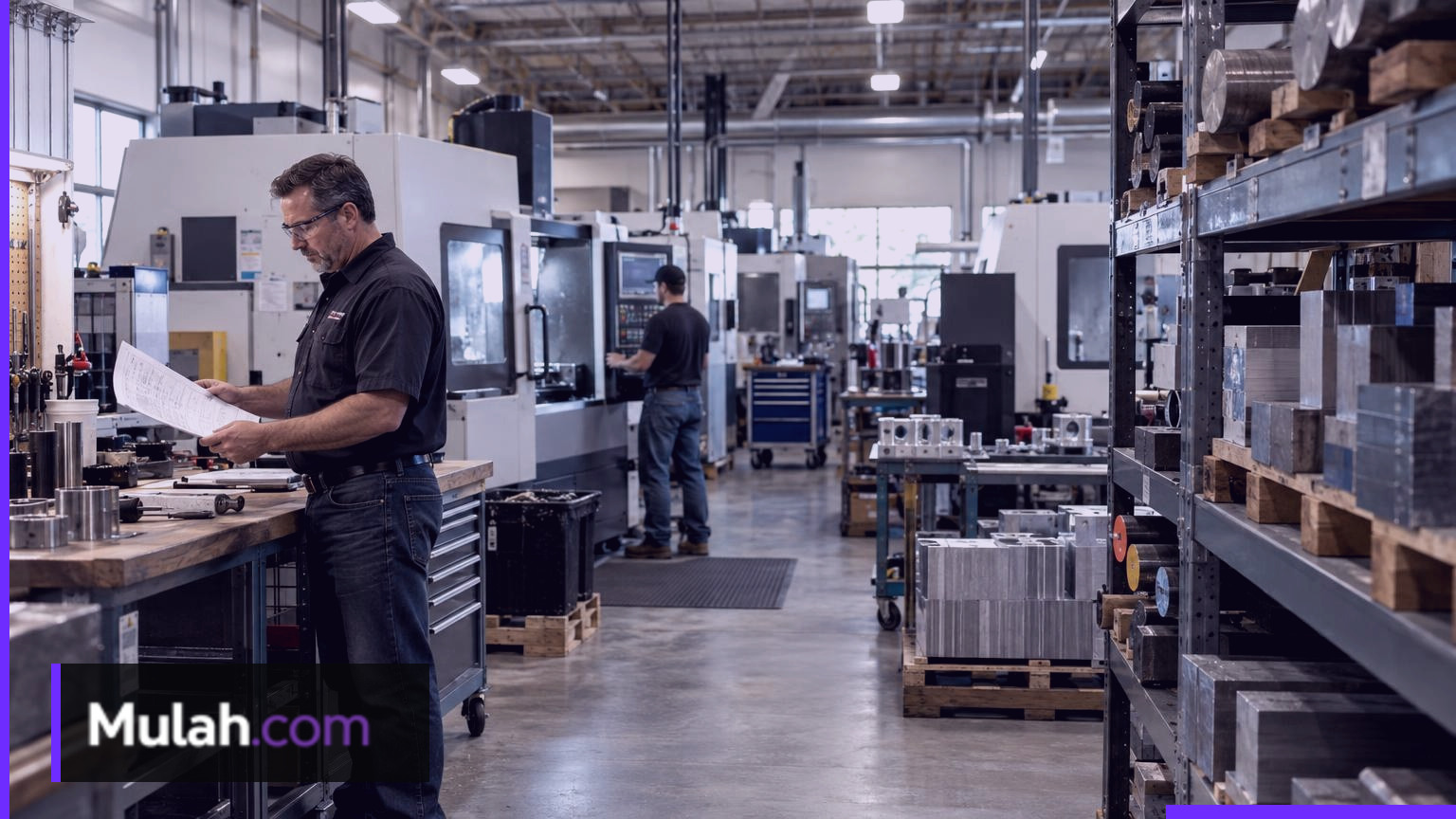
A machinery business can have a full order book and very little available cash. Steel arrives before production begins. Payroll comes due while a machine is being calibrated. A completed job may sit unpaid through a customer's approval process. Financing is most useful when you know which of these gaps you're trying to close.
Separate the purchase from the operating cash it will consume. A machining center may require electrical work, freight, rigging, software, and operator training before it produces a saleable part. Financing only the equipment price can leave you searching for more money during installation.
Mulah's small-business funding guide provides a starting point for understanding the available structures. Availability, eligibility, pricing, and timing vary by provider and application; no product or funding date is assured. Use the guidance here to judge an actual offer against your business's cash flow.
A larger contract can increase your cash requirement before it increases your bank balance. More units mean more material purchases and work in progress. If the buyer pays after delivery, your business finances that production period even when the order is profitable on paper.
Calculate the cash contribution from the added work after direct production costs, then account for financing payments and additional overhead. Don't count the full invoice value as money available for repayment. The same receipts still have to support the next job and the ordinary costs of keeping your doors open.
Customer concentration also matters. If one buyer supplies much of your revenue, a delayed payment or reduced order can affect several financing commitments at once. A practical funding plan leaves a cash reserve and doesn't treat an unconfirmed reorder as certain income.
Small business loans are one part of the funding market. Credit lines, leases, and revenue-based arrangements have different mechanics. This comparison focuses on what each structure is suited to, not a claim that every option is available to every applicant.
| Option | Often considered for | How to think about it |
|---|---|---|
| Term Loans | A defined investment with a known budget and a credible repayment forecast. | An upfront amount repaid over a set term. Interest, fees, collateral requirements, and payment frequency vary. |
| Working Capital | Materials, payroll, and other operating costs before customer cash arrives. | Funding for operating needs, often through a loan or another short-term structure. Check the specific repayment schedule. |
| Business Line of Credit | Recurring gaps whose size changes between production runs. | Draw funds within an approved limit. Reborrowing, draw fees, renewal rules, and payments follow the agreement. |
| Equipment Financing or Leasing | Machinery and related equipment with a useful life beyond the immediate production cycle. | A loan generally finances ownership; a lease provides use under contractual terms, with any purchase option stated separately. |
| SBA Loans | Eligible businesses planning equipment purchases, expansion, or other qualifying business uses. | Participating lenders issue loans supported by an SBA guarantee. Program rules, underwriting, and documentation apply. |
| Revenue-Based Financing | Businesses with documented revenue and enough cash margin to support collections. | Payments or receivable purchases are linked to revenue under the contract. Legal structure and collection methods vary. |
Build a complete project budget before requesting equipment financing or leasing. Include delivery, rigging, foundation work, electrical upgrades, tooling, software licenses, and initial maintenance. Find out which expenses an offer covers and which you must pay from cash.
Used machinery deserves a separate inspection and support check. Service records, controls, replacement-part availability, and remaining useful life affect its value to your shop. A low purchase price loses its appeal if repairs interrupt production or the machine can't hold the tolerances your customers require.
With a lease, read the end-of-term provisions before signing. Returning the machine, renewing the agreement, and buying it can carry different costs. For either a loan or lease, budget for the period between delivery and reliable production. Payments may begin before the equipment earns revenue.
A business line of credit can suit a shop whose material bills rise and fall with orders. Draw what you need for a production run rather than borrowing the full annual requirement at once. Keep a schedule showing which expected receipts will repay each draw.
A line that stays fully drawn deserves attention. The cause could be longer customer payment times, excess inventory, or prices that no longer cover costs. More available credit won't resolve a persistent operating loss. Fixing the underlying problem protects the borrowing capacity you need for genuine timing gaps.
For a single, budgeted operating need, working capital loans offer another structure to consider. Put the total cost and payment schedule beside the line-of-credit terms. Unused-line fees, draw charges, and renewal conditions can matter as much as the quoted rate.
If your work is delivered and the invoice is valid but unpaid, accounts-receivable financing may be relevant. The provider will examine the invoices and the customers responsible for paying them. Customer disputes, offsets, and acceptance conditions can affect eligibility.
Understand who contacts your customer, where payment must go, and who bears the loss if the invoice isn't paid. Fees may increase with the time an invoice remains outstanding. Also check whether an existing lender already holds a lien on your receivables.
An unfulfilled purchase order isn't an invoice. Purchase-order financing, where available, concerns the cost of fulfilling qualifying orders and has its own supplier and transaction requirements. For a machinery business doing substantial in-house fabrication, it isn't automatically a substitute for ordinary working capital.
Your application should explain both how the business earns money and how it will make the proposed payments. There isn't one universal approval threshold across funding products.
Recent deposits show activity, but providers also need to understand margins, seasonal swings, and cash left after expenses. Explain unusual months rather than leaving the numbers to tell an incomplete story.
An operating history provides evidence of customer demand and payment performance. If your business is newer, relevant management experience and a credible launch budget become especially important.
Business and personal credit may be considered. Know what's on your reports, address errors, and be ready to explain significant issues without assuming one score determines every outcome.
Disclose balances, leases, advances, and required payments. Existing liens can affect new financing even when you're current on every obligation.
For equipment-backed funding, provide the machine's specifications, price, age, and condition. Ownership records and existing liens matter when assets are offered as security.
Connect the requested amount to quotes, operating expenses, or a defined project. A specific budget is more useful than a broad request for money to grow.
Gather current records before applying. Requirements differ, but these seven groups of documents cover the questions machinery businesses commonly need to answer.
Give each dollar a job before you borrow it. The agreement controls what the money can be used for, so your budget should line up with the funding you accept.
Weigh repair history and lost production against replacement payments. Include the cost of shifting work during removal and installation.
Tie purchases to order quantities and production dates. Speculative inventory ties up cash without a dependable customer payment behind it.
Bridge a documented gap between labor costs and collections. Recurring payroll shortages without a repayment source call for an operating change.
Tooling, fixtures, inspection equipment, or software may relieve a bottleneck at lower cost than another major machine. Measure the expected benefit.
Budget site work, utilities, moving, and downtime. Check lease permissions and project timing before committing to financed improvements.
Planned repairs and essential maintenance can protect revenue. Keep routine maintenance in your operating budget rather than treating every service bill as an emergency.
These are planning situations, not customer success stories. Each calls for a different test before financing makes sense.
Calculate the extra material, labor, and outside-service costs before accepting. Negotiate a deposit or progress payments where practical. Borrow only after showing that the order's margin covers financing and the rest of the job.
Price repair, replacement, and temporary subcontracting. The fastest equipment purchase isn't always the least disruptive choice. Include lost output and lead time in the decision, not just the monthly payment.
Get a realistic collection date and determine whether the invoice is disputed. A short-term bridge is easier to justify for a temporary delay than for a customer whose ability to pay is uncertain.
Don't let an attractive price replace due diligence. Verify condition, ownership, moving costs, and service support. If you lack enough profitable work for it, financing a bargain still creates an unnecessary payment.
Test demand and staffing before treating existing machine capacity as free expansion. Added supervision, maintenance, and working capital can absorb much of the revenue gain. Build the schedule around signed work and realistic hiring.
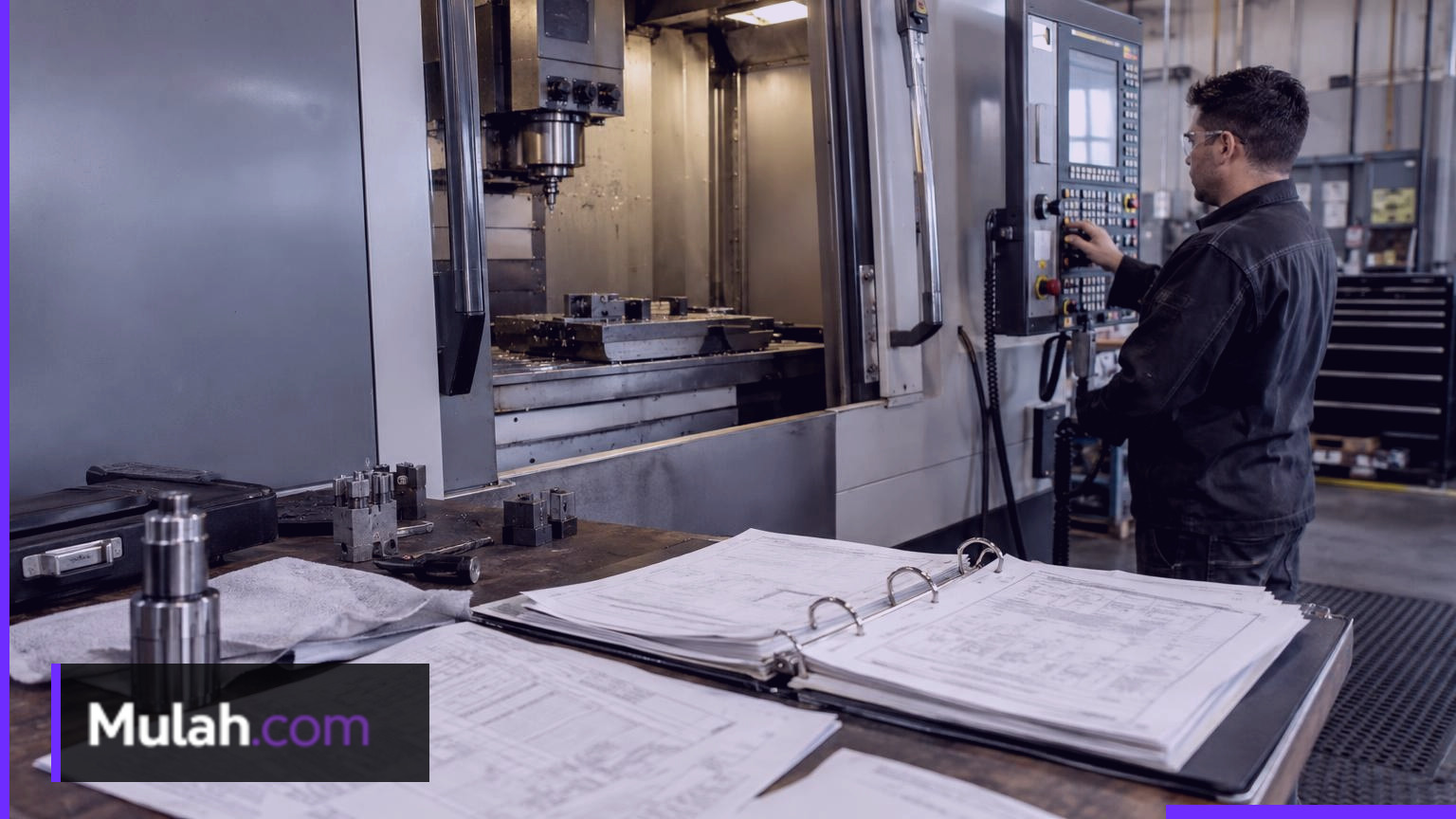
Before adding debt, map what your current financing already covers. Your credit line might be paying for raw materials while an advance is being collected from the same customer receipts. Adding another payment without changing that pattern can turn a temporary shortage into a recurring one.
List each balance, payment schedule, remaining term, and any collateral pledged. Note personal guarantees and automatic withdrawals as well. A monthly payment looks different in practice from deductions taken every business day, especially when your customers pay in large, uneven amounts.
Refinancing deserves its own calculation. A smaller payment may come from stretching repayment over a longer period rather than reducing cost. Get a written payoff figure for existing debt and account for new fees before deciding that replacing one obligation with another improves your position.
Your borrowing need often changes as a job moves through the shop. A simple timeline exposes the weeks when cash is most likely to run short.
Include setup time, scrap allowance, outside processing, and freight in the quote. If the margin is thin before financing costs, borrowing won't fix it. A customer deposit or progress billing may reduce the amount you need to finance.
Specialty stock or imported components may require payment well before production. Put supplier due dates beside the expected production schedule. Don't assume supplier terms will extend just because your customer's payment terms are longer.
Labor, consumables, heat treatment, and finishing bills continue while work is in progress. Leave room for rework and inspection delays rather than building a borrowing plan around every job finishing exactly on schedule.
Shipment may not be enough to start the customer's payment clock. Acceptance testing, documentation, or delivery confirmation can matter. Resolve those requirements before treating the invoice date as a dependable source of repayment.
A customer with 30-day terms may routinely pay later. Forecast from your collection records, not just the contract. Once the money arrives, account for the next production run before committing all available cash to debt reduction.
Equipment financing isn't the answer to every machinery-business expense. These alternatives serve different purposes, and the right choice should reflect how the money will return to your business.
A term loan provides a lump sum repaid over an agreed period. It can suit a planned facility improvement or expansion with a clear budget. Match the payment schedule to a conservative forecast, not the highest sales month you expect.
SBA financing may support eligible equipment purchases, working capital, or broader expansion through participating lenders. Expect substantial documentation and underwriting. The SBA guarantees a portion of eligible loans; it doesn't replace the lender's credit decision.
Revenue-based financing ties repayment or purchased-receivable collections to business revenue under the agreement. These arrangements aren't necessarily conventional loans. Examine how collections work, including any reconciliation rights, and what frequent withdrawals would leave available for production.
Startup funding requires a different case from financing an operating shop. Without a trading history, your experience, owner investment, projections, and equipment plan carry more weight. Avoid building the launch budget around borrowing you haven't secured.
Related Mulah resources include working capital funding, business lines of credit, equipment financing and leasing, term funding, SBA loans, revenue-based financing, startup funding, accounts receivable financing, and the business funding calculator.
The approved amount isn't the decision. The decision is whether the funding leaves your business better able to meet its commitments.
Another machine adds little if quoting, skilled labor, inspection, or sales is the limiting factor. Measure where jobs actually wait. Sometimes a fixture, maintenance project, or scheduling change produces a better return than a major equipment purchase.
Test the proposed payments against a delayed customer invoice or a quieter order book. Use the business funding calculator as a planning aid, then reconcile the result with the offer's actual fees and collection schedule.
Understand cancellation costs, late-payment consequences, and early-payoff terms. For secured funding, know which assets are covered by the lien. A plan that works only if nothing goes wrong leaves little room to run the business.
The amount that looks attractive on an offer is not always the amount that makes sense to take. Tie the request to a real expense, a realistic payoff period, and the cash the business can still live on if a customer pays late or a strong month comes in softer than expected.

Mulah can help you frame a request around the expense you're financing and the way your business collects cash. A machine quote, current debt schedule, and short cash-flow forecast make that conversation more useful than a rounded funding target.
Use the funding process guide to understand the next steps. Keep your decision grounded in the written offer: proceeds available after fees, payment frequency, total repayment, collateral, and any personal guarantee.
When your budget and records are ready, submit a funding application. Request an amount you can explain and support, with enough room for realistic project costs rather than an optimistic estimate.
State what you're buying or paying for, the amount required, and the relevant deadline. Separate equipment costs from the cash needed to keep production running.
Make sure the application, bank statements, and financial reports tell the same story. Explain recent changes in ownership, sales, or debt early to reduce avoidable follow-up.
Check costs and obligations against your forecast. At submission, read the contact-consent and privacy language, including automated calls or texts. Consent isn't required to obtain goods or services and can be withdrawn; message and data rates may apply.
Provide the business and financial information needed for a funding review.
Start with a shorter path when you want to discuss the business need before completing the full application.
Review official SBA information about federal small-business loan programs and lender participation.
Official guidance on financial management, cash flow, bookkeeping, and business planning.
Use the official source for current program, regulatory, or business guidance related to this topic.
Use the official source for current program, regulatory, or business guidance related to this topic.
Possible structures include term loans, working capital funding, credit lines, equipment loans or leases, SBA loans, and revenue-based financing. The appropriate choice follows the expense and repayment source. Financing a machine over its useful life is different from bridging a customer invoice.
Some providers finance used equipment. Expect questions about age, condition, value, and service support. Get the machine's specifications and a reliable quote, and find out whether inspection or appraisal costs fall to your business.
Some agreements include eligible delivery, installation, or related expenses; others don't. Give the provider an itemized project budget. You need to know which costs require cash before signing the purchase agreement.
There isn't a reliable approval window for every application. Product type, documentation, underwriting, and equipment details affect timing. Don't commit to a supplier deadline based solely on an initial conversation or preliminary indication.
A line often suits recurring needs that vary in amount. A loan may fit a single, defined expense. Look at draw rules, fees, and payment timing alongside total cost, especially if your customers pay unevenly.
A new shop has fewer operating records to support an application. Owner credit, industry experience, available investment, and the business plan may carry more weight. Equipment financing and SBA eligibility still require an individual underwriting decision.
Requirements vary. Equipment financing commonly involves a security interest in the financed asset, and other funding may involve broader liens or personal guarantees. Read exactly what is pledged and what you would owe personally.
Working capital products may cover those expenses when allowed by the agreement. Calculate when customer receipts will replenish the cash. Borrowing repeatedly for ordinary expenses without enough margin to repay is a warning sign.
Put the amount you actually receive beside total required payments and all fees. Note payment dates and frequency. A factor rate isn't an interest rate or APR, so don't treat differently quoted prices as directly interchangeable.
No. Savings depend on the agreement's pricing and payoff provisions. Request an explanation of early-payoff treatment before signing, including any discount, minimum charge, or prepayment penalty.
Existing debt doesn't automatically rule out another application, but its payments and liens matter. Provide a complete debt schedule. A new provider may need an existing lien released or subordinated before proceeding.
No. Eligible uses vary by program. The SBA's 7(a) loan program includes several business purposes, while other programs have different requirements. The participating lender determines whether your request meets its standards and program rules.
Include appropriate guarding, installation work, and operator training rather than treating them as optional extras. OSHA's machine-guarding guidance is a useful reference. Requirements should be assessed for your particular machinery and workplace.
Pause if you can't explain how the funding will be repaid, if demand is still speculative, or if payments would consume your cash reserve. A smaller purchase, customer deposit, repair, or staged expansion may leave your business in a stronger position.
Start with the need, the amount, and the timing. Mulah can help you review possible business funding options before you decide whether to move forward.
Call 877-816-8524