Revenue Quality
Show where deposits come from and whether sales recur. Customer receipts, transfers between accounts, and loan proceeds aren't the same thing, even when they all appear as bank deposits.
A large order isn't much of an opportunity if you can't cover materials and payroll before the customer pays. Pennsylvania business funding should solve that timing problem without creating a bigger one. If you're researching Small Business Loans in Pennsylvania, Mulah can help you understand the choices, including small business loans and revenue-based capital, which isn't necessarily a conventional loan.

Put a dollar amount and a deadline on the need before you apply. A contractor waiting for a progress payment might need enough to cover two payrolls. A food processor replacing a packaging line needs a longer financing horizon. Those are different transactions, even if both owners call them working capital.
Separate the immediate bill from the underlying issue. If a reliable customer pays in 60 days and your suppliers require payment in 30, financing can bridge a defined gap. If each job loses money, more capital postpones the problem while adding another expense.
At Mulah, the useful conversation begins with how your business earns money and when that money reaches your account. Bring the amount you need, the intended use, and what you already owe. Those details are more useful than choosing a product solely because its advertised approval process sounds easy.
Pennsylvania's manufacturing businesses often pay for materials, labor, and production before collecting from buyers. A purchase order signals demand, but it doesn't put cash in the bank. The financing question is how long you must carry those costs and how much margin remains after funding expenses.
Agriculture and food processing bring a different calendar. Inputs, equipment repairs, and harvest-related expenses can arrive before seasonal receipts. Transportation businesses face frequent fuel and payroll bills while waiting on invoices. These cash cycles deserve more attention than a generic statewide approval claim.
The state also offers business-support and financing programs with specific purposes. The Pennsylvania Department of Community and Economic Development program directory is a useful official resource. Technology businesses may also investigate Ben Franklin Technology Partners, while agricultural operators may consider USDA programs. Public assistance isn't interchangeable with unrestricted working capital.
Small business loans aren't all structured alike, and some business funding isn't a loan at all. Use this comparison to narrow the field by purpose and payment structure before weighing individual offers.
| Funding type | Often considered for | How to think about it |
|---|---|---|
| Term Loans | A defined purchase or expansion with a measurable budget and a repayment period suited to the investment. | A lump sum repaid over an agreed term. Interest, fees, security, and payment schedules are set out in the agreement. |
| Working Capital | Payroll, inventory, supplier bills, and other near-term operating needs with an identifiable source of repayment. | Describes the use of funds rather than one legal product. Funding may take the form of a loan, line, or advance. |
| Business Line of Credit | Recurring cash gaps where the amount and timing change throughout the year. | Draw against an approved limit. A revolving line generally restores availability as principal is repaid, subject to its terms. |
| Equipment Financing or Leasing | Machinery, vehicles, production equipment, and other identifiable business assets. | A loan finances ownership; a lease provides use under a contract. The equipment commonly secures the financing. |
| SBA Loans | Eligible businesses seeking financing for approved purposes and able to complete lender and program requirements. | Participating lenders make loans backed in part by an SBA guarantee. The business remains responsible for repayment. |
| Revenue-Based Financing | Revenue-producing businesses considering capital tied to future receipts rather than a conventional installment loan. | An agreement may purchase future receivables or use another revenue-linked structure. Collection methods and adjustment rights require close attention. |
An SBA-backed loan deserves consideration when you have a substantial, planned financing need rather than an immediate cash emergency. Eligible uses can include working capital, equipment, and certain business acquisitions or real estate transactions. The exact program and lender determine what is available.
The SBA generally guarantees a portion of a participating lender's loan; it doesn't erase your repayment obligation. Expect the lender to examine cash flow, credit, ownership, and the proposed use. Guarantees and collateral requirements follow applicable program and lender rules.
Read the SBA's official 7(a) loan guidance for the federal framework. Mulah's SBA financing overview provides another starting point. Give yourself enough time to assemble financial statements and answer follow-up questions rather than counting on a deadline the lender hasn't committed to.
Learn about SBA funding with Mulah and review current program information at SBA.gov.
A machine should earn its keep beyond the first few months. Match the financing period to how long you expect to use it, and budget for freight, installation, training, maintenance, and any production downtime. A low equipment price doesn't necessarily mean a low total project cost.
With equipment financing and leasing, ownership and end-of-term terms matter as much as the payment. Determine who owns the asset, whether a purchase option applies, and what happens if you need to replace it early. Avoid using short-term funding for a long-lived asset without a credible payoff plan.
A business line of credit can suit recurring inventory purchases or uneven customer collections. Borrowing only what you need gives you more control than taking a large lump sum for an uncertain future expense. Availability still follows the agreement, including renewal and draw conditions.
Watch how often the balance returns to a manageable level. If it never falls because routine expenses consistently exceed receipts, the line is covering a structural shortfall. Also account for draw fees, unused-line fees where applicable, and any change in payments when a promotional or draw period ends.
See Mulah's business line of credit overview for more detail.
There is no single statewide credit score or revenue threshold for business financing. A complete application should make these six parts of your business easy to follow.
Show where deposits come from and whether sales recur. Customer receipts, transfers between accounts, and loan proceeds aren't the same thing, even when they all appear as bank deposits.
An operating history gives the provider evidence of ordinary and difficult months. If your company is new, explain the owners' experience and the assumptions behind the sales forecast.
Show what remains after payroll, suppliers, rent, taxes, and other routine bills. Strong sales don't support another payment if the business keeps little cash from them.
List loans, leases, advances, and credit lines with their balances and payment schedules. Existing liens or financing agreements may limit additional borrowing.
Credit standards vary, and a provider may examine business or personal credit. Explain unusual overdrafts or returned payments with dates and supporting records rather than leaving the cause unclear.
Describe what you sell and exactly how you'll spend the funds. Industry restrictions, licensing requirements, and product rules can affect eligibility even when revenue is healthy.
The requested package varies by product. Organize the records below before applying so you can respond without interrupting daily work.
A useful funding request connects the expense to a business result. These are common purposes, subject to the product's spending terms.
Cover a defined interval before an expected customer payment. Include payroll taxes and benefits in the amount, and stress-test the plan if that customer pays later than promised.
Finance stock with a credible sales history or committed orders. A bulk discount is worthwhile only if storage, spoilage, financing costs, and the time to sell don't consume the savings.
Tie the request to the job budget and payment milestones. Retainage, change orders, and acceptance requirements can leave a contractor waiting longer than the headline payment terms suggest.
Weigh the repair bill against lost production and the cost of replacement. For a major purchase, obtain a written quote and a realistic installation schedule before committing to financing.
Fund expenses that precede your busy period, such as agricultural inputs or hospitality staffing. Base repayment on a conservative season, not the strongest year you've ever had.
Budget renovations, hiring, and the cash needed before new sales stabilize. A second location or added production shift can consume working capital even after the initial buildout is paid for.
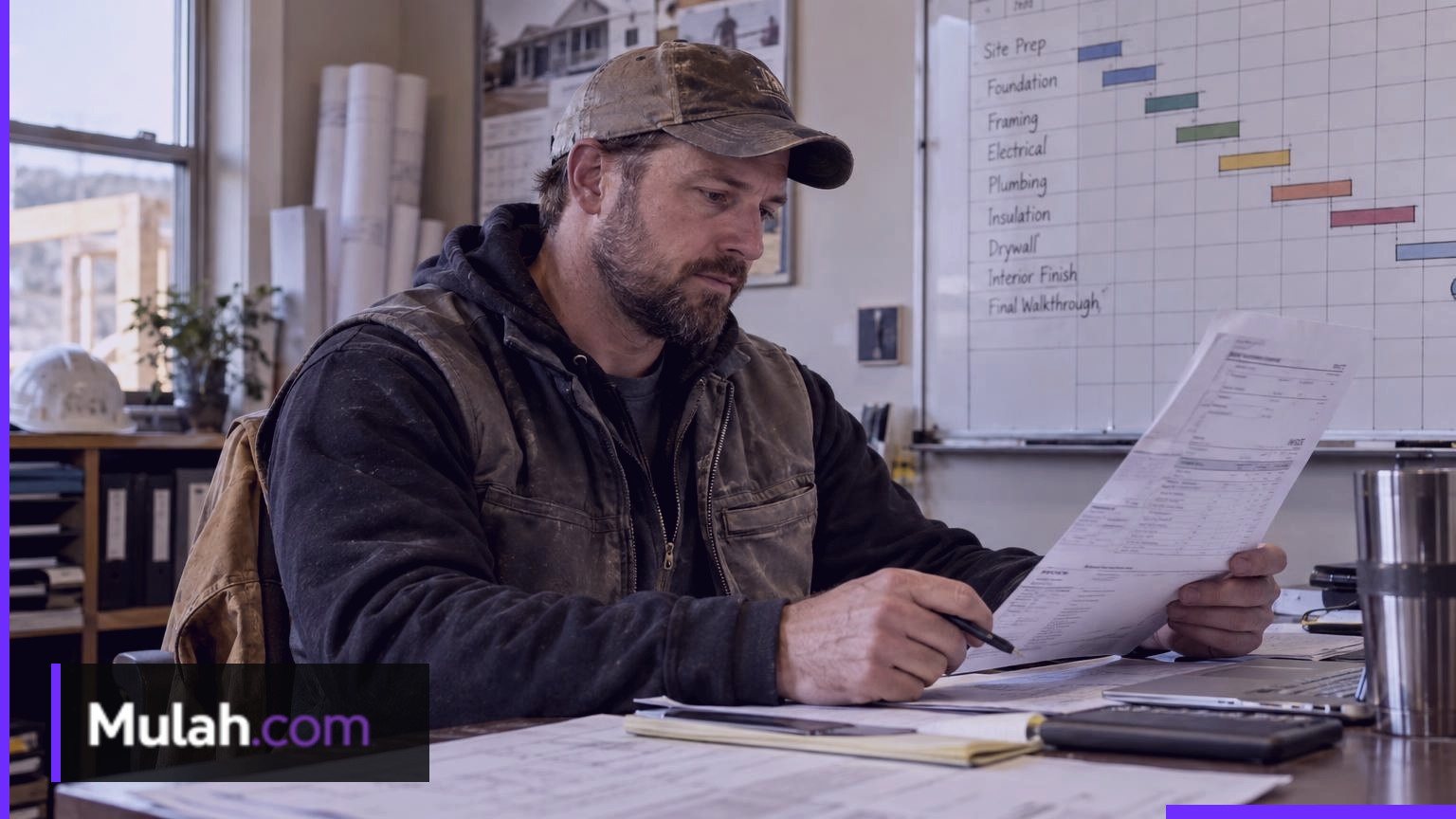
Your business address establishes where you operate, not whether you qualify. A Pennsylvania registration, an EIN, and an active bank account are basic records. A funding provider still needs to understand the business, its ownership, and the source of future payments.
Keep your legal name consistent across your registration, bank statements, tax records, and application. If you trade under another name, make that connection clear. Small discrepancies can slow a file that would otherwise be straightforward.
Licenses and insurance also matter when they're required for your work. A contractor, healthcare practice, or transportation company should have current operating records ready. Serving Pennsylvania doesn't mean every product is available to every industry; product eligibility still applies.
Map a normal operating cycle before choosing a payment schedule. The important dates are when you spend, when you earn, and when the customer actually pays.
Inventory deposits, seed purchases, and advance material orders tie up money before there is a completed sale. Use realistic sales timing rather than assuming every item will sell immediately.
A manufacturer or contractor can have profitable work underway and still run short of cash. Include the full labor period, subcontractor bills, and overhead through completion, not just the initial purchase.
Payment terms, customer approval procedures, and disputes affect when you get paid. If invoices drive the gap, accounts-receivable financing deserves attention alongside general working capital.
Daily or weekly withdrawals can be difficult when receipts arrive in large monthly batches. Calculate the lowest expected bank balance between collections, including financing payments and routine bills.
Name the source of repayment: collected invoices, seasonal sales, or ongoing operating cash. A plan that requires another advance before the first one ends deserves a harder look.
A specialized product can be a better fit when a specific asset or transaction supports the funding.
If creditworthy business customers owe you money, accounts-receivable financing may address the gap directly. Understand who collects from your customers, how disputes are handled, and who bears the loss if an invoice goes unpaid.
A confirmed order can create a supplier bill before you have the cash to fulfill it. Purchase-order financing focuses on eligible transactions, often involving finished goods. Product margins must absorb the financing cost, and not every order qualifies.
A business without established sales needs a different approach from one with recurring deposits. Startup funding options may involve owner investment, personal credit, collateral, or a detailed business plan. Revenue-based underwriting generally requires revenue to evaluate.
Grants typically serve a defined public purpose and carry eligibility rules, application windows, or spending restrictions. Don't put an unawarded grant into your near-term payroll plan. State development assistance and technology funding should be evaluated separately from ordinary operating credit.
Related Mulah resources include working capital funding, business lines of credit, equipment financing and leasing, term funding, SBA loans, revenue-based financing, startup funding, accounts receivable financing, and the business funding calculator.
The approved amount is only one number. These three checks reveal more about the effect on your business.
Write down what you actually receive after deductions and everything you must repay. A factor rate isn't an annual interest rate. Fees and the repayment period affect cost, so differently quoted offers need to be translated into comparable dollars and timing.
Add each required withdrawal to your cash forecast. For revenue-linked funding, read how sales are measured and how payment adjustments work. Don't assume a withdrawal automatically falls when sales decline.
Find out whether early payoff reduces the amount owed, whether there are prepayment charges, and what triggers default. Read any personal guarantee and lien provisions before signing. An unsecured label doesn't by itself describe all of your exposure.
The amount that looks attractive on an offer is not always the amount that makes sense to take. Tie the request to a real expense, a realistic payoff period, and the cash the business can still live on if a customer pays late or a strong month comes in softer than expected.

Mulah's funding resources let you move from a broad search to a specific question: do you need working capital, a term loan, or revenue-based financing? The right discussion includes your current payments and slower revenue periods, not just the amount you'd like to receive.
Use the business funding calculator for planning, then replace estimates with the figures in an actual offer. You should be able to explain the net proceeds, payment schedule, and total obligation in plain English before making a decision.
Apply when you can describe the need, support the numbers, and name a payment your business can carry. An application begins the assessment; it isn't a commitment to accept financing.
Build a short use-of-funds budget and include a reasonable cushion for the project, not an arbitrary maximum. Separate essential spending from purchases that can wait.
Use Mulah's application to provide your information. Keep supporting records available and disclose current financing so the assessment reflects what your business already pays.
Put the proposed payments into your ordinary and slow-month forecasts. Resolve unclear charges or contract terms before signing. If the payment crowds out essentials, reduce the request or choose another route.
Provide the business and financial information needed for a funding review.
Start with a shorter path when you want to discuss the business need before completing the full application.
Review official SBA information about federal small-business loan programs and lender participation.
Official guidance on financial management, cash flow, bookkeeping, and business planning.
Use the official source for current program, regulatory, or business guidance related to this topic.
Use the official source for current program, regulatory, or business guidance related to this topic.
Timing varies with the product, provider, and completeness of your file. Some online funding processes move faster than conventional lending, but an initial decision isn't the same as deposited funds. Get a realistic timeline for your application before promising a supplier or employee that money will arrive.
Personal credit matters more for some products than others. Revenue-focused providers also examine sales and banking activity, but that doesn't mean credit is irrelevant. Find out whether a credit inquiry is required and whether it is a soft or hard inquiry before authorizing it.
Not necessarily. Some agreements involve the purchase of future receivables rather than a conventional loan. The contract controls the structure, collection method, and adjustment process. Read those provisions rather than treating every offer labeled business funding as the same product.
Don't assume so. An agreement might use a percentage of receipts, estimated fixed withdrawals, or another collection method. If there is a reconciliation process, understand how to request it, what records it requires, and when an approved adjustment takes effect.
Security requirements vary. Equipment financing commonly involves the financed asset, while other products may involve broader liens or personal guarantees. A product described as unsecured can still create contractual obligations for the business or owner. Read the actual security and guarantee language.
Manufacturers can seek financing for machinery, materials, payroll, and production-related expenses. Your application should show order timing, production costs, and when buyers pay you. If a few customers account for most sales, include enough detail to explain that concentration.
The purpose matters: seasonal inputs, land, livestock, and equipment aren't the same financing need. Agricultural lenders and USDA programs deserve consideration alongside general business funding. Show the production calendar and expected receipts so the payment schedule doesn't get ahead of the season.
Working capital products often cover ordinary business expenses, but the agreement determines allowed uses. Tax arrears or overdue bills also need a realistic resolution plan. Financing one deadline won't fix a recurring shortage unless the underlying cash flow improves.
Some startup financing routes exist, but a revenue-based product generally needs sales to assess. A new company may need owner capital, a supported business plan, collateral, or financing based partly on personal credit. Don't assume an established-business offer applies to a pre-revenue startup.
Some public programs support eligible businesses, but grants usually have defined purposes and restrictions. They aren't a dependable substitute for routine operating cash. Use official program descriptions to determine eligibility and timing before spending time on an application.
Possibly, but your current payments and agreements matter. Additional financing can strain cash flow or conflict with existing lien and borrowing provisions. Provide a complete debt schedule and calculate the combined payment burden before accepting another obligation.
Sometimes. Interest-bearing loans and fixed-payback advances can treat early payoff differently. Request a written payoff calculation and read any prepayment charges or discounts. Don't assume fewer payment days automatically mean a proportionate reduction in cost.
Mulah serves businesses across all 67 Pennsylvania counties, including rural communities. Location alone doesn't establish approval. The business, intended use, financial records, and requirements of the selected product still determine whether an option is available.
Pause if repayment requires unusually strong sales, another advance, or delaying essential bills. Borrowing also deserves caution when the intended purchase has no clear return. Cutting the project size, collecting overdue invoices, or negotiating supplier terms may leave your business in a stronger position.
Start with the need, the amount, and the timing. Mulah can help you review possible business funding options before you decide whether to move forward.
Call 877-816-8524