Revenue and Seasonality
Show when customers pay you, not just annual sales. Monthly history gives context for winter slowdowns, weather cancellations, and the timing of deposits.
A new rental fleet or attraction can bring in more revenue, but the payment still comes due when weather cancels bookings. Recreational equipment financing and leasing should fit how your business actually earns money. Mulah helps you consider equipment funding alongside small business loans and working-capital options, with attention to the full project cost and the cash you need to keep operating.

A rental boat earns by the hour. A campground utility vehicle moves supplies and keeps staff productive. An arcade machine may increase spending per visit, while a dock replacement protects access to revenue you already have. Each purchase needs a business case, but not every case has to rest on direct rental income.
Put a practical measure next to each item on your list: additional bookable hours, fewer maintenance days, shorter customer lines, or lower repair costs. If you can't explain the benefit clearly, a smaller purchase or a repair may be the better use of cash.
This guidance covers commercial recreation assets and related business expenses. Personal recreational purchases are outside its scope. For the broader ownership and contract questions, Mulah's equipment financing and leasing guide provides a useful foundation.
Powersports and trail businesses face heavy wear, transport needs, and customers with different experience levels. ATVs, UTVs, snowmobiles, and dirt bikes bring supporting costs such as helmets, radios, recovery equipment, trailers, wash systems, and shop tools. Count those costs before deciding how many revenue-producing units you can afford.
Waterfront businesses have a different mix. Boats, personal watercraft, kayaks, and paddleboards may require docks, lifts, racks, motors, flotation devices, and service equipment. Weather exposure, storage arrangements, and access to repairs affect how many days each asset can stay available for paying customers.
Indoor attractions, sports facilities, campgrounds, and RV parks need their own calculations. Arcade machines, climbing equipment, inflatables, rental RVs, cabins, bicycles, and golf carts serve different demand patterns. Some purchases increase admissions; others improve guest flow or keep the property functioning. Give each category its own cost and revenue assumptions rather than applying one fleet-wide estimate.
When researching small business loans, separate the purpose of the money from the payment structure. Not every option below is a conventional loan, and a familiar product name doesn't tell you whether its payments fit a seasonal business.
| Option | Often considered for | How to think about it |
|---|---|---|
| Term Funding or Term Loans | A defined purchase or bundled project with a known budget and a useful life that supports repayment. | A lump sum repaid over an agreed period. Check payment frequency, fees, total repayment, and whether early payoff reduces the cost. |
| Working Capital | Payroll, insurance, marketing, supplies, or a documented cash gap before seasonal receipts arrive. | Funding for operating expenses rather than only a specific asset. Payment terms vary by product; don't assume payments will fall when bookings do. |
| Business Line of Credit | Recurring but uneven needs such as repairs, parts, and smaller replacements. | Access to draws within an approved limit. Available credit, draw fees, interest, and repayment requirements are governed by the agreement. |
| Equipment Financing or Leasing | Identified commercial assets with documented costs and an appropriate service life. | Financing generally supports ownership with the asset securing the debt. Leasing provides use under specified terms, including any return obligations or purchase option. |
| SBA Financing | Eligible businesses considering equipment, expansion, or other qualifying business costs and able to complete lender underwriting. | SBA loans are made through participating lenders under program rules. The SBA guarantee protects the lender, not your business from repayment. |
| Revenue-Based Financing | Businesses with established receipts that can support the proposed collection schedule. | Revenue-based financing terms differ. Understand purchased-receivables provisions where applicable, collection frequency, and any process for adjusting payments when revenue changes. |
Track revenue days, repair bills, downtime, and customer complaints by unit. An older machine with reliable service may be cheaper to keep than a newer one that repeatedly misses peak bookings. Maintenance records also help distinguish a one-time repair from a recurring failure.
Standardizing equipment can simplify parts inventory and staff training. A mixed fleet can still make sense when customers need different sizes, skill levels, or price points. Know why each class exists. Premium units should justify their higher cost; utility and rescue units should have a clear support role.
A rolling replacement schedule often creates less financial strain than buying an entire fleet at once. Estimate likely resale proceeds conservatively, and don't count on a sale before it happens. If several units are aging together, prioritize safety, reliability, and lost booking revenue rather than appearance alone.
Build a month-by-month forecast showing customer receipts and the bills you actually pay. Include rent, payroll, insurance renewals, storage, winterization, existing debt, and the proposed obligation. A profitable year on paper can still leave you short when equipment deposits come due before the season opens.
Treat customer deposits carefully. Money collected for future reservations may be refundable, and the trip still has costs when it takes place. Don't count the same deposit once as equipment cash and again as the money that will pay guides, fuel, or refunds.
Then run a weaker season: fewer operating days, a delayed opening, or one important unit out of service. If that forecast requires another loan just to make payments, reduce the project or retain more cash. Seasonal payment arrangements should be evaluated from the actual contract, never assumed from the business type.
Repeated users, outdoor exposure, cleaning, and transport create wear that personal-use equipment estimates may not capture. Budget for fluids, tires, batteries, inspections, technician time, software, and spare parts. A backup unit can be valuable, but its cost still needs to make sense against the bookings it protects.
Safety costs should reflect the activity: helmets and radios for trail tours, flotation devices for waterfront rentals, or harnesses and barriers for attractions. Manufacturer guidance, applicable rules, insurance requirements, and qualified professional advice should inform your plan. Financing is a way to pay for those controls, not a substitute for choosing them correctly.
For used equipment, obtain service history, hours or mileage, inspection results, and title information where relevant. Check commercial-use warranty coverage and parts availability. A low-priced unit that needs immediate work may consume more cash than a better-maintained alternative with a higher asking price.
Your request needs to show both a sound purchase and a credible way to pay for it. These six areas deserve attention before you apply.
Show when customers pay you, not just annual sales. Monthly history gives context for winter slowdowns, weather cancellations, and the timing of deposits.
Explain what remains after operating costs and current debt payments. A larger fleet also adds expenses, so projected sales alone aren't enough.
Be ready to discuss business and owner credit where requested, along with loans, leases, credit lines, and other payment commitments.
Provide a clear quote and useful asset details. Age, condition, commercial suitability, useful life, and resale prospects can influence the structure.
An established business can show operating history. A startup needs a more detailed launch budget, relevant experience, and credible assumptions about demand.
Explain site access, insurance, required approvals, installation needs, and your contribution to the project. Unresolved setup costs can change the amount you need.
An organized file saves back-and-forth. Prepare the following, with additional records supplied when requested for the particular funding structure.
List each cost separately. These are common business needs, not a promise that every expense will fit every financing agreement.
New or used units, freight, dealer preparation, taxes, registration, attachments, batteries, chargers, and commissioning. Check what the vendor's quoted price leaves out.
Storage, docks, racks, fencing, drainage, flooring, lighting, utility connections, and customer staging areas. Site work may need a different funding approach from movable equipment.
Protective gear, warning signs, barriers, radios, first-aid supplies, staff instruction, inspections, and documentation systems appropriate to the activity.
Lifts, diagnostic tools, wash equipment, shop tools, spare parts, service contracts, and winterization supplies. Better service capacity can protect the fleet you already own.
Reservation software, photography, advertising, opening supplies, uniforms, and customer signage. Separate one-time launch costs from subscriptions and spending that will continue.
Payroll, rent, insurance, fuel, utilities, and cash gaps while bookings build. Base the reserve on a forecast rather than an arbitrary percentage of equipment cost.
These are planning situations, not customer results. Use them to test the reasoning behind your own request.
Calculate how many additional paid rental days new units would actually capture. Better scheduling or pricing may produce more value than equipment that sits idle most weeks.
Rank them by downtime, repair frequency, and lost revenue. A phased purchase can preserve cash, provided the units you retain remain safe and serviceable.
Add inspection, transport, near-term repairs, required accessories, and time out of service. Judge the delivered, rentable cost rather than the asking price alone.
Separate the attraction itself from electrical work, foundations, permits, and customer access. Payment obligations may begin before the project is ready to earn, so allow for delays.
Build the launch budget around realistic utilization and adequate reserves. Startup funding requires a different discussion from replacing equipment in a business with established receipts.
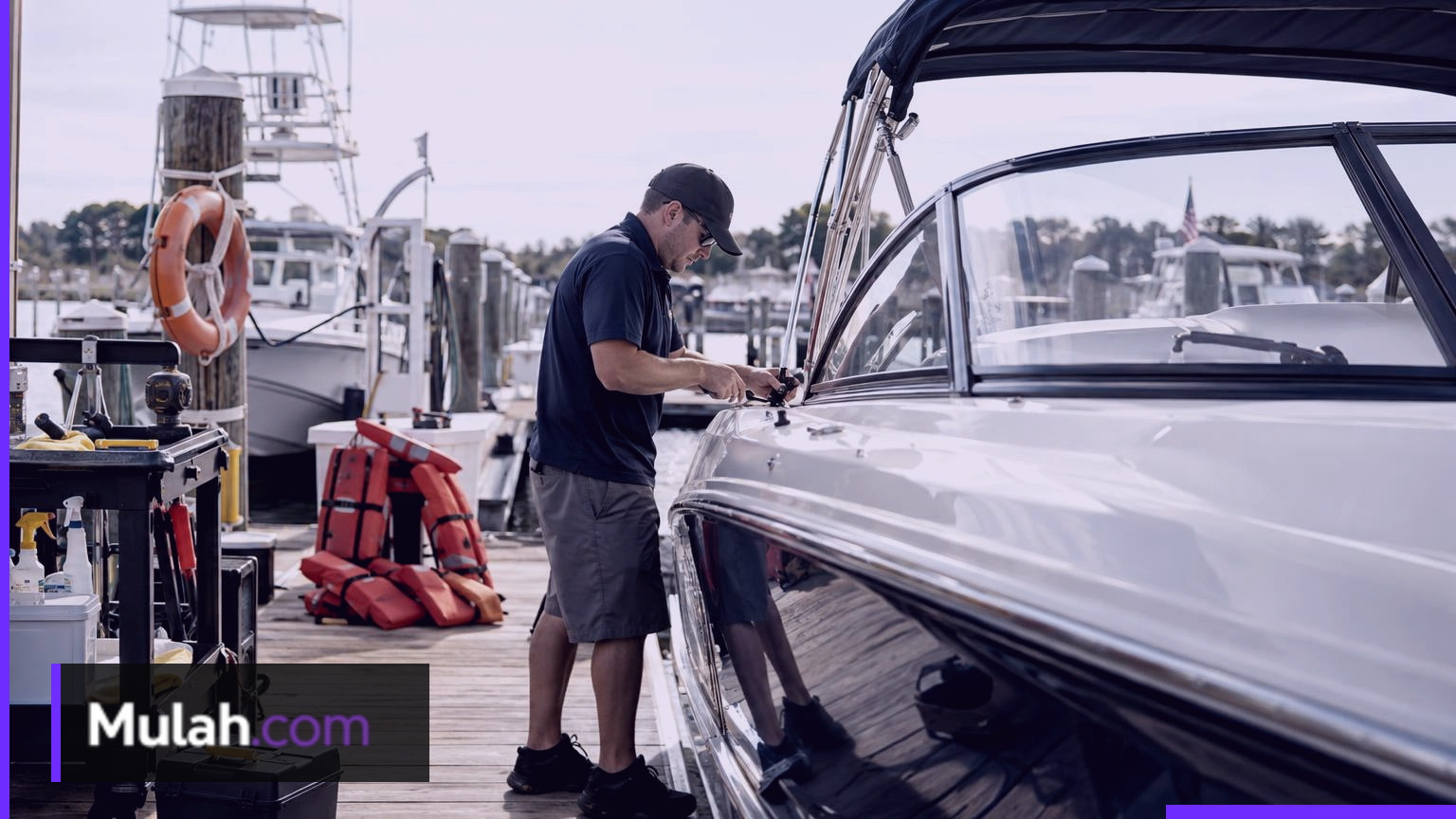
An equipment quote rarely captures the whole opening-day bill. A fleet of e-bikes may also require charging capacity, secure storage, helmets, spare batteries, and reservation software. A new attraction may require electrical work, inspections, barriers, and staff training before its first paid session.
Divide your budget into equipment, setup costs, and ongoing expenses. That separation matters because an asset-based agreement might not cover payroll or marketing. A broader business funding structure could address several categories, but you still need to know which costs will continue after launch.
Don't confuse a temporary cash gap with an unprofitable activity. If normal bookings won't cover staffing, maintenance, insurance, and the proposed payment, additional funding won't fix the underlying economics. Rework the pricing, scope, or purchase timing first.
Your funding schedule should follow the equipment's path into service, not just the date on a dealer quote.
Use reservation turnaways, waitlists, and utilization by day. Selling out on two holiday weekends is a different expansion case from turning away profitable customers every Saturday.
Freight, utility connections, permits, insurance changes, and site preparation can delay use. Put those costs and deadlines in the same plan as the equipment purchase.
Delivery day isn't necessarily a revenue day. Staff need time to learn inspections, customer briefings, charging or fueling routines, and emergency procedures.
A disabled unit costs both repair money and bookable capacity. Protect enough cash for common failures rather than committing every strong weekend's receipts to expansion.
Storage, insurance, winterization, and scheduled payments can continue after rentals slow down. Set aside money while receipts are strong and track how long that reserve must last.
The monthly payment matters, but it doesn't tell you what the equipment will cost over its full life.
Ownership can make sense for durable assets with a long service life or a useful resale market. A term loan or equipment financing agreement deserves a close look at the down payment, repayment schedule, security interest, and total cost.
Leasing can suit equipment you expect to replace on a schedule. Read the hour limits, modification rules, maintenance duties, return standards, and purchase option. A lower payment can lose its appeal if heavy commercial use creates substantial end-of-term charges.
A business line of credit may fit intermittent parts purchases or repairs better than a new long-term obligation for each expense. Don't treat a reusable limit as permanent revenue; each draw still needs a realistic repayment source.
Working capital funding can address payroll, insurance, supplies, or other costs while new capacity builds bookings. Size that cushion from a monthly forecast, with a clear point at which normal sales should support the added expenses.
Related Mulah resources include working capital funding, business lines of credit, equipment financing and leasing, term funding, SBA loans, revenue-based financing, startup funding, accounts receivable financing, and the business funding calculator.
A purchase should survive a conservative operating forecast, not just a promising sales pitch.
Subtract the extra labor, fuel, cleaning, payment-processing fees, maintenance, and damage allowance from expected sales. The amount left must support the new payment and provide a worthwhile return.
More units won't increase revenue if you lack guides, launch space, charging capacity, or customer demand. Spend on the constraint that is actually limiting bookings.
Price a phased replacement or essential-equipment plan alongside the full project. Use the business funding calculator for preliminary payment scenarios, not an approval estimate or substitute for an actual offer.
The amount that looks attractive on an offer is not always the amount that makes sense to take. Tie the request to a real expense, a realistic payoff period, and the cash the business can still live on if a customer pays late or a strong month comes in softer than expected.

Mulah helps you consider the equipment alongside the business that must pay for it. That means distinguishing a fleet purchase from a repair reserve, separating one-time setup costs from ongoing bills, and preparing records that explain your seasonal cash flow.
Mulah does not guarantee approval, a rate, an amount, or a funding timeline. Available options and terms are subject to your business profile, the assets, documentation, and provider review. Bring a complete budget and a realistic payment limit so the conversation stays grounded in what works for your business.
Move forward when your equipment list, budget, and cash-flow forecast tell the same story. A clear request makes it easier to discuss suitable structures without losing sight of what you can afford.
Record the vendor, equipment condition, delivered price, setup costs, and target service date. Explain what the purchase will earn, replace, or protect.
Gather revenue history, bank statements, ownership details, and what you already owe. Seasonal businesses should show a full operating cycle rather than only peak-month results.
Check payment frequency, total repayment, fees, liens, guarantees, and early payoff or lease-end terms. Use Check Your Funding Options, or start the full application when your records are ready.
Provide the business and financial information needed for a funding review.
Start with a shorter path when you want to discuss the business need before completing the full application.
Review official SBA information about federal small-business loan programs and lender participation.
Official guidance on financial management, cash flow, bookkeeping, and business planning.
Use the official source for current program, regulatory, or business guidance related to this topic.
Use the official source for current program, regulatory, or business guidance related to this topic.
Commercial projects can include boats, personal watercraft, ATVs, UTVs, snowmobiles, rental RVs, bicycles, e-bikes, golf carts, arcade machines, sports systems, and attraction equipment. Supporting items such as trailers, safety gear, and maintenance tools should appear separately in your budget.
No. This page concerns business equipment and commercial operating needs. A household purchase for personal recreation belongs in a consumer financing discussion.
Financing generally supports a purchase and eventual unencumbered ownership after repayment and lien release. A lease gives you use under a contract. Some leases offer a purchase option; others require return. Read the complete terms rather than choosing by payment alone.
No. Add upfront cash, scheduled payments, fees, maintenance duties, and any purchase or return costs. Then consider the value of ownership and resale. A lease with a low payment can still be expensive if its usage limits don't fit rental service.
Used assets can be considered. Detailed condition reports, service records, hours, title information, and vendor quotes strengthen the request. Include repairs needed before the equipment can earn revenue.
Include those costs in the project budget, but don't assume an equipment agreement covers them all. Site work, training, software, and operating expenses may call for a broader structure or a separate source of cash.
Work from verified demand and the contribution each additional unit should produce after direct costs. Add setup expenses and a sensible reserve, then test a smaller purchase. The largest available amount isn't necessarily the amount you should take.
Some agreements offer seasonal arrangements, but you need the schedule in writing. Check exactly when payments are due, what accrues during any reduced-payment period, and how the arrangement affects total cost.
Monthly revenue and bank activity are especially useful because annual totals hide timing. Add booking history, customer deposit information, current debt payments, and a forecast covering both the busy season and the months when receipts fall.
Eligible equipment purchases can fit certain SBA programs. Program eligibility, lender underwriting, and the broader project determine suitability. Check official SBA guidance and allow time to prepare the financial and project records a lender requests.
They can be, but match the commitment to the expense. A credit line may suit recurring repair needs; term funding may fit a defined overhaul. Routine losses that continue after normal bookings return need an operating fix, not repeated borrowing.
Understand the total dollar cost, collection frequency, contractual structure, and any revenue-adjustment process. Model the collections against low-season receipts. Don't assume payments automatically fall just because sales decline.
Check the proposed agreement for equipment liens, broader business security interests, and personal guarantees. These are different commitments. Know what property or personal responsibility is involved before signing.
Finish your equipment list, get itemized quotes, total the full setup cost, and decide what payment your conservative forecast supports. Gather business records and current debt details so the request reflects both the purchase and the cash you need afterward.
Start with the need, the amount, and the timing. Mulah can help you review possible business funding options before you decide whether to move forward.
Call 877-816-8524