Revenue And Cash Flow
Show how money moves through your accounts, including seasonal dips. Explain large transfers or unusual deposits so they aren't mistaken for ordinary customer receipts.
An excavator can put another crew to work. A service van can keep technicians moving. But the payment still comes due when rain stops production or a customer pays late. Contractor equipment financing and leasing should fit that reality. Here’s how to weigh equipment costs, lease terms, and small business loans without leaving payroll, materials, or repairs short of cash.
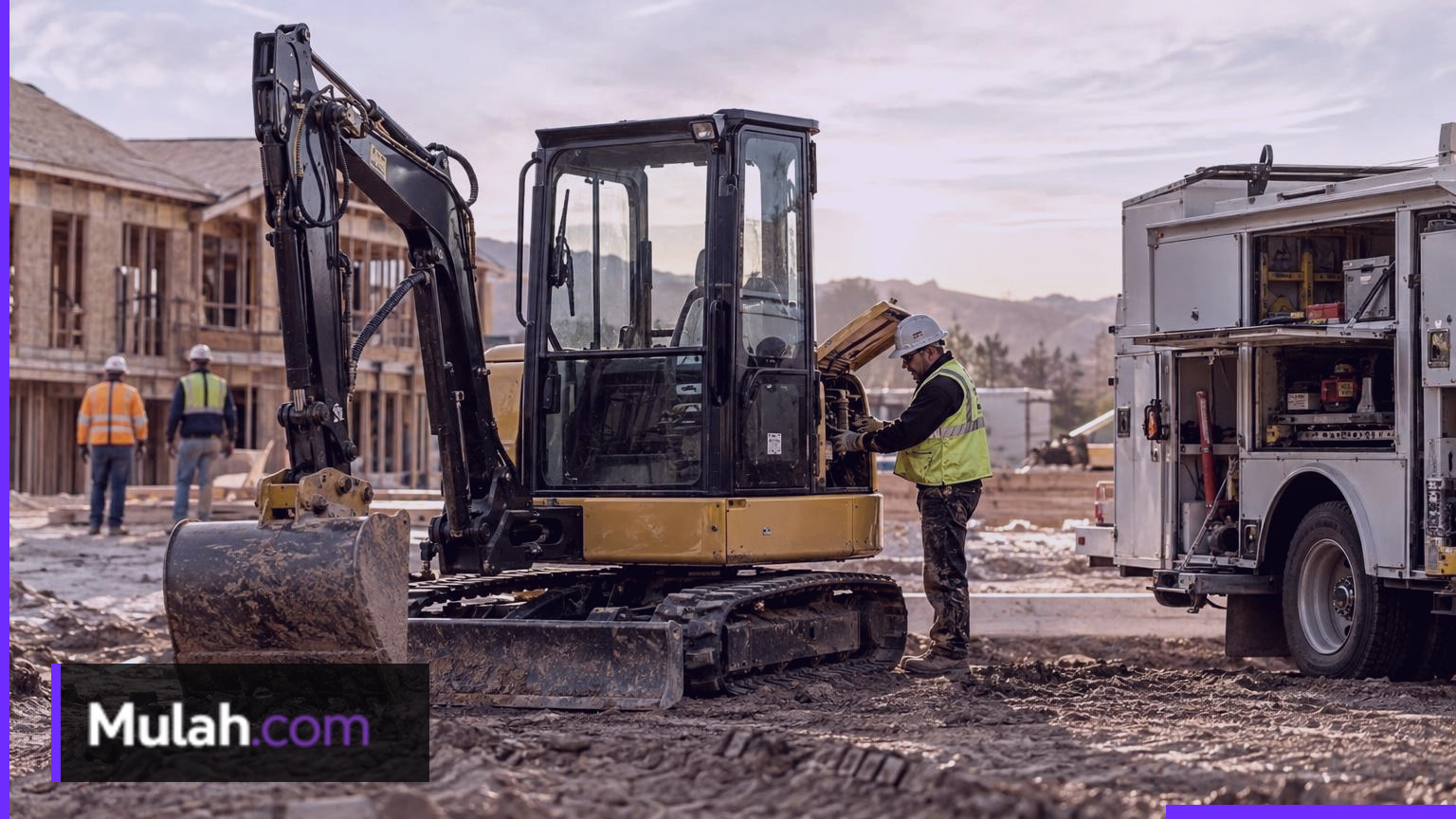
Equipment changes what you can bid, how quickly a crew works, and how much work you must subcontract. That doesn't make every purchase a good investment. A loader that saves rental expense five days a week has a different business case from a specialty attachment that sits between occasional projects.
Write down what the asset will actually do: replace recurring rentals, reduce hauling trips, keep an existing crew productive, or support awarded work. Put dollars against those benefits where you can. Don't treat additional revenue as profit; the added work will also consume labor, materials, fuel, and supervision.
Mulah helps contractors consider funding in the context of those operating needs. Available products and terms are subject to business and asset underwriting, including revenue, credit, time in business, and transaction details. Approval, timing, and funding aren't guaranteed.
For earthmoving equipment, capacity is only part of the decision. An excavator or compact track loader needs compatible attachments, suitable transport, and access to the sites you serve. A larger unit can increase production yet require a different trailer or truck. Price that consequence before committing.
Trade equipment has its own constraints. Cable pullers, pipe fusion machines, drain cameras, welders, and fabrication systems need people who know how to use them. Concrete pumps and finishing machines must suit your crews and typical pours. Lifts and material-handling equipment bring inspection, training, and site-access considerations.
Fleet purchases deserve the same discipline. Check payload after racks, tools, tanks, and upfitting, not just the vehicle's advertised capacity. For layout instruments, machine controls, tablets, and field connectivity, include subscriptions and support in the operating budget. Hardware financing doesn't automatically cover recurring software charges.
Small business loans are one way to fund equipment, but not every business funding agreement is a conventional loan. The purpose of the money and the timing of repayment matter as much as the product name.
| Option | Often considered for | How to think about it |
|---|---|---|
| Term Loans | A defined investment, such as a fleet package or a shop project with equipment and installation costs. | A lump sum repaid over an agreed term. Check payment frequency, total borrowing cost, collateral, and early-payoff terms. |
| Working Capital Funding | Payroll, fuel, materials, or mobilization expenses surrounding an equipment purchase. | A purpose category rather than one uniform product. Repayment, security, and cost vary by the underlying agreement. |
| Business Line Of Credit | Recurring short-term gaps, repair bills, and smaller purchases that your business can repay as collections arrive. | Draw against an approved limit under the agreement's terms. Check draw fees, renewal conditions, and required payments. |
| Equipment Financing Or Leasing | Machinery, vehicles, and tools with a clear business use and a suitable expected working life. | Financing generally supports acquisition with a lien; a lease provides use for a stated period with contract-specific end options. |
| SBA Loans | Eligible businesses considering equipment as part of a longer-term investment or broader business project. | Participating lenders make loans under SBA program rules. Documentation, eligible uses, and lender underwriting apply. |
| Revenue-Based Financing | Businesses assessing a revenue-linked funding arrangement against predictable cash generation. | Some agreements purchase future receivables rather than make a loan. Understand remittances, reconciliation rights, total cost, and default provisions. |
Financing often makes sense for core equipment you expect to keep working for years. You take on maintenance and resale risk, but continued use after repayment can improve the economics. Avoid stretching payments so far that substantial debt remains when the machine is likely to need replacement.
A lease can suit a planned replacement cycle or a defined period of use. Read the actual agreement, not the product label. Maintenance responsibility, permitted hours, wear standards, insurance, and early termination can make two apparently similar leases very different commitments.
Write down the end-of-term choices and their costs. A purchase option may require a stated payment or a valuation rather than a nominal buyout. Returning equipment can involve transport and condition charges. Your accountant should assess the tax and accounting treatment of the specific agreement.
New equipment offers warranty coverage and current technology, often at a higher price. That tradeoff can be worthwhile when a breakdown would idle several employees or jeopardize a critical schedule. Warranty terms still deserve attention: coverage doesn't necessarily pay for lost production or substitute equipment.
Used equipment needs a condition-based budget. Obtain service records, inspect wear points, verify serial numbers and ownership, and investigate liens. An independent inspection is especially valuable when a major component could erase the purchase-price savings. Former rental equipment deserves the same scrutiny, not an automatic rejection.
Rental remains useful for uncertain demand, distant jobs, and specialty tasks. Add delivery, pickup, damage waivers, and availability constraints to the calculation. Ownership becomes more persuasive when recurring rental costs are well documented and the equipment has enough work beyond the next contract.
Preventive service belongs in your job costs. Include tracks or tires, fluids, wear parts, required inspections, and transport to the shop. Set aside cash based on the asset's condition and expected use rather than assuming the first year will be trouble-free.
Know where replacement capacity would come from. A nearby rental yard, responsive dealer, or compatible backup attachment can protect a schedule. In a wider service territory, travel time and parts access matter too. A cheap machine with poor support can become expensive quickly.
Protect the equipment before it reaches the site. Arrange required insurance and loss-payee details, secure storage, operator authorization, and daily inspection procedures. Follow applicable construction safety requirements. Financing gives you access to an asset; it doesn't remove responsibility for using and maintaining it safely.
Your application should explain both the business buying the equipment and the asset itself. A strong story doesn't replace financial evidence.
Show how money moves through your accounts, including seasonal dips. Explain large transfers or unusual deposits so they aren't mistaken for ordinary customer receipts.
Operating history gives context to revenue and collections. If your company is young, distinguish the owners' trade experience from the company's own financial record.
Business and owner credit can matter. Be ready to explain past payment problems and what changed, without assuming a single score determines every product.
List balances, payment amounts, payment frequency, and pledged assets. Daily or weekly withdrawals can affect what you can afford even when monthly revenue looks strong.
Provide a clear description, price, age, condition, and seller information. A private-party used purchase can require different documentation from a new dealer sale.
State the cash available for the purchase and where payments will come from. Connect projected savings or earnings to specific work rather than an unsupported growth target.
Requirements vary by product. Gather these records early, keep business names consistent, and explain gaps directly rather than submitting conflicting versions.
Separate the asset purchase from related expenses, and get written clarity on what the agreement allows you to fund.
Excavators, skid steers, loaders, compactors, and other production assets need a term that makes sense alongside expected service life.
Service vans, dump trucks, trailers, racks, and utility bodies belong in one complete budget even when separate vendors supply them.
Diagnostic systems, pumps, fabrication tools, and specialty machinery should support work your team is equipped and qualified to perform.
Weigh the repair bill and likely remaining life against replacement costs. Repairing a machine repeatedly isn't always the less expensive choice.
Fuel, payroll, materials, and permits need their own cash plan. Don't assume an equipment agreement includes these expenses.
Common attachments, controls, and parts can simplify maintenance and training. Quantify that benefit before replacing otherwise serviceable units.
These are planning situations, not customer results. Use them to test the reasoning behind your own purchase.
Use past rental invoices to measure actual demand. Add ownership costs, transport, and downtime before deciding that a monthly equipment payment is cheaper. Keep rental flexibility for peak periods rather than buying for the busiest week.
The van won't create capacity without a technician, tools, and dispatchable work. Budget the upfit and inventory, then test whether expected service margins cover the added employment and vehicle costs.
Commission a suitable inspection and account for wear components, maintenance, operator capability, and transport. A full project calendar means little if the pump's condition or capacity doesn't suit the pours.
Price equipment transport, field service, and return trips against renting locally. Ownership can lose its advantage when a machine spends too much time in transit or sits far from your next job.
First determine how temporary rental would protect production. Then assess repair and replacement without letting the immediate disruption justify a permanent purchase that your normal workload won't support.
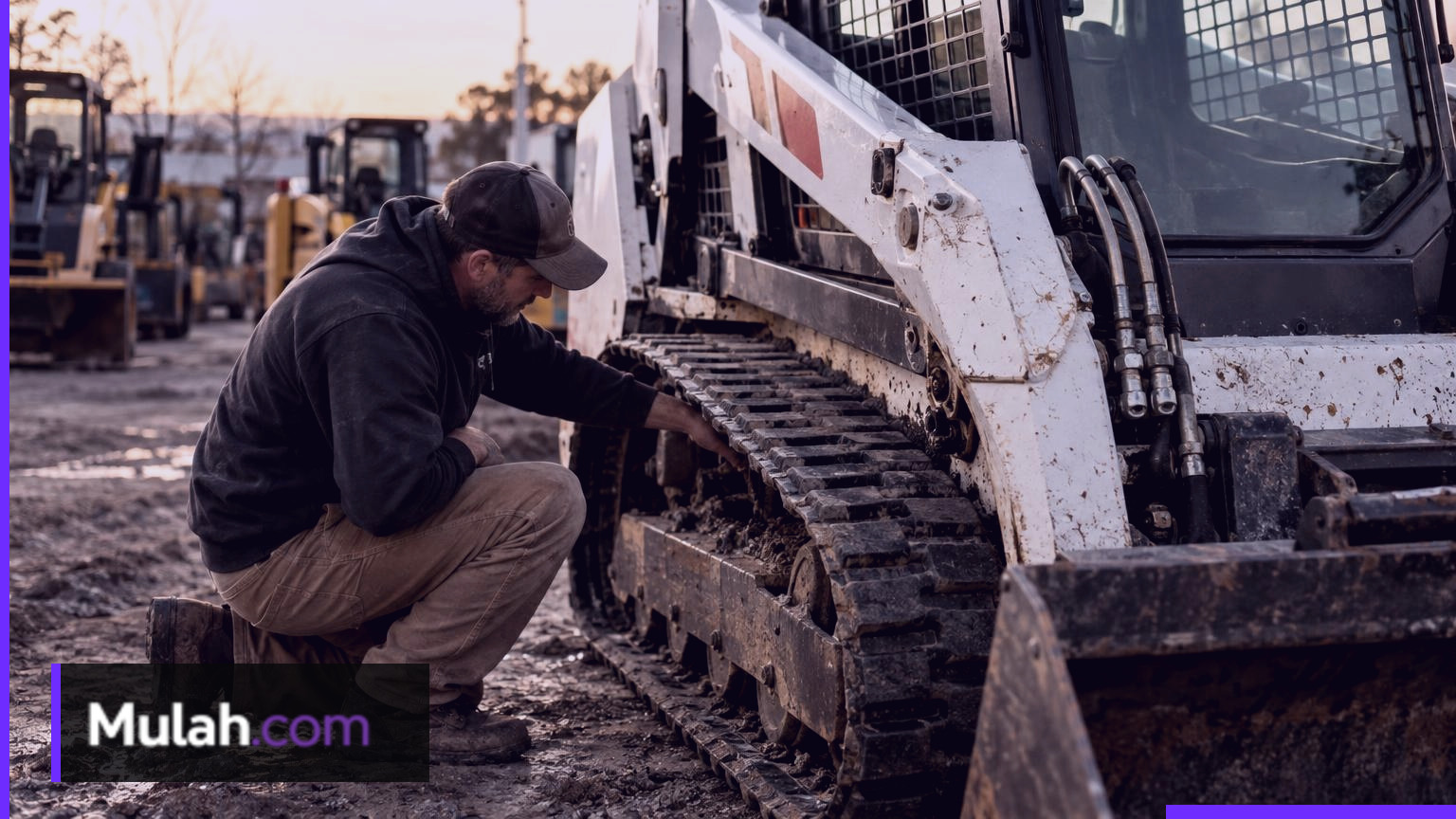
The dealer invoice isn't the entire investment. Delivery, sales tax, attachments, a trailer, installation, or a utility body can change what you need to borrow. Some costs might be included in an equipment agreement; others will have to come from your cash or another source.
Then there are the costs of putting the machine to work. You might need an operator before the first progress payment arrives. Fuel, permits, insurance, and subcontractor deposits don't wait for the equipment to earn its keep. Keep those expenses visible rather than folding everything into one unexplained funding request.
Separate [working capital needs](https://mulah.com/working-capital-loans/) from the cost of the asset. Financing a long-lived machine over an appropriate term can be sensible. Repeatedly borrowing to cover its ordinary operating losses is a warning that the equipment, pricing, or workload needs attention.
A profitable contract can still create a cash squeeze. Put equipment payments on the same calendar as the money coming in and going out.
Deposits, transportation, permits, and setup arrive early. Calculate the cash remaining after the equipment contribution, then account for the first payroll and material purchases. An available credit limit isn't the same as a cash reserve.
Your crew may finish work before it can be billed, and billing doesn't mean immediate collection. Use your actual customer payment history when forecasting cash, particularly when an owner or general contractor requires several approval steps.
Unapproved change orders can consume machine hours and labor without a settled payment date. Don't count disputed or unsigned extras as money available for the next equipment installment.
Substantial completion may leave a meaningful balance unpaid. Keep retainage separate from near-term collections so a machine payment doesn't rely on a release date you don't control.
Weather, inspections, and scheduling gaps can leave an otherwise useful machine idle. Build a low-utilization month into the forecast and decide how you'll cover payments without taking cash needed for the next mobilization.
Keep the equipment decision separate from the financing decision long enough to see the alternatives clearly.
A specific machine, seller, and price give an [equipment financing or leasing](https://mulah.com/equipment-financing-and-leasing/) request a clear starting point. Get an itemized quote and establish which accessories and setup charges belong in the transaction.
A vehicle package combined with shop improvements may warrant looking at a [term loan](https://mulah.com/term-loan/). Allocate costs first so you understand what each dollar funds and avoid paying for the same expense through overlapping agreements.
A [business line of credit](https://mulah.com/business-line-of-credit/) is worth considering for expenses that turn back into cash relatively soon. Funding an entire long-lived machine on a line can leave too little room for seasonal operating needs.
If your investment includes substantial equipment or facilities, read about [SBA financing](https://mulah.com/sba-loans-by-mulah/). Don't assume it fits an urgent replacement simply because the potential structure is appealing; the transaction still needs to meet program and lender requirements.
Related Mulah resources include working capital funding, business lines of credit, equipment financing and leasing, term funding, SBA loans, revenue-based financing, startup funding, accounts receivable financing, and the business funding calculator.
A monthly installment tells you little without the costs and productive hours behind it.
Add taxes, fees, delivery, attachments, setup, training, and immediate repairs. Subtract only cash you can contribute without weakening your reserves. This is the funding requirement, not necessarily the advertised sale price.
Allow for transport, maintenance, operator availability, weather, and schedule conflicts. If several crews share the machine, map their needs. Booked work should support the forecast before unawarded bids enter it.
Deduct payroll, materials, overhead, taxes, and what you already owe before adding the new payment. Use the [business funding calculator](https://mulah.com/business-funding-calculator/) for preliminary scenarios, then replace estimates with the actual offer's costs and schedule.
The amount that looks attractive on an offer is not always the amount that makes sense to take. Tie the request to a real expense, a realistic payoff period, and the cash the business can still live on if a customer pays late or a strong month comes in softer than expected.
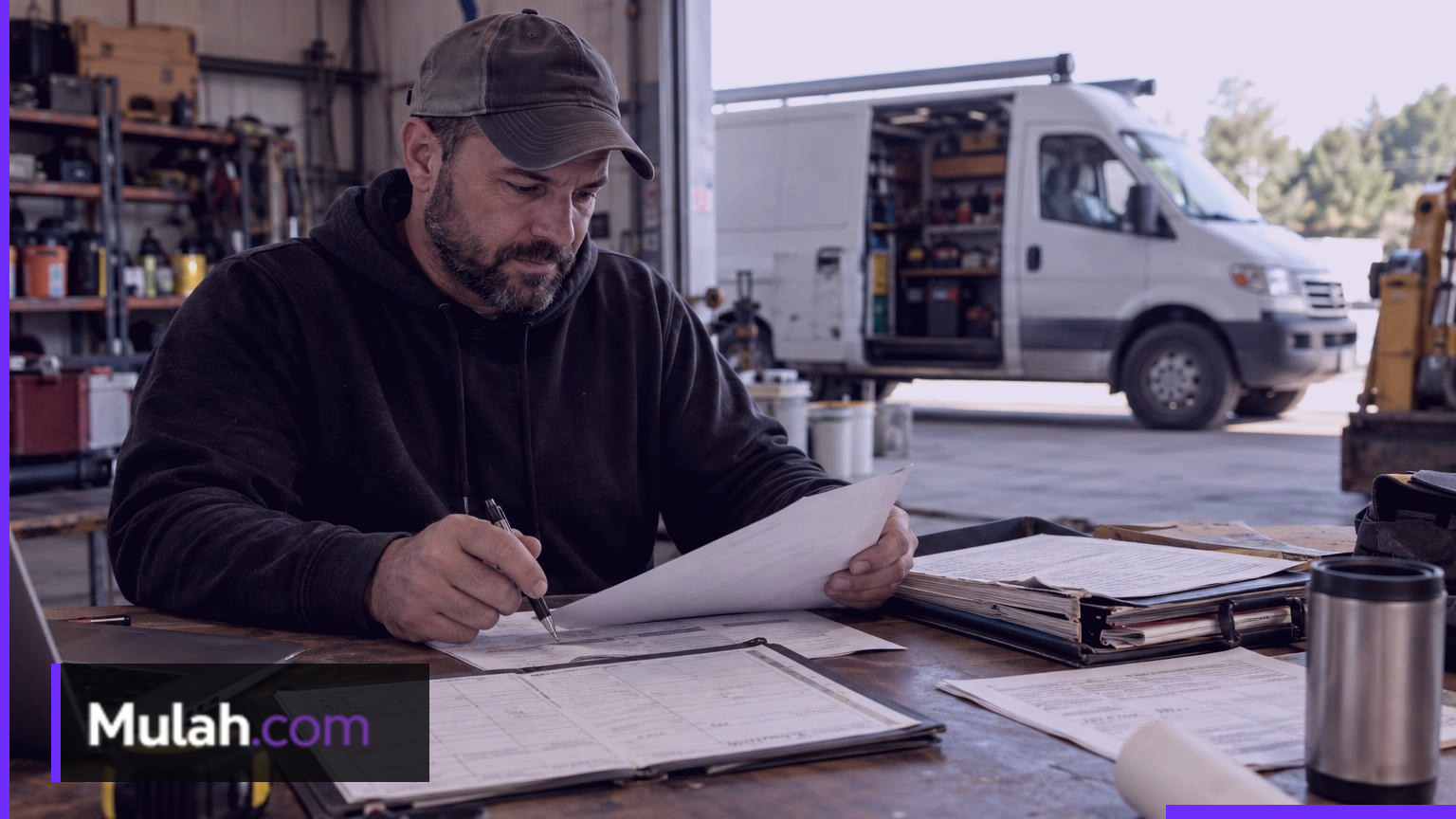
Mulah provides a place to share your business information and consider available funding options. Explain what you're buying, what cash you need around the purchase, and how the equipment will support your existing work. That distinction matters when the need includes both an asset and operating expenses.
Keep alternatives in view. [Revenue-based financing](https://mulah.com/revenue-based-financing/) has different cash-flow implications from an equipment loan. [Accounts-receivable financing](https://mulah.com/accounts-receivable-financing/) addresses money tied up in eligible invoices, not the economics of an underused machine. Choose based on the underlying need, not simply on access to funds.
Once the purchase makes sense on paper, move from estimates to an actual request. Keep your equipment quote and cash-flow forecast together as you work through the process.
Gather the quote, business records, and a short explanation of expected use. State what you can contribute and what you already owe. Include costs outside the invoice.
Use [Check Your Funding Options](https://mulah.com/get-fast-business-funding-from-mulah/) for an initial inquiry or proceed to the [full application](https://mulah.com/application/). Supply accurate information and respond directly to requests for missing records.
Check total cost, payment dates, fees, liens, guarantees, prepayment provisions, and default terms. For a lease, include return conditions and purchase options. Don't sign until the obligations fit your cash forecast.
Provide the business and financial information needed for a funding review.
Start with a shorter path when you want to discuss the business need before completing the full application.
Review official SBA information about federal small-business loan programs and lender participation.
Official guidance on financial management, cash flow, bookkeeping, and business planning.
Use the official source for current program, regulatory, or business guidance related to this topic.
Use the official source for current program, regulatory, or business guidance related to this topic.
Potential assets include earthmoving machinery, lifts, service vehicles, trailers, generators, compressors, concrete equipment, diagnostic tools, and fabrication systems. The asset's age, condition, seller, and business use influence which arrangements are available. An itemized quote is the most useful starting document.
Financing is often worth considering for equipment you expect to keep well beyond the repayment term. Leasing deserves attention when replacement timing or a defined period of use matters more. The deciding factors are total cost, maintenance duties, and what you own or owe at the end.
Used equipment is considered in some transactions. Provide the seller's documents, serial information, service history, and inspection findings. A low price doesn't overcome a short remaining life, unclear ownership, or a major repair that your cash reserves can't absorb.
There isn't one down-payment requirement across all equipment transactions. The product, asset, and your business profile affect the contribution requested. Calculate what you can put down after reserving enough cash for ordinary expenses and a reasonable disruption.
Equipment financing commonly includes a security interest in the purchased asset. An agreement can also involve other collateral or a broader lien. Read the security documents carefully; the equipment's role doesn't tell you everything pledged under the transaction.
Yes. A personal guarantee can be part of a business funding agreement. Understand whose guarantee is required, what it covers, and when the provider can enforce it. The fact that your company owns the machine doesn't necessarily limit the owners' exposure.
Some transactions include eligible acquisition costs beyond the base machine price. Have the seller itemize attachments, freight, taxes, setup, and upfitting. Get clarity on included costs before spending cash you expected to preserve.
Don't assume so. An asset-specific agreement can restrict how funds are disbursed and used. Payroll and fuel belong in your operating budget and might require separate working capital. Explain both needs when applying instead of trying to repurpose equipment proceeds.
A new company has less operating history for a provider to assess. Your experience, contribution, credit, contracts, and equipment choice become important context. Startup funding requires its own assessment; an awarded job alone doesn't prove you can carry the purchase.
Backlog supports an equipment case, but it isn't cash in the bank. Check start dates, cancellation terms, billing milestones, and customer payment history. You still need enough liquidity to carry the machine through delays and the time between work and collection.
Use your actual rental frequency and total charges, including transport and waivers. Put those beside ownership costs and conservative productive hours. Renting can remain the better choice for occasional work, unfamiliar equipment, or jobs far from your usual territory.
Read notice deadlines, renewal provisions, purchase-option pricing, return location, hour limits, and condition standards before signing. Missing a notice date or returning equipment with chargeable wear can change the cost of what initially looked like an inexpensive agreement.
Tax treatment follows the specific transaction and applicable rules, not the marketing name. Your accountant should assess depreciation, interest, lease treatment, and any available deductions. A potential tax benefit shouldn't rescue a purchase that doesn't work operationally.
Request the early-payoff terms in writing. Some agreements reduce future charges; others have different payoff calculations or contractual restrictions. Ask for the method used to calculate a payoff, not just a statement that early payment is allowed.
Start with the need, the amount, and the timing. Mulah can help you review possible business funding options before you decide whether to move forward.
Call 877-816-8524