Sales and deposits
Providers look for documented receipts and patterns they can understand. Explain unusually large deposits, transfers, refunds, and changes in processor activity.
A restaurant can have a full dining room and still struggle to pay for a failed walk-in cooler or the next payroll. If you’re looking at small business loans for your Arkansas restaurant, the real question is what payment your cash flow can support. Match the financing to the expense before you commit next month’s sales to paying for it.

Your restaurant pays many bills before the sales that cover them arrive. You buy food before service, schedule employees before knowing the final guest count, and keep paying rent during a renovation. Funding makes sense when it bridges a defined gap or pays for an investment with a credible return.
The right answer depends less on your menu than on how your business earns and keeps cash. A counter-service restaurant with steady daily deposits has a different financing profile from a catering-heavy business that collects balances after events. A profitable restaurant can still have tight cash flow when equipment purchases, taxes, or debt payments cluster together.
Separate the amount you need from the amount you could be offered. Include installation and other necessary costs, then subtract the cash you can contribute without leaving your account exposed. That gives you a useful request amount instead of a borrowing target based on the largest available offer.
Your location matters through its effect on customer traffic, not simply because your address is in Arkansas. A restaurant serving office workers may depend on weekday lunch. One near a campus, attraction, or event venue may have a very different calendar. Use your own sales history rather than assuming a statewide seasonal pattern.
Delivery and catering can also change the picture. A delivery platform's payout schedule affects when money reaches your account, while commissions affect how much you keep. Catering deposits may arrive before you buy ingredients, but final balances can arrive later. Separate those cash movements when estimating what you can afford.
Account for expenses outside ordinary food and labor costs. Insurance renewals, equipment service, permit-related costs, and tax payments can create uneven months. Your financing plan should leave room for these bills instead of treating every dollar left after a typical week as available for debt payments.
When shopping for small business loans, don't treat every offer as the same product. Some working-capital offers are loans; some revenue-based arrangements are purchases of future receivables. Ask what you're signing, how payments work, and what happens when sales fall.
| Option | Often considered for | How to think about it |
|---|---|---|
| Term loan | A defined project, renovation, or other expense with benefits that last beyond the repayment period. | You receive a lump sum and repay it over an agreed term. Examine payment frequency, fees, security requirements, and prepayment provisions. |
| Working capital | A measured shortage involving payroll, inventory, or another near-term operating expense. | An operating purpose, not one universal contract type. Funding may use a short-term loan or another structure with frequent payments. |
| Business line of credit | Recurring cash gaps when you need access to money without borrowing the entire available amount. | You draw within an approved limit. Interest and fees depend on the agreement; availability and renewal aren't guaranteed. |
| Equipment financing or leasing | Purchasing or leasing identifiable kitchen, refrigeration, or other eligible business equipment. | The equipment commonly secures financing. A lease may have return, renewal, or purchase terms that affect the full cost. |
| SBA financing | Eligible acquisitions, substantial improvements, equipment, or other approved business purposes. | A participating lender makes the loan with an SBA guarantee. Documentation, eligibility, and lender underwriting still apply. |
| Revenue-based financing | Businesses with documented receipts that can support the specific collection arrangement. | Payments relate to revenue under the contract. Some products purchase future receivables rather than create conventional loan debt. |
Your equipment quote should separate the purchase price from freight, removal, installation, and required site work. A new oven may require electrical or ventilation changes. Ask which costs the financing covers before assuming the entire project is funded.
Equipment financing and leasing can preserve operating cash, but the agreement matters. For used equipment, document age, condition, warranty coverage, and expected service life. Don't commit to years of payments on a unit you're likely to replace much sooner.
Consider downtime alongside the monthly payment. A less expensive machine that limits production or has uncertain service support can be costly during dinner service. If you're leasing, understand who handles maintenance, what insurance is required, and whether ownership transfers or requires an additional payment.
SBA financing may fit an eligible restaurant purchase, equipment investment, or substantial improvement. It isn't a grant or a loan made directly by Mulah. A participating lender evaluates your request under applicable program rules and its own credit standards.
For an acquisition, expect scrutiny of the restaurant's financial history, purchase agreement, valuation, and your management background. For a build-out, the lender may need contractor estimates, lease terms, and details about your contribution. The exact package depends on the transaction and program.
Don't sign a project schedule that assumes financing will close on a particular date. Coordinate lease deadlines, seller expectations, and contractor deposits with the financing process. If your restaurant is pre-opening, explain how you'll cover delays and initial operating losses without relying on immediate full-capacity sales.
Short-term financing can make sense for a defined need, but payment frequency changes the practical burden. Add all scheduled withdrawals to your cash forecast, including current financing. Then place payroll, rent, supplier payments, and taxes on their actual dates.
For revenue-based offers, distinguish the total purchase or repayment amount from an interest rate. A factor rate is a multiplier used to calculate an amount owed or purchased; it isn't an annual percentage rate. You also need to know fees, estimated duration, and collection rules to evaluate cost.
If an agreement allows reconciliation, ask how it works. Reconciliation is a process for adjusting collections to actual receipts under the contract. Find out what records you must submit, when adjustments occur, and how disputes are handled. Get the explanation in writing before signing.
No single score tells the whole story. Your funding options depend on the product, provider, and evidence that your business can handle the commitment.
Providers look for documented receipts and patterns they can understand. Explain unusually large deposits, transfers, refunds, and changes in processor activity.
An operating history gives providers evidence beyond projections. A new restaurant generally needs a different financing plan from an established location.
Business and personal credit may matter. Ask whose credit will be checked and whether a personal guarantee is required.
Disclose loans, advances, leases, and credit lines. Frequent withdrawals and liens can affect both eligibility and the cash available for another payment.
Sales alone aren't enough. Food costs, labor, rent, and owner distributions influence what your restaurant can afford.
Quotes, a realistic budget, and clear timing make your request easier to assess. Larger projects may require leases, permits, or additional business information.
Keep complete, readable files rather than screenshots with missing pages. Requirements vary, but this package gives you a practical head start.
Give each expense its own repayment logic. Combining unrelated needs can make it harder to see whether the overall request makes sense.
Price the installed replacement and immediate food-loss exposure. Equipment financing may suit the purchase, but protect enough cash to restock and reopen service.
Tie borrowing to the event budget and collection date. Check cancellation terms and the customer's remaining balance before treating expected proceeds as certain.
Include downtime, temporary operating changes, and a contingency. The construction bill isn't the full cost if you lose service days.
Show when cash will recover. If payroll requires new financing every cycle, address the underlying labor or sales problem before adding another payment.
Budget deposits, build-out, equipment, opening inventory, and operating reserves. Don't assume your first restaurant can absorb unlimited delays at the new site.
Separate equipment purchases from recurring software and processing fees. Estimate practical savings or additional orders without treating vendor projections as guaranteed results.
These are illustrative situations, not customer results. The useful question is what would make each funding request financially sound.
Get a repair assessment and an installed replacement quote. If replacement is necessary, evaluate equipment financing against using cash. Keep enough money for payroll and replacement inventory, and don't stretch payments beyond a reasonable service life.
Match deposits and final-payment dates against ingredient and labor costs. A credit line may fit repeated timing gaps. Invoice financing is relevant only if you have eligible unpaid business invoices, not simply ordinary card sales or unbooked catering prospects.
Use your own prior sales records to support the timing. Budget for a delayed reopening and test payments without the full expected sales increase. A project that only works with immediate peak traffic has little room for error.
Separate the purchase price from repairs, inventory, and working capital. Check financial records, lease transfer requirements, and equipment condition. SBA or other acquisition financing may fit, but don't make nonrefundable commitments on an assumption of approval.
Check delivery commissions, discounting, overtime, and food waste before borrowing. Higher revenue can hide weaker margins. Fund a defined improvement only after you understand why more orders aren't producing more available cash.
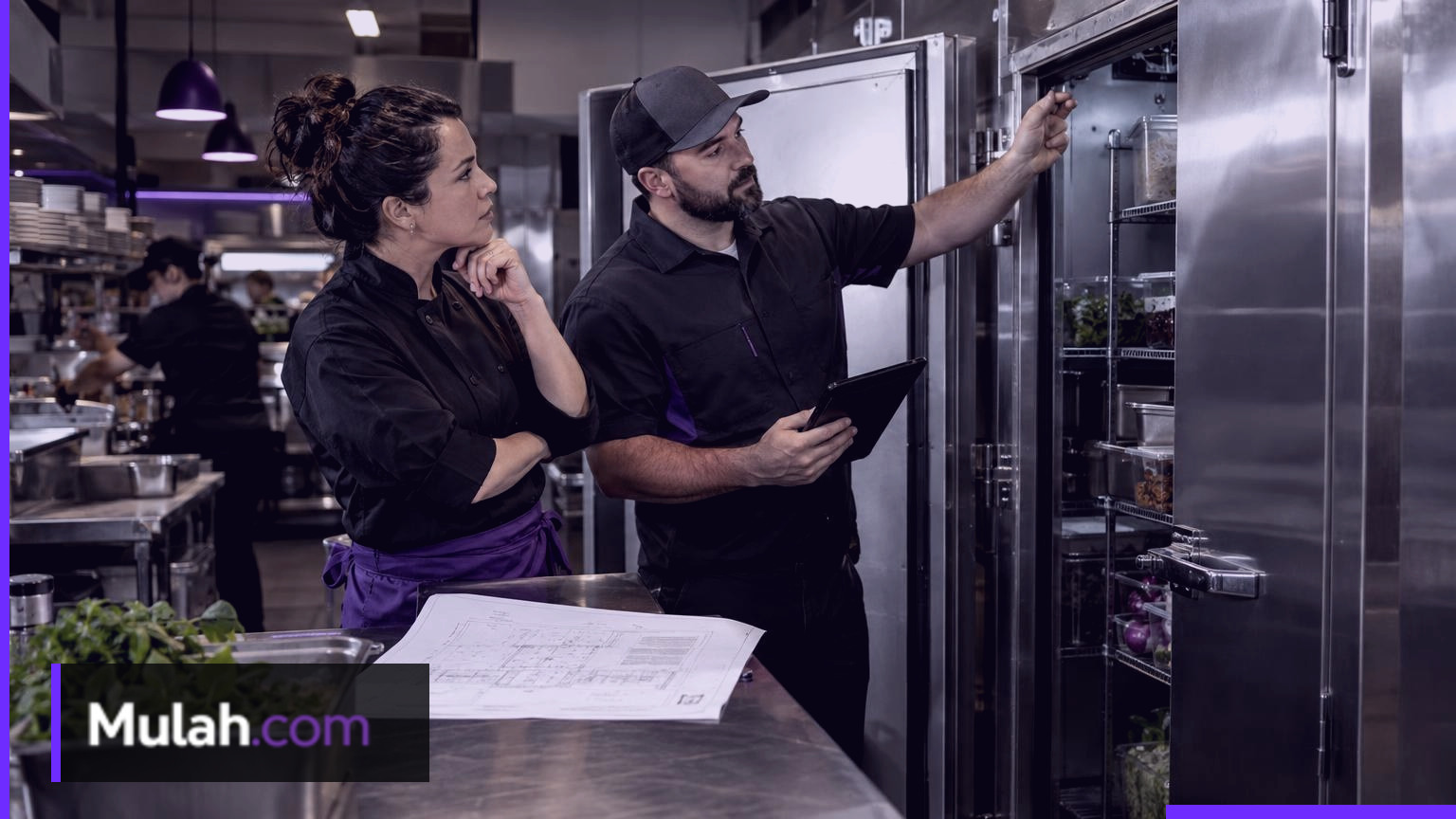
Financing is most useful when you can explain why cash is short and what will change. Perhaps a large catering deposit hasn't arrived, or a refrigeration failure forced an unplanned purchase. Those situations differ from repeatedly borrowing because regular sales don't cover regular expenses.
If food costs, labor, occupancy, and current debt already consume your receipts, another payment can deepen the problem. Look at menu pricing, waste, scheduling, and underperforming service periods before adding financing. You don't need perfect margins, but you do need a believable source of repayment.
Write the explanation in one sentence: the money pays for a specific need, and a specific source of cash covers the payments. If that sentence depends entirely on hoped-for growth, reduce the project, contribute more cash, or wait until the economics are clearer.
A monthly profit figure doesn't show whether cash will be there on Tuesday. Build a short weekly forecast around these five points.
Separate card settlements, delivery payouts, cash deposits, and catering balances. Use deposit dates rather than the dates you recorded sales.
Map supplier terms and larger orders. Buying extra inventory only helps if you can sell it before spoilage erases the savings.
Include wages, payroll taxes, and related costs. A financing debit that lands before payroll deserves particular attention.
Place rent, insurance, utilities, and current debt on the calendar. Monthly totals can hide a difficult first week.
Test a softer sales week and an unexpected repair. Your plan should leave usable cash, not merely avoid a negative ending balance.
Two offers carrying similar labels can affect your checking account very differently. Put the actual terms next to your cash forecast.
A term loan lets you evaluate one funded amount against a defined repayment schedule. Include fees withheld at closing when calculating the cash you'll actually receive.
A business line of credit offers borrowing flexibility within its terms. Check draw fees, minimum payments, and whether each draw has its own repayment schedule.
Working capital financing should cover a calculated gap, not an undefined cushion. Know when the expense turns back into available cash and how payments affect that timing.
For revenue-based financing, ask how collections are calculated and adjusted. Don't assume a payment automatically falls after a slow week.
Related Mulah resources include working capital funding, business lines of credit, equipment financing and leasing, term funding, SBA loans, revenue-based financing, startup funding, accounts receivable financing, and the business funding calculator.
Use your records and the business funding calculator to test the payment, then check the actual offer terms.
Subtract upfront deductions from the stated funding amount. If the proceeds won't cover your project, a larger headline amount doesn't solve the shortfall.
Ask for the total scheduled repayment and all mandatory fees. Check whether paying early reduces the cost or simply ends the payments sooner.
Subtract normal expenses and every financing payment from conservative receipts. Don't count sales tax collected or money reserved for payroll taxes as available cash.
The amount that looks attractive on an offer is not always the amount that makes sense to take. Tie the request to a real expense, a realistic payoff period, and the cash the business can still live on if a customer pays late or a strong month comes in softer than expected.

Mulah is a business-funding marketplace, not a promise that every request will qualify. You can use its business funding resources to understand product differences and prepare a request that explains your restaurant's needs clearly.
When you move forward, focus on the terms available for your business rather than a product label alone. Mulah helps you work through funding options and the information needed for the process. The financing provider's agreement governs costs, payments, security, and other obligations.
Your next step should produce a clear request, not just another application. Have a purpose, a realistic amount, and a payment limit before you proceed.
Add the documented expense, necessary related costs, and a reasonable contingency. Subtract your planned cash contribution without draining the reserve your restaurant needs to keep operating.
Gather your records and write a short explanation of sales patterns, current debt, and the planned use. Address obvious inconsistencies before someone has to ask about them.
Use the Mulah application when you're ready. Before accepting an offer, understand net proceeds, total cost, payment timing, guarantees, and any restrictions on additional financing.
Provide the business and financial information needed for a funding review.
Start with a shorter path when you want to discuss the business need before completing the full application.
Review official SBA information about federal small-business loan programs and lender participation.
Official guidance on financial management, cash flow, bookkeeping, and business planning.
Use the official source for current program, regulatory, or business guidance related to this topic.
Use the official source for current program, regulatory, or business guidance related to this topic.
Yes. Independent restaurants can seek business financing, subject to the provider's eligibility and underwriting requirements. Your sales history, credit, current debt, and intended use influence which options are available. Being independent doesn't determine the answer by itself.
Choose based on the expense and your cash flow. Equipment financing may suit a replacement oven; a credit line may suit recurring timing gaps. A longer project may call for term or SBA financing. There isn't one best product for every restaurant.
Some working-capital products allow those expenses. Check the agreement's restrictions and calculate how you'll cover payments afterward. Financing a temporary gap is different from repeatedly financing ordinary expenses that your sales don't cover.
Potentially, but a pre-opening business has no operating receipts to support repayment. Your experience, contribution, credit, project budget, and projections become more important. Startup financing isn't interchangeable with products designed for established restaurants.
Not necessarily. Some providers finance eligible used equipment. Age, condition, seller, value, and expected useful life can affect the decision. Ask about inspection requirements and whether installation or refurbishment costs can be included.
Acquisition financing may be available through SBA or other business loan programs. Expect to provide purchase documents and financial records for the business you're buying. Your experience, contribution, and the transaction's economics also matter.
Not always. Some arrangements purchase future receivables rather than create a conventional loan. Read the contract to understand the legal structure, collection method, reconciliation provisions, and total amount involved. The marketing label alone doesn't answer those questions.
Only if the agreement provides for that adjustment and its requirements are met. Some contracts use fixed withdrawals with a reconciliation process. Others use different collection methods. Ask exactly how lower receipts affect the next scheduled payment.
Request the amount supported by your budget and cash forecast. Include necessary installation or project costs, but don't borrow extra simply because it's offered. Test the proposed payments against a weaker sales period before deciding.
That depends on the product and provider. Equipment may secure equipment financing, and other products may involve business liens or personal guarantees. A guarantee can create personal liability for a business obligation, so understand it before signing.
Possibly. Disclose what you already owe and check your current agreements for restrictions on additional debt or liens. Another payment may reduce flexibility even when the new request is eligible. Evaluate the combined burden, not just the new offer.
No. Some agreements reduce interest or provide an early-payoff discount; others offer limited or no savings. Request the payoff calculation in writing. Don't assume a fixed fee disappears because you repay ahead of schedule.
Ordinary cash and card transactions generally don't create the unpaid business invoices that invoice financing requires. It may be relevant for eligible catering or institutional accounts. The customer's credit, invoice terms, and disputes can affect eligibility.
Timing varies by product, provider, documentation, and transaction complexity. Equipment purchases and acquisitions can require additional steps. Ask about the expected process, but don't commit to a supplier or contractor based on an assumed funding date.
Start with the need, the amount, and the timing. Mulah can help you review possible business funding options before you decide whether to move forward.
Call 877-816-8524