Operating history
An established franchise can show collections and margins. A new location must rely more heavily on your experience, available equity, projections, and the proposed business plan.
A service truck can stop earning before it stops costing you money. A new technician needs payroll before a full schedule develops. If you're researching Mr. Rooter Franchise Business Loans and Funding, the useful question isn't just which small business loans are available. It's which financing fits your purchase, your cash flow, and the payments your franchise can afford.

Your first decision is the size and duration of the cash need. Replacing a failed drain-cleaning machine is different from adding a service territory or purchasing an existing franchise. Put the purchase price, related expenses, and expected payment dates on one page before choosing a financing product.
For an operating location, separate money that keeps today's schedule moving from money intended to create new revenue. Payroll, fuel, and parts support current jobs. A second truck and another technician expand capacity, but they also add costs before you know how quickly the schedule will fill.
Buying or opening a franchise requires a broader budget. Use the current franchise disclosure document, your proposed agreements, and actual vendor estimates rather than an online investment range. The financing request should reflect your specific transaction, including working capital after closing.
Look at revenue by technician, truck, and type of work where your records allow it. More calls don't automatically mean better cash flow. Travel time, callbacks, overtime, and parts usage can reduce what remains from a full schedule. Financing decisions should account for those costs.
Capacity also has a sequence. You might need to recruit a technician, complete training, equip a vehicle, and build a schedule before the investment contributes meaningful cash. If you finance only the vehicle, you may still be short of the money needed to put it to work.
For an acquisition, distinguish the seller's reported earnings from what you can expect after closing. Your manager's compensation, financing payments, insurance, and required changes may differ. Have an accountant examine the adjustments used to describe earnings, especially expenses the seller says won't continue.
When you evaluate small business loans, look beyond the product name. Some working capital products and revenue-based structures aren't conventional loans. Ask for the legal structure, total dollar cost, payment schedule, and security requirements in writing.
| Option | Often considered for | How to think about it |
|---|---|---|
| Term loans | A defined project, expansion, or acquisition with a known budget. | You receive a lump sum and repay it over an agreed term. Check amortization, any balloon payment, collateral, guarantees, and early-payoff terms. |
| Working capital financing | Payroll, parts, and other operating costs during a measurable cash gap. | This describes the purpose, not one legal product. Payments may be frequent, and short terms can put pressure on weekly cash. |
| Business line of credit | Recurring timing gaps when you can draw funds and repay them as customers pay. | A revolving facility lets you reuse available credit subject to its terms. Check draw fees, renewal conditions, variable pricing, and repayment rules. |
| Equipment financing or leasing | Service vehicles, drain-cleaning equipment, inspection systems, and other eligible assets. | The equipment commonly secures financing. Lease ownership, purchase options, maintenance duties, and end-of-term charges depend on the agreement. |
| SBA financing | Eligible acquisitions, startup costs, equipment, and working capital through an appropriate program. | A participating lender makes the loan with an SBA guarantee. Eligibility, documentation, equity, collateral, and guarantees depend on the transaction and current rules. |
| Revenue-based financing | An established business that understands the cost and can sustain remittances from revenue. | Some agreements purchase future receivables rather than create a loan. Examine collection frequency, reconciliation rights, total purchased amount, and default provisions. |
Get an itemized quote for the vehicle, upfit, storage, required branding, and equipment. Ask which items a provider will finance together and which require cash. Used equipment may face age, condition, or valuation restrictions. Don't assume a quote for the truck covers everything needed for dispatch.
With equipment financing or leasing, focus on ownership, total payments, and the asset's expected working life. A lower lease payment can come with a meaningful purchase price at the end. Ask who pays maintenance and what happens if the equipment fails.
Keep a repair and downtime reserve even when you finance new equipment. Then test the payment using conservative billable hours and actual staffing availability. If you haven't hired the technician, model several weeks of vehicle payments before the truck earns anything.
For an existing franchise, your budget may include the purchase, applicable transfer costs, professional fees, equipment replacements, and post-closing working capital. For a new location, use current franchise materials and local vendor quotes. Keep required owner cash separate from money you expect a provider to finance.
SBA financing can be relevant to an eligible franchise transaction, but the brand name alone doesn't establish eligibility. The lender must assess the business, your ownership structure, the franchise documents, and applicable program requirements. An SBA guarantee protects the lender in part; it doesn't eliminate your repayment responsibility.
Coordinate the financing timetable with due diligence, franchisor consent, and closing conditions. Don't assume funding will arrive by a seller's preferred date. Before paying a deposit or signing an unconditional obligation, have your attorney explain what happens if financing or a required approval doesn't come through.
A business line of credit may fit a franchise serving commercial accounts that pay after the work is complete. Map payroll and parts purchases against expected collections. Size the request around the largest realistic gap rather than a round number.
A line isn't a permanent substitute for profitable pricing or dependable collections. If the balance keeps rising after customers pay, find out why. You may be financing unprofitable jobs, paying for expansion from operating cash, or drawing more money from the business than it can support.
Accounts-receivable financing can also be relevant when you have eligible unpaid business invoices, rather than mostly residential receipts collected at completion. Customer creditworthiness, invoice disputes, assignment restrictions, and collection procedures matter. Understand whether customers will receive payment instructions from the financing provider.
Requirements differ by product and provider. Prepare to explain both how your business performs today and why the new payment makes sense.
An established franchise can show collections and margins. A new location must rely more heavily on your experience, available equity, projections, and the proposed business plan.
Providers examine sales, deposits, expenses, and existing payments. Explain unusual months and separate genuine growth from a one-time large job.
Business and personal credit may matter. A personal guarantee can make you personally responsible for business debt; ask what you're signing and whose guarantee is required.
Disclose loans, leases, credit lines, advances, and tax payment arrangements. Existing liens or restrictions on additional debt can affect which options are available.
An acquisition may require your own contribution. Equipment value, cash reserves, and assets offered as collateral can also affect structure, without guaranteeing approval.
Provide accurate ownership information and relevant agreements. For a purchase, explain the status of seller negotiations, required consents, and any deadlines that could affect closing.
You don't need every document for every product. Having these ready reduces avoidable back-and-forth, especially when a transaction involves both financing and franchise consent.
Make the use specific enough that you can measure whether the financing did its job.
Separate the replacement cost from the cost of increasing fleet size. Include upfitting and transition downtime, then decide whether repairing the current vehicle is still economically sensible.
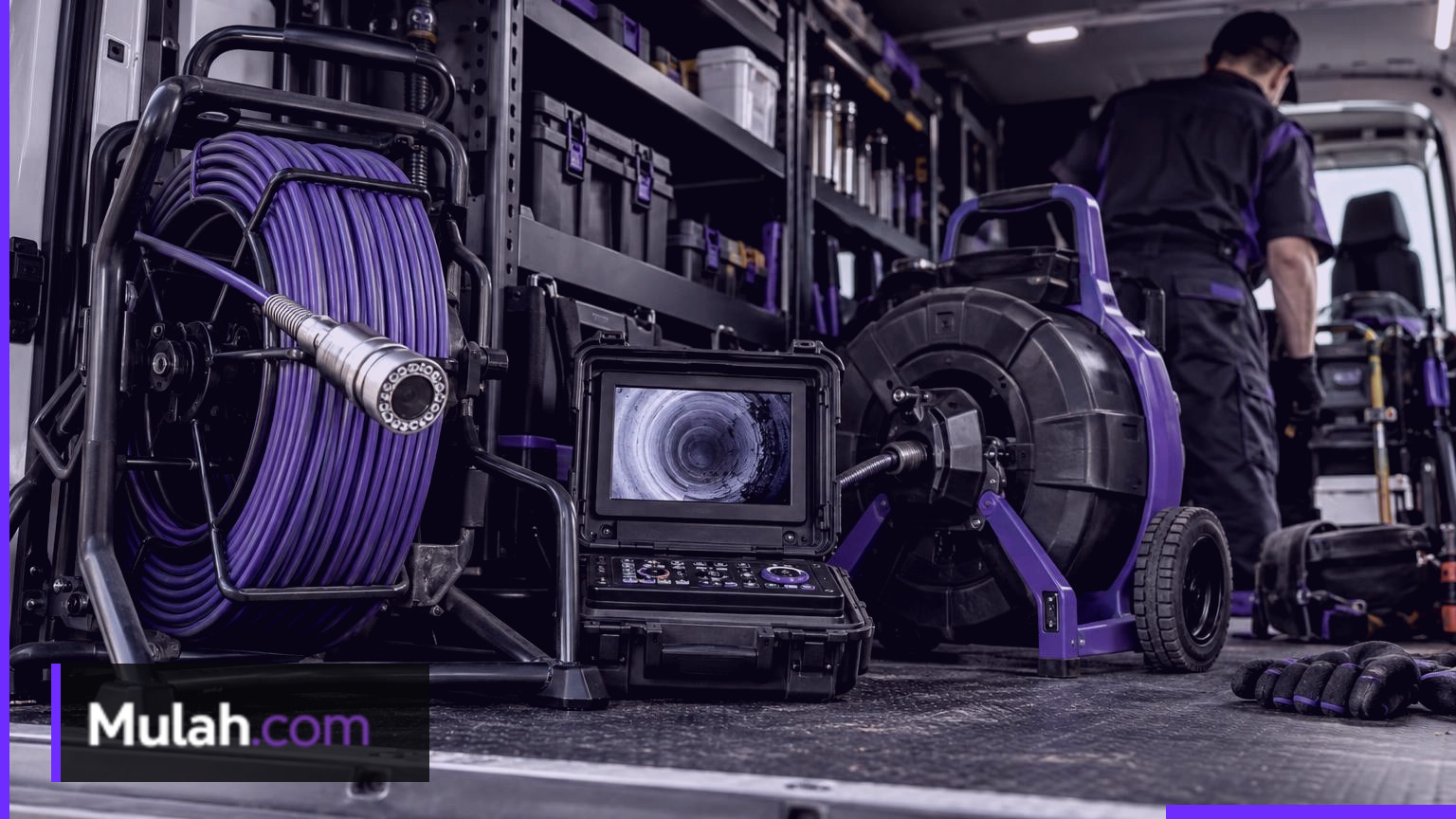
A camera system or jetter should solve a documented need. Estimate usage, maintenance, training, and the work you can reasonably retain instead of subcontracting.
A temporary gap is easier to finance responsibly when you know which invoices will repay it. Address disputes and missing paperwork before treating overdue invoices as dependable cash.
Include recruiting, training time, uniforms, tools, and payroll before a full schedule develops. Financing isn't a substitute for a credible hiring and retention plan.
Budget for due diligence and cash after closing, not just the seller's price. Verify asset condition and customer concentration before relying on historical earnings.
Check lease permissions, project costs, and the remaining lease term. Avoid financing improvements over a period much longer than your right to occupy the property.
These are planning examples, not customer stories or financing offers. Your actual terms and cash needs will differ.
Get repair and replacement quotes, then estimate the cost of downtime or a temporary vehicle. Equipment financing may preserve operating cash, but the fastest available offer isn't automatically the best choice. Check the full replacement cost before committing.
Suppose $35,000 of invoices are due next month, while $22,000 of payroll and supplier bills come due first. That doesn't automatically justify a $35,000 request. Account for cash already available, other receipts, and possible collection delays to estimate the actual gap.
Delay the purchase if recruiting remains uncertain and a suitable vehicle can be obtained later. If ordering early is necessary, include the idle period in your forecast. A financed truck in the lot still requires payments and insurance.
Test earnings after realistic management compensation and proposed debt payments. Ask what equipment will need replacement soon. A reasonable purchase price can still produce an unaffordable transaction when deferred maintenance and working capital are left out.
Translate the remittance into a weekly cash budget before signing. For revenue-based financing, examine how collections adjust when sales fall, if applicable. Understand the contractual process rather than assuming payments automatically decline.
Loan payments don't replace royalties, advertising contributions, insurance, software charges, or other expenses required by your agreements. Build your forecast from the amounts your location actually pays. A lender's willingness to finance a purchase doesn't mean the remaining cash will comfortably cover those costs.
Read restrictions before pledging assets or changing ownership. Your franchise agreement, vehicle financing, lease, and existing debt documents may affect liens, transfers, and consent requirements. A lien gives a creditor a legal claim against specified property. Several creditors seeking claims against the same assets can complicate a closing.
Keep the roles clear. Mr. Rooter and its franchisor aren't being represented here as funding partners or endorsers of Mulah. Any franchise approval, territory approval, or transfer consent remains separate from the financing process. Ask the appropriate parties about requirements before making a nonrefundable commitment.
Your calendar can look busy while your bank balance stays tight. Follow the money through the work, not just through booked revenue.
A customer appointment creates an opportunity, not money you can spend. Cancellations, access problems, and changes in scope can delay both the job and payment.
You pay technicians, buy fuel, and stock trucks before completing work. Keep enough cash available to run the schedule without depending on every day's receipts.
Residential payment at completion and commercial billing on terms produce different cash needs. Separate them in your forecast so slower accounts don't disappear inside total sales.
A commercial customer may need a purchase order, service report, or approval before paying. Better billing documentation can reduce a funding gap without adding debt.
Reserve money for tires, repairs, and equipment replacement before committing all available cash to growth. Another truck won't solve a shortage of trained technicians.
Group your request around the business decision. That makes the amount easier to defend and the financing easier to evaluate.
For a temporary gap between expenses and customer payments, consider working capital financing. Borrow against a documented cash need, not a vague cushion that could conceal recurring losses.
A truck, inspection camera, or jetter has an identifiable cost and purpose. Equipment financing deserves a separate look when the asset will remain useful well beyond the repayment period of short-term funding.
A facility improvement or measured expansion may fit term loan financing. Tie the request to a budget and realistic completion schedule, including any period before the project generates revenue.
Acquisition and startup requests depend heavily on your experience, available cash, and transaction details. The startup business financing guide explains why a new business faces a different process from an established location.
Related Mulah resources include working capital funding, business lines of credit, equipment financing and leasing, term funding, SBA loans, revenue-based financing, startup funding, accounts receivable financing, and the business funding calculator.
An approval isn't a spending plan. Put each offer into the same cash forecast.
Add scheduled payments and required fees, then account for any amount withheld at funding. The cash you receive may be less than the stated financing amount.
Use the business funding calculator for an initial estimate, then use the actual offer terms. Include what you already owe and your normal operating expenses.
Ask for a written payoff example. Some structures reduce future interest when you repay early; others offer limited savings. Don't assume refinancing later will make an expensive agreement inexpensive.
The amount that looks attractive on an offer is not always the amount that makes sense to take. Tie the request to a real expense, a realistic payoff period, and the cash the business can still live on if a customer pays late or a strong month comes in softer than expected.

Mulah helps you understand funding categories and prepare a request around your actual business need. That means separating a truck purchase from a payroll gap, explaining the stage of an acquisition, and gathering information relevant to the financing you're seeking. It's a marketplace, not a promise of approval.
Use the small business funding guide to put unfamiliar terms in context before you submit information. When an offer arrives, ask the provider for the agreement, payment schedule, fees, security requirements, and payoff terms. You should understand the commitment before accepting it.
Your next step is to turn the purchase or cash gap into a clear request. A precise amount and a credible repayment plan are more useful than asking for the largest amount available.
List what you're buying or paying, when the money is needed, and which costs require your own cash. Mark estimates separately from firm quotes.
Use ordinary collections and allow for delays. Leave room for taxes, maintenance, and required franchise expenses rather than committing every projected dollar to financing.
Use Mulah's business funding application when you're ready. Describe the purpose accurately and disclose existing financing. Submission doesn't guarantee an offer or a particular funding date.
Provide the business and financial information needed for a funding review.
Start with a shorter path when you want to discuss the business need before completing the full application.
Review official SBA information about federal small-business loan programs and lender participation.
Official guidance on financial management, cash flow, bookkeeping, and business planning.
Use the official source for current program, regulatory, or business guidance related to this topic.
Use the official source for current program, regulatory, or business guidance related to this topic.
This page discusses independent business financing options. It doesn't describe a Mr. Rooter lending program or an endorsed relationship. Ask the franchisor directly about any current financing resources it provides.
Potentially. The provider will assess the purchase, business performance, your finances, and required approvals. Make room for closing costs, equipment needs, and working capital when building your request.
Eligible franchise acquisitions may qualify through a participating SBA lender. The lender must evaluate current program requirements and your transaction. Franchise status alone doesn't make the business or purchase eligible.
Startup financing is possible in some circumstances, but options differ from funding for an established business. Expect closer attention to your experience, cash contribution, projections, and complete opening budget.
Some financing structures may include eligible franchise-related costs as part of a broader transaction. Ask the provider which fees qualify and whether any amounts must be paid from your own funds.
Often, that produces a clearer structure. The truck is a long-lived asset; payroll and parts turn into expenses much sooner. Separate financing also makes each payment easier to evaluate.
Some providers finance eligible used equipment. Expect questions about age, condition, seller, value, and remaining useful life. Get the equipment details before assuming the quoted price is fully financeable.
There isn't one score that applies across all products and providers. Credit is considered alongside cash flow, operating history, existing debt, and other factors. Ask about requirements for the specific option you're considering.
Many business financing arrangements require one, though requirements vary. A guarantee is separate from collateral and can expose your personal assets to collection. Have the language explained before you sign.
Timing depends on the product, complete documentation, underwriting, and any closing conditions. Acquisitions involving franchise consent can require additional coordination. Don't commit to a purchase deadline based on an assumed funding date.
Not necessarily. Some agreements are purchases of future receivables. Read the actual contract for collection terms, reconciliation rights, guarantees, and default provisions rather than relying on the marketing label.
Eligible commercial invoices may support receivables financing. Residential jobs paid at completion generally don't create the same opportunity. The provider will examine invoice quality, customer creditworthiness, and any disputes or assignment restrictions.
Possibly, but disclose all existing agreements. Your current payment burden, liens, and restrictions on additional debt matter. Taking a second position doesn't necessarily make a new payment affordable.
Use your own monthly history to show the pattern rather than assuming all plumbing businesses behave alike. Size financing around the low-cash period and show when collections should support repayment.
Start with the need, the amount, and the timing. Mulah can help you review possible business funding options before you decide whether to move forward.
Call 877-816-8524