Equipment financing or leasing
Equipment financing and leasing may suit eligible machinery and related installation. Consider down payments, vendor rules, collateral, useful life, residual value and prepayment terms.
New orders are not usable capacity. Growth takes equipment, people, floor space, materials and enough operating cash to get through commissioning.
Manufacturing expansion financing can help eligible manufacturers explore capital for a defined capacity project. Mulah considers the business plan and available funding structures, subject to review and approval.
No financing amount, rate, approval or funding timeline is guaranteed.
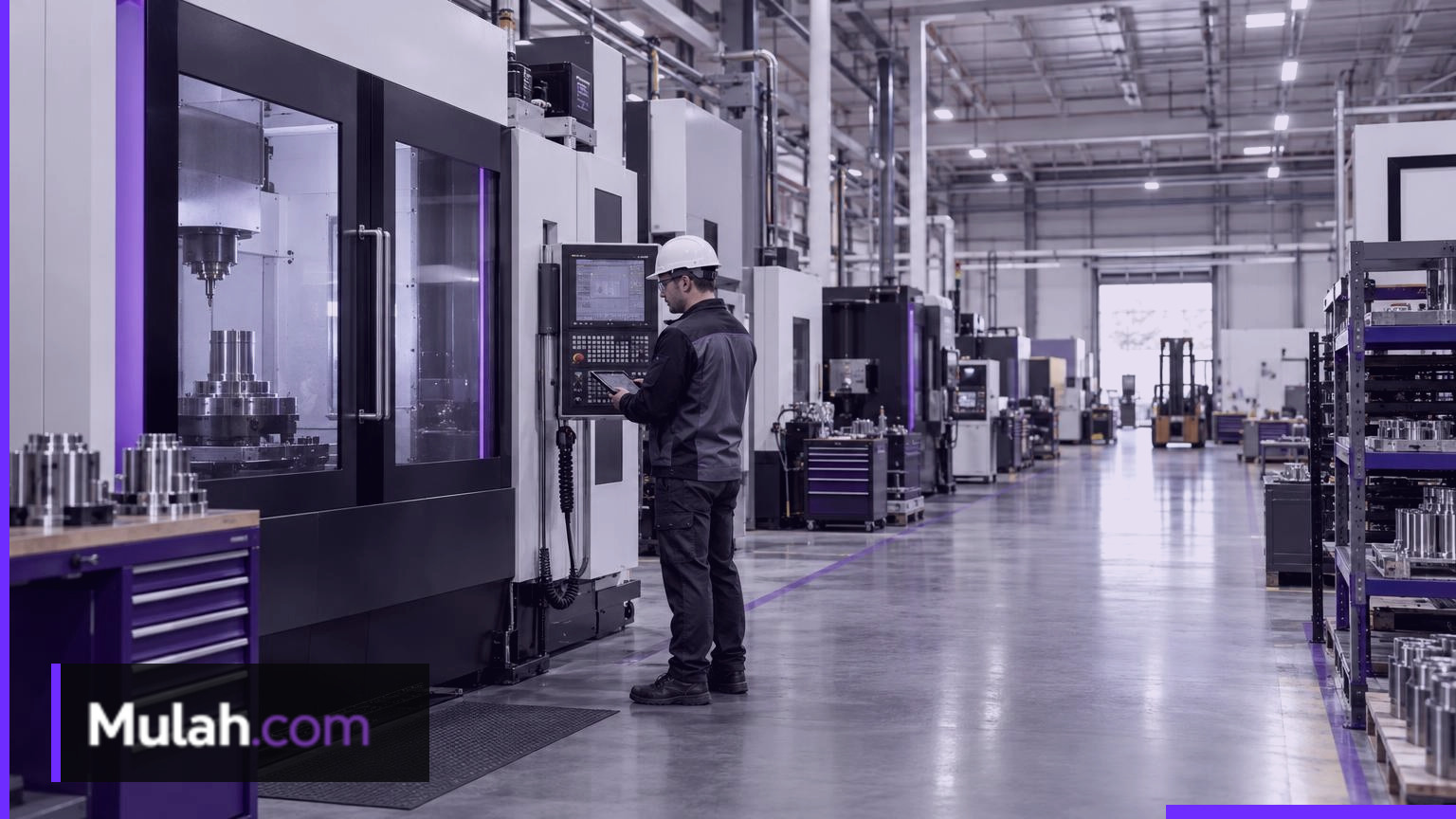
Manufacturing capacity is expensive to build and even more expensive to leave idle. A metal fabricator may need another machining cell because a specific operation holds up completed parts. A packaging company might need a second converting line to deliver repeat seasonal contracts. An electronics assembler may need inspection capability before qualifying for a new customer program. These are different projects, even if all are described as expansion.
Begin with the operating constraint, not a dealer's sales proposal. Compare backlog by certainty, utilization by work center, throughput, production yield, overtime, outsourced work and delivery performance. High utilization can signal real demand, but it can also reflect rework, poor scheduling or unavailable materials. Those issues might be fixed before buying equipment.
A strong manufacturing expansion financing plan connects each expenditure to expected usable output. Identify what changes, which customer demand it serves, the qualified labor required and when the increased capacity becomes billable. A conservative forecast should include slower commissioning and early production scrap.
Decide whether replacement, debottlenecking, automation or a separate shift is the best answer. One machine in the right work center can be more valuable than a larger group of machines that creates a new downstream bottleneck.
Trace the cash requirements from the first supplier commitment to customer collection. This is the period the capital plan must survive.
Validate purchase orders, forecasts, product specifications and process engineering before committing to a particular machine or site layout.
Vendor deposits, rigging, electric upgrades, compressed air, ventilation, floor preparation and permits may come due months ahead of revenue.
Equipment delivery is not commissioning. Allow time for testing, programming, training, sample runs, validation and production approval.
Material purchases, extra operators, packaging, inspection and shipping begin as throughput stabilizes, sometimes before the first invoice can be issued.
Acceptance, billing milestones and customer payment terms determine when operating cash returns. Stress-test the full timeline.
Manufacturing expansion financing can include distinct cost categories. Machine quotes may not include freight, utility service, engineering, setup, installation, training or inspections. A new process may also need fixtures, quality equipment, spare components and working capital to purchase inputs while customer invoices remain unpaid.
Separate costs that create long-lived assets from expenses consumed during the production ramp. If the business owns its premises, building improvements may involve contractors and permits. A leased plant may require landlord approval and careful evaluation of the remaining lease term. Build a dated, line-item budget instead of estimating from the equipment purchase price alone.
| Capital category | Typical project needs | Decision check |
|---|---|---|
| Equipment | CNC machining, stamping, robotics, injection molding, mixing and packaging lines. | Vendor, service life, condition, installation and warranty. |
| Facility | Electrical, utilities, foundations, ventilation, loading and material flow. | Engineering, landlord consent, permits and construction schedule. |
| Operating ramp | Materials, operator training, production payroll, trial output and shipping. | Weekly cash needs before customer collections begin. |
| Resilience | Spare parts, inspection, contingency and replacement capacity. | Downtime risk and the cash reserve available after closing. |
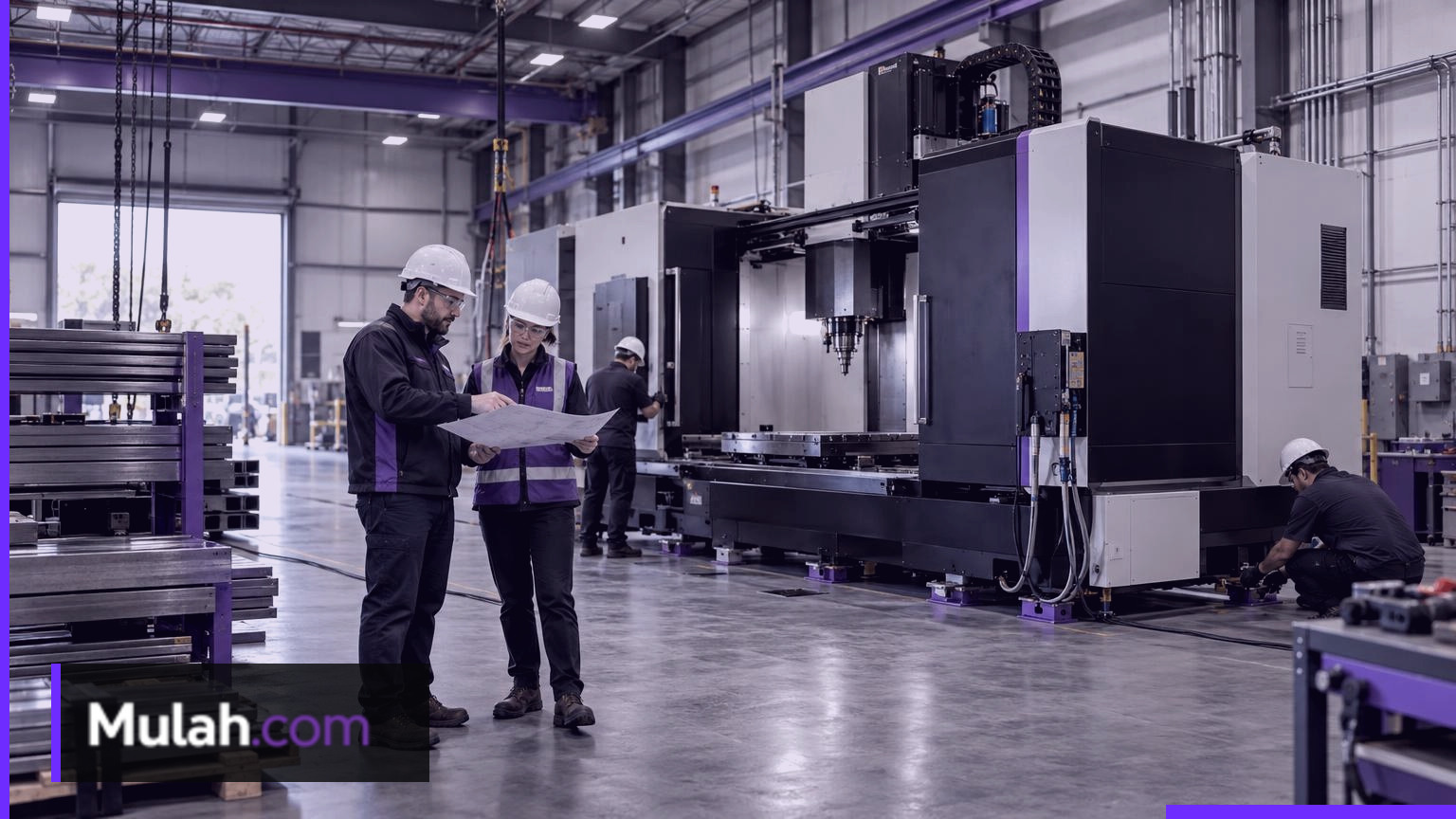
A new line can expose limits in receiving, storage, utilities, inspection and shipping. Before committing to machinery, verify floor loading, crane access, electric service, ventilation, cooling, and safe movement around the work area.
Installation may interrupt existing production. Coordinate rigging, site preparation and commissioning with delivery commitments. If a larger work center changes the pace of upstream or downstream processes, the plant may need additional handling equipment or inventory space.
Map the permitting, contractor and customer qualification timetable before choosing how much cash to borrow. Factory capacity becomes valuable only when the entire process can safely deliver accepted product.
A manufacturing expansion financing request should model the weeks after installation. Labor, maintenance contracts, utility costs and insurance can rise before the first extra customer payment arrives. Operators may need training; initial throughput may be below the equipment manufacturer's quoted specification. Tooling may require adjustments and customers may insist on first-article inspection.
Build a weekly cash forecast from deposit to final collection. Separate fixed commitments, variable material spend and timing-sensitive payments. Include realistic scrap, overtime, supplier lead times, testing, freight and receivables days. Create a downside case with a delayed customer release or a late machine component.
Owners often consider a business line of credit for recurring material purchases or accounts receivable financing for eligible completed invoices. A long-lived machine may be better evaluated under an asset-oriented structure. The right answer depends on underwriting, existing collateral and repayment capacity.
Keep enough cash for the rest of the plant. A successful expansion should not jeopardize payroll, taxes, safety maintenance or normal supplier payments. Financial reserves provide time to solve operational problems without taking on emergency obligations.
Match repayment to the life of the investment and the cash cycle it supports. Buying machinery, improving a facility and ordering components are different economic activities. The cost of a financing product should be compared against the value it adds and the owner's ability to meet every payment under conservative assumptions.
Equipment financing and leasing may suit eligible machinery and related installation. Consider down payments, vendor rules, collateral, useful life, residual value and prepayment terms.
Some projects call for capital covering several purposes. Qualified businesses may consider SBA-backed 7(a) or 504 programs through participating lenders. Each product has specific rules.
Repeat purchases or long collection cycles may fit revolving capital. Asset-based lending can depend on eligible receivables and inventory, reporting requirements and borrowing-base controls.
Do not compare only monthly payments. Review fees, total repayment, variable provisions, reporting duties, guarantees and liens. A payment structure that consumes collections before a new line reaches consistent output can create unnecessary risk.
Manufacturing expansion financing makes sense when a specific investment increases productive contribution and the business can carry its obligations even when ramp-up is slower than planned.
Is backlog repeatable and profitable, or mostly uncommitted estimates that may not turn into orders?
Are utilities, operators, tooling, component suppliers and quality approvals in place?
Can the business withstand slower commissioning, rejection, customer delays or rework?
Do total repayment, security interests and payment frequency align with the asset and operating cash flow?
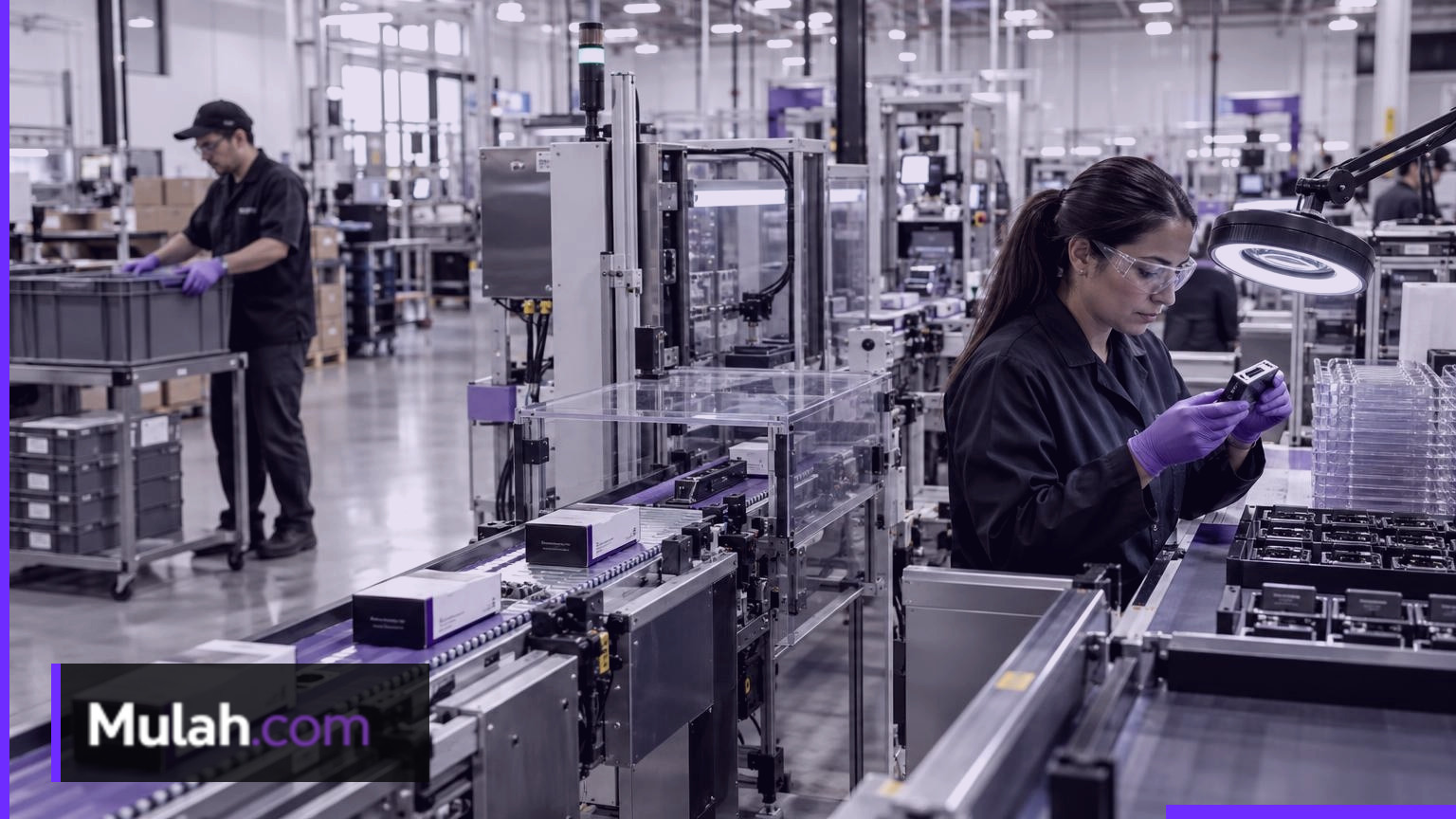
A precision machine shop may add a CNC cell, but programming, fixturing, tooling and operator learning time determine the output. A packaging manufacturer may need another converter, upstream handling, finished-goods storage and seasonal inventory.
For food production, a new line can require sanitation validation, refrigeration, traceability and additional quality staff. Injection molders may need mold qualification and material drying capacity, while electronics assemblers may need inspection systems and controlled work areas before accepting more orders.
Manufacturing expansion financing should reflect these distinct operating requirements, not simply the price of another machine. A phased installation can also make sense when the owner wants to learn from the first work cell before committing to the next.
Reviewers may request recent bank statements, profit-and-loss and balance-sheet records, tax information, owner details, a debt schedule and evidence of available cash. Project materials can include equipment quotes, installation contracts, engineering estimates, facility permissions, operating forecasts and customer orders.
Explain current utilization by work center, production yield, order backlog, customer concentration, planned staffing and the expected contribution of the new equipment. If the project depends on one large customer, review the customer's cancellation rights, quality requirements and payment cycle. An order can be persuasive evidence, but it is not the same as collected revenue.
When submitting manufacturing expansion financing information, disclose existing liens and obligations so proposed collateral is not unintentionally pledged twice. Identify unusual expenses or temporary production shutdowns clearly, rather than relying on optimistic explanations. Exact requirements vary by program.
A useful application includes both the most likely outcome and a downside scenario. If sales take longer to arrive, show the operating reserves and other cash sources that would service obligations while management solves the delay.
Mulah can help owners explore funding around machinery, facility and working-capital needs together. A traditional bank may provide a familiar credit process and strong relationship context. Neither automatically offers better pricing, faster funding or guaranteed approval; compare the actual written offer.
| Review area | Mulah approach | Traditional bank approach |
|---|---|---|
| Starting point | Project purpose, operating cash, company profile and potential program fit. | Institution product policies, relationship and financial history. |
| Project uses | May consider equipment and operating needs across potential funding structures. | Equipment, real estate and operating credit may require separate products. |
| Documentation | Depends on program and exposure; project, cash-flow and equipment records matter. | May involve standard financial reporting, collateral and policy review. |
| Decision | No approval or funding date guaranteed; review all written terms. | No approval or funding date guaranteed; review all written terms. |
The best manufacturing expansion financing conversations start with a clear description of the constraint, budget, expected output and the cash the company must protect. Avoid relying solely on a machine seller's promised capacity. The owner's operating forecast should explain the path from delivery through production qualification and final customer collections.
Identify the bottleneck, vendors, use of proceeds, schedule and the minimum reserve required after closing.
Share requested financial records, current obligations, project evidence and realistic cash-flow assumptions.
Compare payment timing, total cost, collateral, guarantees, covenants and stress-case affordability.
Manufacturers can use public program descriptions to research eligibility and seek operational help. These resources do not constitute an approval or establish which structure will be offered. A business funding calculator can help test hypothetical payments against a conservative project budget.
Manufacturing expansion financing is business capital used to increase or improve a factory's productive capacity. Depending on the provider and product, eligible uses may include machinery, tooling, facility improvements, new staff, inventory, and the working capital required before new customer payments arrive. No approval or particular terms are guaranteed.
Some financing structures permit multiple eligible uses, but equipment-specific products may be limited to machines and approved installation costs. Separate the asset budget from training, payroll, raw materials, and operating reserves. Compare all written terms and permitted uses carefully.
Not necessarily. Firm orders, historical utilization, repeat purchases and credible forecasts help explain demand. A signed contract is not guaranteed cash, and lenders may evaluate cancellation rights, payment terms, customer quality, and production acceptance requirements.
Potentially. A factory expansion may involve real estate, renovation, electric service, ventilation, compressed air, permits, material handling, and relocation. Real estate, equipment and operating capital have different finance characteristics; eligibility and collateral conditions vary.
Start with a dated project plan and vendor quotes. Include equipment, shipping, installation, tooling, engineering, qualification runs, inventory, labor and a reasonable contingency. Subtract available cash or committed vendor credit, then model what happens if production begins later than forecast.
Providers may ask for recent business bank statements, financial statements, tax returns, current liabilities and liens, equipment quotes, ownership records and a use-of-funds schedule. Customer mix, utilization, order backlog and expected cash generation may also be useful.
Eligible manufacturers may explore SBA-backed lending through participating lenders. The SBA 7(a) program can support certain equipment, working capital and facility purposes. The 504 program focuses on major fixed assets. Each has its own eligibility and underwriting standards, and no SBA option is guaranteed through Mulah.
A commissioning delay can mean ongoing payroll, insurance and equipment costs without forecast revenue. Build a weekly cash model that extends beyond the planned start date, maintain operating reserves, and clarify when payments begin under the actual financing contract.
No. The availability, amount, cost, collateral, repayment schedule and funding date depend on the submitted information and underwriting. Owners should review the complete written offer and ensure repayment fits a conservative production and collection forecast.
Bring equipment quotes, capacity evidence, a facility schedule and a realistic cash forecast. Explore funding options that may fit the manufacturing expansion you can operate and repay.
877-816-8524Terms and availability are subject to underwriting. No guaranteed approval.
