Operating history
Show how long the business has operated and how long you've owned it. A newly purchased store and a newly opened location present different underwriting questions.
A broken washer costs you more than a repair bill. It takes capacity off the floor while rent, utilities, and debt payments keep coming. If you're looking for small business loans for a Kentucky laundromat, the first question is what the money needs to accomplish: replace equipment, carry a temporary expense, buy a store, or support a larger renovation.

Separate the project from the cash shortage. Replacing six aging washers is an equipment decision. Covering a utility bill after paying for an unexpected repair is a working-capital decision. Buying the laundromat next door is an acquisition. Calling all three a business loan request makes it harder to choose a sensible structure.
Your revenue mix matters, too. Self-service collections, wash-and-fold receipts, and commercial laundry accounts arrive differently and carry different expenses. More sales don't automatically mean more cash available for payments, especially when a new service requires employees, supplies, and delivery mileage.
Mulah is a business-funding marketplace that helps you understand available options and prepare a focused request. This guide to Laundromats Business Funding in Kentucky explains the tradeoffs before you apply. For a broader introduction, see the guide to small business funding and loans.
Two Kentucky laundromats can have very different financing needs. A store in leased space with older plumbing faces different constraints than a business that owns its building. Local customer traffic, parking, competing laundry options, and the condition of the premises belong in your budget. A statewide assumption won't tell you what your particular location can support.
For a remodel, get site-specific answers before settling on the funding amount. Ask qualified contractors about electrical capacity, water service, drainage, venting, and installation requirements. Check applicable permits and approvals with the relevant local offices. The equipment quote alone may leave out expensive work that has to happen before a machine can run.
If you lease, read the provisions covering alterations, equipment removal, assignment, and renewal. A landlord's verbal support isn't a substitute for required written consent. For an acquisition, investigate the lease transfer early; buying equipment and goodwill won't secure your location if the necessary occupancy arrangements fall through.
When you research small business loans, you'll also encounter leases and revenue-based products that may not be conventional loans. Ask what you're signing, what the money can be used for, and how payments work.
| Option | Often considered for | How to think about it |
|---|---|---|
| Term loans | A defined renovation, acquisition, or other substantial expense with a clear budget. | You receive a lump sum and repay it over an agreed term. Evaluate the payment schedule, total repayment, fees, security requirements, and any early-payoff provisions. |
| Working capital funding | A temporary operating need, such as payroll during a service expansion or expenses surrounding a planned shutdown. | Working capital describes the purpose, not one universal contract. Funding may be structured as a loan or another product, with materially different costs and payment terms. |
| Business line of credit | Recurring but uneven needs, including repairs and short gaps between expenses and receipts. | You draw against an approved limit under the agreement's rules. Check draw fees, payment calculations, renewal conditions, and whether repaid amounts become available again. |
| Equipment financing or leasing | Commercial washers, dryers, payment systems, and other eligible equipment. | An equipment loan generally finances a purchase; a lease provides use under its contract. Understand ownership, liens, included installation costs, and any end-of-term purchase obligation. |
| SBA financing | Eligible acquisitions, equipment purchases, improvements, or working capital when the project and business meet program requirements. | Participating lenders make SBA-backed loans. The SBA guarantee protects the lender in part; it doesn't remove your repayment responsibility or the lender's underwriting. |
| Revenue-based financing | A defined need supported by documented receipts, after testing the effect on daily cash. | Some products purchase future receivables rather than make a loan. Collection methods vary. Read the contract for withdrawal frequency, reconciliation rights, total purchased amount, and default terms. |
Get an itemized quote showing model numbers, capacity, delivery, removal, installation, and warranty coverage. Ask which costs the financing provider will include. If plumbing or electrical work requires a separate contractor, put that estimate in the same project budget rather than treating it as an afterthought.
Then calculate the disruption. Replacing a full bank of washers can reduce available capacity while work is underway. A phased replacement may keep more machines earning, although separate deliveries or installation visits could cost more. Let actual contractor schedules and your busiest periods guide the decision.
Treat projected savings cautiously. More efficient equipment may reduce consumption per cycle, but actual savings depend on pricing, customer usage, utility rates, and the machines being replaced. Don't make the payment affordable only by assuming immediate sales growth. Ask how used equipment, warranties, and equipment age affect the offered terms.
For an existing laundromat purchase, examine tax returns, financial statements, deposit records, payment-system reports, and utility bills together. Utility use can provide context, but it doesn't prove revenue on its own. Any claim about collections should have a reasonable, documented explanation that survives closer scrutiny.
Inspect the equipment and obtain a realistic near-term replacement budget. A purchase price that seems manageable can become difficult if several machines require replacement soon after closing. Include professional fees, deposits, initial repairs, and operating cash in the full acquisition budget, subject to what the selected financing allows.
SBA financing may be worth discussing for an eligible acquisition or substantial expansion. Expect detailed underwriting and program-specific requirements, potentially including an equity contribution and guarantees. Don't commit to a closing date on the assumption that financing is certain. Coordinate the purchase agreement, lease arrangements, and financing contingencies with your advisors.
A credit line can be useful when a repair bill arrives before your normal cash cushion has recovered. Draw only what the situation requires and plan how you'll reduce the balance. If the line stays fully drawn month after month, the problem may be pricing, expenses, or insufficient permanent capital.
Wash-and-fold growth deserves its own cash forecast. You may pay employees and buy supplies before a new route generates dependable receipts. Consumer orders usually don't create a useful invoice-financing opportunity. Commercial laundry accounts with eligible business invoices may be different, but customer credit, invoice terms, and provider requirements matter.
Be especially careful with frequent withdrawals tied to revenue-based funding. Gross receipts aren't the same as money left after utilities, rent, and payroll. If the agreement offers reconciliation when revenue changes, understand how to request it and what documentation is required. Don't assume withdrawals will automatically fall when your sales do.
Requirements differ by product and provider. Your strongest request connects documented revenue, a specific use of funds, and a payment your business can sustain.
Show how long the business has operated and how long you've owned it. A newly purchased store and a newly opened location present different underwriting questions.
Supply deposits and sales records that explain your revenue. Unexplained cash claims are harder to support than consistent records tied to business accounts.
Expect scrutiny of rent, utilities, payroll, and other regular costs. Strong sales alone don't show what you can afford to pay.
Business and personal credit may affect eligibility and terms. Be ready to explain material problems accurately rather than assuming one score tells the whole story.
List balances, payments, and any assets already pledged. Existing liens can affect equipment financing or another provider's willingness to take security.
Clear quotes, a workable lease, and realistic timing strengthen the request. Unresolved landlord consent or uncertain construction costs can hold up a sound financing plan.
The exact request will vary. Gather readable, current records, and make sure names and figures agree across documents. Explain unusual activity instead of leaving the provider to guess.
A useful funding request specifies the expense and what changes once it's paid. Keep these purposes separate when building your budget.
Use service history to prioritize equipment that repeatedly goes out of order. Request financing for a defined replacement group rather than an unsupported allowance for future breakdowns.
Budget for compatible hardware, installation, software, and ongoing processing costs. The financing payment is only one part of the new system's effect on your margin.
Price flooring, lighting, seating, and accessibility-related work with appropriate contractors. Separate necessary repairs from cosmetic improvements that your current cash flow may not justify.
Include labor, storage, supplies, and training, not only machines. Build the budget around realistic order volume rather than assuming every new employee starts fully productive.
Fund the transaction around verified earnings, equipment condition, and occupancy rights. Leave room for the working cash you'll need immediately after taking over.
A documented, one-time repair or short interruption may justify working capital. Repeated borrowing for ordinary bills calls for a closer look at the underlying business.
These are planning examples, not customer stories or financing offers. Each shows a different reason to choose, resize, or postpone a funding request.
Get repair estimates and replacement quotes before financing the entire group. If some machines have useful life left, replacing only the worst performers may preserve cash. Put temporary lost capacity and installation costs into the calculation, then test the payment without assuming higher vend prices.
Reconcile collections to deposits and explain the timing. Separate personal transfers from customer receipts. Better documentation won't guarantee approval, but it gives a provider a clearer picture than a bank statement with unexplained spikes and gaps. Fix the records before adding complexity to the request.
Don't finance an expansion solely because the space is convenient. Price the buildout, investigate utility capacity, and estimate incremental demand. If the expansion depends on a lease amendment or permits, resolve those conditions before taking funding that begins collecting payments while the project remains stalled.
A recurring business customer could improve sales while increasing payroll needs before invoices are paid. Examine the contract, payment history, and concentration risk. Eligible receivables financing may be relevant, but a single slow-paying customer should not become the sole source for covering your new financing payments.
Address renewal rights before committing to equipment or improvements that are costly to relocate. Ask what happens if you move, sell the business, or cannot renew. A longer financing term can lower a payment, but it doesn't fix uncertainty about where the business will operate.
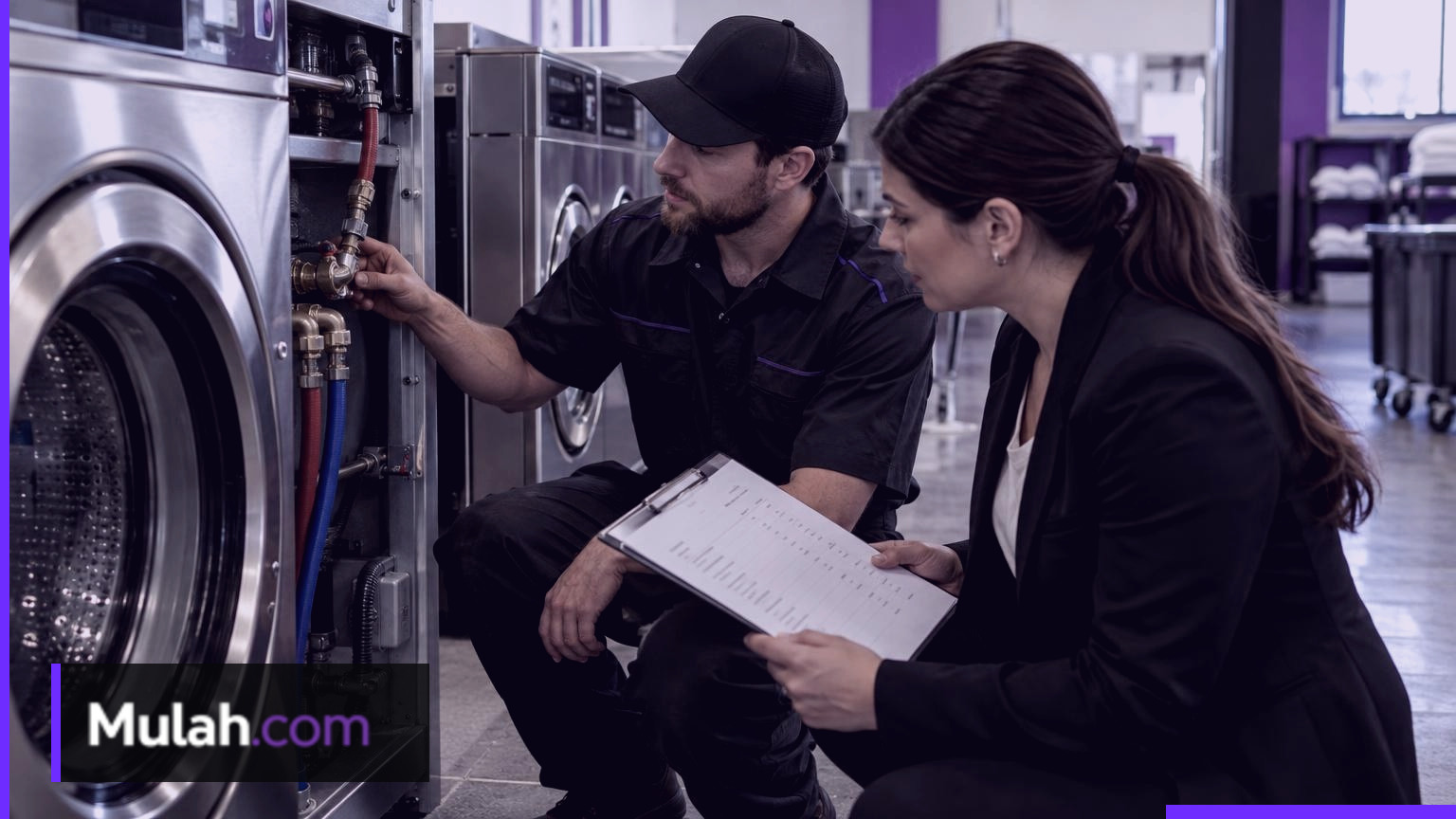
Your bank balance can look healthy immediately after a collection and much tighter after rent and utilities clear. Don't judge affordability from that high point. Use several months of actual cash activity and account for expenses that don't arrive every month, including insurance renewals and larger maintenance jobs.
Keep business profit separate from cash available for debt payments. You may need money for taxes, your own compensation, and repairs even when the income statement shows a profit. If those items aren't included in your calculation, the proposed payment can look easier than it really is.
Also look at what you already owe. An equipment note, a credit line, and frequent automatic withdrawals can overlap in an uncomfortable way. Adding financing should solve a defined problem, not leave you borrowing again to cover payments on the first transaction.
A simple cash calendar often reveals more than an annual revenue total. Map these five points before choosing a payment schedule.
Separate coin collections from card and app settlements. Record the collection dates so a delayed deposit doesn't look like a sudden sales decline.
Consistent business deposits make your receipts easier to verify. Explain cash used directly for business expenses rather than leaving a gap in the records.
Place water, sewer, gas, and electricity payments on the calendar. Usage changes and billing adjustments can squeeze a month that otherwise looks normal.
Use your service history to budget for repairs. Financing new machines doesn't eliminate maintenance costs for the equipment that remains.
Test the actual due dates against your low-balance periods. Daily or weekly withdrawals can create pressure even when a monthly total appears affordable.
Product names are only the beginning. These questions tell you whether a particular offer belongs on your shortlist.
A machine expected to serve customers for years usually deserves a different schedule than a short operating gap. Avoid using expensive, short-duration funding for a project that won't produce cash until well after installation.
Ask about down payments, deposits, fees, and costs paid outside closing. Preserve enough cash to open the doors after the project. Financing the equipment doesn't necessarily finance every dollar required to put it into service.
Request the net proceeds, payment amounts, number of payments, and total repayment. Use the business funding calculator for planning, then rely on the actual offer documents for the final terms.
Early payment doesn't always reduce the cost as much as you expect. Ask for a written payoff explanation. A factor rate, which multiplies the funded amount to calculate a repayment figure, isn't an annual interest rate.
Related Mulah resources include working capital funding, business lines of credit, equipment financing and leasing, term funding, SBA loans, revenue-based financing, startup funding, accounts receivable financing, and the business funding calculator.
An offer can be available without being right for your store. Read it against these practical tests.
Use a weaker month from your own records, not an invented industry average. Include the proposed payment and normal expenses. If the balance turns negative, reduce the project, contribute more cash, or seek a different structure.
Understand personal guarantees, equipment liens, and any broader claim against business assets. Ask what triggers default and whether another financing agreement could conflict with the new one. Get professional advice on language you don't understand.
Don't use every available dollar for a down payment. Decide what cash must remain for utilities, repairs, and ordinary business needs. A completed renovation won't protect you from an empty operating account.
The amount that looks attractive on an offer is not always the amount that makes sense to take. Tie the request to a real expense, a realistic payoff period, and the cash the business can still live on if a customer pays late or a strong month comes in softer than expected.
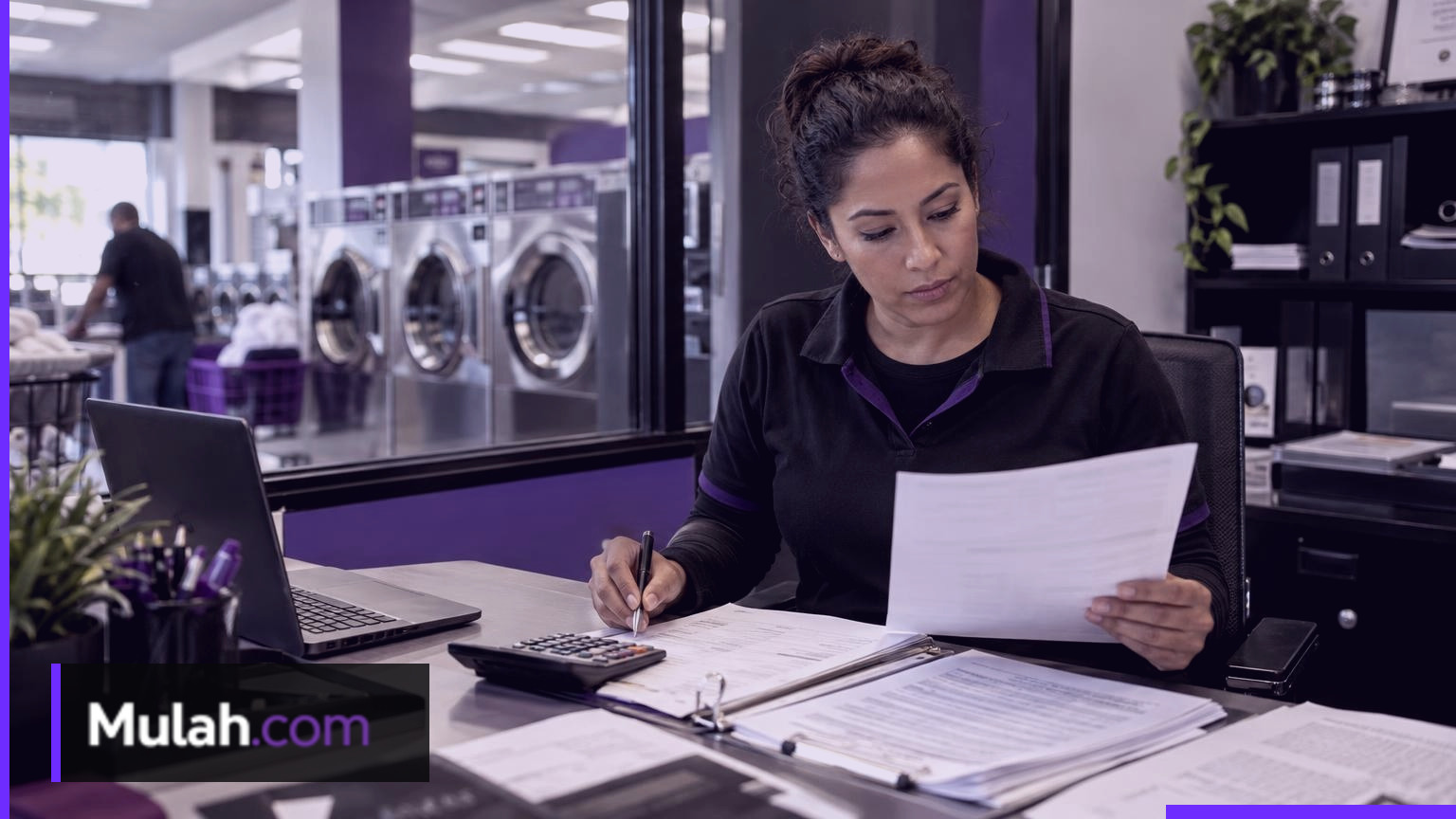
Mulah helps you work through funding options as a business-funding marketplace. A focused request gives the process a useful starting point: what you need, what it costs, when you need it, and what your current cash flow supports. The goal is to understand the fit, not simply pursue the largest possible amount.
Through Mulah, you can prepare a request and consider financing options based on your business information. Eligibility, terms, documentation, and timing depend on the provider and product. Keep your equipment quotes, financial records, and questions together so you can evaluate any offer against the same project budget.
Ready to put the numbers together? Your next step is a complete project budget and a realistic payment limit, followed by a funding request that matches both.
List the costs the financing needs to cover and the cash you'll contribute. Distinguish required work from optional upgrades so you can resize the request without losing the project's main benefit.
Gather your records and use the Mulah application to begin your request. Provide accurate figures and respond to requests for clarification without changing the underlying facts.
Read the payment schedule, total cost, guarantees, liens, and payoff provisions. Accept financing only after you understand the agreement and have tested its payments against your store's ordinary cash needs.
Provide the business and financial information needed for a funding review.
Start with a shorter path when you want to discuss the business need before completing the full application.
Review official SBA information about federal small-business loan programs and lender participation.
Official guidance on financial management, cash flow, bookkeeping, and business planning.
Use the official source for current program, regulatory, or business guidance related to this topic.
Use the official source for current program, regulatory, or business guidance related to this topic.
Potentially. Providers consider the business, its finances, the requested use, and their own criteria. Your location alone doesn't determine eligibility. Documented revenue, manageable debt, and a clear project budget give the request substance.
Equipment financing or leasing is often worth considering because it connects the funding to specific machines. A term loan may also fit. Evaluate installed cost, ownership terms, down payment, and the useful life of the equipment.
Some providers finance used equipment, subject to their requirements. Age, condition, seller information, value, and expected useful life may matter. Obtain service records and clarify warranty coverage before choosing used machines primarily for their lower purchase price.
Possibly, but don't assume those expenses are included in an equipment offer. Give the provider itemized quotes and ask which costs qualify. You may need a different structure for substantial building improvements.
An eligible acquisition may fit an SBA loan program through a participating lender. Business eligibility, documented cash flow, transaction details, and current program rules matter. Expect a more involved process than simply financing a quoted machine purchase.
Startup financing is different from financing an established store. Without operating history, providers may place greater weight on your experience, credit, available equity, project plan, and collateral. Don't assume products advertised for existing businesses accept startups.
Maintain dated collection logs and reconcile them with deposits and accounting records. Keep records of any cash used for legitimate business expenses. Payment-system reports and tax returns should support the broader picture rather than contradict it.
You might. Requirements depend on the provider, product, ownership, and transaction. A personal guarantee can make you personally responsible under its terms, even though the financing is for your business. Read it before signing.
Not necessarily. An existing equipment lender or another creditor may already hold a lien. Provide current financing documents and ask how existing claims affect the proposed transaction. Ownership and unencumbered ownership aren't the same thing.
A line may suit recurring, uneven expenses when you don't need all the money at once. A lump sum may suit a defined purchase. Fees, draw rules, payment requirements, and total cost determine which works better.
Put the withdrawals on your actual cash calendar. Account for weekends, settlement timing, utilities, and payroll. Don't rely only on an average monthly payment if the account could run short between deposits.
Ordinary coin and card sales generally don't create outstanding business invoices to finance. If you provide commercial laundry services on credit, eligible invoices may support receivables financing. The customer, invoice terms, and provider's requirements still matter.
Some products allow eligible refinancing. Examine the old payoff amount, any penalties, new fees, and the new total cost. A lower payment can improve cash flow while increasing what you pay over a longer term.
No. Proper registration and applicable licenses are part of running the business, not a financing approval. Providers still evaluate financial records, credit, the requested use, and other requirements.
Start with the need, the amount, and the timing. Mulah can help you review possible business funding options before you decide whether to move forward.
Call 877-816-8524