Business history
An established store has operating records to support a request. A new location needs projections, relevant experience, a credible buildout budget, and a clear explanation of your cash contribution.
A broken washer costs more than the repair bill when customers leave with their laundry. A full replacement project creates a different challenge: paying for machines, installation, and downtime without draining your cash. This guide to Laundromats Business Funding in Kansas explains how to evaluate small business loans and other financing structures around the way your store actually earns money.
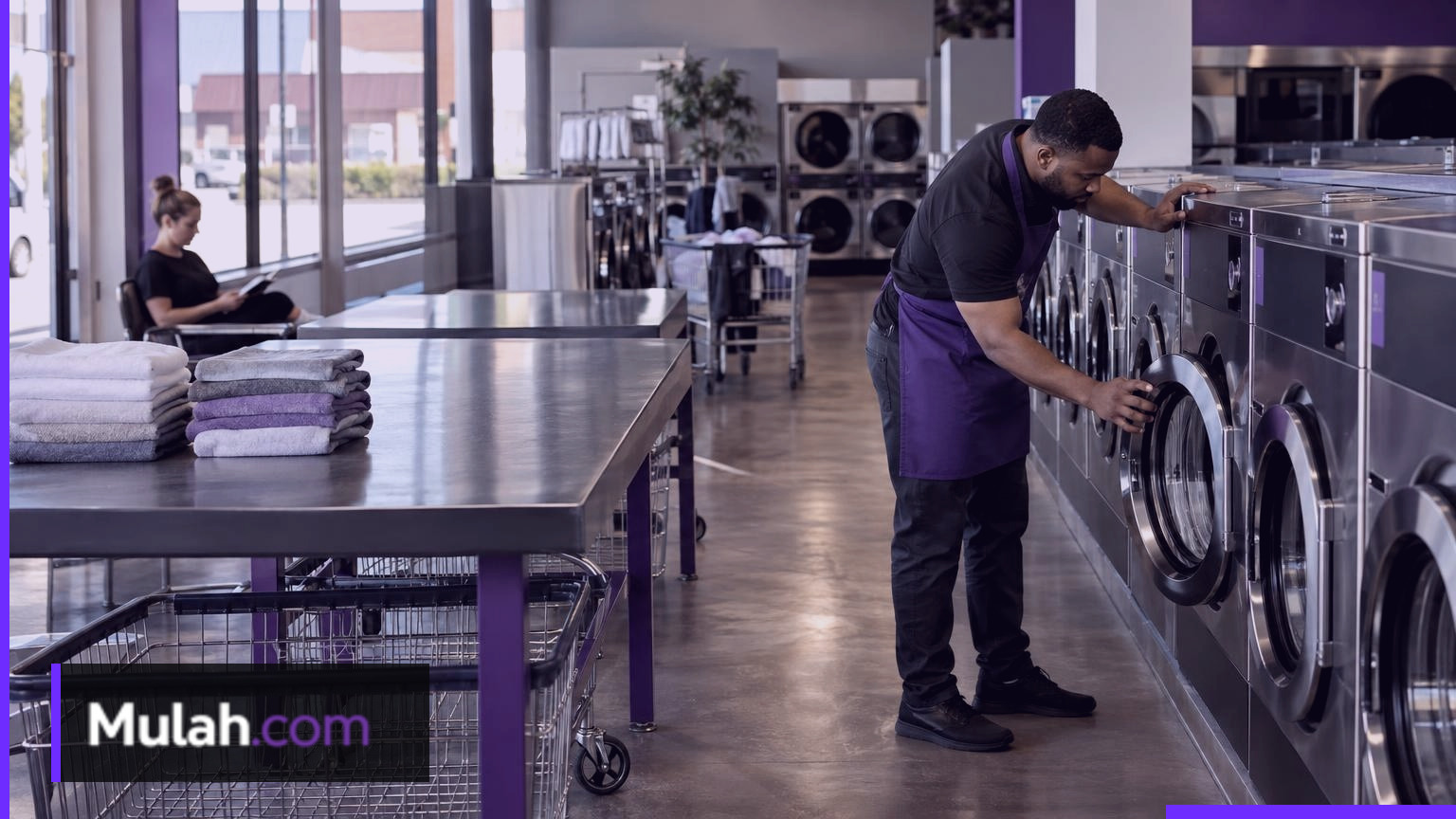
Fund the problem that is costing you the most, not necessarily the project that looks best. Repeated breakdowns on heavily used washers may deserve attention before new flooring. But replacing machines won't solve a location with an unreliable water supply or a lease that expires before the investment pays off.
Separate essential work from optional improvements. Get written estimates for the machines and the work required to put them into service. Then keep a cash reserve outside that project budget. Your rent and utility bills continue even when installers occupy part of the store.
Your financing request should explain the business purpose in ordinary terms: replace unreliable capacity, lower documented operating costs, buy an existing location, or cover a temporary cash gap. A specific request is easier to evaluate than a round-number request for general growth.
There isn't one financing formula for every Kansas laundromat. A neighborhood store in Wichita, a location serving students, and a smaller-town laundry can have different traffic patterns. Use your own weekly collections and customer activity rather than assuming a statewide pattern applies to your store.
Utility costs deserve particular attention because every cycle uses resources before it produces profit. Gather actual water, sewer, gas, and electricity bills. Check the rates and billing practices that apply to your address; don't build a savings forecast around another owner's bill or a statewide average.
Construction requirements also depend on the property and the work. Before financing a larger machine bank, ask qualified contractors and the relevant local offices about utility capacity, permits, inspections, and accessibility requirements. A lender's willingness to finance equipment doesn't mean your space is ready to accommodate it.
When you research small business loans, you'll also encounter products that aren't conventional loans. Look beyond the advertised payment: understand how charges accrue, what secures the financing, and what happens if revenue falls.
| Option | Often considered for | How to think about it |
|---|---|---|
| Term loans | A defined renovation, acquisition, or other project with a known budget. | You receive a lump sum and repay it over an agreed term. Term loan options differ in rates, fees, security requirements, and payment schedules. |
| Working capital financing | A temporary operating gap with an identifiable source of repayment. | Funding supports everyday expenses rather than a specific asset. Working capital financing is a purpose category; its underlying contract may be a loan or another structure. |
| Business line of credit | Uneven repair bills or short gaps between expenses and available deposits. | You draw against an approved limit under the agreement's rules. A business line of credit may carry draw fees, maintenance fees, or renewal conditions. |
| Equipment financing or leasing | Washers, dryers, and qualifying related equipment. | Financing generally ties repayment to identified equipment. With equipment financing and leasing, ownership, end-of-term options, and covered installation costs depend on the contract. |
| SBA financing | An eligible acquisition, substantial improvement, or qualifying property project. | Participating lenders make SBA-backed loans subject to program and lender requirements. SBA financing can involve detailed documentation, an equity contribution, and a longer closing process. |
| Revenue-based financing | A defined business need when the repayment structure fits documented receipts. | Revenue-based financing may involve purchasing future receivables rather than making a conventional loan. Understand deductions, reconciliation rights, total repayment, and default provisions. |
List each machine's condition, repair history, cycle count if available, and downtime. An older washer that runs reliably may be less urgent than a newer unit that repeatedly fails. Look at customer demand by machine size before replacing your mix one-for-one.
Ask vendors for model-specific utility specifications, warranty terms, parts availability, and installation requirements. Estimate savings using your actual rates and expected use. Faster cycles create additional revenue only if customers use the added capacity; don't count every theoretical extra turn as a paid turn.
For used equipment, request serial numbers, condition information, and service records when available. Ask the financing provider about age restrictions and inspections. For a lease, find out who owns the machines during the term, who handles maintenance, and what you must pay to keep them afterward.
Larger washers or a different dryer configuration can require changes to drains, venting, gas service, electrical systems, or water heating. Have qualified contractors evaluate the proposed layout. A vendor's equipment estimate may exclude work that determines whether the project is financially practical.
Clarify which improvements belong to you and which become part of the building. Get the landlord's written consent when required, along with any agreement about paying for the work. If the lease term is short, resolve renewal rights before borrowing for improvements you cannot easily move.
Build the project schedule around approvals, contractor availability, and equipment delivery. Ask when financing payments begin and whether disbursements follow project milestones. Keep a contingency based on contractor advice rather than assuming the first estimate will cover every condition discovered during construction.
Reconcile the seller's tax returns, bank activity, collection logs, card reports, and utility usage. Utility records can support an investigation of activity, but they don't prove revenue by themselves. Have an accountant examine claimed cash sales and expenses the seller says won't continue.
SBA-backed financing may fit an eligible laundromat purchase, including some transactions involving real estate. Program rules and lender requirements determine eligible uses, equity, guarantees, and documentation. Don't assume every acquisition qualifies or that the SBA lends directly to you through an ordinary business acquisition loan.
Budget beyond the purchase price. You may need closing costs, professional fees, opening working capital, and immediate repairs. Before your purchase agreement becomes binding, obtain legal advice about financing contingencies, landlord consent, due diligence, and what happens if the transaction cannot close.
Requirements vary by product and provider. Your goal is to make the store's cash flow understandable and explain any weaknesses before they become unanswered questions.
An established store has operating records to support a request. A new location needs projections, relevant experience, a credible buildout budget, and a clear explanation of your cash contribution.
Consistent, documented collections are more useful than unsupported cash-sales estimates. Explain unusual deposits, transfers, refunds, and any difference between card reports and bank receipts.
Business and personal credit may affect eligibility and terms. Be ready to explain recent late payments or other material issues; no single credit threshold applies across every product.
Disclose loans, leases, credit lines, and receivables purchases. Providers need to understand what you already owe, scheduled deductions, and any liens that could affect a new agreement.
Lease length, landlord permissions, equipment condition, and collateral can influence a decision. A strong revenue history doesn't remove the risks of an uncertain location.
Show what remains after normal operating costs and current payments. Providers may calculate debt-service coverage, a measure of cash available to cover debt payments.
Exact requirements depend on the transaction. Gather these records early, and send sensitive information only through the designated secure process.
Tie each dollar to a defined expense and a realistic business benefit. Avoid borrowing simply because an offer is available.
Finance a planned replacement when repair history and lost availability justify it. Include removal and installation so you don't finish the equipment purchase short of cash.
Budget hardware, software, installation, processing charges, and ongoing service fees. Understand how customer funds settle into your account before projecting better cash flow.
Use contractor estimates and actual consumption to evaluate the work. Check whether the equipment financing covers building improvements or whether those costs need separate financing.
Account for labor, supplies, storage, and turnaround capacity. More sales aren't automatically more profit if the service displaces self-service customers during your busiest hours.
Connect the purchase price to verified earnings, equipment condition, and lease security. Reserve money for transition costs instead of putting all available cash into the closing.
A credit line or working capital product may fit a short, explainable gap. Repeated borrowing to cover ordinary bills calls for a pricing and expense analysis first.
These are planning situations, not customer stories or predictions of approval. Each shows a different question to resolve before you borrow.
Separate emergency repairs from replacements that can wait. Obtain service estimates and replacement quotes, then consider phased installation. Financing every machine at once may create more payment pressure than your current collections can support.
A large fixed improvement is difficult to justify without location security. Negotiate the lease first. Even movable equipment can be expensive to disconnect, relocate, and reconnect if you cannot stay.
Don't borrow against earnings you cannot verify. Ask your accountant to reconcile available records and value the business using supportable information. A low advertised price doesn't resolve uncertain cash flow.
Prepare separate budgets for both stores. Include management coverage, additional repair exposure, and the cash needed before the second location stabilizes. Don't assume the first store can absorb every overrun.
If your wash-and-fold business invoices commercial customers, payment delays may create a genuine receivables gap. Accounts-receivable financing may fit eligible invoices, but ordinary self-service coin and card sales don't create that same unpaid-invoice asset.
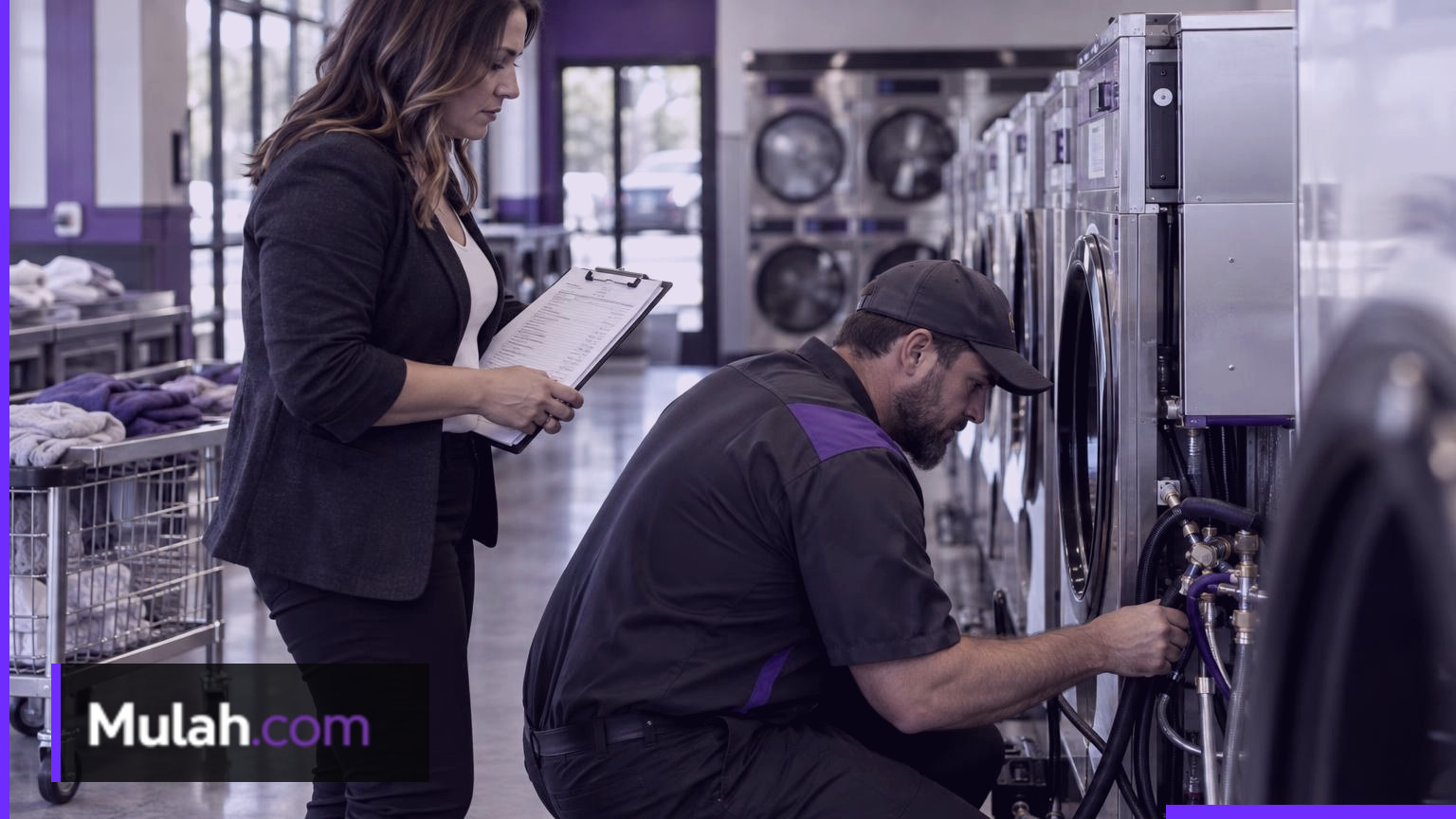
Buying a laundromat may involve several distinct assets: equipment, customer relationships, inventory, and possibly real estate. Ask for a purchase-price allocation that shows what you're paying for. Financing a business acquisition is different from financing a shipment of new washers.
If you lease the space, examine assignment rights and renewal options before committing to an acquisition. You need to know whether the landlord will accept you and allow the planned work. A profitable store can still be a poor purchase if you cannot secure its location on workable terms.
Keep household finances separate from the business request. A lender may examine your personal credit or require a personal guarantee, which makes you personally responsible under its terms. That doesn't turn the financing into a personal loan; the request should remain tied to a documented business purpose.
Laundromats often collect at the time of service, but that doesn't eliminate cash shortages. Follow the money from a paid cycle to the next major bill.
Track coin counts, card settlements, refunds, and wash-and-fold receipts. Avoid counting money twice when you transfer it from a collection account to your main business account.
A busy period can produce a larger utility bill later. Keep the related cash available instead of treating every strong collection week as money you can spend.
Belts, valves, and service calls are recurring costs. Financing every repair adds payment pressure and can hide the fact that your operating reserve is too small.
During a replacement project, you may have fewer working machines while expenses continue. Ask installers for a phased schedule and include the expected revenue interruption in your budget.
Monthly payments and daily or weekly deductions affect your account differently. Model the actual schedule, including weeks when rent, payroll, and utility payments fall close together.
The right amount is the amount that completes the job without forcing your store into a payment it can't support.
A machine quote isn't a complete budget. Add freight, tax, removal, installation, and any electrical or plumbing work. Ask which costs the proposed financing covers and which you must pay yourself.
Write down cash received, total scheduled payments, fees, payment frequency, and any final purchase amount. A factor rate is a repayment multiplier, not an annual interest rate. Ask for the APR when applicable.
Use the business funding calculator for planning, then test the actual offer against your statements. Include current debt payments and a repair reserve, not just rent and utilities.
Paying early doesn't always reduce the cost proportionally. Ask for a written payoff example and check for prepayment charges, minimum finance charges, or lease terms that continue despite an equipment replacement.
Related Mulah resources include working capital funding, business lines of credit, equipment financing and leasing, term funding, SBA loans, revenue-based financing, startup funding, accounts receivable financing, and the business funding calculator.
An approval is not the same as a sound business decision. Use your own numbers to challenge the proposal.
Test the payment without assuming an immediate sales increase. A replacement project should still make sense if customers take time to change their habits.
Leave enough cash for another repair while you repay the new financing. Otherwise, one funded replacement can lead directly to a second financing request.
Understand transfer restrictions, equipment liens, lease obligations, and payoff costs. Selling the store or losing the location doesn't automatically cancel a financing agreement.
The amount that looks attractive on an offer is not always the amount that makes sense to take. Tie the request to a real expense, a realistic payoff period, and the cash the business can still live on if a customer pays late or a strong month comes in softer than expected.
Mulah is a marketplace, not a promise of approval or a single financing product. You can use it to understand available funding paths and prepare a request around your laundromat's purpose, records, and budget. The provider's actual offer determines the costs and obligations.
Before submitting, write a short explanation of what you're funding, the complete cost, your available cash, and the payment you can support. The business funding resource gives you broader context if you're still deciding which structure fits.
Your next step is to turn the project into a clear request. You don't need a polished sales pitch. You need accurate numbers and a financing purpose you can explain.
Collect quotes, add related costs, and decide how much cash you must retain. Test payments against a weaker month before choosing the amount to request.
Use the Mulah application to provide your business details and funding purpose. Have your financial records ready for any follow-up requests.
Check total cost, deductions, security interests, guarantees, default terms, and payoff rules. Ask about anything unclear before signing, including when payments begin.
Provide the business and financial information needed for a funding review.
Start with a shorter path when you want to discuss the business need before completing the full application.
Review official SBA information about federal small-business loan programs and lender participation.
Official guidance on financial management, cash flow, bookkeeping, and business planning.
Use the official source for current program, regulatory, or business guidance related to this topic.
Use the official source for current program, regulatory, or business guidance related to this topic.
Startup financing is possible, but you won't have operating history to support the request. Expect closer attention to your experience, cash contribution, projections, lease, and buildout costs. Startup business financing has different challenges from funding an established store.
Some agreements include eligible installation and related costs; others cover only the equipment. Submit an itemized quote and ask specifically about freight, tax, removal, plumbing, and electrical work. Don't assume every quoted expense will be financed.
Some providers finance used machines, subject to their requirements. Equipment age, condition, seller documentation, and expected useful life can matter. Ask about inspections and eligible sellers before paying a deposit that you might not recover.
An eligible acquisition may qualify for SBA-backed financing through a participating lender. The business, transaction, and ownership must meet applicable requirements. Expect documentation of the purchase, business earnings, your contribution, and the location arrangements.
Request the documented cost you cannot prudently cover with business cash, while preserving an operating reserve. Include related expenses, but don't increase the request simply to reach an advertised funding amount. Your payment limit should influence the project size.
Keep dated collection logs and reconcile them with deposits, machine reports where available, and your accounting records. Explain cash retained for business expenses. Unsupported estimates make it harder to demonstrate revenue or evaluate a business you're buying.
A personal guarantee is common in many business financing arrangements, but requirements vary. Read its scope carefully. It can make you personally responsible if your business does not meet its obligations, even though the financing is for business use.
The financed equipment often serves as collateral. The agreement may include other security interests or guarantees. Ask exactly which assets are covered and whether an existing lien must be addressed before the new financing can close.
A credit line generally suits recurring, short-lived needs when you can repay draws. A term loan generally suits a defined expense repaid over time. Fees and repayment rules matter, so choose based on your actual use rather than the product name.
Financing pays for the work; it doesn't guarantee savings. Evaluate equipment specifications, actual utility rates, installation costs, and expected usage. Ask contractors to explain their assumptions and test whether the project remains affordable if savings are smaller than expected.
Timing depends on the product, provider, documentation, and transaction. An acquisition or construction-related request can require more steps than a straightforward equipment purchase. Don't commit to a payment deadline based on an assumed funding date.
Possibly, but disclose all current agreements and payments. Existing liens or contract restrictions may affect another request. More importantly, calculate the combined payment burden rather than judging the new offer in isolation.
No. Some arrangements purchase future receivables rather than create a conventional loan. Read how payments are calculated, whether reconciliation is available, and which events trigger default. The product label alone doesn't explain your obligations.
No. Don't plan a project around an assumed grant or rebate. If a local agency or utility advertises a program, verify current eligibility, funding availability, covered equipment, and application timing directly before including any benefit in your budget.
Start with the need, the amount, and the timing. Mulah can help you review possible business funding options before you decide whether to move forward.
Call 877-816-8524