Business equipment decisions
Heavy Truck Financing vs Leasing
Compare purchasing and leasing a commercial heavy-duty truck with the operating factors that really matter: total cost, maintenance exposure, cash reserves, ownership, and the plan for replacing the vehicle.
For commercial vehicle operators and established businesses assessing productive equipment. Funding availability and terms vary by applicant and provider.
The decision
Which agreement matches the truck's job?
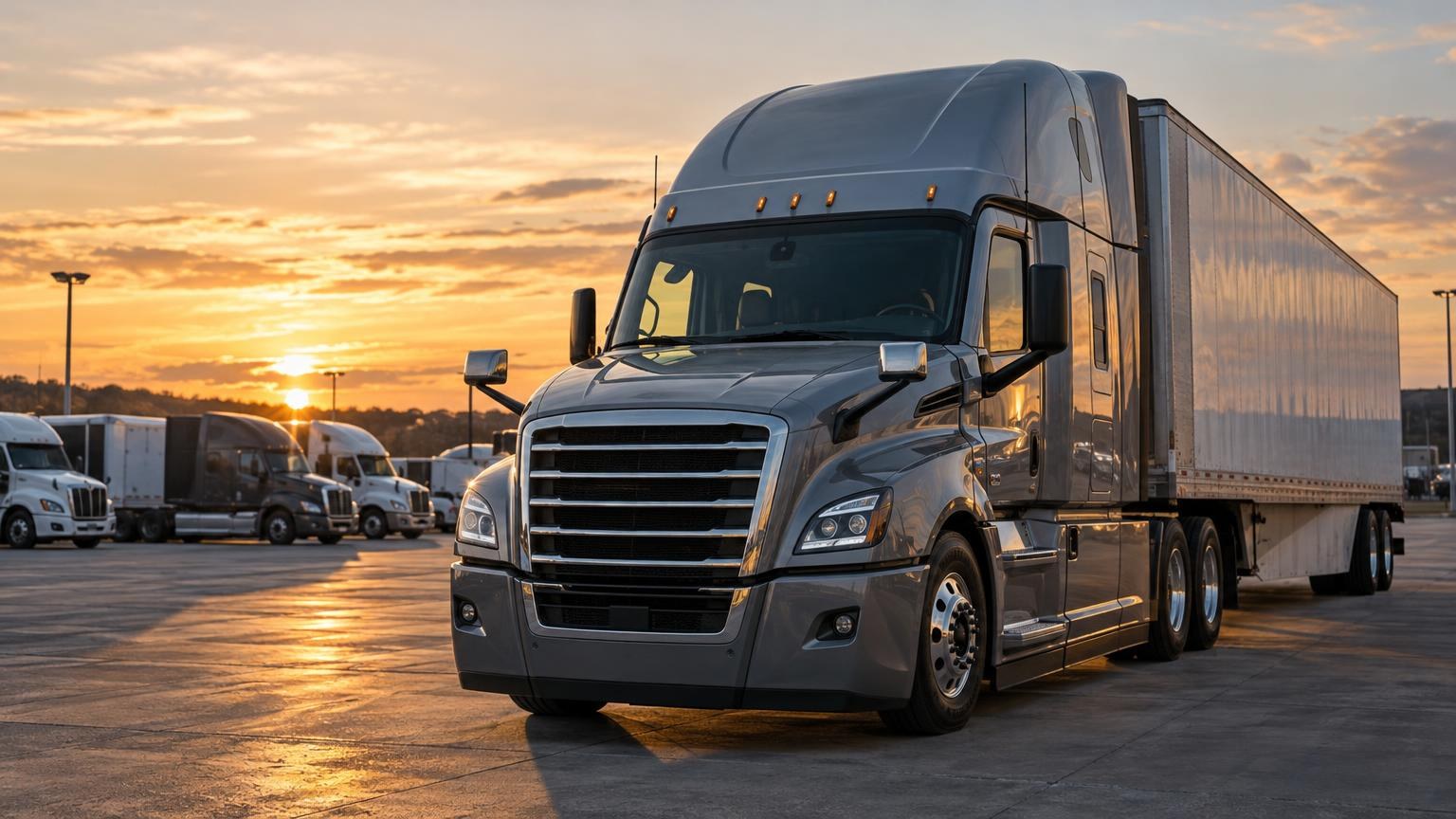
Financing and leasing should be evaluated against the work a commercial vehicle will perform, rather than the lowest advertised payment. A highway tractor serving stable interstate lanes has different needs from a dump truck exposed to seasonal projects or a heavy wrecker carrying specialized equipment. Start by writing down expected revenue, route lengths, annual mileage, customer concentration, dispatch pattern, maintenance access, and intended years in service.
Financing generally helps a business purchase an asset and work toward ownership under the credit agreement. Leasing gives the operator specified rights to use an asset for a term, sometimes with an option to buy. Both involve cash obligations and risks. A sound comparison accounts for operating expenses, potential downtime, taxes, insurance, and the cost of changing trucks when business needs evolve.
The financing route
Financing a heavy truck emphasizes ownership
Equipment financing often uses the purchased vehicle as collateral. Once the relevant obligations are fully satisfied, the lender's security interest can be released, subject to the documents and applicable procedures. Ownership can be attractive when a truck will remain productive long after its repayment period, particularly if the company needs custom equipment or can maintain the vehicle economically.
Ownership also brings exposure to mechanical failures, depreciation, and a resale value that can fall below an outstanding balance. Ask whether early payoff is permitted and what it costs, whether modifications need consent, which insurance protections are required, and how title release works. The right financing term should be measured against a realistic service life, not simply the longest schedule available.
The lease route
Leasing means reading the end-of-term provisions
Truck leases are not interchangeable. Some arrangements focus on temporary use and a return at the end of the contract. Others place much of the ownership-like burden on the operator or establish a purchase option. A sales label such as operating lease or finance lease does not establish all the economic or legal responsibilities. Read the actual agreement and understand its accounting treatment with professional guidance.
Confirm who holds title, who maintains the truck, which repairs are covered, whether mileage or engine hours are restricted, and how wear or damage is judged at return. Understand termination charges and any purchase-option price. A lease that seems flexible when the truck is delivered may become restrictive if the business later wins a higher-mileage contract or changes its service territory.
Practical comparison
Compare the same vehicle over the same time period
To compare proposals fairly, use the same truck configuration, down payment or deposit, contract duration, projected usage, insurance, maintenance plan, and expected exit date. Include sales tax or registration obligations as appropriate, documentation charges, freight, accessories, and any disposition costs. Do not compare a low lease payment to a loan payment without accounting for the remaining balance or buyout.
Consider the economic result in the month you expect to replace the truck. A loan may provide meaningful equity or leave a payoff balance; a lease may require return costs or a purchase payment. Analyze those outcomes with conservative resale and utilization assumptions. The best structure is not necessarily the least expensive in an ideal scenario; it should withstand the business's realistic downside case.
Cash at closing
Protect liquidity before signing
A larger down payment can reduce financed principal, but it can also drain the money needed to operate. Trucking businesses pay for fuel, drivers, insurance, tolls, permits, maintenance, parking, and repairs before every customer pays an invoice. The cash committed at closing therefore matters as much as the scheduled payment, especially for a small carrier adding its first or second unit.
Keep working capital and maintenance reserves visible in the budget. Compare the amount of cash required for the first thirty days, the first quarter, and the entire term. If a smaller upfront commitment merely pushes a much larger payment to the end, show that obligation explicitly. A vehicle is only affordable when the business can support both the agreement and the costs of earning with it.
Payment design
Understand balloon payments, residuals, and buyouts
Payment schedules can conceal major differences in risk. A proposed loan may amortize fully or leave a balloon amount, while a lease may involve a fixed buyout, a market-value option, or a negotiated return. Security deposits, origination costs, first payments, and nonrefundable fees should be identified separately. Ask for the entire schedule and the total amount payable through the planned exit date.
For a lease, determine whether residual exposure falls on the operator and how damage, excessive wear, or missing equipment will be charged. For a loan, calculate the outstanding balance at various exit dates and confirm prepayment and lien-release provisions. A lower monthly obligation is not necessarily a lower total cost if substantial money is due when the operator wants to change trucks.
Vehicle selection
New versus used trucks change the calculation
New heavy trucks can offer newer safety equipment, factory coverage, and more predictable maintenance early in their service life, but they may require substantial capital. Used equipment can lower initial acquisition costs while introducing greater uncertainty about corrosion, engine and transmission condition, emissions systems, tires, accident repairs, and prior service. A recently overhauled engine is not a substitute for a complete condition review.
Review the actual VIN, title, maintenance records, mileage, engine hours, inspection results, and warranty transfer rules before finalizing a proposal. Check that the quoted package includes the trailer, specialized body, hydraulic system, liftgate, or other essential accessories if those are part of the business case. Funding eligibility and terms can change when the underlying vehicle changes.
Mileage and use
Utilization affects the economics of a lease
A regional tractor returning to base each day, a long-haul sleeper running interstate routes, and a dump truck working construction sites may experience very different wear. For specialized vehicles, engine hours, idle time, and severity of duty can matter alongside odometer mileage. A lease agreement may impose specific usage assumptions; financing may offer more discretion at the cost of bearing wear and resale risk.
Create a forecast that reflects actual contracted and probable work rather than treating full utilization as automatic. Ask how the proposed structure handles high-mileage operations, new routes, or a customer demanding a different body configuration. If the business expects material changes during the term, the ability to adapt can outweigh a modest payment difference on day one.
Maintenance
Budget repairs and lost operating days
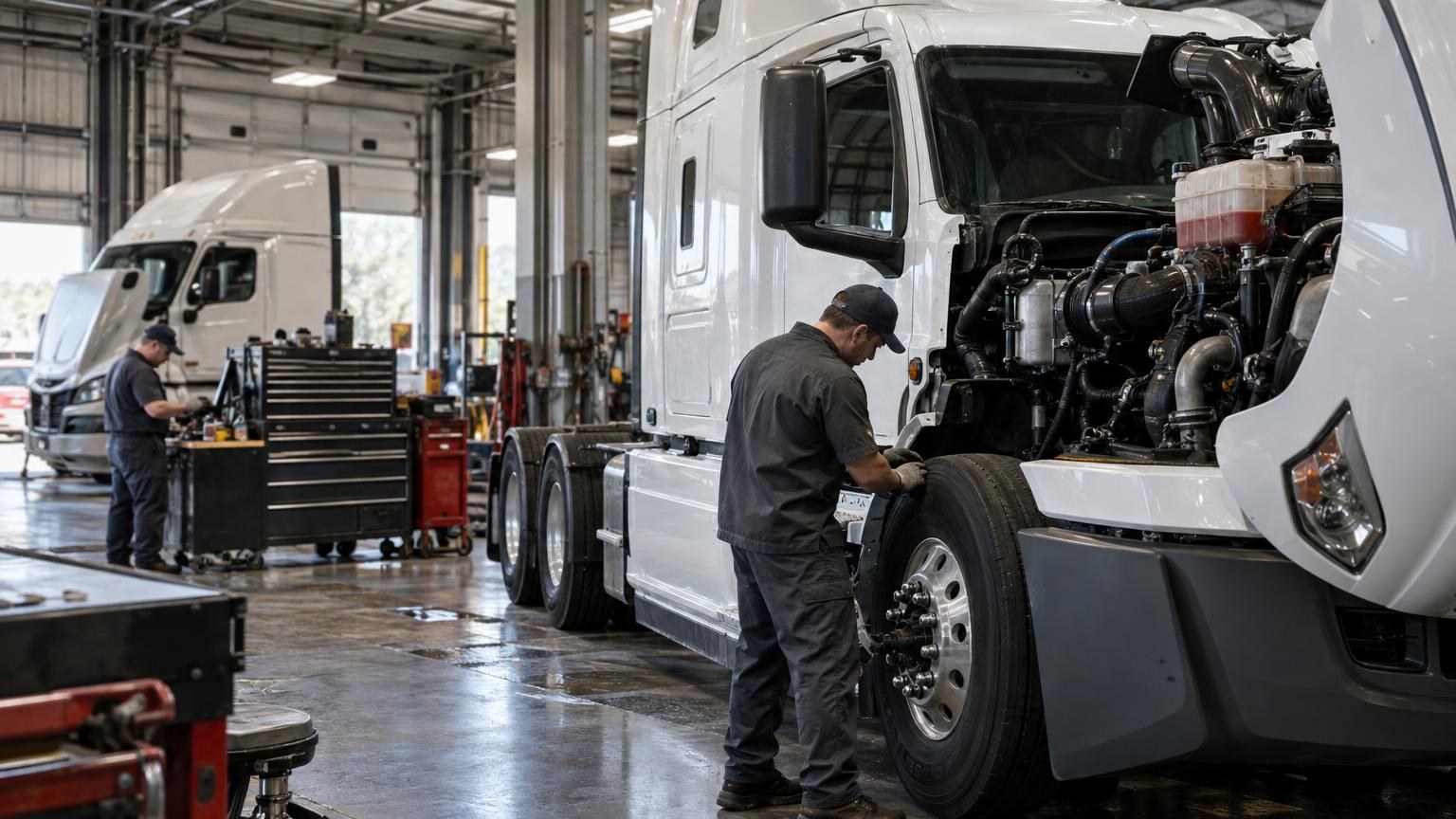
Heavy-duty vehicles face uneven maintenance costs. Preventive service can be scheduled, but transmissions, engines, axles, tires, suspension systems, and exhaust aftertreatment components can create large unplanned bills. One breakdown may also mean towing, substitute equipment, driver disruption, delayed freight, and lost customer confidence. A separate maintenance reserve reduces the pressure on operating cash when a truck is idle.
Do not assume a lease includes repairs. If maintenance is offered, examine exclusions, deductibles, authorized service networks, covered parts, tire provisions, and response time. Under financing, compare the flexibility to select service vendors against the direct responsibility for costs. Evaluate the arrangement with your actual route geography and access to qualified technicians, not with a generic annual repair allowance.
Insurance and licensing
Include coverage and compliance in total cost
Commercial vehicle insurance can depend on vehicle type, cargo, driving territory, operating authority, claims history, and specific lender or lease requirements. Confirm coverage and any loss-payee provisions on the actual unit before estimating the monthly budget. A proposal that leaves physical damage, liability, cargo protection, or other necessary insurance out of the comparison can make the chosen option look deceptively affordable.
Registration, inspections, applicable taxes, permits, and operating compliance remain important business responsibilities. Rules differ by activity and jurisdiction, so the operator should verify the obligations that apply rather than relying on a financing company to manage them. A tax or insurance quote for a smaller vehicle may be a poor estimate for a heavier vocational unit or interstate tractor.
Owner-operator fit
The best structure changes with fleet size
A one-truck business may value predictable payments and enough cash to handle an idle week. It may also value keeping a well-maintained vehicle after the agreement ends. A growing fleet needs to assess more than the payment for another tractor: hiring qualified drivers, parking, dispatch capacity, safety administration, maintenance shop access, and concentration among customers all influence the ability to earn from additional equipment.
Specialty vehicles such as heavy wreckers or custom-bodied dump trucks introduce further considerations. A vehicle made for a narrow use may have a different resale market or lease return standard. Many businesses sensibly apply different acquisition structures across their fleets according to equipment age, mission, utilization, and maintenance strategy. A single rule for every truck is rarely sufficient.
Ready to compare a real truck proposal?
Start with the business, proposed vehicle, and intended use. Written terms should be evaluated against your operating cash flow.
Underwriting
What a provider may examine
Commercial equipment funding may involve a review of the business's revenue, bank activity, time operating, credit background, existing obligations, equipment price, collateral value, and owner information. Requirements differ among products and providers. Gather the truck quotation, seller details, business documents, and recent financial records requested during the review. Be accurate about planned use and the status of any contract you expect the truck to service.
If purchasing a replacement, document why the current vehicle is no longer economical and what capacity needs to be restored. For an expansion, explain the route or customer opportunity, dispatch plan, driver availability, and expected ramp-up. Forecast conservatively; an unsigned customer opportunity should not be represented as guaranteed revenue. No finance or lease agreement is assured merely because the equipment can generate revenue.
Working capital
Model the truck alongside operating cash flow
The invoice price is only one part of the decision. A carrier must finance fuel, wages, tolls, insurance, maintenance, and other route expenses while receivables remain outstanding. New vehicles may require onboarding and a period of lower utilization. Put all current debt payments and the proposed truck obligation into one rolling cash-flow forecast so the total commitment is visible.
Stress-test a slow month, a repair event, and a customer taking longer than expected to pay. Evaluate whether a down payment would leave enough cash for those cases and whether additional capacity truly generates positive margin after variable operating costs. Equipment financing may address the truck, while a different commercial product may be needed for operating liquidity if appropriate and available. Borrowing more should never substitute for understanding weak route economics.
Provider comparison
Review Mulah and bank alternatives fairly
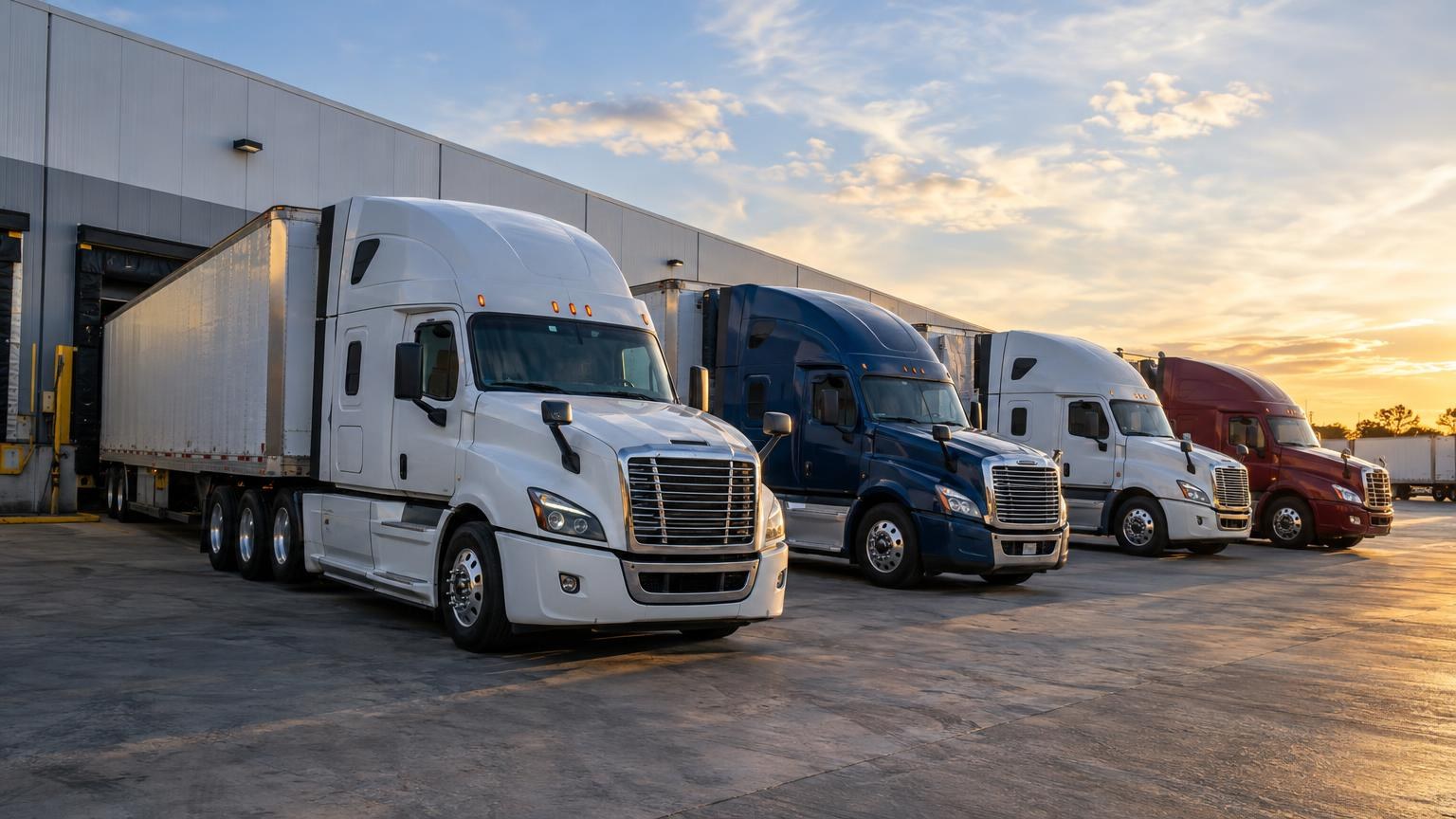
An established banking relationship may suit an operator with strong financials, qualifying equipment, and a structure the bank is willing to offer. Documentation, collateral requirements, and approval processes vary by institution. Mulah helps businesses explore commercial funding options, including equipment-related structures, but does not guarantee approval, exact pricing, an amount, or a particular turnaround.
Ask each potential provider for terms in writing. Compare payment frequency, overall cost, security interests, any owner guarantees, prepayment provisions, and conditions of funding. The strongest financing choice is one the business can meet without sacrificing payroll, maintenance, or insurance. Comparing several structures is useful only if the underlying assumptions and the exact vehicle are the same.
Acquisition process
Move from specification to funding review
Start with the precise truck you intend to acquire: price, VIN where available, make, model, seller, condition, configuration, and intended workload. Collect supporting quotes for any trailer or specialized equipment, then establish a budget including taxes, registration, delivery, insurance, and initial service needs. Explain whether the vehicle will replace capacity or serve additional work.
Next, prepare the financial and ownership documents requested by the provider and review any proposed structure against cash flow. Check contract provisions for maintenance, defaults, lien or title treatment, renewal, and exit. You can begin through Mulah's short business-funding inquiry or choose the complete application if prepared to submit more information. Neither submission alone is an offer or approval.
Total cost worksheet
Build a financial comparison before committing
Estimate weekly gross revenue and subtract fuel, driver labor, tolls, dispatch expense, insurance, permits, tires, routine maintenance, and a reserve for unscheduled repair. Add the proposed financing or lease payment and other business debt. Evaluate the result under conservative, typical, and optimistic utilization. The truck should support enough margin and liquidity in the conservative case to justify the risk.
The Mulah business funding calculator can help screen payment scenarios, but it is not a quote and cannot substitute for a written equipment proposal. Include the initial cash commitment, total payable through your planned holding period, and any remaining buyout, balloon, or resale adjustment. Compare the same accounting period and explicitly record important assumptions that have not yet been verified.
Exit planning
Decide how the truck leaves your business
Customer contracts change, lanes shift, and equipment eventually becomes uneconomical to operate. Plan a sale, trade-in, return, or buyout before signing the initial agreement. For financed equipment, estimate a conservative resale price and the amount required to clear any lien. For leased equipment, review the inspection process, wear standards, mileage limits, missing accessories, and termination procedures.
An end-of-term purchase option may be useful if the truck remains valuable, but confirm how the purchase amount will be determined and when it becomes due. Likewise, a loan can retain substantial payoff exposure when an operator wants to sell early. Contract exit costs should be treated as operating decisions, not afterthoughts. A vehicle that fits today's freight mix may not be the one needed several years from now.
Documents and resources
Make the application and final review easier
Keep the seller's quote, VIN or vehicle specification, purchase or lease proposal, maintenance history for used equipment, title information, insurance quote, and related equipment estimates together. Have current business records available when requested, including banking and revenue documentation, ownership information, and a schedule of existing truck obligations. Clarify any work that is projected rather than contracted.
Review Mulah's equipment financing and leasing guide for broader structure information, or use the business funding calculator to explore scenarios. Then compare the exact proposal with your truck-level budget and the conditions in the documents. A clear file can help avoid needless follow-up, but no checklist replaces the provider's actual underwriting and contract terms.
FAQs
Heavy Truck Financing vs Leasing FAQs
Is financing or leasing better for a heavy-duty truck?
Neither is inherently better. Financing may suit a business that wants ownership and expects a long service life. A lease may fit a defined replacement cycle or other operational preferences. Compare total cost, maintenance responsibility, residual exposure, mileage restrictions, expected resale value, and exit terms on identical operating assumptions.
Can a newer trucking business qualify for a semi truck?
Some products may consider newer businesses, but requirements and available structures vary. Providers can evaluate owner experience, credit information, cash reserves, business records, and the truck itself. A planned route or projected freight volume does not guarantee financing. A credible cash-flow budget should include insurance, fuel, repairs, and low-volume periods.
Does a commercial truck lease include maintenance?
Not automatically. Some leases offer maintenance programs while others leave most service obligations with the operator. Read included tasks, exclusions, approved repair locations, deductibles, tire coverage, breakdown response, and the return-condition language. Compare the real availability of service along your routes before assigning value to a maintenance package.
What happens when a truck lease ends?
The contract controls whether you return, renew, or purchase the vehicle, if a purchase option exists. Charges can arise from mileage, damage, wear, missing equipment, or early termination. Obtain the inspection and return procedures in advance. If a buyout is available, confirm whether its amount is fixed or determined later.
Can I finance a high-mileage used semi truck?
Used units may be eligible for some structures, but the vehicle's age, condition, mileage, title history, and collateral value can affect the review. Inspect the specific truck and its maintenance records rather than relying solely on a seller description. Budget for possible downtime and major repairs alongside the lower purchase price.
How should I compare a loan and lease payment?
Use the same vehicle, expected miles, planned service period, and operating costs. Add upfront money, all scheduled payments, fees, potential balloon or buyout, maintenance obligations, insurance, taxes, and exit costs. A low payment may shift more expense to closing or the end of the contract. Stress-test the numbers with reduced freight volume.
Are truck lease payments tax deductible?
Tax treatment depends on the agreement, how the asset is used, relevant rules, and the business's accounting circumstances. Interest, depreciation, and lease costs may be treated differently. Have a qualified tax professional review the actual contract. Do not assume a certain deduction or select financing solely on a generic tax claim.
What does Mulah need for a truck funding review?
Information requested may include ownership and entity details, bank statements, revenue records, existing obligations, truck specifications, and a purchase quote or lease proposal. Requirements vary by provider and product. You may begin with the short funding-options form or use the complete business funding application when ready.
Should I finance the truck and working capital together?
First separate the cost of acquiring the vehicle from fuel, wages, insurance, repairs, and the lag before customers pay. Different commercial funding options may fit equipment and operating liquidity, subject to availability. Review the combined payments and business cash flow; obtaining the asset alone does not mean added capacity will be profitable.
Next step
Give your next truck a workable funding plan
Review the vehicle, routes, expected utilization, upfront cost, and long-term obligations before making a commitment. Begin with the short inquiry or proceed directly to the full business application.