Cash left after expenses
Show fuel and store sales separately where possible, along with their costs. Providers need to see how much remains for financing payments after ordinary bills.
Your fuel supplier needs to be paid, a dispenser is out of service, and next week’s card settlements won’t cover everything at once. Gas Stations Business Funding in Kansas should address that specific cash problem, not just put money in your account. If you’re researching small business loans, the right choice depends on what you’re buying, when it produces cash, and what your station keeps after expenses.
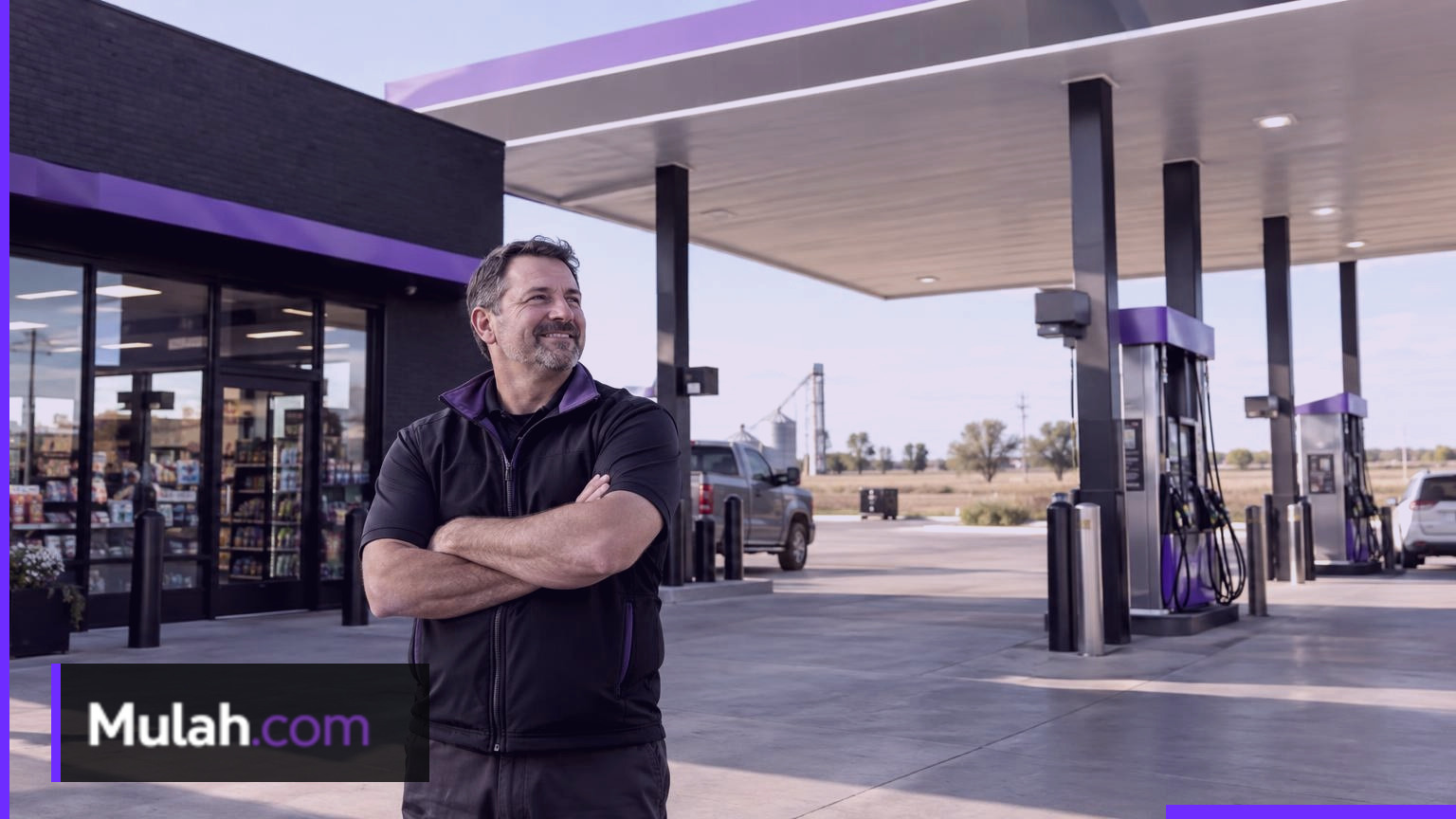
Put a dollar amount and a date beside the problem. A fuel delivery due Thursday is different from a cooler replacement planned for next quarter. One requires a reliable source of short-term cash. The other gives you time to obtain equipment quotes and arrange payments over the asset’s useful life.
Your store and forecourt also earn money differently. Fuel can drive substantial sales without leaving much cash after its direct costs. Inside sales may contribute a different margin, but inventory, spoilage, staffing, and operating hours still matter. Present both sides of your business rather than relying on total revenue.
Mulah is a business-funding marketplace, not a promise of financing. You can use it to put your needs into a clear request and understand available structures. The useful question isn’t simply how much you can obtain. It’s how much you can repay without making the next delivery harder to afford.
A station serving regular neighborhood customers has a different sales pattern from one relying on highway travelers, farm traffic, or a nearby employer. Use your own monthly history to show those patterns. Kansas geography alone doesn’t establish your busy season, and a lender shouldn’t have to guess what drives your location.
Weather can affect access, deliveries, and customer visits. Build your forecast around the interruptions your location has actually experienced, plus reasonable contingencies. If a delivery is delayed or a dispenser goes down, calculate how much cash you need to keep the store staffed and meet fixed bills while sales are lower.
Property and tank questions deserve separate attention. Kansas underground storage tank requirements and a site’s environmental history can affect project scope, diligence, and financing. Consult the Kansas Department of Health and Environment and qualified environmental professionals for the specific site. A clean-looking forecourt isn’t evidence of what is underground.
Small business loans aren’t one uniform product. Working capital describes a purpose, while a term loan or credit line describes a structure. Revenue-based financing may use a different legal arrangement altogether. Read the agreement, payment schedule, and total cost rather than relying on a product label.
| Option | Often considered for | How to think about it |
|---|---|---|
| Term loans | A defined project, acquisition component, or substantial improvement with a measurable budget. | You receive a lump sum and repay it over an agreed period. Term financing works best when the payment fits cash flow and the repayment period suits the investment. |
| Working capital funding | Fuel purchases, payroll timing, store inventory, or another clearly defined operating gap. | Working capital financing can take several forms. Check whether payments are daily, weekly, or monthly and whether the money solves a temporary gap or merely postpones it. |
| Business line of credit | Recurring, uneven cash needs where you expect to draw funds and pay the balance down. | A business line of credit provides access up to an approved limit. Draw conditions, renewal rules, fees, and payment calculations vary by agreement. |
| Equipment financing or leasing | Eligible dispensers, refrigeration, point-of-sale equipment, and other identifiable business assets. | Equipment financing or leasing ties the arrangement to equipment. Ownership, end-of-lease terms, installation costs, and collateral requirements depend on the contract. |
| SBA financing | Eligible acquisitions, owner-occupied property, equipment, or longer-term business investment. | SBA financing is made through participating lenders with a government guarantee. Program rules, lender underwriting, documentation, and project eligibility still apply. |
| Revenue-based financing | An established business considering financing tied to revenue and able to absorb the collection schedule. | Revenue-based financing may involve purchasing future receivables rather than making a conventional loan. Understand collections, reconciliation rights, total payback, and the agreement’s legal structure. |
If wholesale fuel costs rise, the same gallon order requires more cash. That doesn’t automatically mean you need a larger long-term loan. Calculate the additional dollars tied up between supplier payment and customer receipts, then decide whether a credit line or another short-term structure fits that gap.
Use gallon volume alongside sales dollars. Higher prices can make revenue appear stronger without increasing customer traffic or improving the margin you retain. A forecast based only on rising receipts can overstate what your business can afford.
Set a realistic paydown plan. If the line balance grows every month despite stable volume, examine pricing, losses, expenses, and purchasing practices. Financing cannot indefinitely make up for selling at an inadequate margin. The goal is to bridge the cycle and leave enough cash for the next one.
A dispenser replacement can involve site work, electrical work, payment-system integration, and downtime. Refrigeration may require delivery, removal of old units, and installation. Ask vendors for an itemized project price, then ask the financing provider which costs can be included.
For tanks and related infrastructure, determine the scope before choosing a financing product. Testing, removal, remediation, and replacement are different expenses. Some providers may exclude certain work or require additional diligence. Don’t assume an equipment approval covers environmental work associated with the installation.
Consider the asset’s expected service life, warranty, maintenance expense, and your remaining lease term. A low payment isn’t attractive if you’ll still owe money when the equipment is no longer useful. With a lease, understand the purchase option, return requirements, and who pays for repairs.
When buying a station, separate the price of the business, real estate, equipment, and inventory. Determine how inventory will be valued at closing and how much operating cash you’ll need afterward. The purchase price alone rarely describes the entire funding request.
SBA financing may be worth discussing for an eligible acquisition or owner-occupied property purchase. It isn’t automatic, and the government guarantee protects the lender rather than eliminating your repayment responsibility. Expect questions about your experience, investment, business financials, and the site.
Have your attorney, accountant, and environmental professionals address their respective areas before you commit. A provider’s willingness to finance the deal doesn’t replace your own diligence. Supplier restrictions, a short lease, deferred maintenance, or environmental concerns can change what the station is worth to you.
There isn’t one qualification standard for every gas station. Expect providers to weigh the following factors together, with different emphasis depending on the product.
Show fuel and store sales separately where possible, along with their costs. Providers need to see how much remains for financing payments after ordinary bills.
Consistent deposits, balances, returned payments, and overdrafts can affect the assessment. Explain unusual transfers so they aren’t mistaken for customer revenue.
List loans, leases, credit lines, and revenue-based agreements, including payment frequency. New financing must fit alongside those commitments.
Business and personal credit may be considered. Personal guarantees or collateral may be required, depending on the provider and structure.
Your management background matters, particularly for acquisitions. A new entity buying an established station should distinguish its own history from the seller’s.
Lease length, supplier terms, equipment ownership, insurance, and environmental concerns can affect eligibility. Provide clear answers rather than waiting for a late-stage issue.
Requirements vary, but these seven groups of information make a useful preparation checklist. Keep dates consistent across reports and flag missing records before submitting a request.
Name the expense precisely. A request labeled only as working capital can hide several projects that should be financed differently.
Calculate the added cash required and expected sell-through. Reusable credit may fit if you can pay it down from sales before the next cycle creates another draw.
Get a repair estimate beside a replacement quote. Include lost selling capacity in your decision, but don’t assume a new unit will generate enough added sales to cover any payment.
Separate equipment from construction and inventory. Use realistic sales expectations, and leave room for installation disruption instead of assuming the improvement pays for itself immediately.
A short-lived mismatch can justify working capital. Repeated payroll shortages require a closer look at staffing, margins, and expenses before adding another payment.
Budget for diligence, closing costs, inventory, and post-closing cash in addition to the purchase. Obtain financial records that let you test the seller’s earnings claims.
Get qualified advice and a defined scope. Separate routine improvements from environmental investigation or cleanup, since eligibility, cost, and funding availability may differ substantially.
These are hypothetical decision examples, not customer results. Each shows why the use of funds matters more than the product name.
Your gallon volume is unchanged, yet replenishment requires more cash. Measure the added inventory investment and settlement gap. A line may fit better than a large term loan if the need rises and falls with purchasing costs.
You need a workable repair plan before you need a broad expansion budget. Obtain a diagnosis, check warranty coverage, and price replacement. Finance only the justified scope rather than bundling optional upgrades into an urgent decision.
The seller’s revenue looks attractive, but records combine fuel and store sales. Request the breakdown and supporting costs before estimating payments. Make room in the deal schedule for financing, contract, property, and environmental diligence.
The proposed repayment period extends beyond the current lease. Resolve renewal rights and landlord consent first. Otherwise, you could owe money on improvements at a location you no longer control.
Another advance might cover this week’s delivery while worsening next week’s shortage. Build a complete payment schedule and investigate whether restructuring is available. Don’t assume replacing debt lowers cost or removes existing liens.
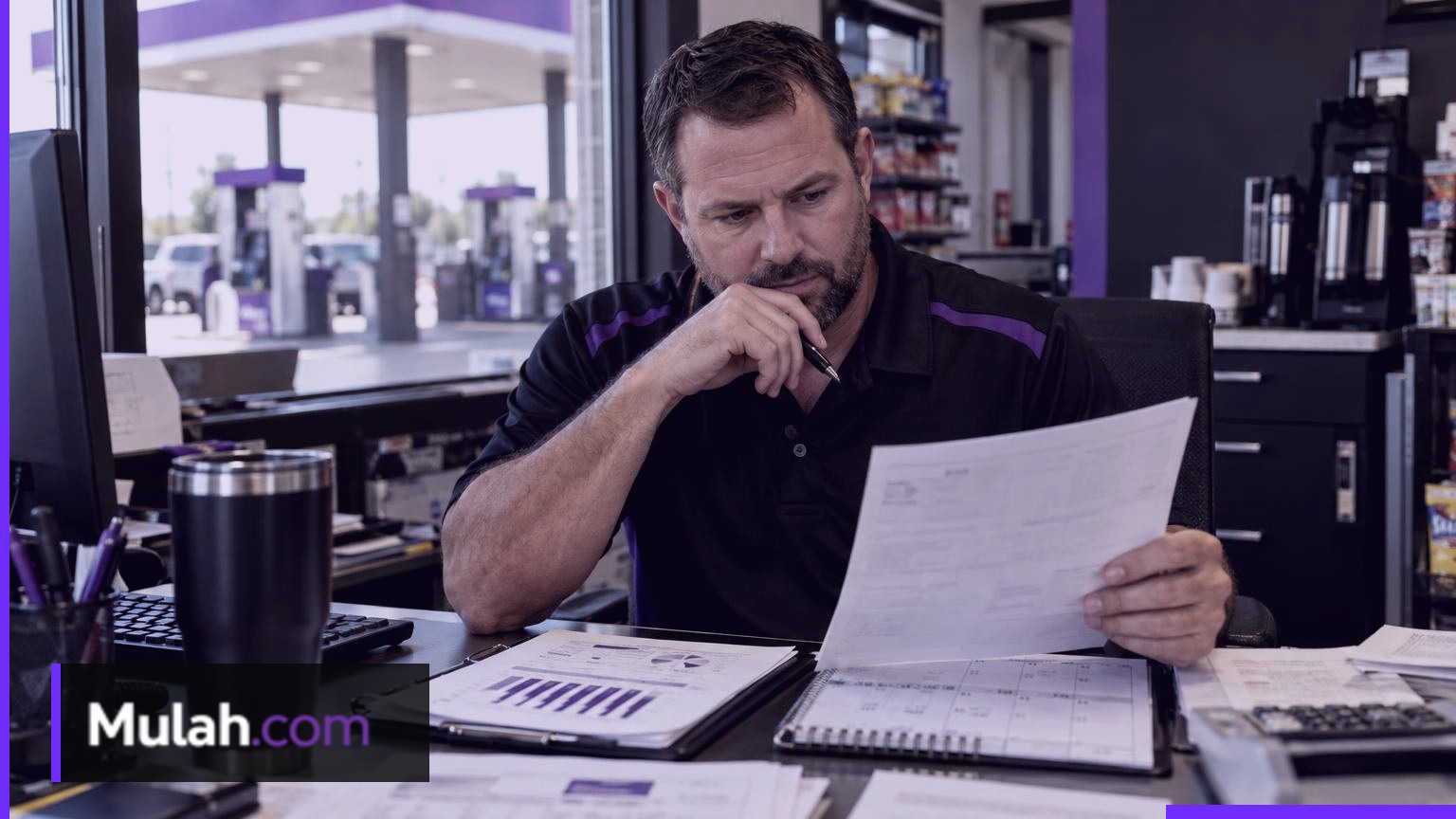
Before financing an upgrade, determine who owns the equipment and who must authorize the work. You might own the business but lease the building, while another party owns certain forecourt assets. Financing equipment you cannot remove or replace freely can create problems at installation or when your lease ends.
Read your fuel supply agreement for delivery terms, branding requirements, and any commitments tied to equipment or improvements. Supplier support isn’t necessarily interchangeable with independent financing. Understand what you receive, what you owe in return, and what happens if you sell the station or change suppliers.
Give a prospective financing provider the relevant agreements early. A long equipment repayment period may be difficult to justify against a short remaining lease. If you need landlord consent, obtain it before committing to a purchase. Don’t assume financing approval also means your landlord or supplier has approved the project.
A short cash calendar often reveals more than an annual sales total. Map these five points using actual dates, including weekends and holidays when relevant.
Record fuel invoice dates, payment terms, and any delivery-related charges. The financing need begins when cash leaves your account, not necessarily when the truck arrives.
Estimate how long the delivery will last at current gallon sales. A larger order may improve purchasing economics but also ties up more money before customers buy it.
Use your processor’s actual settlement schedule and account for fees or deductions. Card sales shown in your register aren’t always available bank cash that day.
Place payroll, rent, utilities, taxes, insurance, and debt payments on the same calendar. Several manageable bills can create a shortfall when they land together.
If financing never gets paid down between deliveries, the problem may be a lasting cash shortage rather than a temporary timing gap. Investigate before increasing the balance.
Once you know the product categories, use these questions to rule out structures that don’t fit your station.
A lump sum can suit a defined project. Repeated inventory purchases may call for reusable credit instead. Don’t finance each delivery with a new agreement without understanding how the combined payments accumulate.
An acquisition or major renovation needs time for diligence. If a repair cannot wait, separate the immediate repair budget from the larger replacement plan rather than rushing the entire project into unsuitable financing.
Test payments against a slower month, not just your annual average. Frequent collections can put pressure on cash even when the total payment looks manageable on paper.
Keep enough cash for the next delivery and ordinary bills. Using all available funds for a down payment can leave a sound project attached to an underfunded station.
Related Mulah resources include working capital funding, business lines of credit, equipment financing and leasing, term funding, SBA loans, revenue-based financing, startup funding, accounts receivable financing, and the business funding calculator.
Approval is only one decision. Before accepting an offer, work through the actual dollars and contract terms.
Write down proceeds after fees, total scheduled repayment, and any other charges. A factor rate is a multiplier used to calculate payback, not an annual interest rate. Ask for an annualized cost explanation where applicable.
Use the business funding calculator for initial planning, then use the actual offer schedule. Test a lower-sales month and the week when payroll and your fuel invoice overlap.
Ask how early payoff works, whether it reduces cost, and what triggers default. Understand guarantees, liens, automatic withdrawals, and any reconciliation process before signing.
The amount that looks attractive on an offer is not always the amount that makes sense to take. Tie the request to a real expense, a realistic payoff period, and the cash the business can still live on if a customer pays late or a strong month comes in softer than expected.
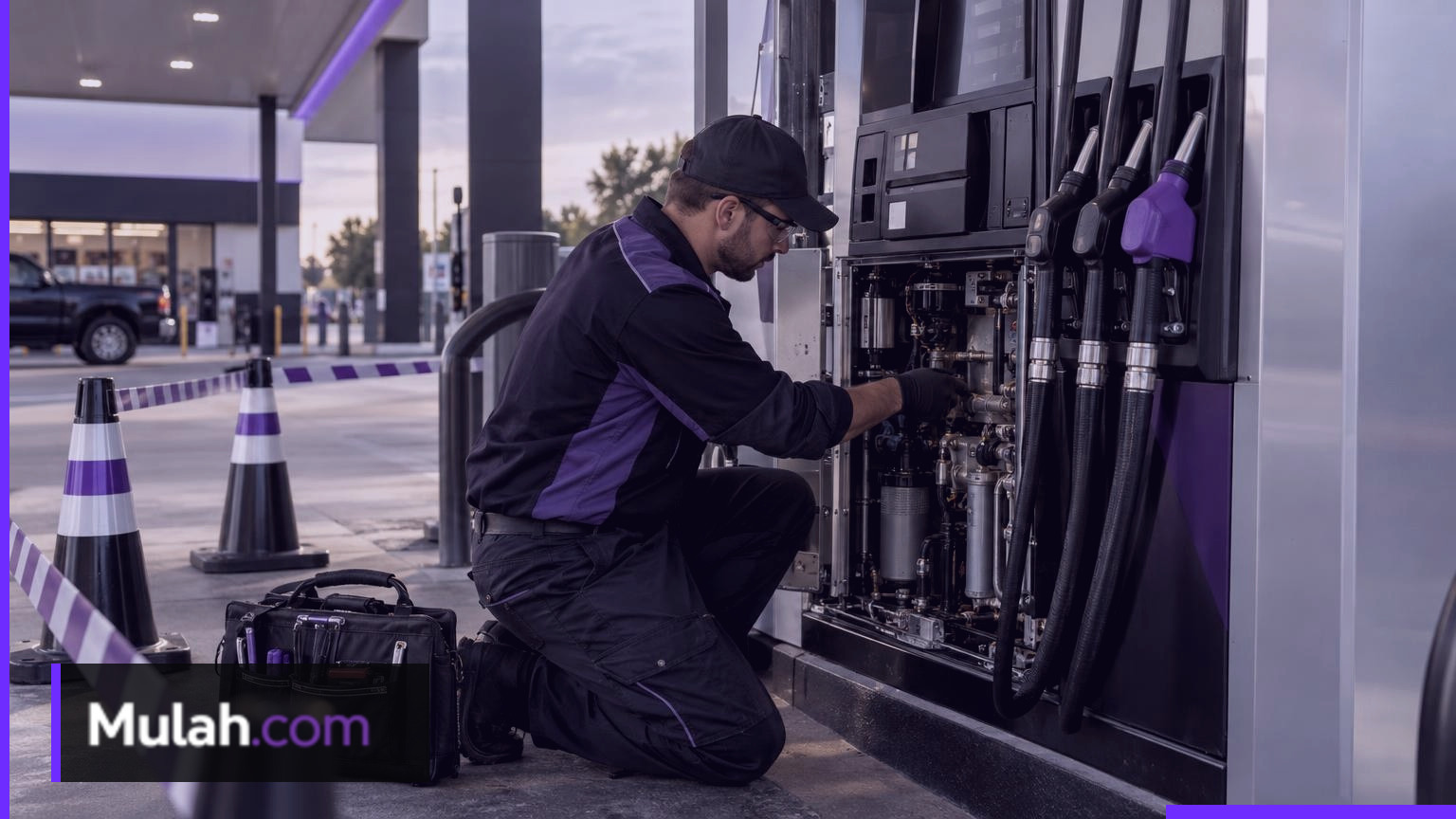
Mulah gives you a marketplace path for presenting your business funding needs. A clear request explains the expense, the amount, the timing, and how your cash flow supports repayment. You can read about the process through Mulah’s funding overview without assuming a particular approval or funding timeline.
Use the process to understand the available choices, not just the largest amount offered. Ask how each structure treats your sales pattern, existing payments, and project costs. The final terms come from the financing agreement, and you should have unresolved questions answered before accepting it.
Your next step is to turn the need into a request that someone can evaluate. You don’t need a polished pitch. You need reliable numbers and a clear explanation.
State what you need to pay for, how you calculated the amount, and when the expense comes due. Separate immediate operating costs from longer-term purchases.
Assemble the relevant documents and estimate the payment your slower months can support. Include what you already owe and leave cash for routine inventory replenishment.
Use the Mulah application to provide your business information. Before accepting financing, make sure the proceeds, payment schedule, total cost, and contract terms match your plan.
Provide the business and financial information needed for a funding review.
Start with a shorter path when you want to discuss the business need before completing the full application.
Review official SBA information about federal small-business loan programs and lender participation.
Official guidance on financial management, cash flow, bookkeeping, and business planning.
Use the official source for current program, regulatory, or business guidance related to this topic.
Use the official source for current program, regulatory, or business guidance related to this topic.
Potentially. Working capital financing or a credit line may fit fuel purchases, depending on eligibility and terms. Show the delivery cost, supplier payment date, and expected timing of sales receipts.
Much of that revenue pays for the fuel itself. Providers also consider expenses, existing financing, account activity, and the cash available for another payment.
A line often suits repeated short-term needs. A term loan can suit a defined longer-term investment. The better choice depends on how you use the money and pay it back.
Some providers finance eligible dispensers and related equipment. Ask which installation, integration, and site costs are included rather than assuming the entire project qualifies.
An eligible acquisition may qualify through a participating lender. The business, proposed use of funds, buyer qualifications, and any property or environmental issues must satisfy applicable requirements.
No. The guarantee supports the participating lender. Your request still goes through underwriting, and you remain responsible for repayment under the financing agreement.
Possibly. Providers may examine your lease term, renewal rights, landlord consent, and equipment ownership. These details are especially important when financing permanent improvements.
Not necessarily. Some agreements purchase future receivables rather than create a conventional loan. Read how collections work, whether reconciliation is available, and what your contractual obligations are.
Not automatically. Fixed-payment financing generally follows its schedule. Revenue-based arrangements vary, so understand any adjustment or reconciliation procedure and what you must do to request it.
Requirements depend on the financing and site involvement. Property acquisitions and tank-related projects can require more diligence than ordinary operating funding. Ask what is needed for your specific request.
Startup funding is more limited and evaluated differently from financing an established station. Your investment, experience, project plan, site control, and projected cash needs become particularly important.
Disclose the balance and collection schedule. Additional financing can strain cash flow or conflict with contract terms. Obtain payoff information before assuming a new agreement will replace the old one.
No. Invoice financing generally relies on eligible unpaid customer invoices. Ordinary retail pump sales usually don’t create that type of receivable. Documented commercial fleet accounts may present a different situation.
You may. Requirements differ by provider, product, and transaction. Ask about personal guarantees and collateral early, and understand the exposure before signing.
Start with the need, the amount, and the timing. Mulah can help you review possible business funding options before you decide whether to move forward.
Call 877-816-8524