Operating history
Show how long you've run the station and your relevant experience. A new acquisition is different from funding an established location.
Your next fuel delivery may be due before enough card receipts reach your account. At the same time, a failed dispenser or refrigeration unit can interrupt sales you count on. Gas Stations Business Funding in Iowa means matching those pressures to financing your margins can support. If you're researching small business loans, look beyond the amount offered to the payment schedule, collateral, and actual cost.
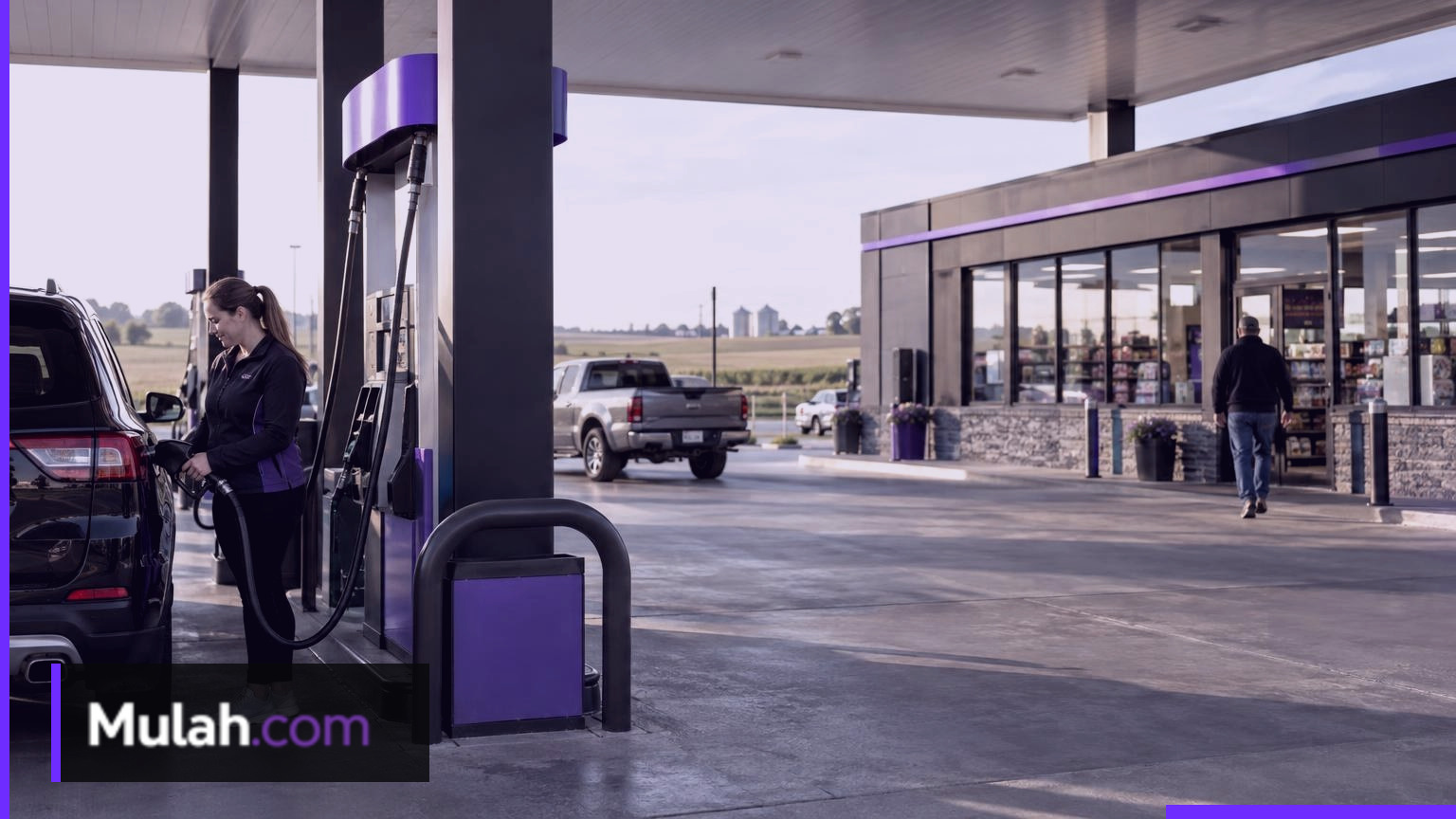
Name the expense before choosing the financing. Covering a fuel delivery while card settlements arrive is different from replacing dispensers, buying a second location, or renovating your store. Each has a different payback period. If you bundle everything into one request, you can end up paying equipment-sized costs on an inventory-sized schedule.
Your station may combine several businesses under one roof: fuel retailing, convenience merchandise, prepared food, and perhaps a car wash. Separate those revenue streams in your records. Fuel sales can rise because prices rise, without a corresponding increase in profit. A lender needs enough detail to distinguish a stronger business from a more expensive load of gasoline.
Mulah is a business-funding marketplace where you can seek options for a defined business need. Before submitting a request, use this guide to decide how much capital you need, where repayment will come from, and which trade-offs you can accept. The strongest request explains a practical business decision, not just a desired dollar amount.
Location matters through your actual customer mix, not a statewide assumption. A station serving commuters may have different sales patterns from one serving highway travelers or nearby farms. Use your own monthly volume and store-sales history to show the pattern. Don't describe demand as seasonal unless your records support it.
Budget for the weather-related work your site actually requires, such as snow removal, canopy maintenance, or freeze-related repairs. These expenses belong in your cash forecast before you calculate an affordable financing payment. For a capital project, ask contractors how scheduling and weather could affect installation and lost operating time.
Your supply and branding agreements deserve attention too. They may address fuel purchasing, equipment ownership, signage, or incentives tied to volume. Read them alongside your lease and financing documents. A proposed improvement can look straightforward until another agreement limits what you can change or adds a repayment obligation.
When shopping for small business loans, distinguish the purpose of the money from the contract behind it. Working capital describes a use; a line of credit describes a borrowing structure. Some revenue-based arrangements are not conventional loans.
| Option | Often considered for | How to think about it |
|---|---|---|
| Term loan | A defined project, acquisition expense, or improvement with a measurable budget. | Receive a lump sum and repay on an agreed schedule. See term loan options; costs and collateral requirements vary. |
| Working capital | A temporary inventory, payroll, or operating cash gap. | May take several financing forms. Match the repayment period to the time it takes the funded expense to generate cash. |
| Business line of credit | Recurring gaps whose size changes between delivery cycles. | Draw within an approved limit. Line of credit agreements differ on draw fees, renewals, and repayment. |
| Equipment financing or leasing | Eligible dispensers, refrigeration, payment systems, or other business equipment. | The equipment typically supports the transaction. Ownership, down payment, installation coverage, and end-of-term terms depend on the agreement. |
| SBA financing | Eligible acquisitions, real estate, equipment, or other longer-term business needs. | Participating lenders make SBA-backed loans. Program rules, underwriting, documentation, and the proposed use determine suitability. |
| Revenue-based financing | A clearly profitable short-term need supported by consistent business receipts. | Payments may relate to sales or follow estimated withdrawals. Some agreements purchase future receivables rather than create a conventional loan. |
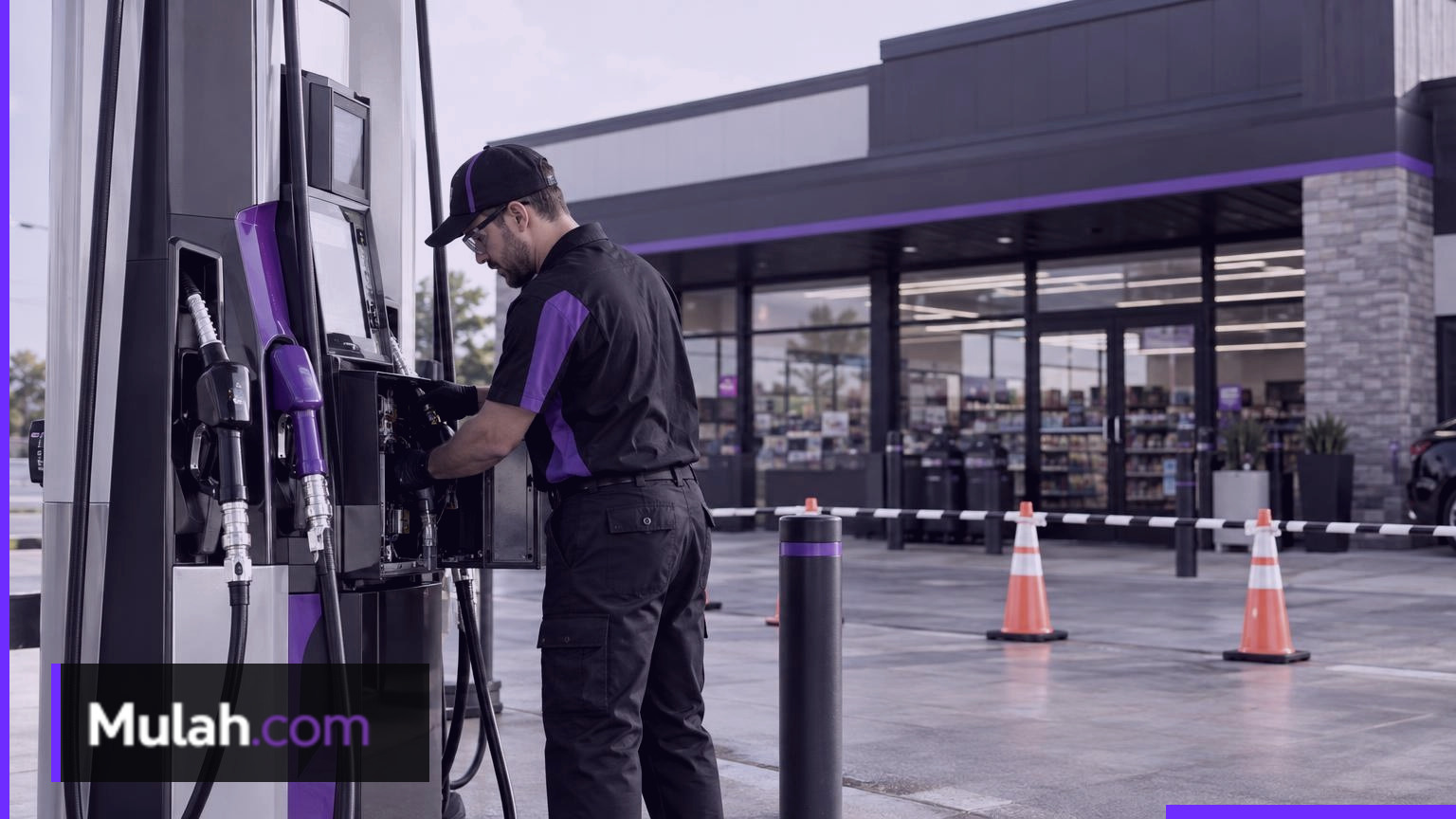
A dispenser replacement can involve electrical work, payment-system integration, testing, and downtime. Refrigeration upgrades can bring delivery, removal, and installation costs. Get an itemized estimate and ask which costs qualify for equipment financing or leasing. Don't assume the financing covers every contractor invoice.
Decide whether repair or replacement creates the better financial result. Consider service history, parts availability, lost transactions, and the remaining life of the equipment. A cheaper repair is not always cheaper if breakdowns keep closing a fueling position or forcing you to discard merchandise.
For a lease, ask who owns the equipment during the term and what happens at the end. For a financed purchase, understand the lien and required insurance. If you lease the premises, make sure the installation is allowed and the lease gives you enough time to benefit from it.
A revolving credit line can fit fuel purchasing when sales replenish the cash used for deliveries. Set the requested limit using your largest realistic gap, not your annual revenue. Include supplier terms, settlement timing, and the minimum bank balance you need for payroll and other scheduled payments.
Watch whether the balance comes back down. If each delivery requires another draw and your line never recovers, the problem may be shrinking margins, excess expenses, or money withdrawn from the business. Additional credit can conceal that problem temporarily while increasing the payments you must cover.
Ask what happens at renewal and whether the provider can reduce or suspend availability under the agreement. Don't build your entire purchasing plan around uninterrupted access to an uncommitted facility. Maintain a cash buffer and discuss delivery arrangements with your supplier before a predictable seasonal squeeze.
For a station purchase, separate the price of real estate, equipment, inventory, and business goodwill. Financing sources may treat each component differently. Ask about SBA financing early if the transaction fits, but don't assume an SBA guarantee replaces lender underwriting or environmental diligence.
Gather available tank registrations, inspection and testing records, release history, and prior environmental reports. The lender decides what investigation it requires. A prior report may provide useful background without satisfying a new transaction's requirements. Plan for professional fees and enough time to address questions before closing.
Use qualified legal and environmental advisers to understand responsibility for existing conditions. Iowa DNR and EPA resources explain underground storage tank requirements, but a website cannot determine whether a particular property is financeable. Unresolved conditions may change the loan terms, delay closing, or prevent a lender from proceeding.
Requirements depend on the product and provider. These six areas usually explain more about your prospects than a single revenue figure.
Show how long you've run the station and your relevant experience. A new acquisition is different from funding an established location.
Provide enough expense detail to show what remains after fuel purchases, payroll, occupancy costs, taxes, and what you already owe.
Business and personal credit may be considered. Explain material problems accurately rather than assuming strong sales will outweigh them.
Disclose loans, advances, leases, liens, and guarantees. Frequent withdrawals or overlapping financing can reduce what your business can afford.
Property ownership, lease length, equipment age, and environmental information become especially important when those assets support the financing.
A specific budget and any required cash contribution show how the project will be completed, including costs outside the financing.
Not every request requires every document below. Having them organized reduces avoidable back-and-forth, especially for equipment purchases and acquisitions.
Tie the request to a business result you can measure. The more uncertain that result is, the more conservative your payment plan should be.
Cover a documented timing mismatch between supplier payment and available receipts. Avoid using repeated financing to support fuel sales that don't contribute enough margin.
Restore fueling capacity with a written replacement budget. Include installation and downtime rather than financing only the hardware price.
Replace failing coolers or freezers when repair history and product losses justify the expense. Estimate savings conservatively.
Fund a defined layout, food-service, or checkout project. Account for permits where applicable, installation work, and disruption while the project is underway.
Support an eligible acquisition with verified financial records and due diligence. Separate the inventory adjustment from the price of property and other assets.
Purchase store inventory or support staffing based on your own sales history. Leave enough margin to repay financing if demand falls short.
These are decision examples, not customer results or promises about available financing.
Map the shortfall by date. If receipts close it within the normal sales cycle, a modest credit line may fit better than a large lump-sum loan. First check whether a supplier payment-date adjustment would solve the issue without new financing.
Get repair and replacement estimates. Use actual lost capacity and service costs to judge replacement, not a vendor's optimistic sales forecast. Equipment financing deserves consideration if the new asset will remain useful well beyond the repayment period.
Don't treat missing information as a paperwork detail. Ask the lender and an environmental professional what investigation is needed before committing to an aggressive closing date. Keep inspection contingencies and responsibility for costs clear in the purchase process.
Check fuel acquisition costs, gallons sold, card fees, inventory purchases, and withdrawals from the business. Higher pump prices can inflate revenue without improving profit. Additional capital is not the first answer until you understand why less cash remains.
Separate essential repairs from optional improvements. Price a smaller project and test whether delaying part of the work preserves cash. Financing a full renovation is difficult to justify if repayment depends entirely on sales growth that hasn't happened yet.
If you lease your site, your request may focus on inventory, equipment, or improvements within the leased space. Your remaining lease term and landlord's approval can affect whether a project makes sense. Check who owns dispensers, canopy components, signage, and tanks before asking to finance their replacement.
If you own the property or plan to buy it, the request becomes more involved. An appraisal, environmental investigation, title work, and equipment valuations may enter the process. A location that produces solid cash flow can still face financing obstacles because of property conditions or unresolved environmental questions.
Don't assume a business loan will cover every expense associated with underground storage tanks. Discuss the precise work, contractor estimate, and environmental status with prospective lenders. Get advice from a qualified environmental professional when needed. Capital availability and responsibility for cleanup are separate questions.
A simple cash calendar often reveals more than an annual sales total. Map these five points before choosing a payment schedule.
Record delivery frequency, payment terms, and any required deposit. Calculate the largest cash outlay you expect before sales replenish your account.
Track fuel volume and gross profit separately. Include card processing costs when estimating how much fuel sales contribute toward overhead and financing payments.
Use your processor's actual settlement pattern. Weekends, adjustments, and account reserves can make reported sales differ from the funds available to pay bills.
Place payroll, rent, insurance, utilities, and taxes on the same calendar. A delivery date that overlaps payroll can create a recurring pinch point.
Run the proposed payment through a slower period. Leave room for ordinary repairs rather than treating every remaining dollar as available for debt.
The right product still needs the right size, timing, and terms. Set these boundaries before an attractive headline number distracts you.
A large delivery invoice doesn't necessarily justify financing the entire amount. Subtract cash you can safely contribute and receipts expected before payment is due. Keep a reasonable operating cushion. For a recurring gap, look at working capital financing rather than repeatedly taking unrelated advances.
Daily withdrawals can be difficult when your supplier debits a large amount on one day. Monthly payments provide a different rhythm, but they still require planning. Ask how weekends, holidays, low balances, and missed payments are handled. The payment frequency is part of the cost decision.
Paying sooner doesn't always reduce cost proportionally, especially with fixed-fee structures. Request a written explanation of the payoff calculation, fees, and any prepayment restrictions. Use the business funding calculator for planning, then rely on the actual agreement for your obligation.
Ask what collateral is pledged, whether a personal guarantee is required, and whether the agreement restricts additional borrowing. A broad lien on business assets could complicate later equipment financing. Don't accept a small short-term facility without understanding how it affects your larger renovation or acquisition plans.
Related Mulah resources include working capital funding, business lines of credit, equipment financing and leasing, term funding, SBA loans, revenue-based financing, startup funding, accounts receivable financing, and the business funding calculator.
The useful question isn't just whether you can obtain capital. It's whether the financing leaves your station stronger.
Subtract operating expenses, existing debt payments, and the proposed payment from realistic cash receipts. Use a slower week, not only your average.
A repair restores sales quickly. A store remodel may take months to produce better results. Your payment schedule should recognize that difference.
Know how the balance ends: regular amortization, a final balloon payment, an equipment purchase option, or another contractual arrangement. Don't assume refinancing will be available.
The amount that looks attractive on an offer is not always the amount that makes sense to take. Tie the request to a real expense, a realistic payoff period, and the cash the business can still live on if a customer pays late or a strong month comes in softer than expected.
Mulah connects business owners with funding options through a marketplace. You can use its business funding resources to understand the available structures and prepare a more useful request. For a gas station, that means explaining both the cash need and the economics behind your sales.
The marketplace doesn't remove the need to read an offer carefully. Ask who provides the financing, what your total payments will be, and what rights the agreement gives that provider. Approval, pricing, documentation, and timing depend on the provider, product, and facts of your business.
Your next step should turn the operating problem into a clear request. A short explanation backed by consistent records is more useful than a long sales pitch.
List the expense, your contribution, and when payment is due. Separate immediate needs from projects that can wait.
Use recent bank activity, sales reports, and current debt payments. Explain unusual deposits or weak months before someone has to ask.
Use the Mulah application to provide your business information. Evaluate any available offer by total cost, payment burden, collateral, and restrictions.
Provide the business and financial information needed for a funding review.
Start with a shorter path when you want to discuss the business need before completing the full application.
Review official SBA information about federal small-business loan programs and lender participation.
Official guidance on financial management, cash flow, bookkeeping, and business planning.
Use the official source for current program, regulatory, or business guidance related to this topic.
Use the official source for current program, regulatory, or business guidance related to this topic.
Yes, leasing the site doesn't automatically rule out business financing. Your options depend on cash flow, credit, the proposed use, and other requirements. For installed equipment or improvements, the provider may need information about your lease term, landlord consent, and who owns the equipment.
Sales matter, but they don't show how much cash you keep. Fuel purchasing costs and other expenses can consume most receipts. Provide fuel volume, gross profit, store results, and bank records so a provider can assess the money available for payments.
A business line of credit can suit a recurring timing gap, while other working capital structures may fit a specific need. The key is whether inventory sales generate enough cash to repay the financing without leaving you short for the next delivery.
An eligible acquisition may qualify for SBA-backed financing through a participating lender. The business, transaction, ownership, and use of funds must meet applicable requirements. Property and environmental diligence can be significant, so discuss the proposed site before relying on a closing timeline.
Possibly, but eligibility depends on the provider, project, property conditions, and complete scope of work. Tank replacement can involve excavation, installation, testing, and environmental issues. Obtain detailed estimates and discuss the project directly rather than assuming ordinary equipment financing covers everything.
Not always. Some arrangements involve purchasing future receivables, while others use different structures. Read how payments are calculated and whether reconciliation is available and required. The revenue-based financing guide explains why the contract matters more than the product label.
Don't assume that. A contract may use fixed withdrawals, estimated payments, or a process for adjusting payments to actual receipts. Ask exactly what you must do to request an adjustment and when it takes effect. Evaluate affordability under the written terms.
Requirements vary. Equipment financing commonly involves a claim on the equipment, and other products may involve broader business liens or personal guarantees. Ask what assets are pledged and what you personally promise before signing. A product's marketing name doesn't answer those questions.
Some providers consider factors beyond credit, but approval isn't assured. Recent payment history, cash flow, current debt, and the reason for the credit problem can matter. Accurate records and a realistic request are more useful than assuming there's a universal minimum score.
A new station lacks the operating history available to an established business. Expect closer attention to your experience, contribution, projections, site, and project budget. Startup financing is a different request from borrowing against proven sales, and not every product accepts new businesses.
Potentially. Separate the equipment purchase from construction, drainage, utility work, and other site costs. Ask which expenses the proposed financing covers. Build your repayment estimate around supportable demand and ongoing maintenance, not just projected wash revenue.
Usually not for ordinary pump and store transactions paid at purchase. It may be relevant if you have meaningful eligible business-to-business receivables, such as commercial accounts billed on terms. Card settlement delays alone aren't the same as having customer invoices available for financing.
Timing depends on the product, records, underwriting, and transaction complexity. A property acquisition involving environmental diligence is different from financing a documented equipment purchase. Ask what remains outstanding and avoid promising a vendor a funding date before the provider has committed.
Only after calculating the payoff amount, new financing cost, and effect on cash flow. A smaller payment can still increase total cost or extend debt substantially. Make sure the transaction actually pays off the old balance rather than adding another withdrawal to your account.
Start with the need, the amount, and the timing. Mulah can help you review possible business funding options before you decide whether to move forward.
Call 877-816-8524