Operating history
Show how long your business has operated under current ownership. Explain ownership changes or unusual closures so the financial record makes sense.
A fuel delivery can come due before card receipts settle. A dispenser can fail while you’re still paying for the last store renovation. Your station needs financing that fits those separate problems, not just an offer based on total sales. This guide explains how to approach small business loans and other funding for a Colorado gas station without letting repayment squeeze the cash you need tomorrow.
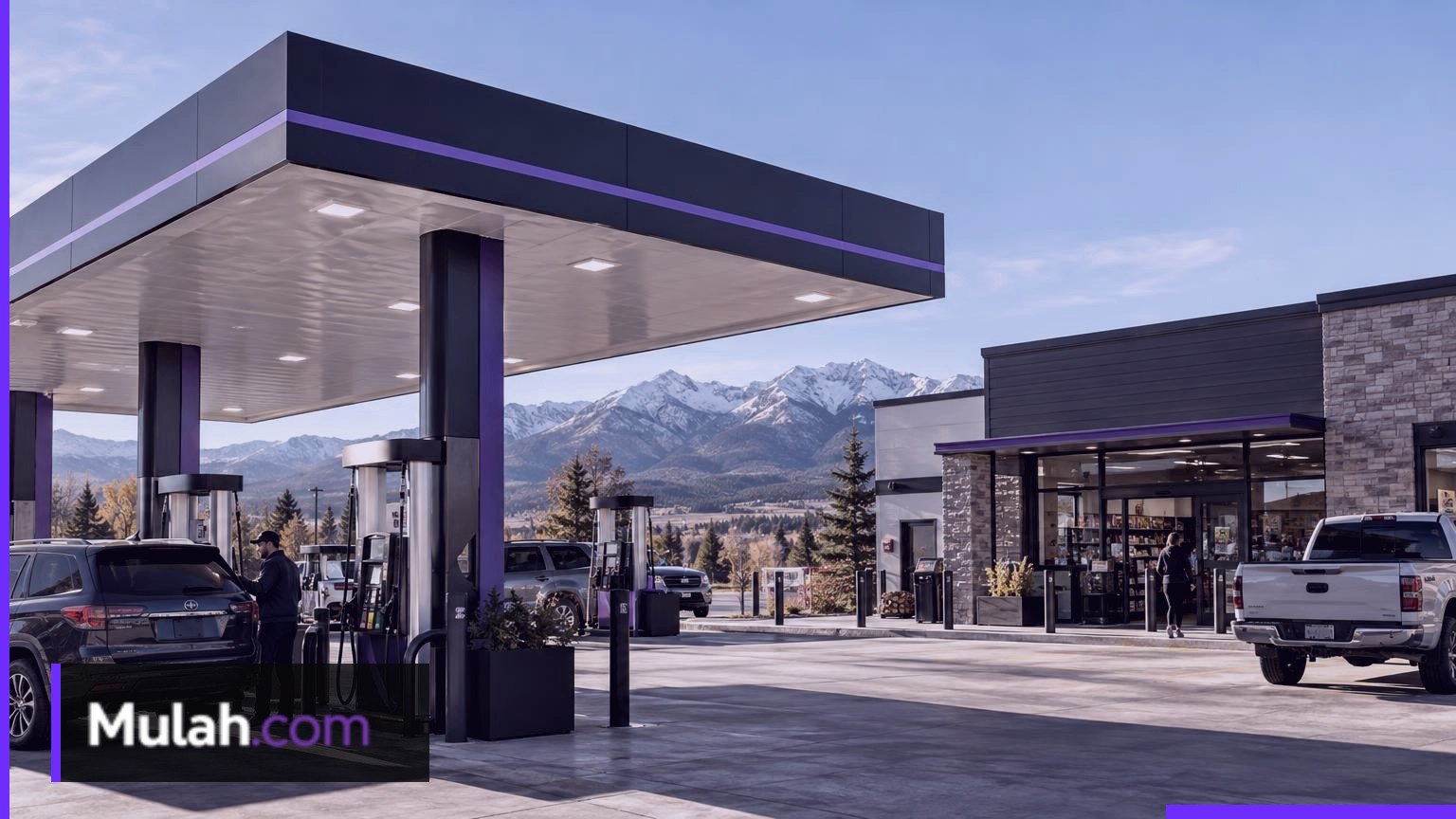
The first question isn't how much your station sells. It's what the money needs to accomplish and how that expense will produce enough cash to repay it. Buying a fuel load, replacing refrigeration, and acquiring a second location involve different risks and repayment timelines.
When you look at small business loans, keep the borrowing business clear. Do you own the fuel inventory, or does a supplier control it under your agreement? Are you buying the convenience store business, the land, or both? Those answers affect the amount you need and the assets a lender can consider.
Mulah is a business-funding marketplace where you can work through available financing options and prepare a request around your business. Its small business funding guide provides a broader reference, but your station's cash flow and proposed use of funds should drive the decision.
Build your forecast around your own traffic pattern. A station serving commuters may collect sales differently from one near a recreation corridor, an agricultural community, or an interstate exit. Use monthly results from your location rather than assuming every Colorado station experiences the same seasonal swings.
Weather and access deserve a place in the budget when they affect your site. Snow removal, pavement work, canopy maintenance, or a delivery disruption can create expenses without increasing sales. If your station has a seasonal low point, test the proposed payment against that period instead of an annual average.
Site responsibilities matter just as much. Your lease, fuel supply contract, and equipment agreements determine who pays for particular repairs or replacements. Colorado's petroleum storage tank oversight is relevant when your project involves tanks or related systems. Check current requirements with the appropriate agency and qualified professionals before committing to work.
Small business loans aren't interchangeable, and not every business funding offer is a loan. Ask what you receive after fees, how payments work, and what you must repay under the actual contract.
| Option | Often considered for | How to think about it |
|---|---|---|
| Term loans | A defined project, acquisition expense, or improvement with a supportable repayment plan. | A lump sum repaid over a set term. Term loan pricing, security, and payment frequency depend on the offer. |
| Working capital | A temporary fuel inventory, payroll, or operating cash gap. | Working capital financing describes the business need, not one universal contract. Check the underlying structure and payment schedule. |
| Business line of credit | Recurring timing gaps with a clear way to repay each draw. | A business line of credit allows draws up to an available limit, subject to its terms. Check draw fees and renewal conditions. |
| Equipment financing or leasing | Eligible dispensers, refrigeration, point-of-sale systems, or other business equipment. | Equipment financing and leasing ties funding to specified assets. Ownership, deposits, installation coverage, and end-of-term obligations vary. |
| SBA financing | Eligible business acquisitions, owner-occupied property, equipment, or working capital under the applicable program. | SBA financing comes through participating lenders. Program rules, underwriting, documentation, and environmental requirements apply. |
| Revenue-based financing | A defined short-term need when the cost and collection method fit your available cash. | Revenue-based financing may involve purchasing future receipts rather than making a conventional loan. Read remittance and reconciliation terms carefully. |
Suppose a delivery costs more than the cash available before your next card settlement. Calculate the shortfall after protecting payroll, taxes, and essential bills. Financing the entire delivery when you only need a smaller bridge adds cost without solving a larger problem.
A revolving line can suit repeated, measurable gaps if you can repay draws as inventory sells. It becomes less useful when the balance never declines. Track the lowest balance each month. A steadily rising floor is a warning that borrowing may be covering ongoing expenses rather than temporary timing differences.
Run a tougher version of the forecast too. What if fuel costs rise before you adjust pump prices, gallons sold decline, or a settlement is delayed? Leave room for those changes. Your supplier's terms may offer another path, but don't assume you can extend them without written agreement.
Separate the equipment purchase from installation, electrical work, software, permits, inspections, and any required site work. Ask the financing provider which costs qualify. Equipment financing may cover some related expenses, but it shouldn't be assumed to cover an entire forecourt project.
Check compatibility before signing. A new dispenser or payment system may need to work with your point-of-sale platform, processor, network connection, and brand requirements. Get a written scope from the vendor that explains what is included, what remains your responsibility, and how downtime will be handled.
For a lease, understand who owns the equipment during and after the agreement. Ask about maintenance, insurance, purchase options, and return obligations. For tanks or underground systems, ordinary equipment financing may not address excavation, environmental work, or other site costs. Those expenses need their own underwriting discussion.
If you're buying a station, break the price into business assets, inventory, equipment, and real estate where applicable. Have an accountant examine the seller's earnings and adjustments. Cash flow should support debt payments after allowing for your compensation, maintenance, and a realistic operating reserve.
SBA financing may fit an eligible acquisition, but a government guarantee doesn't replace lender underwriting or guarantee approval. Your experience, equity contribution, business financials, and the transaction structure all matter. Environmental due diligence can be especially important for a property with current or historical fuel storage.
Request tank records, available environmental reports, and information about known releases or remediation early. A lender may require additional investigation. If you lease the site, obtain advice on how the lease allocates responsibilities. Don't assume a lease or a seller's assurance removes every potential exposure.
Requirements vary by provider and product. A useful request explains not only your sales, but also how your station earns money and where the next payment will come from.
Show how long your business has operated under current ownership. Explain ownership changes or unusual closures so the financial record makes sense.
Provide fuel and inside-store sales where available. Explain major swings in revenue and whether earnings moved in the same direction.
Be ready to explain negative balances, returned payments, transfers, and large deposits. Transfers between your accounts aren't additional customer revenue.
Your business credit, personal credit where applicable, liens, and what you already owe can affect eligibility and terms. Disclose current financing accurately.
Providers may examine your lease term, renewal rights, supplier agreement, brand obligations, and ownership of equipment or fuel inventory.
State the amount needed, the specific expense, and how you expect to repay it. Acquisitions and larger projects generally require more supporting detail.
Prepare a consistent package rather than sending unrelated screenshots. You won't necessarily need every item for every product, but having these records ready reduces avoidable back-and-forth.
Define the expense tightly enough that you can tell whether the financing solved it.
Cover a documented timing difference between supplier payment and usable sales receipts. Set a target date for repaying the draw.
Fund eligible dispensers, coolers, freezers, or checkout equipment. Include installation costs and the cash impact of downtime.
Budget shelving, lighting, refrigeration, or a store layout change. Estimate added gross profit rather than assuming a remodel pays for itself.
Build appropriate merchandise inventory and cover preparatory expenses using your location's sales history. Avoid borrowing against an untested seasonal forecast.
Plan for the purchase price, closing expenses, opening inventory, and post-closing liquidity. The seller's asking price isn't your complete funding need.
Address eligible canopy, pavement, electrical, or other improvements. Separate routine repairs from regulated tank work and environmental costs before seeking quotes.
These are hypothetical situations, not customer results. Each shows how the reason for borrowing changes the financing discussion.
Higher inventory costs create a larger cash gap without necessarily increasing profit. Recalculate the gap and test a credit-line draw against current margins. Don't base affordability on higher dollar sales alone.
Get a repair estimate and a replacement quote. Equipment financing could fit a replacement, while a smaller repair may be better paid from reserves. Account for spoiled inventory and interrupted sales.
The purchase includes a business, not necessarily durable control of the site. Examine the lease's remaining term, assignment rights, renewal provisions, and equipment responsibilities before settling on a financing term.
The equipment is only part of the investment. Include permitting, labor, training, ingredients, packaging, and waste. Phase the project if the full payment depends on sales you haven't demonstrated.
Build one calendar showing all financing withdrawals and supplier drafts. Another short-term obligation could deepen the problem. Ask existing providers about available options before accepting new financing based only on its deposit amount.
Your bank deposits don't necessarily show what you can afford. Fuel purchases, card fees, payroll, rent, and other expenses still have to come out. Depending on your accounting and supply arrangement, deposits may also include amounts associated with taxes or other obligations. Don't treat those amounts as available cash.
Keep fuel and inside-store results separate enough to understand each side. Prepared food, merchandise, tobacco, and fuel can have very different margins, inventory needs, and losses. A lender may ask for that breakdown because a rise in fuel prices can increase reported revenue without improving earnings.
Also distinguish timing problems from continuing losses. If receipts arrive after a supplier payment is due, financing might bridge a real gap. If ordinary sales consistently fail to cover ordinary expenses, another payment won't fix the underlying problem. Address pricing, purchasing, staffing, or costs before adding debt.
Before choosing a payment schedule, map when cash leaves and when it becomes available again. These five checkpoints reveal how much temporary capital your station actually needs.
Record when your fuel supplier requires payment and whether terms change with volume, pricing, or credit exposure. Use the contract, not your usual experience alone.
Measure how long a typical delivery takes to sell. A larger order may reduce delivery frequency while leaving more money sitting underground.
Check settlement timing, processor fees, reserves, and adjustments. A sale at the pump isn't always cash you can use that same day.
Place payroll, rent, utilities, taxes, and existing debt payments on the same calendar. The tightest day matters more than the average balance.
Show which receipts will repay the financing without leaving the next delivery unfunded. Otherwise, a temporary bridge can become continuous borrowing.
A low-looking payment can hide a long commitment. A fast payoff can strain a thin-margin station. Get these answers in writing.
Subtract withheld fees and any required payoff of existing financing. The stated funding amount may be larger than the money available for your project.
List every payment or remittance date. Daily or weekly collections can collide with fuel drafts even when a monthly projection appears comfortable.
Ask for the actual early payoff calculation. A factor rate, which multiplies the funded amount to determine repayment, isn't an APR and doesn't necessarily provide savings for early payment.
Understand collateral, liens, personal guarantees, and default provisions. A personal guarantee creates personal responsibility for a business obligation; it doesn't turn the financing into a personal loan.
Related Mulah resources include working capital funding, business lines of credit, equipment financing and leasing, term funding, SBA loans, revenue-based financing, startup funding, accounts receivable financing, and the business funding calculator.
Use these checks before deciding that a payment looks affordable.
Apply the payment to a recent low-sales month, not just your strongest quarter. Include the purchases and staffing needed to generate those sales.
Don't use every available dollar for debt payments. A failed cooler or payment terminal can interrupt sales while the financing payment continues.
For a remodel or foodservice addition, calculate how much extra gross profit you need after added labor, supplies, and waste. Extra revenue alone doesn't repay the project.
The amount that looks attractive on an offer is not always the amount that makes sense to take. Tie the request to a real expense, a realistic payoff period, and the cash the business can still live on if a customer pays late or a strong month comes in softer than expected.
Mulah helps you approach the marketplace with a clearer request: the amount you need, what it's for, and the financial information that supports it. Available options depend on your business and provider criteria. The marketplace isn't a promise that every product will be available for your station.
Use the business funding calculator to test payment assumptions, then check any actual offer's fees and collection schedule separately. A calculator estimate won't capture every contract term, but it can show when a proposed payment leaves too little operating cash.
Your next step is to put the expense, supporting records, and repayment plan in one place. When you're ready, submit your business information through the Mulah application so available options can be considered.
Write down the amount, purpose, deadline, and whether the expense is temporary or long-lived. Separate equipment, property, inventory, and installation costs.
Build a realistic payment estimate using recent results and a weaker month. Keep essential supplier payments and a practical cash reserve in the calculation.
Before signing, understand proceeds, total cost, payment timing, guarantees, liens, and early payoff terms. Get answers to unclear provisions in writing.
Provide the business and financial information needed for a funding review.
Start with a shorter path when you want to discuss the business need before completing the full application.
Review official SBA information about federal small-business loan programs and lender participation.
Official guidance on financial management, cash flow, bookkeeping, and business planning.
Use the official source for current program, regulatory, or business guidance related to this topic.
Use the official source for current program, regulatory, or business guidance related to this topic.
Potentially. Your options depend on the business, the funding purpose, financial performance, credit, and provider requirements. Property, tank systems, and environmental questions may add documentation for certain transactions.
Fuel inventory can be a working capital use, but product names don't tell you the contract terms. Ask if you are receiving a term loan, credit line, or another funding structure.
Leasing doesn't automatically rule out business financing. The provider may need your lease, remaining term, assignment provisions, and information about who owns and maintains the equipment.
An eligible purchase may qualify under an applicable SBA program. The business, buyer, property, and transaction must satisfy program and lender requirements. Environmental due diligence can be important.
Eligible dispensers may qualify. Ask about installation, related electrical work, software, and other project costs. Also check whether the equipment meets your supplier's and payment system's requirements.
No. Sales don't show how much money remains after fuel costs and operating expenses. Providers may examine margins, bank activity, existing payments, and other factors.
There isn't one minimum that applies across all providers and products. Credit can affect eligibility and pricing, but your business financials, requested amount, and financing structure also matter.
Startup financing is generally harder to obtain without operating history. A credible budget, relevant experience, owner investment, site control, and supporting projections become especially important. Don't assume an established-business product accepts startups.
It requires careful analysis. A remittance tied to revenue can consume a substantial share of the profit your station retains. Read how receipts are measured and whether the agreement provides reconciliation when revenue changes.
Some products permit general business expenses, but allowable uses vary. Disclose the purpose, especially if taxes are overdue or liens exist. Borrowing doesn't replace resolving filing or payment issues with your tax professional.
Not necessarily. Requirements depend on the product, collateral, site, and transaction. A real estate purchase or tank-related project can raise different questions from financing a store refrigerator.
Timing depends on the product, provider, complete documentation, and any required underwriting or closing work. Equipment purchases, acquisitions, and property transactions can have different steps. Don't commit to a seller's deadline without checking.
Possibly, depending on eligibility and the product's rules. Calculate payoff charges, new fees, total repayment, and changes to collateral or guarantees. A lower payment alone doesn't prove refinancing costs less.
Not automatically. Separate known work from a reasonable reserve. Paying financing costs on an oversized lump sum can be expensive, while an available credit line is still subject to its contract and access conditions.
Start with the need, the amount, and the timing. Mulah can help you review possible business funding options before you decide whether to move forward.
Call 877-816-8524