Cash left after expenses
Show gross profit and ordinary operating costs, not just deposits. Providers need to see that your business can support a new payment after fuel purchases and essential bills.
A busy forecourt can hide a tight cash position. You may sell plenty of fuel and still struggle to cover the next delivery, replace a dispenser, or carry store inventory between supplier payments. If you're looking at small business loans for an Alabama gas station, Mulah helps you understand which financing structures fit the expense and what your station can realistically afford.
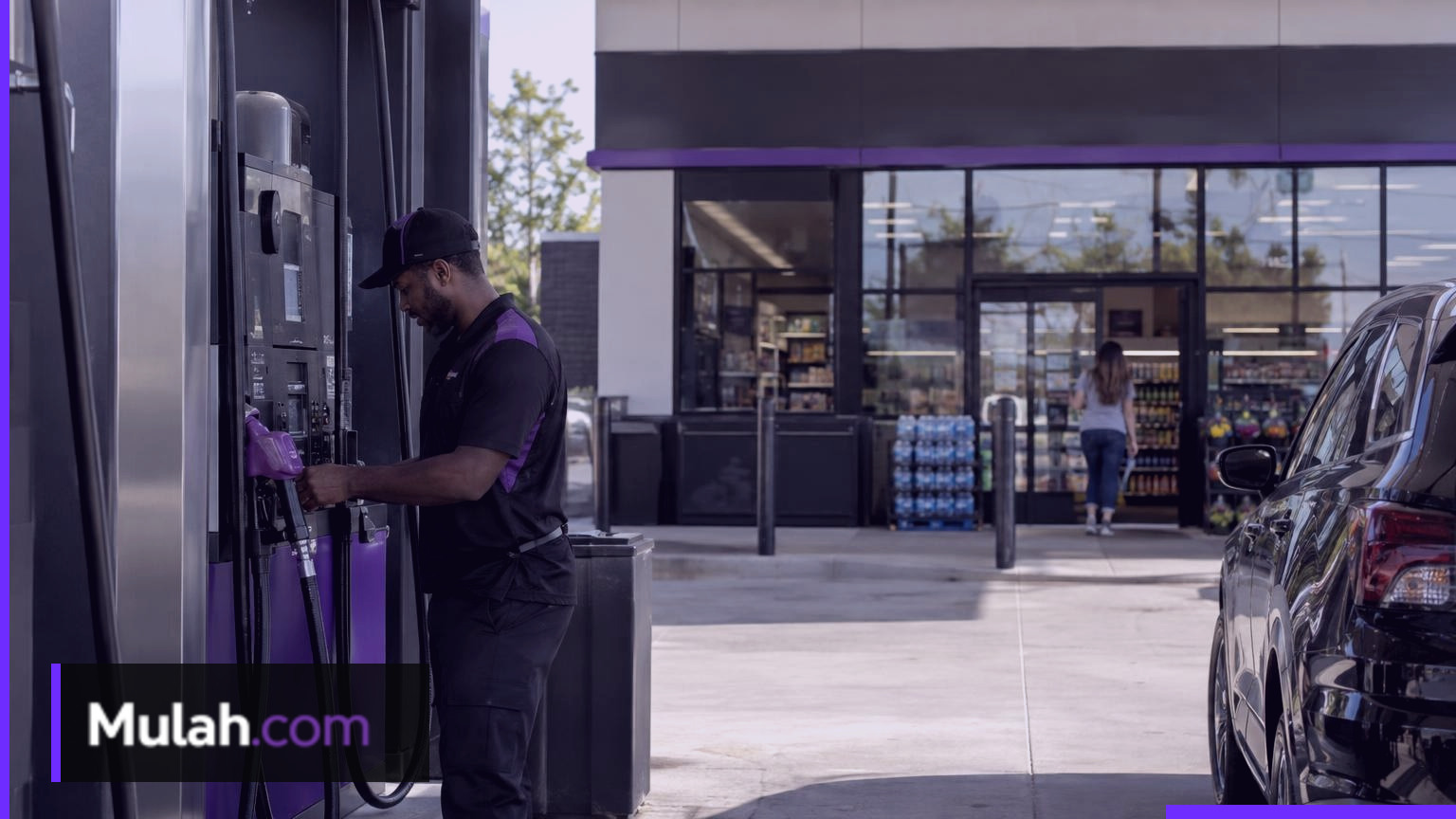
Your station has several businesses running through one bank account. Fuel produces large receipts but also large replacement costs. The convenience store has its own margins, spoilage, staffing, and inventory demands. A car wash or food counter adds another cash cycle. Financing works better when you explain which part needs capital and how that spending will produce cash.
The right request might cover a fuel delivery, replace aging refrigeration, or support the purchase of an existing station. Those aren't interchangeable uses. Short repayment terms can put unnecessary pressure on a long-lived improvement. Long-term debt for an ordinary inventory shortage can leave you paying after that inventory has sold many times over.
Alabama is the location of your business, not a substitute for its financial story. Your actual traffic, competition, supplier agreement, and site condition matter more than broad claims about the state. Build your request around records from your location and a clear explanation of what changes once the money is available.
Gross revenue can overstate the cash supporting a payment. Fuel purchases consume a substantial portion of pump receipts, and card fees reduce what you retain. A useful financing file shows fuel gross profit separately from store gross profit. It also explains items such as lottery-related receipts that may pass through your accounts without becoming ordinary merchandise profit.
Your fuel supply agreement matters. Branding requirements, minimum purchases, payment arrangements, and equipment ownership can affect both the budget and the financing structure. If you plan to switch suppliers or rebrand, include termination costs and required improvements in the project estimate. Don't assume the new financing will override an existing contract.
Property and environmental diligence can become central when land or tanks are involved. A lender may require an environmental assessment and additional investigation based on the findings. Available records, known releases, tank ownership, and responsibility for corrective work deserve attention early. These issues are different from evaluating whether your store sales support a monthly payment.
Small business loans aren't all structured alike, and some business funding isn't a conventional loan at all. Working capital describes a use of money as well as a common product category, so there can be overlap. Judge each offer by its contract, cost, and repayment schedule.
| Option | Often considered for | How to think about it |
|---|---|---|
| Term loans | A defined project, business purchase, or improvement with a clear budget. | You receive a lump sum and repay it over an agreed term. Term loan financing can suit a one-time expense when scheduled payments fit your cash flow. |
| Working capital | Fuel purchases, store inventory, payroll timing, or another documented operating gap. | Working capital financing may take several forms. Ask how repayment works and avoid using short-term money to cover a permanent operating loss. |
| Business line of credit | Recurring purchasing gaps where you need flexibility rather than one large disbursement. | A business line of credit allows draws within an approved limit. Availability, draw fees, interest, and renewal conditions depend on the agreement. |
| Equipment financing or leasing | Eligible dispensers, refrigeration, payment terminals, or other identifiable business equipment. | The equipment generally supports the transaction. With equipment financing or leasing, check ownership, installation costs, maintenance duties, and any end-of-term purchase terms. |
| SBA financing | Eligible acquisitions, owner-occupied property, equipment, or longer-term business needs. | SBA financing comes through participating lenders under program rules. Expect documentation, underwriting, and property diligence where relevant; a government guarantee doesn't guarantee approval. |
| Revenue-based financing | A specific cash need where sales-linked repayment and total cost fit the business. | Revenue-based financing may be structured as a purchase of future receivables rather than a loan. Understand collections, reconciliation provisions, and how low-margin fuel revenue affects affordability. |
Build a short cash forecast using actual supplier terms. Show opening bank cash, expected card settlements, fuel drafts, store purchases, and essential bills. This reveals both the largest shortfall and how long it lasts. A request supported by that forecast is easier to assess than one based only on average monthly revenue.
A revolving line can fit repeated gaps if sales reliably replenish available cash. But a line isn't automatically permanent funding. Check renewal requirements, draw minimums, and whether the lender requires you to reduce the outstanding balance periodically. Keep enough room for ordinary price or volume changes.
Be careful when fuel costs rise. The same delivery volume may require more cash even if customers don't buy more gallons. Stress-test a larger invoice without assuming a matching increase in profit. If each cycle leaves the line balance higher, investigate pricing, losses, expenses, and supplier terms before borrowing more.
Your total may include freight, electrical work, payment-system integration, site work, testing, and temporary downtime. Ask vendors for itemized quotes and clarify which costs a financing provider will cover. Equipment financing doesn't automatically cover every construction expense or the revenue lost while pumps are unavailable.
Separate movable equipment from improvements attached to the property. Coolers, terminals, dispensers, tanks, and canopy work may receive different treatment. If you lease the site, obtain any required landlord consent and check whether the remaining lease term supports the proposed financing period.
Then decide whether repair, replacement, or staged installation makes economic sense. Consider expected maintenance, electricity use, service availability, and lost sales, not just a lower payment. Leasing deserves a close look at end-of-term obligations and return conditions. Ask who owns the equipment when the agreement ends.
For an acquisition involving property, discuss environmental requirements with the lender early. Depending on the program and circumstances, the process may include records research, a Phase I environmental site assessment, or further investigation. A Phase I examines environmental conditions and potential concerns; it isn't a guarantee that contamination is absent.
Request available tank, inspection, release, and corrective-action records. Find out who owns the tanks and who is responsible under the relevant agreements. Use qualified environmental and legal professionals for transaction-specific advice. Financing proceeds shouldn't be treated as an assumed solution to an unknown cleanup obligation.
SBA financing may be worth considering for an eligible purchase, but program eligibility is only part of underwriting. Cash flow, your contribution, management experience, valuation, and site diligence still matter. Build enough time into the purchase agreement for the actual financing process rather than promising a closing date before requirements are known.
There's no single qualification rule for every station or product. These are the questions your records should answer clearly.
Show gross profit and ordinary operating costs, not just deposits. Providers need to see that your business can support a new payment after fuel purchases and essential bills.
Frequent overdrafts, returned supplier drafts, or unexplained transfers can raise concerns. Explain isolated events and show whether the underlying problem has been corrected.
Business credit, personal credit where required, existing liens, and payment history can affect terms. List all financing, including daily or weekly withdrawals that don't look like traditional loan payments.
Your time in business and experience managing fuel retail matter, especially in an acquisition. A new entity buying an established station should provide both seller records and its own ownership details.
Lease duration, supplier arrangements, required licenses, and equipment ownership affect continuity. Disclose an approaching lease expiration or proposed brand change before it becomes a late underwriting issue.
Some transactions require money from you. Show its source and what remains afterward. Draining every reserve to complete a purchase can weaken an otherwise reasonable financing plan.
Requirements vary by product and transaction. Gather current records first, then ask which additional items apply. A smaller working-capital request and a property acquisition won't require identical files.
A useful funding request names the expense and explains what happens after you pay it. These common uses call for different budgets and repayment choices.
Calculate the additional cash required at current supplier prices. Show when sales should replenish it and whether the need repeats with each delivery.
Include installation and disposal costs. Estimate avoided spoilage and repair expense conservatively; don't assume a new cooler automatically creates enough additional sales to cover payments.
Get compatible equipment specifications and an installation schedule. Plan for the effect of taking pumps offline and verify any landlord or supplier approvals.
Separate fixtures and construction from opening inventory. Better merchandising may support sales, but your financing budget should allow for a gradual ramp rather than immediate gains.
Budget for the business, any property, inventory adjustments, transaction costs, and post-closing cash. Reconcile seller claims with tax records, supplier invoices, and sales reports.
Document the cause, expected duration, and cash needed to continue. If insurance might reimburse a loss, don't treat an unapproved claim as certain repayment money.
These are planning examples, not customer stories or predictions. Use them to test the reasoning behind your own request.
You have positive margins and reliable sales, yet a fuel payment regularly clears before card settlements arrive. A line of credit may fit the timing gap. First check whether supplier terms or settlement arrangements could reduce the amount you need to borrow.
You need a replacement, not open-ended working capital. Obtain an installed quote and determine whether equipment financing covers the full expense. Keep cash available for replacement stock and any sales interruption that the equipment agreement won't fund.
The seller's earnings look sound, but your lease and supply agreement will determine future costs. Test those new costs rather than copying the seller's profit. Check equipment ownership and lease-transfer approval before treating the asset list as collateral.
Your location has a documented seasonal sales pattern. Base payments on the quieter period and build a reserve during stronger months. If proposed daily collections consume too much off-season cash, a smaller amount or different structure may be more practical.
Higher fuel prices have lifted sales dollars, but margins haven't improved and debt withdrawals continue. Another advance could deepen the shortage. Reconcile margins and cash withdrawals first, then discuss restructuring or operating changes rather than automatically adding financing.
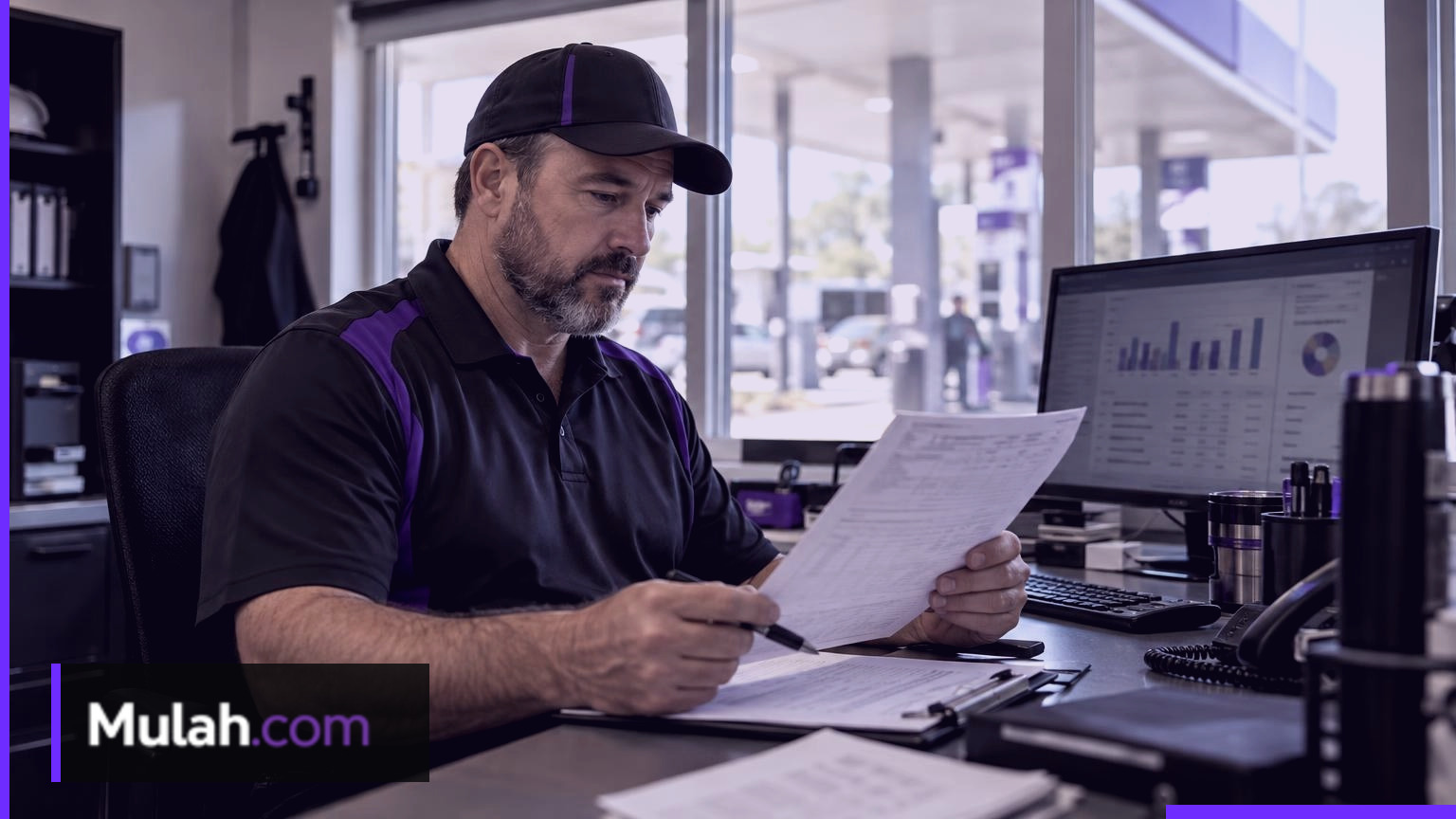
Buying the business doesn't necessarily buy the property, fuel inventory, dispensers, or branded signage. Depending on the agreements, a supplier or landlord may own some equipment. Before discussing financing, list exactly what transfers to you and what requires a separate contract, deposit, or purchase.
An acquisition budget also needs room for the first operating cycle. You may owe for a fuel load, opening store inventory, payroll, insurance, and utility deposits before the station generates enough usable cash. Spending your entire cash contribution at closing can leave a viable purchase underfunded from the first week.
Keep the acquisition request and the opening cash budget connected but distinct. A financing provider needs to understand both. Don't assume money approved for equipment or a property purchase can be redirected to inventory; ask what each financing agreement allows before you commit.
Your monthly profit and loss statement won't show every cash pinch. Trace an ordinary delivery cycle, then repeat the exercise for a week with weaker sales or a larger supplier draft.
Record delivery quantities, purchase prices, freight charges, and the supplier's payment terms. The key date is when money leaves your account, not just when the tanker arrives.
Higher pump prices can increase reported revenue without improving your earnings. Gallons sold and your actual margin explain whether additional sales leave more cash available.
Check when card receipts reach your bank and how fees are collected. Weekends, adjustments, and reserve arrangements can affect the balance available for a supplier payment.
Place payroll, utilities, insurance, taxes, and required maintenance beside inventory purchases. Cash earmarked for those bills isn't a cushion for new debt.
Model daily, weekly, or monthly payments using the actual proposed schedule. A payment that looks manageable in a monthly total can still collide with your largest fuel draft.
Don't select a product just because its advertised purpose sounds close to yours. These questions make the eventual financing discussion more useful.
A short gap between supplier payment and customer receipts differs from losing money every month. Financing can bridge timing; it doesn't repair persistently negative margins. Find the cause before adding a payment.
A replacement dispenser or refrigeration system can serve your business for years. Seek a repayment period that makes sense for its useful life rather than choosing the shortest available offer.
A fixed renovation budget may suit a term loan. Repeated inventory gaps may fit a revolving line better, provided its draw rules and available limit match your purchasing pattern.
Check equipment titles, supplier agreements, and lease provisions. You can't assume a lender can take a security interest in dispensers or tanks that belong to someone else.
Related Mulah resources include working capital funding, business lines of credit, equipment financing and leasing, term funding, SBA loans, revenue-based financing, startup funding, accounts receivable financing, and the business funding calculator.
The quoted payment is only one part of the decision. Look at what arrives in your account, what leaves it, and what restrictions follow.
Subtract withheld fees and any required payoff of old financing from the stated amount. If the remaining proceeds don't cover the project, you need another source of cash or a smaller project.
Ask for total scheduled repayment, payment frequency, fees, and early-payoff terms. A factor rate is a multiplier used to calculate repayment, not an annual percentage rate.
Read provisions covering additional debt, liens, personal guarantees, and default. A lien gives a creditor rights in specified assets; its scope can affect your next financing request.
The amount that looks attractive on an offer is not always the amount that makes sense to take. Tie the request to a real expense, a realistic payoff period, and the cash the business can still live on if a customer pays late or a strong month comes in softer than expected.
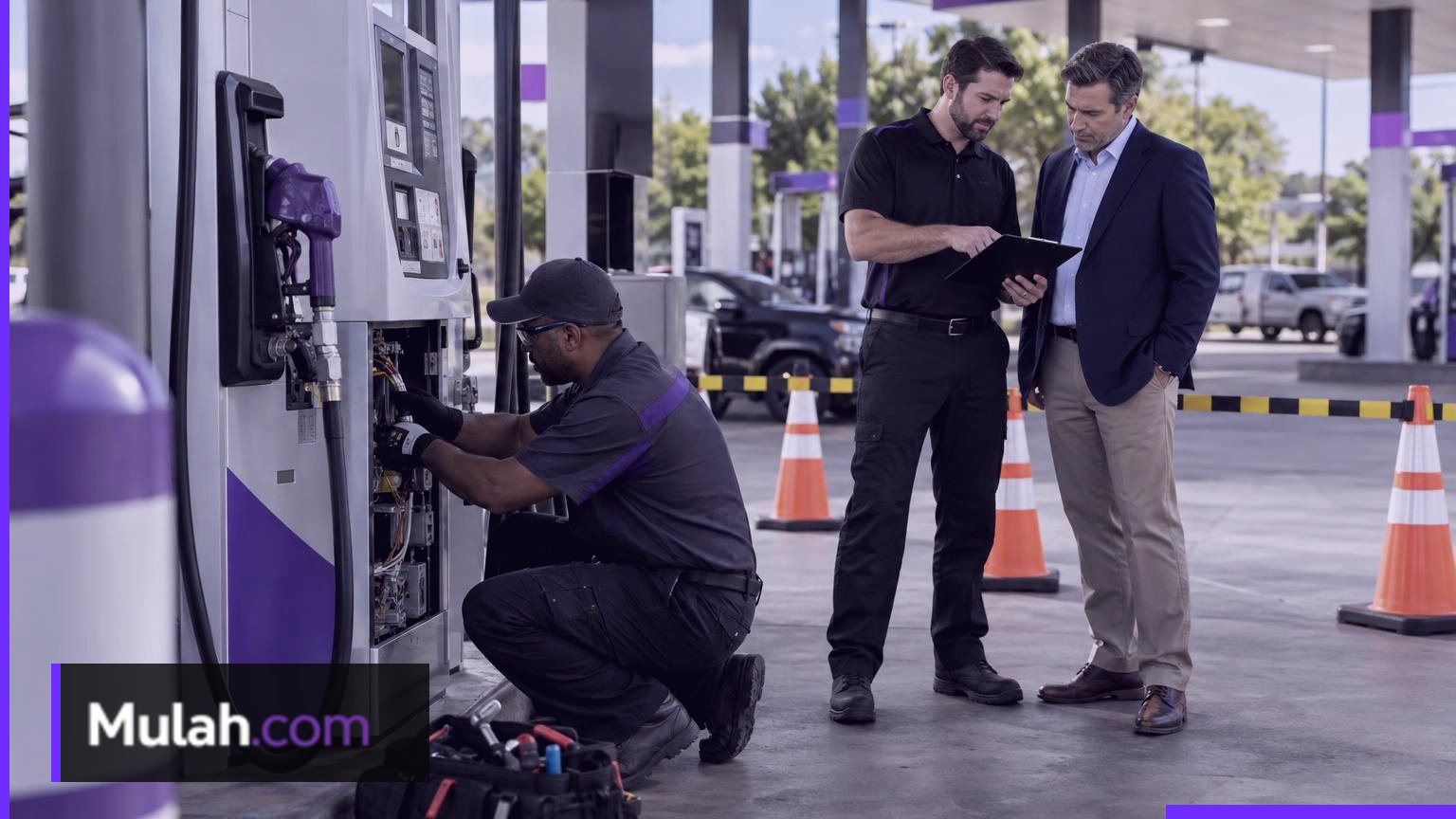
Mulah is a business-funding marketplace, not a promise of a particular financing result. It helps you understand available structures and prepare a request around your business needs. For a gas station, that means distinguishing an inventory timing gap from an equipment project or acquisition before discussing possible terms.
Use Mulah's business funding and loan resources to put unfamiliar offers in context. When an option is presented, ask who provides the financing, how payments work, what security is required, and what you'll receive after fees or payoffs. Approval and terms depend on the provider and your circumstances.
Your next step is to turn a general need for money into a request supported by your station's records. A clear use, realistic budget, and current financial information give providers something concrete to evaluate.
State how much you need, what you'll spend it on, and when payment is due. Include quotes or delivery calculations rather than rounding everything into a broad working-capital request.
Use a conservative month and include what you already owe. The business funding calculator can illustrate payment scenarios, but your bank records and actual offer terms should drive the decision.
Use Mulah's application to provide your request and supporting details. Explain unusual deposits, recent ownership changes, or a temporary closure up front rather than leaving a provider to guess.
Provide the business and financial information needed for a funding review.
Start with a shorter path when you want to discuss the business need before completing the full application.
Review official SBA information about federal small-business loan programs and lender participation.
Official guidance on financial management, cash flow, bookkeeping, and business planning.
Use the official source for current program, regulatory, or business guidance related to this topic.
Use the official source for current program, regulatory, or business guidance related to this topic.
Potentially. Your options depend on your financial records, operating history, credit, site arrangements, and intended use. A station with substantial sales still needs to show enough cash after fuel purchases and operating expenses to support financing.
Providers may examine both, along with bank activity and current debt. Gross fuel revenue alone can be misleading. Show fuel margins and store earnings separately so the amount available for payments is easier to understand.
Working capital financing or a business line of credit may fit a documented fuel-purchase gap. Match the amount to delivery costs and repayment timing. Check your supplier agreement for payment arrangements that could reduce the borrowing need.
An eligible acquisition may qualify through a participating SBA lender. Business cash flow, your contribution, ownership eligibility, and transaction details matter. Property or tank-related issues can also trigger environmental diligence and affect the financing decision.
There's no universal score requirement across all providers and products. Ask about the specific option under consideration. Credit is one part of the decision, alongside cash flow, debt, operating history, and any collateral or guarantees required.
Startup funding is generally a different underwriting situation from financing an operating station. Expect close attention to your experience, cash contribution, business plan, site, and cost estimates. Projected sales aren't the same as an established repayment record.
They may, depending on the product and lease. Providers can examine the remaining term, renewal options, assignment rights, landlord consent, and equipment ownership. A short or uncertain lease can be a problem for a longer financing commitment.
Don't assume it will. Tanks and related installation involve property, environmental, and ownership questions beyond a standard equipment purchase. Ask the provider which costs and assets are eligible before ordering work or paying a nonrefundable deposit.
Not always. Some agreements purchase future receivables rather than create a conventional loan. Read the actual contract, including collection and reconciliation terms. Your station's high gross receipts don't necessarily make a revenue-linked payment affordable.
Some financing requires one. A personal guarantee can make you personally responsible under its terms even though the financing is for your business. Ask whose guarantee is required and understand the exposure before signing.
Timing depends on the product, provider, completeness of your file, and any asset or property diligence. An acquisition involving real estate generally has different requirements from a smaller operating-capital request. Don't commit to an expense based on an unverified funding date.
Possibly, if the new product allows it and the provider approves. Obtain current payoff figures and check prepayment charges. A lower periodic payment can still mean a higher total cost if repayment extends substantially.
Not necessarily. Requirements depend on the financing and collateral. Property acquisitions and transactions involving site-related risks can require more diligence than an unsecured operating-capital request. Ask early rather than assuming every product uses the same checklist.
Provide merchant statements alongside bank records. They show settlement timing, processing charges, and deductions that affect usable cash. If a financing payment is tied to receipts, calculate its effect after fuel costs rather than against gross card sales alone.
Start with the need, the amount, and the timing. Mulah can help you review possible business funding options before you decide whether to move forward.
Call 877-816-8524