Sales quality and consistency
Show monthly sales, margins, and unusual swings. Explain closures or one-time events with records rather than expecting a provider to infer what happened.
Your Firehouse Subs location needs financing that fits the restaurant behind the brand: its sales, lease, equipment, staffing, and franchise requirements. Small business loans can support a purchase or major project, while other funding structures serve shorter needs. This guide to Firehouse Subs Franchise Business Loans and Funding explains how to choose a structure your store can reasonably carry.

The most useful first question isn't how much you can borrow. It's what must happen before the money produces value. Buying an existing Firehouse Subs location means evaluating its earnings and purchase terms. Opening a new store means funding a period with expenses but little or no revenue. Replacing a failed cooler is a different decision entirely.
Keep the franchise relationship in the budget. Your current disclosure documents, franchise agreement, and any written project requirements matter more than an online estimate of franchise costs. Account for required fees and contributions, but also landlord charges, local construction conditions, insurance, and the staffing needed to operate your specific location.
Mulah is a business-funding marketplace, not Firehouse Subs or its franchisor. You can use the marketplace to understand potential financing paths and prepare a request around your actual business need. Brand recognition provides context, but financing decisions still depend on your financial position, project, and the requirements of the funding provider.
Restaurant sales arrive frequently, but they aren't all available to spend. Food purchases, labor, occupancy, franchise charges, taxes, delivery costs, and debt payments compete for the same dollars. Build your financing budget from cash left after those expenses, not from the sales figure at the top of your profit-and-loss statement.
Look at your sales mix, too. Counter sales, online orders, catering, and third-party delivery can produce different margins and collection timing. A large order may require extra food and labor before you receive payment. If you offer customer credit for recurring catering, separate that receivable from sales that settle through your normal payment processor.
Your location also matters operationally. A store near office buildings may depend on weekday lunch traffic; another may have different patterns. Use your own sales history and documented market assumptions rather than treating either pattern as a brand-wide rule. Financing should withstand a reasonable slow period, not just work during your strongest month.
Small business loans are one part of the funding menu. Some alternatives are credit lines, leases, or purchases of future revenue rather than conventional loans. The payment terms and contract matter more than the product's marketing name.
| Option | Often considered for | How to think about it |
|---|---|---|
| Term loans | A defined acquisition, renovation, or other substantial project. | You receive a set amount and repay it over an agreed term. Check fees, security requirements, and the full payment schedule. |
| Working capital funding | A specific operating expense or temporary cash shortfall. | An umbrella category that can include loans and other structures. Short repayment periods can put substantial pressure on restaurant cash. |
| Business line of credit | Recurring, manageable timing gaps with a clear repayment source. | You draw against an approved limit. Available credit, draw fees, repayment rules, and renewal conditions depend on the agreement. |
| Equipment financing or leasing | Eligible refrigeration, preparation equipment, or other business equipment. | Financing is tied to specified assets. Ownership, end-of-term obligations, and coverage of installation or related costs vary. |
| SBA financing | Eligible acquisitions, buildouts, equipment, or working capital within program rules. | A participating lender makes the loan with an SBA guarantee. Eligibility, documentation, equity, and repayment requirements still apply. |
| Revenue-based financing | Established sales supporting a clearly justified short-term need. | Terms may involve purchasing future receivables or another revenue-linked arrangement. Understand collection mechanics, total cost, and reconciliation provisions. |
For a required remodel or equipment refresh, obtain written scopes before choosing financing. Include removal, delivery, installation, electrical or plumbing work, permits, and applicable taxes. A refrigeration replacement that looks affordable on the vendor quote can require additional cash before the restaurant can use it.
Separate equipment with a long useful life from construction and short-term expenses. Asset-based financing might cover eligible equipment while another structure funds the buildout or operating cushion. That doesn't mean stacking products is automatically sensible. Add every payment together and check whether the combined burden fits your store.
Allow for downtime. A remodel can reduce sales even when the restaurant remains open, and installation may interrupt service. Ask your contractor and equipment vendor for realistic schedules, then budget a delay. Verify that the equipment meets current franchise specifications before placing an order or signing financing documents.
When buying an existing location, reconcile the seller's reported sales with tax returns, point-of-sale reports, bank activity, and processor statements. Examine claimed add-backs, which are expenses the seller says won't continue. An expense doesn't disappear simply because it has been labeled discretionary.
SBA financing may be relevant to an eligible franchise acquisition or opening. The lender must assess the business, ownership, use of funds, and current program requirements. Don't assume a franchise brand automatically qualifies or that an SBA guarantee removes your responsibility to repay.
Keep the purchase price separate from transfer costs, professional fees, required improvements, and working capital. Check the remaining lease term and renewal rights with your advisors. A store can show attractive historical earnings and still require more cash than expected after closing, especially if equipment maintenance has been deferred.
A temporary gap might follow an equipment outage, a documented seasonal slowdown, or advance spending for a large catering commitment. Write down the amount needed, the expected recovery date, and the source of repayment. If the only answer is higher sales someday, the financing case needs more work.
Revenue-based financing deserves close attention to collection terms. A fixed daily withdrawal can feel very different from a true percentage of receipts. If the agreement offers reconciliation when revenue changes, understand how to request it and what documentation is required.
For multiple locations, prepare cash flow by store as well as for the ownership group. One strong location shouldn't conceal recurring losses at another. Before moving funds between entities, check your agreements and get accounting advice. Be clear about which business receives funding, which business makes payments, and which assets secure the obligation.
There isn't one credit score or sales threshold that applies across every funding source. These six factors usually explain more than a headline eligibility claim.
Show monthly sales, margins, and unusual swings. Explain closures or one-time events with records rather than expecting a provider to infer what happened.
Estimate what remains after normal operating costs and what you already owe. Include taxes, necessary maintenance, and realistic compensation for the work you perform.
An established location has operating history. A new store relies more heavily on projections, your experience, available equity, and the full opening budget.
Business and personal credit may matter, depending on the product. Be ready to explain delinquencies, current liens, and any recent financing activity.
Some structures require an equity contribution, collateral, or guarantees. Ask what cash must remain available after your contribution and what property could be at risk.
A signed purchase agreement, detailed bids, and a workable lease tell a clearer story than a rough estimate. Financing conditions may depend on unresolved approvals.
Requirements vary, but organizing these seven groups of records reduces avoidable back-and-forth. Keep documents current and explain material differences before submitting them.
The strongest request connects a specific expense to an operational result. These uses still need to fit the product's rules and your cash flow.
Fund an eligible purchase with enough attention to the transition. Budget inventory, payroll timing, transfer expenses, and repairs alongside the agreed purchase price.
Cover eligible development and opening costs under an appropriate structure. Startup financing requires a different case than borrowing against an established store's deposits.
Tie the budget to written franchise requirements and contractor scope. Include lost trading time so the project doesn't leave you unable to meet ordinary expenses.
Restore reliable service with equipment that fits brand specifications. Weigh repair costs, expected downtime, warranty coverage, and the useful life of the replacement.
Cover a defined mismatch between receipts and expenses. Keep the amount tied to the shortfall rather than accepting extra capital without a productive use.
Evaluate the new store on its own while protecting your existing restaurant. Include management coverage and duplicated expenses before assuming the second location creates efficiencies.
These are hypothetical situations, not customer results. Use them to test how the financing logic changes with the business problem.
Get repair and replacement quotes, including installation. Equipment financing may suit a replacement with years of useful service ahead. A repair could be better paid from cash or available credit if the cost is manageable. Avoid financing a small repair over a period that outlasts its expected benefit.
Obtain the approved scope and map the construction schedule against likely sales interruptions. Seek financing for a complete project, not just the contractor's deposit. If the resulting payment leaves no room for routine maintenance, discuss scope, timing, or a larger cash contribution before committing.
Find out where the margin goes. High rent, labor costs, equipment problems, or delivery expenses can limit what the store can afford. Don't size a loan from revenue alone. Rework the acquisition economics using verified costs and realistic compensation for whoever will manage the location.
Model both stores month by month. Include a delayed opening and a slower ramp-up at the new restaurant. If your first location must carry both debt payments, calculate how long it can do that without delaying taxes, payroll, or supplier payments. Expansion shouldn't depend on uninterrupted peak sales.
Repeated financing can hide an unprofitable sales mix, poor scheduling, or debt payments that are already too large. Reconcile the cash shortfall before adding another obligation. A credit line is useful for timing differences, but drawing it continuously without paying the balance down isn't a durable operating plan.
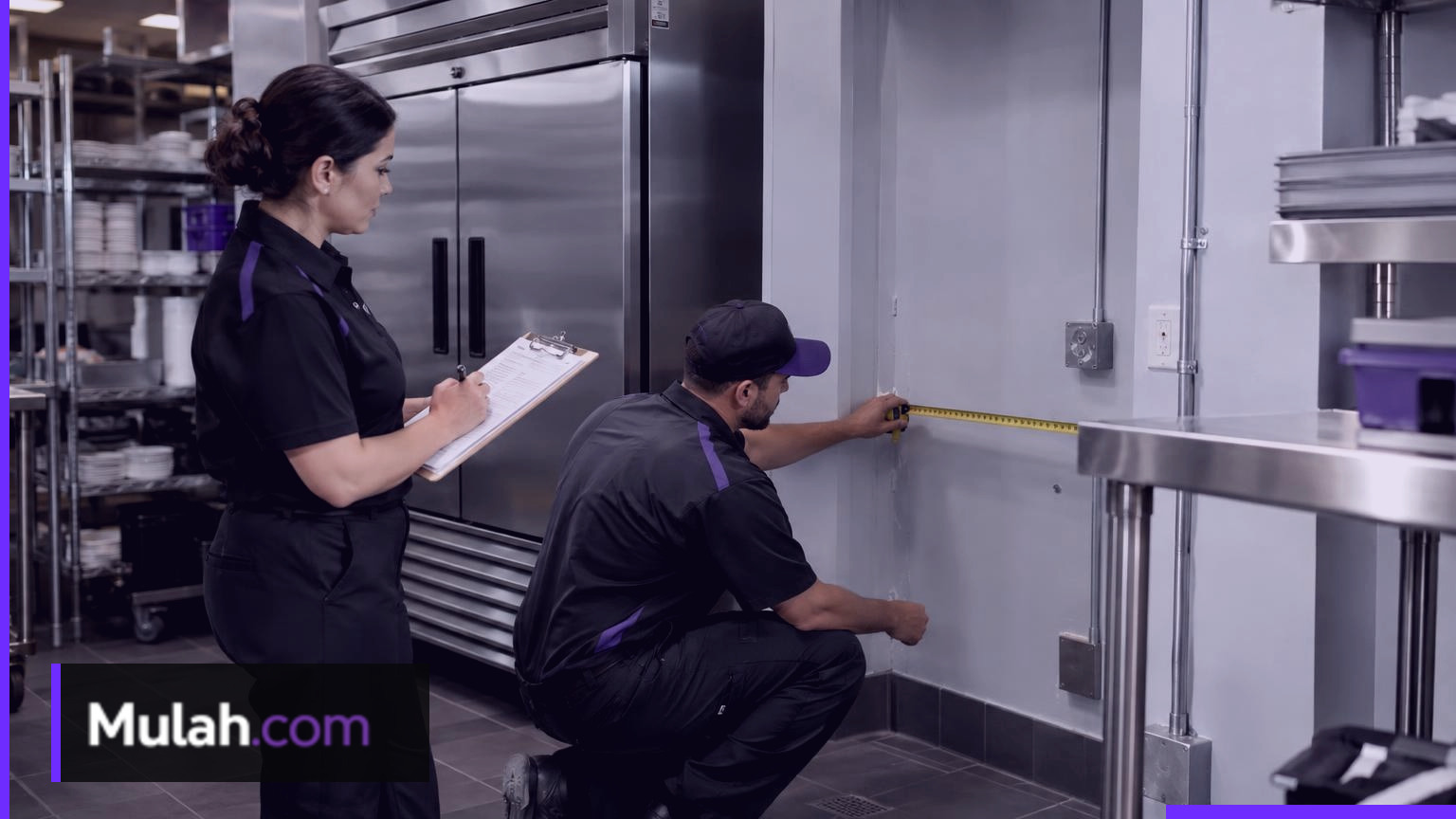
Before committing to a project, find out who must approve it. A location transfer can involve the seller, franchisor, landlord, and lender. Construction may require landlord consent and local permits. A financing commitment won't resolve an unresolved lease assignment or give you permission to change the restaurant.
Put the relevant dates on one timeline: financing conditions, lease possession, construction milestones, required training, equipment delivery, and the planned opening. Ask how deposits and progress payments will be funded. You don't want a contractor invoice due before the financing agreement allows funds to be released.
Read restrictions on collateral and additional borrowing before taking another financing product. Your franchise documents, lease, or current loan may affect what you can pledge or whether consent is required. If the language is unclear, have your attorney explain it before you sign another agreement or authorize a lien.
A restaurant's funding need changes as the project moves forward. Build a cash schedule around these five stages rather than assuming one lump sum solves everything.
List deposits, professional fees, and any nonrefundable payments. Ask which expenses the financing can cover and what evidence you'll need if reimbursement is allowed.
Budget progress payments, inspections, and change orders. Keep a separate contingency rather than expecting an equipment allocation to absorb construction overruns.
Training wages, utilities, insurance, and initial inventory can come due before opening. Include these expenses in your cash plan, even if they aren't eligible under a particular financing product.
Opening sales don't necessarily represent a sustainable pace. Estimate how much cash you need if traffic settles below expectations while staffing and purchasing routines improve.
Once the store is operating, track weekly cash alongside monthly profit. A profitable month can still contain a difficult payroll week when several bills arrive together.
Use these questions to eliminate poor fits before spending time on an application.
A durable improvement may justify a longer repayment period. A short-lived promotion usually doesn't. Term loan options belong in a project budget with a clear economic purpose.
If you know why cash is short and when it should recover, working capital financing may fit. Repeated shortages without a recovery plan point to a deeper operating issue.
A business line of credit can suit intermittent needs. Don't assume unused availability is permanent, or that every draw carries the same repayment schedule.
Equipment financing and leasing may keep a replacement separate from general operating debt. Ask what happens if the equipment fails before you've finished paying for it.
Related Mulah resources include working capital funding, business lines of credit, equipment financing and leasing, term funding, SBA loans, revenue-based financing, startup funding, accounts receivable financing, and the business funding calculator.
An attractive headline doesn't tell you what the financing will feel like on a Tuesday before payroll.
Separate the stated amount from the amount deposited after fees. Then total all scheduled payments. A factor rate isn't an annual percentage rate and shouldn't be treated as one.
Use your own slower-sales history where possible. The business funding calculator can support preliminary planning, but your actual offer and cash forecast should drive the decision.
Ask what early payoff changes, whether unused fees remain due, and how liens are released. Don't assume paying early produces the same savings under every financing structure.
The amount that looks attractive on an offer is not always the amount that makes sense to take. Tie the request to a real expense, a realistic payoff period, and the cash the business can still live on if a customer pays late or a strong month comes in softer than expected.
Mulah helps you put the request in context: what the money is for, how long the need lasts, and which funding categories deserve attention. The small business funding guide provides a broader starting point if you're unfamiliar with the differences among products.
Bring a clear project budget and an honest view of your store's finances. Mulah can help you understand available paths and the information needed to move a request forward. Terms, eligibility, and final decisions depend on the funding provider; marketplace access doesn't replace reading the agreement.
When you're ready, submit a focused request through Mulah's business funding application. Your next step should reflect a defined business need, not just curiosity about the largest possible offer.
Explain what you're funding, when payment is due, and how you calculated the request. Separate purchase costs, equipment, construction, and operating cash.
Use the same ownership, sales, and debt information across your documents. Explain changes or unusual transactions so they don't create unnecessary uncertainty.
Check proceeds, fees, payment frequency, guarantees, collateral, and early payoff terms. Accept only after you understand how the obligation fits your restaurant's cash flow.
Provide the business and financial information needed for a funding review.
Start with a shorter path when you want to discuss the business need before completing the full application.
Review official SBA information about federal small-business loan programs and lender participation.
Official guidance on financial management, cash flow, bookkeeping, and business planning.
Use the official source for current program, regulatory, or business guidance related to this topic.
Use the official source for current program, regulatory, or business guidance related to this topic.
This guide addresses outside business financing through a marketplace. It doesn't represent a Firehouse Subs financing offer or endorsement. Ask the franchisor directly about any current financing relationships or programs.
Potentially, depending on the project, your financial position, experience, investment, and provider requirements. A new restaurant won't have its own sales history, so the opening budget and projections need particular care.
An eligible franchise acquisition may qualify for SBA financing. The lender must assess the transaction under current program rules. Brand affiliation alone doesn't establish eligibility or guarantee approval.
That depends on the financing structure, eligible costs, financial results, what you already owe, and other underwriting factors. Request an amount supported by your budget and what your business can afford.
There isn't a universal minimum across all providers and products. Credit may be considered alongside sales, cash flow, assets, business history, and the purpose of the financing.
Some financing requires one. A personal guarantee can make you personally responsible if the business doesn't pay. Read its scope carefully and get legal advice if you don't understand the exposure.
Some structures may cover eligible franchise-related costs as part of a broader project. Ask specifically about initial fees, transfer fees, and other charges rather than assuming every franchise expense qualifies.
It sometimes can, but coverage varies. Provide an itemized quote showing freight, installation, taxes, and related work. You'll need another source of cash for costs excluded from the agreement.
Not necessarily. Working capital describes the business purpose, not one legal structure. Funding might be a loan, a credit line, or another arrangement with different payment mechanics and contractual protections.
A loss doesn't answer every eligibility question, but it makes the repayment case harder. Explain the cause and show a credible correction. Borrowing to cover continuing losses can deepen the problem.
Be cautious about funding a long-lived project with expensive, short-term collections. Consider the payment burden during construction and reduced sales. The structure should fit the project's benefit and your available cash.
Potentially. Expect questions about entity ownership, each store's results, existing debt, and guarantees. Keep location-level records so a profitable restaurant doesn't obscure the financial condition of another.
Timing varies with the product, provider, transaction, and completeness of your documents. Acquisitions and construction can involve outside approvals. Don't commit to a closing or contractor schedule based on an assumed funding date.
Some products allow eligible refinancing. Calculate the payoff amount, fees, new payment schedule, and total cost. A lower payment can improve cash flow while increasing the amount you pay over time.
Start with the need, the amount, and the timing. Mulah can help you review possible business funding options before you decide whether to move forward.
Call 877-816-8524