Revenue and Available Cash
Show how much money comes in and what remains after normal expenses and current payments. Strong sales alone don’t establish that another payment fits.
A replacement delivery truck or a new production machine can move your business forward, but the payment has to work after installation day. Mulah helps you consider equipment financing and leasing alongside small business loans and other funding options. The goal is to get the equipment you need without leaving your business short of cash for payroll, suppliers, and the next unexpected repair.
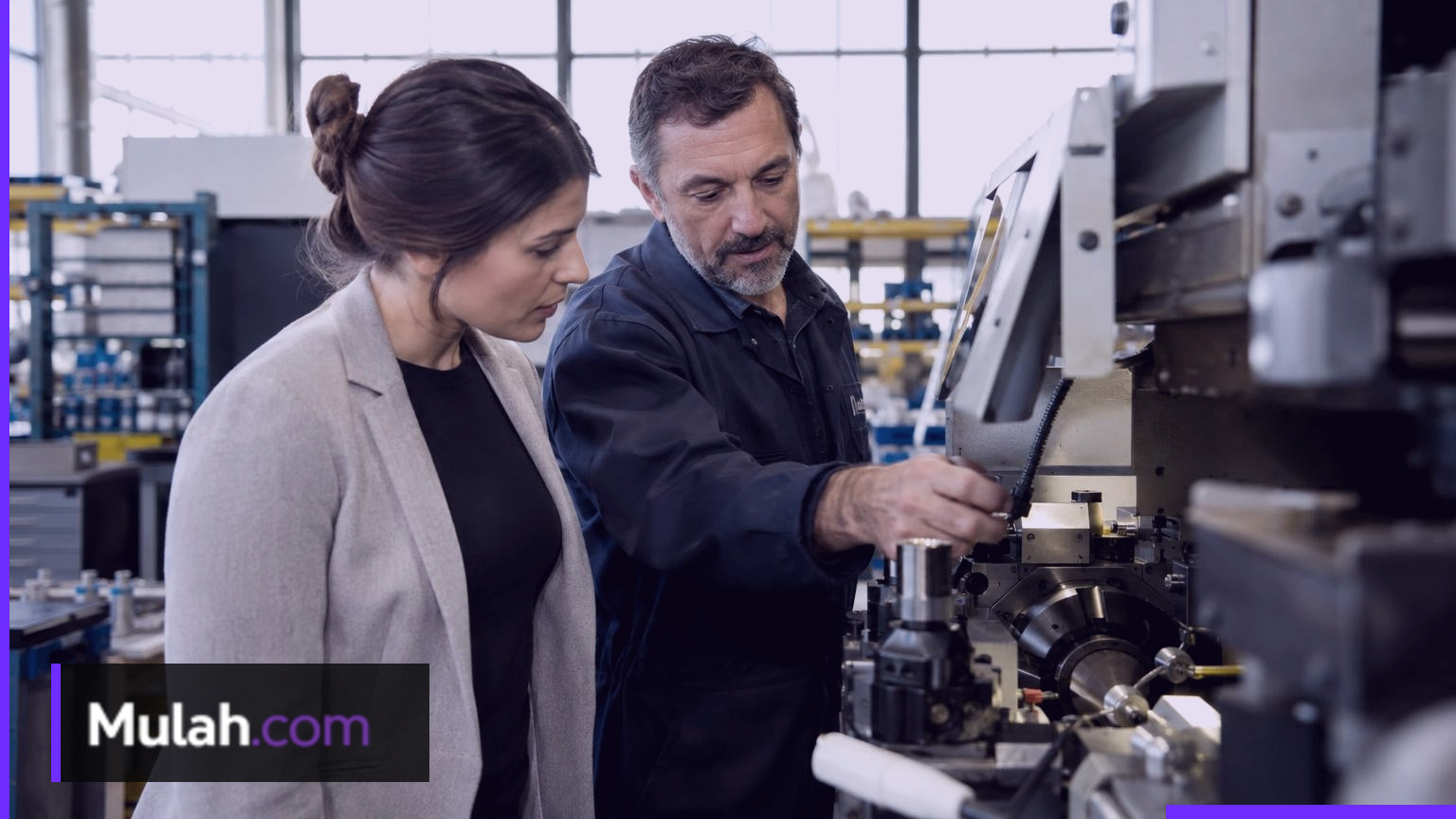
A machine earns its place when it removes a real constraint. That could mean replacing a truck that misses delivery days, adding refrigeration for a larger menu, or installing a CNC machine to bring outsourced work in-house. Put the operating problem into words before choosing the asset.
Then connect the purchase to dollars. Estimate the additional sales you can reasonably handle, the outside costs you would avoid, or the repair bills you expect to reduce. Subtract new labor, supplies, maintenance, and financing payments. More output does not always mean more available cash.
You don’t need a perfect forecast. You do need a defensible one, especially if the purchase relies on work you haven’t won yet. An equipment payment remains due during a slow month, so test the decision against ordinary demand as well as your growth plan.
A payment that looks manageable on annual revenue can still strain your checking account. Landscaping equipment may earn most of its revenue during a shorter season. A manufacturer might pay for materials and labor well before a customer pays an invoice. Map the new payment against those cash movements.
For a replacement, separate the benefit of keeping current revenue from the possibility of generating more. Replacing an unreliable compressor may protect shop productivity without adding sales. That is a legitimate reason to invest, but it calls for a different calculation than buying equipment for a new service.
Mulah’s equipment funding guidance starts with the purchase and your business finances, rather than treating every asset as the same borrowing decision. Use the business funding calculator as a planning aid, then test the actual offer against what your business can afford. An estimate is not an approval or a quote.
Equipment financing is not always the best way to fund every part of a purchase. Small business loans and other funding structures serve different needs, and not all are conventional loans. Keep the asset purchase separate from recurring cash shortages when choosing among them.
| Option | Often considered for | How to think about it |
|---|---|---|
| Term Loans | A defined investment that includes equipment and other eligible project costs. | A lump sum repaid over an agreed period. A term loan may offer broader uses than an equipment-specific agreement; security and repayment terms vary. |
| Working Capital | Payroll, supplies, repairs, or the cash gap around installation and launch. | Funding for day-to-day expenses rather than necessarily the asset itself. Check the underlying product and payment schedule because working capital describes a purpose, not one standardized contract. |
| Business Line of Credit | Recurring or uneven expenses where you don’t need the entire amount at once. | A business line of credit provides access up to an approved limit. Draws, fees, and repayment rules govern its usefulness for a larger equipment purchase. |
| Equipment Financing or Leasing | A specific vehicle, machine, or other business asset. | Financing supports acquisition, usually with the equipment securing the debt. Leasing provides use under a contract, with ownership and end-of-term choices governed by its terms. |
| SBA Loans | Eligible equipment purchases or broader business projects that fit program requirements. | SBA financing involves participating lenders and a federal guarantee. Expect program eligibility requirements and documentation; the guarantee does not eliminate your repayment obligation. |
| Revenue-Based Financing | Businesses considering funding tied to revenue rather than a particular asset. | Revenue-based financing terms vary, including arrangements involving future receivables. Check payment frequency, total cost, and adjustment provisions. It is not automatically an equipment loan. |
Financing is generally geared toward owning the asset, subject to the lender’s security interest. Leasing gives you use of equipment owned by the lessor during the lease. But labels alone don’t settle the economics. A lease with a nominal purchase option can look very different from one requiring a fair-market-value buyout.
Under a fair market value lease, the end-of-term purchase price may reflect the equipment’s value at that time. A dollar-buyout arrangement generally provides a nominal purchase price after required obligations are met. Read how that option is exercised, not just how it appears in the sales presentation.
Also check who handles repairs, insurance, taxes, and transportation. Look for notice periods and automatic renewals. Accounting terms such as operating lease and finance lease have specific meanings; older documents may use capital lease. Your accountant should assess the actual contract rather than rely on its marketing name.
Hard costs are the direct cost of the equipment. Soft costs are related expenses such as freight, installation, training, software, and fees. Some agreements accommodate certain soft costs; others do not. Get an itemized quote so an excluded expense doesn’t become a last-minute cash problem.
Think about the building as well as the machine. An oven may need ventilation work. A manufacturing system may need upgraded electrical service, floor preparation, or specialized rigging. Those expenses still matter even if they come from contractors rather than the equipment dealer.
Tax treatment also affects the economics, but it shouldn’t rescue a weak purchase. Depreciation and potential deductions depend on current rules, the asset, and your circumstances. A deduction is not a dollar-for-dollar refund of the purchase price. Have your tax adviser assess ownership and leasing alternatives before relying on a tax benefit.
Useful life is the period equipment can serve your business effectively. It is not necessarily the same as its tax depreciation period or its physical lifespan. A functioning server can become unsuitable long before it stops running; a well-maintained machine tool may remain productive for years.
For used assets, look at hours or mileage, service records, parts support, and the cost of a serious failure. An independent inspection is especially valuable when the equipment is central to revenue. For specialized medical, printing, or manufacturing systems, verify that service and compatible supplies remain available.
Technology purchases need a similar reality check. Hardware, software licenses, subscriptions, and implementation services may receive different financing treatment. List them separately. A longer repayment period lowers the periodic payment, but it can leave you paying for a system your business has already outgrown.
There is no single credit score or revenue threshold that applies across every equipment product. Prepare to explain both your business finances and the equipment itself. These six areas usually give the request its substance.
Show how much money comes in and what remains after normal expenses and current payments. Strong sales alone don’t establish that another payment fits.
Operating history gives a provider evidence of demand and cash flow. A newer business needs a credible plan and supporting records, not just a forecast of equipment-driven growth.
Payment history and existing debt can affect eligibility, pricing, and guarantee requirements. Be ready to explain recent credit problems accurately rather than leave gaps in the application.
The make, model, age, useful life, and resale market matter. Highly specialized or older assets may have fewer financing choices than widely traded equipment.
Provide a clear quote from the dealer, manufacturer, or other seller. Private-party purchases, deposits already paid, and unusual delivery arrangements deserve attention before you commit.
State what you can contribute without exhausting reserves and what you already owe. Include other equipment payments, credit lines, and obligations that compete for the same cash.
The exact request varies, but a complete file reduces avoidable back-and-forth. Use current records and make sure the business name, seller details, and purchase amount agree across documents.
Eligible assets vary by agreement. These common uses show how the purchase connects to your business, including costs that deserve attention beyond the equipment price.
Excavators, lifts, compressors, generators, and tools support jobs already booked or services you intend to add. Contractors, landscapers, and rental companies should account for transport, storage, insurance, and seasonal utilization.
Trucks, vans, trailers, and service vehicles add delivery or field capacity. Include maintenance downtime and operating costs when deciding how many units your business can support.
CNC machines, packaging lines, forklifts, tractors, irrigation systems, and processing equipment require more than floor space. Check power, setup, operator training, and whether the next production step can handle the added output.
Imaging systems, diagnostic tools, treatment devices, and dental equipment can expand services. Budget for service contracts, facility requirements, and staff training before assuming the new equipment will generate immediate revenue.
Refrigeration, ovens, food trucks, point-of-sale systems, shelving, and fitness machines support customer-facing operations. Make room in the budget for installation and the inventory or staffing needed to use the equipment.
Servers, office systems, printing presses, auto lifts, tire machines, and diagnostic tools serve very different businesses. Software compatibility, maintenance access, and the pace of obsolescence should influence the contract length.
These are planning situations, not customer results. Use them to test the reasoning behind your own purchase before choosing a payment structure.
Separate what you need immediately from the upgrade you would prefer. Price repair, rental, used replacement, and new replacement where practical. Count lost work, but don’t let urgency obscure delivery dates or an unaffordable repayment schedule.
Base the payment on existing cash flow rather than the full pipeline. A smaller unit, staged purchase, or delayed expansion could preserve capacity to act without committing your business to revenue that has not materialized.
Calculate annual ownership costs against realistic working months. Rental or leasing deserves consideration, but verify minimum terms and return costs. A low monthly payment still adds up when the asset earns nothing during the off-season.
Without much operating history, your contribution, credit profile, and business plan take on greater importance. Consult startup funding options, but avoid buying full-scale capacity before demand supports it.
The problem may be collection timing rather than missing equipment. For eligible business invoices, accounts-receivable financing addresses a different need. Don’t add machinery simply because a cash shortfall has made borrowing necessary.

Equipment purchases often arrive with a second funding need. A restaurant adding a kitchen line also needs food inventory and staff training. A contractor adding an excavator needs fuel, insurance, and enough cash to wait for customer payments. Funding the asset alone doesn’t cover that gap.
Build two budgets: one for getting the equipment ready to work and another for running your business until it produces cash. Delivery, electrical work, installation, and initial supplies belong in that calculation. Don’t assume an equipment agreement covers every related expense.
If the purchase would leave payroll exposed, a smaller purchase, a later delivery date, or separate working capital funding deserves consideration. Taking on a second payment only makes sense if your cash flow can carry both.
The financing term is only part of the equipment’s life. Work through these five stages before signing so the purchase stays useful after the initial excitement wears off.
Write down required capacity, dimensions, power needs, and compatibility with your current systems. A lower-priced machine is not a bargain if it cannot handle your jobs or requires expensive changes to your space.
Separate the asset price from freight, taxes, installation, training, and optional service. Include the model and condition. Clear pricing makes it easier to understand what the funding covers and what you must pay yourself.
Find out when your payments begin and when the equipment will be ready to earn revenue. A delivery delay or a lengthy installation can create weeks of payments without the productivity you expected.
Reserve cash for maintenance, inspections, consumables, and downtime. Read warranty exclusions rather than assuming repairs are covered. Specialized equipment may also require trained operators or a service provider outside your immediate area.
A paid-off loan, a lease return, and a purchase option lead to different outcomes. Keep track of notice deadlines, removal costs, and any final payment. Plan replacement before reliability becomes an operating emergency.
The right arrangement follows the job the equipment will do. These choices address different ownership plans, not just different monthly payments.
An equipment loan suits a purchase you expect to keep using after the debt is paid. Match the repayment period to a realistic working life. Financing an older truck over a long period can leave you making payments while paying for major repairs.
Leasing deserves a close look when technology changes quickly or your need has a defined duration. Read the actual return and renewal terms. An upgrade is not automatic simply because the agreement is called a lease.
Used equipment can reduce the amount you need to borrow. Balance that saving against inspection costs, remaining warranty, parts availability, and potential downtime. Some providers restrict equipment age or purchases from private sellers.
Cash avoids financing charges and leaves no recurring debt payment. It also removes liquidity immediately. The purchase is affordable only if the cash left afterward is enough for normal operations and a reasonable cushion.
Related Mulah resources include working capital funding, business lines of credit, equipment financing and leasing, term funding, SBA loans, revenue-based financing, startup funding, accounts receivable financing, and the business funding calculator.
A useful offer should make the cash commitment, ownership terms, and business restrictions understandable. Don’t judge it by the payment alone.
Add the down payment, scheduled payments, fees, and any final purchase payment. Note costs billed separately, including insurance or maintenance. The result is more useful than comparing monthly amounts across agreements with different lengths.
Collateral is property securing a financing agreement. A lien gives a creditor a legal claim against specified property. Find out what assets secure the agreement, when any lien is released, and whether a personal guarantee is required.
Residual value is the equipment’s expected value at the end of the term. A purchase option tells you whether and how you can buy leased equipment. Neither an estimated residual value nor a verbal promise guarantees a particular buyout price.
The amount that looks attractive on an offer is not always the amount that makes sense to take. Tie the request to a real expense, a realistic payoff period, and the cash the business can still live on if a customer pays late or a strong month comes in softer than expected.

Mulah helps business owners across the United States consider equipment financing, leasing, and related funding paths. Share what you intend to buy, why it matters, and what your current cash flow can support. Those details are more useful than requesting the largest possible amount.
Before applying, settle on the equipment budget, the cash you need to retain, and the payment range your business can carry. You can also read the broader business funding guide if your project includes more than an asset purchase. Keep the decision grounded in the work the equipment will actually do.
Have your equipment quote and a realistic funding amount ready. You can submit a request through the application page or call 877-816-8524 to discuss your equipment need.
Provide your business information, equipment details, seller, price, and intended use. Include related costs and the amount of cash you expect to contribute.
Read the payment schedule, total cost, security requirements, and end-of-term provisions. Resolve anything unclear before accepting an offer, especially conditions that must be met before funds are released.
Follow the agreement’s process for vendor payment, delivery, and acceptance. Keep invoices, serial numbers, insurance records, and signed documents together for bookkeeping and future service needs.
Provide the business and financial information needed for a funding review.
Start with a shorter path when you want to discuss the business need before completing the full application.
Review official SBA information about federal small-business loan programs and lender participation.
Official guidance on financial management, cash flow, bookkeeping, and business planning.
Use the official source for current program, regulatory, or business guidance related to this topic.
Use the official source for current program, regulatory, or business guidance related to this topic.
Financing generally funds a purchase that you repay over time. Leasing gives you use of equipment under a contract. Ownership, maintenance duties, purchase options, and return requirements come from the agreement, so two offers with similar payments can have very different outcomes.
Not necessarily. Some leases include purchase options that support eventual ownership. Calculate the full cost, including any buyout, and check when ownership transfers. A nominal purchase option is different from one priced at fair market value.
Used equipment is eligible under some programs. The asset’s age, condition, seller, and remaining useful life affect the choices. Get service records and consider an inspection, particularly when a breakdown would stop revenue-producing work.
There is no universal minimum across equipment lenders and lessors. Your credit is considered alongside business finances, the asset, and the requested structure. Don’t assume an advertised threshold means your application will be approved or priced a particular way.
Some agreements require one, while others structure upfront costs differently. Find out the total cash due at signing, including advance payments, deposits, and fees. Keep enough cash afterward to operate the equipment and cover ordinary bills.
It often does in equipment financing. A provider might also require additional security or a personal guarantee. Read the collateral description carefully so you understand whether the claim is limited to the purchased asset or reaches other business property.
Some agreements cover eligible related costs; others finance only the asset. Itemize freight, installation, taxes, training, and software separately. Get a clear answer on each expense before assuming the approved amount covers a ready-to-use installation.
Timing varies with the provider, documentation, equipment, and seller. A funding decision and the date equipment becomes usable are separate milestones. Include vendor availability, insurance requirements, delivery, and installation in your schedule rather than relying on an approval estimate alone.
Some funding paths consider newer businesses, but limited operating history changes the evaluation. Your cash contribution, credit, experience, and financial plan become especially important. Keep the initial purchase proportionate to demand you can reasonably support.
A line can work for a manageable purchase, but tying it up in a long-lived asset can leave less available for payroll or inventory. Check draw repayment rules and whether equipment-specific funding better matches how long you expect to use the asset.
Eligible SBA loan programs allow equipment purchases, subject to program and lender requirements. They can be relevant when equipment is part of a larger business project. Be prepared for documentation and eligibility checks rather than treating the federal guarantee as automatic approval.
Your contract controls. You might return the asset, renew the lease, or exercise a purchase option. Check notice deadlines, condition requirements, return freight, and any automatic renewal provisions well before the last scheduled payment.
That is a contract question. Some agreements include prepayment charges or payments that do not decline as you might expect. Request a written explanation of the payoff calculation before signing if an early sale or repayment is likely.
No. The equipment should make operating and financial sense before tax benefits. Your tax adviser can explain depreciation, potential deductions, and lease treatment using current rules. Preserve the invoice and date placed in service, since those records matter for tax reporting.
Start with the need, the amount, and the timing. Mulah can help you review possible business funding options before you decide whether to move forward.
Call 877-816-8524