Collected revenue
Bank deposits and financial records should support the revenue you report. Explain unusual transfers, refunds, or deposits that aren't patient or payer collections.
Your practice can have a full appointment book and still face a cash shortage when insurance payments arrive after payroll, lab bills, and rent. Dental Practices Business Funding in Hawaii should connect the financing to the expense, not just the amount requested. This guide explains how small business loans and other funding structures fit equipment purchases, operating gaps, practice acquisitions, and expansion.
Name the expense before choosing the product. Replacing a failed sterilizer is different from adding an operatory, buying a practice, or covering payroll while claims are outstanding. Each creates a different repayment timeline. A useful financing request explains what you're buying, when the money is needed, and how the practice will support the payment.
Separate permanent needs from temporary ones. If your practice consistently spends more than it collects, another loan won't fix the underlying gap. If collections are healthy but arrive unevenly, short-term working capital or revolving credit may be appropriate. Look at several months of deposits alongside payroll dates, rent, lab payments, and existing debt payments.
Mulah is a business-funding marketplace, not a promise of approval from a particular lender. You can use its business funding resources to understand the available categories before submitting a request. The goal is to seek capital that fits your practice without committing to a payment your normal collections can't support.
For a Hawaii dental practice, an equipment quote deserves a careful delivery conversation. Ask whether the price includes shipping to your island, delivery inside the office, installation, and removal of the old unit. Don't assume a mainland warehouse price represents your finished cost. Get the vendor's responsibilities and exclusions in writing.
Service coverage matters as much as delivery. Before financing a scanner, imaging unit, or chair system, ask who handles repairs, where replacement parts come from, and what happens during downtime. A lower purchase price can lose its appeal if the equipment sits unusable while your practice continues making payments.
If you're renovating leased space, coordinate the landlord, contractor, equipment installer, and financing provider before setting a patient-opening date. Verify any applicable professional, building, and installation requirements with the responsible authorities. Keep a cash cushion for delays rather than assuming every contractor invoice and insurance deposit will arrive exactly as planned.
When researching small business loans, you'll also encounter credit lines, leases, and revenue-based products that aren't conventional installment loans. Product names alone don't tell you the cost. Read the payment schedule, fees, security requirements, and payoff terms.
| Option | Often considered for | How to think about it |
|---|---|---|
| Term loans | A defined purchase, expansion, or other project with a reasonably predictable budget. | You receive a lump sum and repay it over an agreed term. Term loan pricing, payment frequency, collateral, and guarantees depend on the offer. |
| Working capital | A temporary gap involving payroll, supplies, lab bills, or other operating expenses. | Working capital financing describes the purpose, not one uniform contract. Check whether the offer is a loan, revolving credit, or another structure. |
| Business line of credit | Recurring, uneven cash needs when you don't need the entire approved amount at once. | A business line of credit allows draws under its terms. Interest, draw fees, renewal conditions, and availability vary. |
| Equipment financing or leasing | Chairs, imaging systems, sterilization equipment, scanners, and other eligible business equipment. | Equipment financing and leasing ties funding to specific assets. Ownership, end-of-term obligations, and treatment of installation costs depend on the agreement. |
| SBA financing | Eligible acquisitions, improvements, equipment, or working capital when program rules and the project fit. | SBA financing comes through participating lenders with an SBA guarantee. Documentation, eligibility, equity, and collateral requirements depend on the program and transaction. |
| Revenue-based financing | An established practice considering funding tied to revenue, after carefully testing the collection burden. | Revenue-based financing may use a purchase of future receivables rather than a loan. Examine withdrawals, reconciliation rights, total payback, and contract terms. |
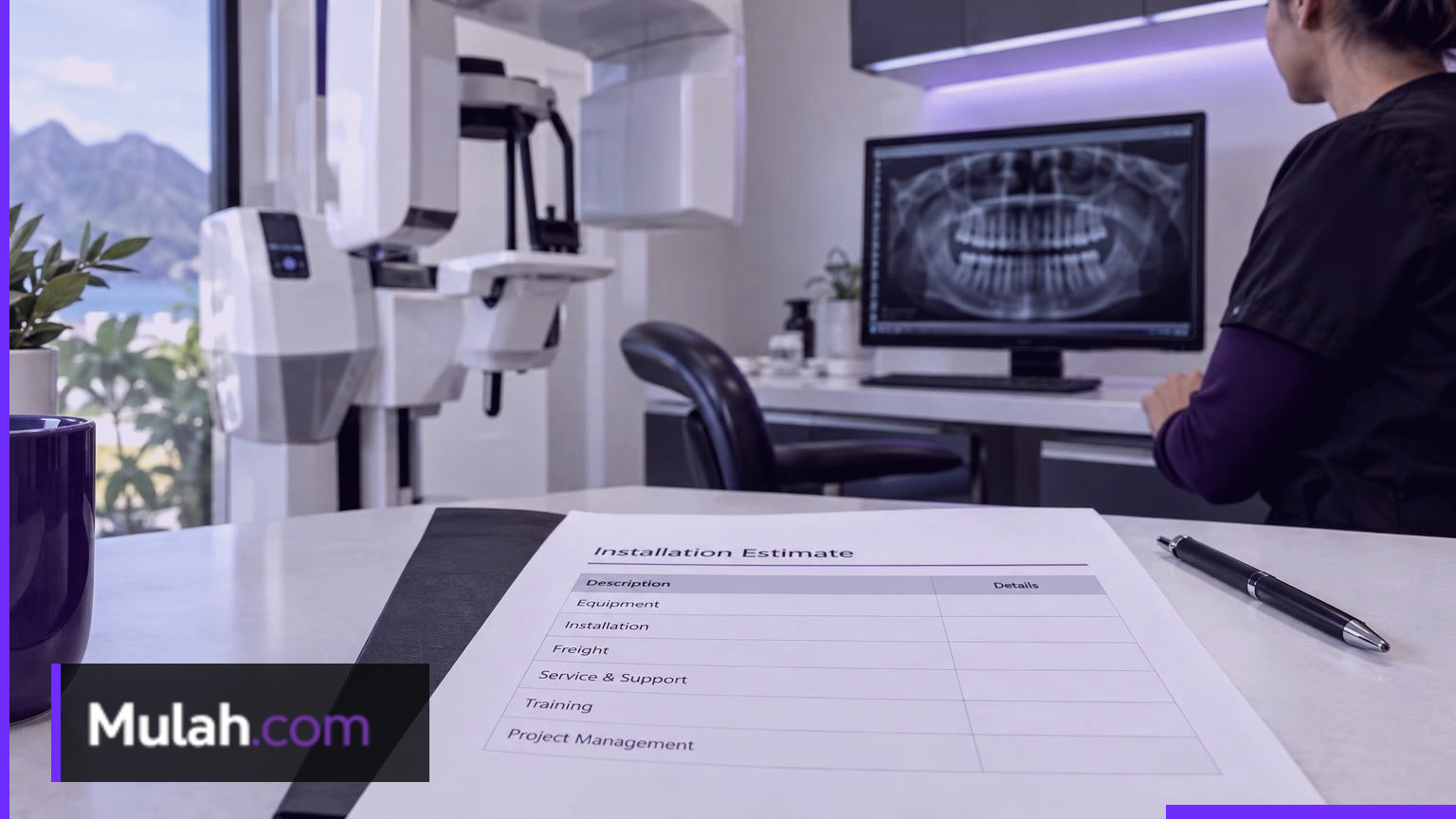
Build one project sheet for a chair replacement, digital scanner, or imaging upgrade. List the equipment, freight, installation, software, training, and any site work separately. Ask which costs the financing provider will cover. If some must be paid from cash, preserve enough for ordinary expenses after the deposit clears.
Match the financing term to a conservative view of useful life. Software support, maintenance obligations, and replacement plans matter alongside physical durability. With a lease, understand whether you must return the equipment, purchase it, or take another action at the end. Ask about notice deadlines and automatic renewal language.
Measure the expected benefit in cash, not enthusiasm. Faster appointments don't automatically produce more revenue if your schedule has unused capacity. Estimate realistic additional collections or documented cost savings, subtract added expenses, and test a slower adoption period. A project can be clinically valuable without paying for itself immediately.
If claims processing pushes collections past payroll, prepare a short weekly cash forecast. Show your beginning balance, expected deposits, essential payments, and the remaining balance. Use recent collection patterns rather than the full amount of outstanding claims. That forecast reveals the size and duration of the actual gap.
A revolving line can suit repeated timing differences, while a fixed working capital loan may fit a defined disruption. Either way, connect the payment to your deposit rhythm. Frequent automatic withdrawals can squeeze the same account used for wages and rent, even when the total monthly repayment initially looks affordable.
When the gap keeps growing, investigate before borrowing again. Unworked denials, weak patient collection procedures, staffing costs, or a decline in appointments require different responses. Financing can buy time for a documented correction, but repeatedly refinancing ordinary expenses adds obligations without necessarily improving the practice's cash position.
For a practice acquisition, budget beyond the seller's asking price. Legal and accounting work, deposits, technology changes, equipment repairs, and opening working capital can affect your cash needs. Clarify which receivables, liabilities, supplies, and patient credits transfer. Those details influence both the purchase economics and the cash available immediately after closing.
SBA financing may be an option for an eligible transaction, but it isn't a grant or an automatic approval. The lender evaluates the business, your background, the project, and applicable program requirements. Discuss equity contribution, guarantees, collateral, and eligible costs early enough to avoid building the purchase agreement around an unsupported assumption.
Read the seller's earnings adjustments skeptically. An expense removed from historical results may return under your ownership, especially if you need replacement clinical labor or management support. Test debt payments after reasonable compensation, recurring expenses, and necessary reinvestment. Have your advisers reconcile the financial statements, tax returns, and collection records before you commit.
Requirements vary by product and provider. A clear request makes it easier to explain your practice's strengths and any issues that need context.
Bank deposits and financial records should support the revenue you report. Explain unusual transfers, refunds, or deposits that aren't patient or payer collections.
An established practice has a collection history to evaluate. A new office or ownership change may require projections, clinical experience, equity, and a more detailed business plan.
Business and personal credit may affect available options. Be ready to explain material issues accurately rather than assuming one advertised score determines every financing decision.
Disclose loans, leases, credit lines, and other funding agreements. Existing liens or frequent withdrawals can affect new financing and the amount your practice can comfortably pay.
A vendor quote, project budget, or purchase agreement helps support the request. Providers may also check business identity, ownership, professional credentials, and other relevant records.
Show what remains after ordinary expenses, reasonable owner compensation, and debt payments. A practice that only covers everything in its strongest month has little room for disruption.
Ask for the provider's actual checklist before sending sensitive information. These are common starting points, not a promise that every product requires the same paperwork.
A specific use makes it easier to size the request and judge whether the payment lasts too long or begins too soon.
A failed compressor, sterilizer, or treatment chair can interrupt appointments. Include installation and any temporary workaround in the budget, and distinguish a necessary replacement from an optional upgrade.
A scanner or imaging system may change workflow. Budget for software, staff training, maintenance, and any required room changes rather than treating the equipment invoice as the whole investment.
Use a conservative forecast of collectible insurance and patient balances. Borrowing against an assumed full recovery of old receivables can leave you with payments after the expected cash fails to arrive.
Include construction, utilities, equipment installation, and reduced production during the work. Check lease permissions and relevant approvals before committing to a financing schedule.
Fund the transaction and the transition separately in your budget. Staff retention, billing handoffs, and the timing of transferred receivables can influence how much working cash you need.
An additional hygienist or associate may increase capacity before collections increase. Tie the request to actual appointment demand, recruiting costs, payroll timing, and a realistic ramp-up period.
These are decision examples, not customer stories or promised outcomes. Use the logic to test your own numbers.
Get a written diagnosis and replacement timeline. If repair buys reliable service at a reasonable cost, financing a new unit immediately may be unnecessary. If replacement is essential, calculate the delivered and installed cost and ask when payments begin relative to delivery.
Check adjustments, payer timing, and lab costs before assuming the practice needs permanent debt. A credit line could bridge a documented timing gap. It won't solve a growing balance of denied claims unless someone is also fixing the billing process.
Add software, support, training time, and any supplies. Then estimate savings using your actual case volume. If the payment only works with a large increase in procedures, test a smaller investment or a later purchase rather than relying on the sales projection.
Avoid spending all available cash at closing. Have the equipment inspected and estimate near-term replacements. Discuss with the financing provider which costs belong in the acquisition request and which require separate funding, without assuming both requests will be approved.
Model the period with fewer appointments as well as the finished office. Construction payments may come due while collections decline. Stage work where practical and preserve a contingency instead of borrowing only enough to cover the contractor's base estimate.
An equipment payment shouldn't dictate treatment recommendations. Estimate demand using procedures your practice already performs or has a credible plan to introduce. For a new service, account for training, appointment length, supplies, and reimbursement arrangements. Financing makes the purchase possible; it doesn't create patient demand.
Patient financing and practice financing also serve different purposes. A patient payment program addresses how patients pay for care. Business financing funds your practice's equipment, expenses, or acquisition. If a patient financing provider pays your practice after deducting a fee, use the net amount and actual settlement timing in your cash forecast.
Keep professional and business requirements separate as well. A financing decision doesn't authorize someone to practice dentistry or settle questions about ownership structure. Before an acquisition or ownership change, have qualified Hawaii legal and accounting advisers check the transaction, applicable professional rules, and how the debt will be held.
Your schedule tells you how busy you are. Your collection cycle tells you what you can afford. Trace these five points before adding a payment.
Gross production can overstate what you'll collect. Use expected collections after contractual adjustments, discounts, and amounts unlikely to be paid.
Separate routine processing time from denied claims, missing documentation, and unresolved balances. Financing a fixable billing backlog can become an expensive habit.
Look at actual bank deposits by week. A monthly total can hide a shortage just before payroll or a large lab payment.
More procedures can mean higher lab, supply, and staffing costs before collections arrive. Include those costs when projecting the benefit of new equipment.
Add the proposed payment to what you already owe. Then test a slower collection month without assuming you can postpone payroll or essential supplies.
You don't need every product on the list. Use the nature of your expense to rule out structures that create unnecessary cost or pressure.
A fixed project usually benefits from a clearly sized request. Include deposits, installation, and related cash needs, but separate essential spending from optional upgrades. Financing extra equipment simply because it's available can weaken an otherwise sensible project.
A line of credit may fit repeated timing differences better than taking out a new lump-sum product each time. Ask how draws are repaid and whether repaid amounts become available again. Don't assume renewal or continued availability is guaranteed.
The purchase agreement, financial records, valuation work, and lender requirements must fit together. Allow time for questions about seller adjustments, patient retention, and the lease. A product advertised for general working capital may not suit a practice purchase.
Obtain a repair estimate and a replacement quote if time permits. Ask the vendor about deposit and payment milestones. A short deadline shouldn't prevent you from understanding the financing agreement, particularly automatic withdrawals and early payoff provisions.
Related Mulah resources include working capital funding, business lines of credit, equipment financing and leasing, term funding, SBA loans, revenue-based financing, startup funding, accounts receivable financing, and the business funding calculator.
Two offers for the same amount can put very different demands on your practice. Put the full agreements beside your cash forecast.
List net proceeds after fees, every scheduled payment, and total repayment. Use the business funding calculator for estimates, then use the actual offer for your decision. A factor rate isn't the same as an annual interest rate.
Understand any personal guarantee, collateral pledge, blanket lien, or automatic withdrawal authorization. Ask how the agreement interacts with existing equipment financing and bank credit. Don't assume a smaller funding amount means fewer contractual obligations.
Ask what happens if you repay early, sell the practice, move, or replace financed equipment. For revenue-based agreements, understand any reconciliation process. An early payoff doesn't necessarily reduce cost in the way a conventional interest-bearing loan might.
The amount that looks attractive on an offer is not always the amount that makes sense to take. Tie the request to a real expense, a realistic payoff period, and the cash the business can still live on if a customer pays late or a strong month comes in softer than expected.

Mulah gives you a marketplace path for presenting a business-funding request and understanding potential options. Bring a defined purpose, realistic budget, and current financial information. That makes the conversation more useful than submitting a round number without explaining the expense or how your practice expects to repay it.
You can read about the Mulah funding process before proceeding. A marketplace request isn't an approval or a commitment to accept financing. Evaluate the provider's actual terms, ask questions about anything unclear, and keep your accountant or attorney involved when the transaction warrants it.
Your next step is to turn the business need into a clear request. You don't need a perfect forecast, but you do need numbers you can explain.
State what the funds will cover, the amount supported by quotes or cash-flow records, and any deposit or closing dates. Separate must-have spending from purchases you can defer.
Use collected revenue and ordinary expenses to estimate what you can afford in a slower month. Include existing debt and leave room for maintenance, taxes, and unexpected business costs.
When you're ready, use the Mulah business funding application. Keep your supporting records available and evaluate any resulting offer on its full cost, payment schedule, and contract terms.
Provide the business and financial information needed for a funding review.
Start with a shorter path when you want to discuss the business need before completing the full application.
Review official SBA information about federal small-business loan programs and lender participation.
Official guidance on financial management, cash flow, bookkeeping, and business planning.
Use the official source for current program, regulatory, or business guidance related to this topic.
Use the official source for current program, regulatory, or business guidance related to this topic.
Yes. Dental practices can seek business financing, subject to provider requirements and any applicable program rules. Your practice's finances, ownership, credit, intended use, and existing debt affect which options are available.
Equipment financing or leasing is worth considering for a defined purchase. A term loan may also fit. Look at the full installed cost, ownership terms, useful life, and total payments rather than choosing solely by the monthly amount.
Some agreements allow related costs, but not all do. Provide an itemized quote and ask specifically about freight, installation, training, site work, and taxes. Plan how you'll pay any excluded costs.
Business operating expenses are common working capital uses, subject to the agreement. The more important question is how the practice will repay the financing after covering the next payroll and lab cycle.
A line can fit recurring timing gaps because you draw as needed under its terms. A term loan can fit a one-time expense. Fees, repayment rules, and continued access determine which is more practical.
An eligible acquisition may qualify through a participating SBA lender. The transaction must satisfy lender and program requirements. Discuss the purchase structure, equity contribution, working capital, and required documentation before relying on SBA financing.
A new practice may have options, but it lacks established business collections. Financing providers may place more weight on your experience, credit, cash contribution, projections, collateral, and project details. Don't assume an established-practice product accepts startups.
It may be. Requirements differ by provider and product, and a personal guarantee may also be requested. Ask what credit inquiries and guarantees are involved before proceeding.
Use quotes and a cash forecast to support the amount. Include necessary related costs and a reasonable contingency where appropriate, then subtract cash you can contribute without weakening everyday operations.
Receivables-based arrangements exist, but dental insurance and patient receivables require careful evaluation. Assignment restrictions, payer contracts, privacy obligations, aging, and disputes can affect suitability. Don't assume ordinary unpaid claims qualify as financeable commercial invoices.
Not always. Some agreements purchase future receivables rather than create a conventional loan. Read the actual contract for payment mechanics, reconciliation rights, guarantees, default provisions, and total payback.
Some providers consider used equipment. Age, condition, vendor, remaining useful life, and resale value can affect the decision. Also check service availability, software transfer rights, and installation costs.
Possibly, depending on the product and provider. Compare the new total cost, payoff charges, fees, and term with the current debt. A lower payment can still mean paying more overall if repayment extends substantially.
Timing depends on the product, complete documentation, underwriting, and transaction complexity. Equipment delivery or an acquisition closing may add dependencies. Don't schedule a nonrefundable commitment around an assumed approval or funding date.
Start with the need, the amount, and the timing. Mulah can help you review possible business funding options before you decide whether to move forward.
Call 877-816-8524