Operating history
Time in business gives context to your results. If ownership recently changed, distinguish the store's history from your own management history.
Your convenience store can ring up steady sales and still run short of cash before a supplier delivery, cooler replacement, or payroll run. Funding should solve that specific gap without taking too much from the next week's receipts. This guide explains how Arizona store owners can assess small business loans and other financing against their margins, equipment needs, and actual cash flow.
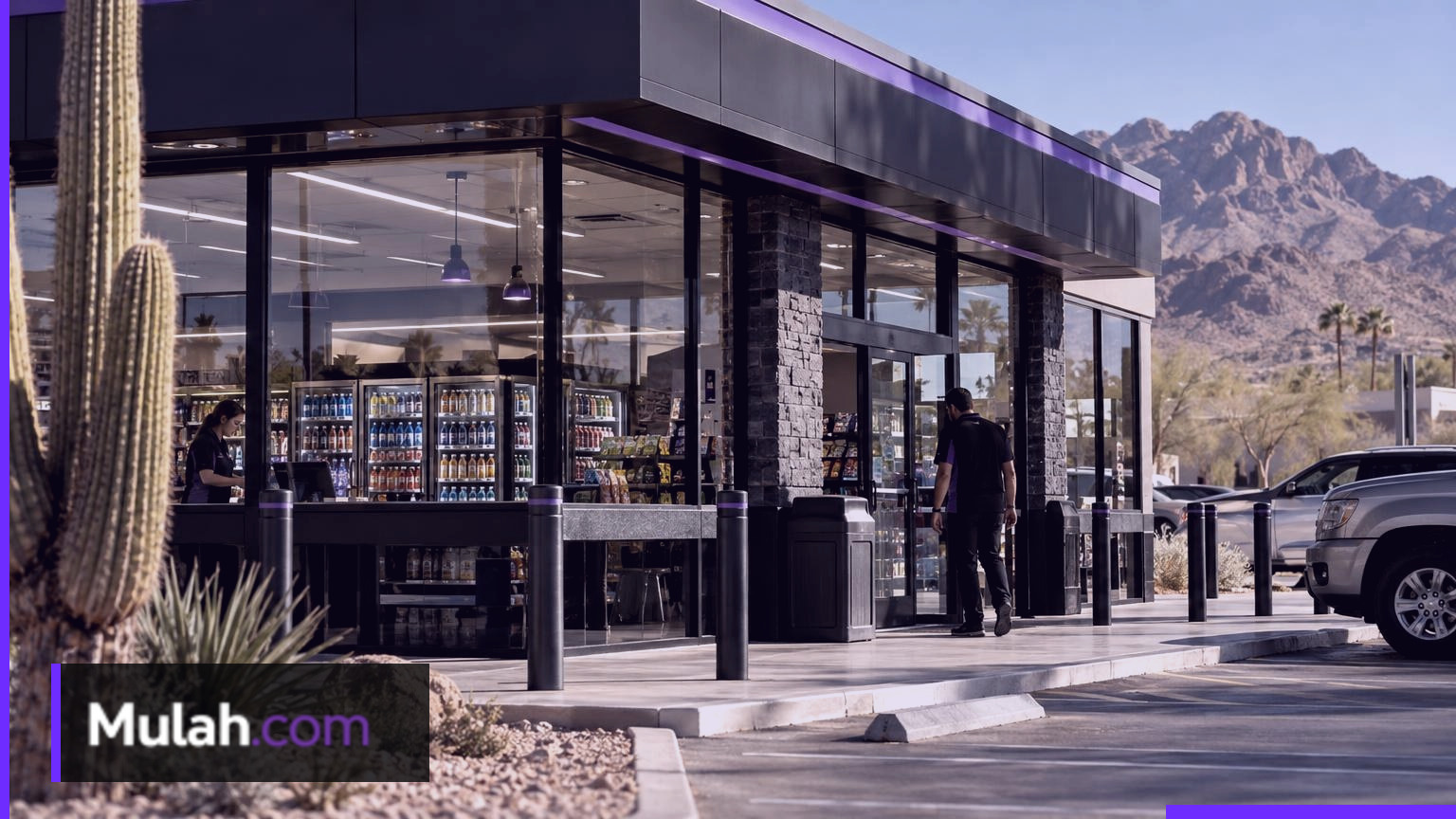
The right funding request begins with a business problem, not a maximum dollar amount. You might need to bridge a supplier payment, replace failing refrigeration, or improve a store you've already made profitable. Those needs deserve different repayment schedules. Financing that works for a remodel can become expensive and awkward when you use it for ordinary weekly replenishment.
Arizona isn't one retail market. A neighborhood store, a highway stop, and a location serving seasonal visitors can have very different purchasing patterns. Use your own transaction history to explain the difference. If hot weather increases beverage demand at your location, show the sales records alongside the higher inventory purchases and utility bills rather than relying on a statewide assumption.
Mulah is a business-funding marketplace where you can seek funding options for your business. A useful request explains what you need, why you need it now, and how the business will make payments. Your next step is to put those facts together before choosing a product.
Your product mix matters as much as your sales total. A store with substantial fuel or tobacco sales may report strong revenue while retaining a relatively small share after direct costs. Give a financing provider enough detail to distinguish volume from profit. Point-of-sale category reports are especially useful here.
Refrigeration and air-conditioning failures can affect several parts of the business at once. You may face repair costs, spoiled inventory, and lost sales while equipment is unavailable. In Arizona's hot conditions, your equipment budget should account for the installation environment and service needs, not merely the price on a supplier's quote.
The property arrangement also changes the request. If you lease, find out who owns the fixtures and who must approve electrical or building work. If fuel equipment is involved, property records, environmental information, insurance, and supplier contracts may become important. Don't assume ordinary retail financing covers every part of a fuel-selling location.
When you're researching small business loans, you'll also encounter credit lines, leases, and sales-based funding. They aren't interchangeable, and some aren't conventional loans. These are the main distinctions to discuss before requesting an offer.
| Option | Often considered for | How to think about it |
|---|---|---|
| Term loans | A defined project or purchase with a budget and a predictable payback period. | You receive a lump sum and repay it over an agreed term. See term loan options; payment frequency, fees, security, and prepayment terms vary. |
| Working capital funding | Inventory, payroll timing, and other short operating needs supported by ongoing sales. | Working capital describes the purpose, not one contract type. Working capital loans may provide lump-sum funding, so check the actual repayment structure. |
| Business line of credit | Recurring gaps when you need access to funds at different times. | An approved limit lets you draw as needed, subject to the agreement. Check draw fees, availability conditions, and how repayment restores access to your business line of credit. |
| Equipment financing or leasing | Refrigeration, food-service equipment, or other eligible business assets. | The equipment typically secures financing; a lease may provide use without immediate ownership. With equipment financing and leasing, check deposits, included costs, and end-of-term obligations. |
| SBA financing | Eligible acquisitions, improvements, equipment, or working capital where the program and lender permit. | Participating lenders make loans supported by an SBA guarantee. SBA financing requires eligibility and underwriting; the guarantee doesn't remove your repayment responsibility. |
| Revenue-based financing | An established sales stream that can support the proposed remittances. | Some arrangements purchase future receipts rather than make a loan. Read how payments are collected, whether they adjust with sales, and what reconciliation requires in revenue-based financing. |
A larger beverage delivery before a reliably busy period can be a sensible use of credit. Estimate the purchase cost, expected gross profit, and time needed to sell the extra stock. Then account for ordinary expenses that will also need those receipts. Sales alone don't repay the draw.
Ask how each draw is repaid. Some products use interest on the outstanding balance; others attach separate fees or repayment schedules to draws. Check whether the provider can reduce availability and what happens at renewal. An unused limit isn't the same as cash you already have in the bank.
Pay attention if the balance never falls after the busy period ends. That can mean your request was too small, but it can also point to weak margins, slow stock, or continuing losses. Replenishing a credit line should follow genuine cash recovery, not another financing agreement.
Ask for an itemized quote covering delivery, installation, electrical work, removal, and any required site preparation. Determine which items the financing provider will cover. If taxes, deposits, or contractor costs must come from your cash, include them in the project budget before signing.
A replacement cooler may protect existing sales rather than create new revenue. That's still a valid business purpose, but don't justify the payment with an optimistic sales increase. Base affordability on current cash flow, then consider documented savings from lower maintenance or energy use separately.
For a lease, find out who owns the equipment at the end, what purchase options apply, and who pays for service and insurance. For used equipment, check age restrictions, warranty coverage, and parts availability. Also make sure your premises lease allows the installation.
If you're buying a store or making a substantial improvement, discuss term and SBA financing before relying on short-term funding. Eligibility, eligible uses, and lender requirements differ. A longer repayment period can reduce payment pressure, but total financing cost and any required contribution still matter.
An acquisition request needs more than the seller's asking price. Examine tax returns, sales records, inventory valuation, lease terms, and the equipment being transferred. Separate real estate, goodwill, merchandise, and equipment in the budget. If fuel is sold, additional property and environmental diligence may be necessary.
For a remodel, reserve cash for delays and the sales you could lose while aisles or service areas are closed. Don't fund an entire construction plan with an agreement that begins collecting substantial payments before the work can produce a benefit.
Requirements vary by product and provider. Your strongest preparation is a clear account of how the store earns money, what you already owe, and what payment it can sustain.
Time in business gives context to your results. If ownership recently changed, distinguish the store's history from your own management history.
Show revenue by major category and explain unusual deposits. Providers may look beyond sales volume to gross profit and cash available after expenses.
Overdrafts, returned payments, and irregular balances can prompt questions. Explain one-time events with records rather than leaving the provider to guess.
Business and personal credit may be considered. Disclose balances, payment schedules, liens, and guarantees so a new payment isn't assessed in isolation.
Lease duration, property ownership, asset condition, and installation requirements can affect available structures. A short remaining lease can complicate a long equipment commitment.
Connect the requested amount to a quote, inventory plan, or budget. Show what happens to cash flow if sales are lower than expected.
You may not need every item for every product. Having these records available makes it easier to respond accurately and keeps your request consistent.
A precise use of funds makes both the financing choice and the affordability test more useful.
Fund products your sales history supports. Buying more slow-moving merchandise because a distributor offers a discount can leave you paying financing costs on stock that doesn't sell.
Budget for installation and temporary product storage as well as the unit. Find out whether repairs could safely extend the existing equipment's life before committing to replacement.
Use delivery terms, expected gallons sold, and retained margin to size the gap. Avoid basing repayment on the full pump-price revenue.
Include equipment, training, waste, staffing, and applicable approvals. A higher selling price doesn't guarantee higher profit once labor and unsold food are included.
Price hardware, software subscriptions, installation, and staff training together. Measure likely benefits conservatively; don't count every prevented loss as guaranteed cash for payments.
Separate purchase costs from post-closing cash needs. You'll still need inventory and a cash cushion after paying deposits, professional fees, and your required contribution.
These are hypothetical situations, not customer results. Each shows how the purpose and cash cycle should shape your next question.
Get repair and replacement estimates, including installation timing. Equipment financing may fit the replacement, but temporary storage and spoiled stock require separate cash. Calculate both needs rather than assuming one equipment quote covers the disruption.
Subtract financing charges, storage costs, and likely shrink from the discount. If selling the extra cases takes much longer than normal, the smaller order may leave your business in a better cash position.
Check whether larger inventory purchases and staffing costs arrive before the receipts. A credit line could fit a documented timing gap. If profit has fallen despite higher sales, fix the margin problem before adding debt.
Assess the new location independently before combining projections. Include management coverage, lease obligations, and working cash at both stores. Don't make the existing store responsible for payments the second location can't realistically support.
Build a complete payment schedule before seeking more money. Refinancing only improves the situation if the new terms produce a sustainable result after fees and payoffs. Another obligation layered on top may deepen the shortage.

Separate a recurring cash shortage from a one-time expense. A line of credit can fit a short inventory cycle, but borrowing repeatedly to cover losses won't fix weak pricing, excessive waste, or rent the store can't support. Look at the cause before increasing the balance.
Keep long-lived improvements separate from merchandise you expect to sell quickly. A refrigerator may generate value for years. Snacks and drinks should turn much sooner. Combining both into one short repayment schedule can force your fastest-moving products to carry the payments for your equipment.
If you sell fuel, don't assume a large deposit balance means a large cushion. Fuel purchases, card settlements, and supplier drafts can move substantial amounts through your account. Financing decisions should reflect the money you retain, not just the money that passes through.
A simple weekly cash calendar often reveals more than a monthly sales total. Put these five points on the same page so you can see when financing would be used and when cash should return.
List delivery dates, payment terms, and any automatic drafts. A supplier invoice due before a busy weekend creates a different gap from inventory that sits for a month.
Use category-level sales and margin reports. Drinks, prepared food, tobacco, and general merchandise can contribute very different amounts toward the same financing payment.
Check settlement timing, processing fees, and any reserves. Register totals don't always become available cash on the same day, particularly around weekends or account disruptions.
Mark payroll, rent, utilities, insurance, and tax payments. Several ordinary expenses landing together can explain a temporary shortage even when the month is profitable.
Add the proposed financing payment to that calendar. Leave room for spoilage, repairs, and a softer sales week instead of committing every projected dollar.
Don't choose a product solely because its advertised payment looks manageable. First decide which of these four jobs describes your request.
For inventory that reliably sells before the next replenishment, consider revolving working capital. Write down the expected payoff date and the sales that should produce the cash.
A cooler, freezer, or checkout system belongs in an equipment discussion. Match the repayment period to a realistic useful life, allowing for maintenance and technology changes.
A remodel or location purchase needs a full project budget. Longer-term financing may fit better than repeated short advances, especially when construction delays could postpone additional sales.
For a breakdown or sudden repair, get a written estimate first. Urgency doesn't eliminate the need to understand total cost, payment frequency, and the effect on your remaining cash.
Related Mulah resources include working capital funding, business lines of credit, equipment financing and leasing, term funding, SBA loans, revenue-based financing, startup funding, accounts receivable financing, and the business funding calculator.
Two offers with similar funding amounts can affect your store very differently. Put these questions beside the contract, not just the sales summary.
Subtract withheld fees and any required payoff of current financing. Your project needs the net proceeds, not the headline amount. Make sure the remaining cash covers the actual expense.
List total repayment, payment frequency, and financing charges. A factor rate is a repayment multiplier, not an annual interest rate. Use the business funding calculator for estimates, then rely on the written offer.
Read personal guarantees, liens, default terms, and restrictions on additional financing. Ask how early payoff changes the cost. Don't assume paying sooner removes every remaining charge.
The amount that looks attractive on an offer is not always the amount that makes sense to take. Tie the request to a real expense, a realistic payoff period, and the cash the business can still live on if a customer pays late or a strong month comes in softer than expected.

Mulah provides a marketplace path for seeking business funding rather than asking you to assume one product fits every store. You can use the business funding and loan resource to understand the broader choices, then prepare a request around your actual use of funds.
Keep your requested amount, sales information, and current payment details consistent throughout the process. The funding-options process explains the next steps. Any offer still needs to be judged on its own written terms, eligibility requirements, and fit with your cash flow.
When your budget and records are ready, use the Mulah application to submit your business funding request. Applying isn't a commitment to accept an offer.
Explain the expense, timing, and amount requested. Distinguish equipment costs from inventory and other operating expenses.
Use recent figures and disclose what you already owe. Respond to requests for supporting records with complete, readable documents.
Check net proceeds, total cost, payment timing, and contract obligations. Accept only when the payment fits a realistic cash-flow forecast.
Provide the business and financial information needed for a funding review.
Start with a shorter path when you want to discuss the business need before completing the full application.
Review official SBA information about federal small-business loan programs and lender participation.
Official guidance on financial management, cash flow, bookkeeping, and business planning.
Use the official source for current program, regulatory, or business guidance related to this topic.
Use the official source for current program, regulatory, or business guidance related to this topic.
Possibly. Providers assess factors such as operating history, revenue, bank activity, credit, and current financing. The store's product mix and requested use also matter. No single sales figure guarantees eligibility.
No. Term loans and credit lines are lending products, while equipment leases and some future-receivables purchases use different structures. Read the agreement to understand ownership, repayment, and your contractual obligations.
A business line of credit can suit recurring purchases when stock sells predictably and you can pay down draws. A fixed working capital loan may fit a defined purchase, but repeated borrowing deserves closer cash-flow analysis.
Some providers finance eligible used equipment. Age, condition, vendor, and useful life can affect the decision. Ask whether installation is included and what warranty or service protection you'll have.
It can. Separate fuel sales and costs from merchandise results. Depending on the financing purpose, providers may also request supplier agreements, property details, insurance, or environmental information.
An eligible business may qualify through a participating lender, subject to the applicable program rules and underwriting. Discuss your business activities and planned use of funds before assuming a purchase or project is eligible.
There isn't one universal minimum across all products and providers. Credit may be assessed alongside cash flow, operating history, assets, and current debt. Ask about the criteria for the specific option under consideration.
Startup options differ from financing based on an established sales history. Your experience, contribution, projections, and available security may receive more attention. Don't treat an operating-store product as a promise of startup eligibility.
Some agreements require one. A personal guarantee can make you personally responsible under its terms if the business doesn't meet its obligations. Read the guarantee separately from the payment summary.
Some working capital products allow those uses. Still, distinguish a temporary timing gap from an ongoing inability to cover expenses. Financing adds a payment; it doesn't turn a consistently unprofitable store into a profitable one.
Place them on your actual cash calendar alongside supplier drafts and payroll. Test a weaker week, not just an average month. Frequent payments can create pressure even when the monthly total initially looks affordable.
Not necessarily. The agreement may use estimated collections and require a reconciliation request to adjust them. Ask what records you must provide, how adjustments work, and when they take effect.
That depends on the contract. Some products reduce future interest; others retain certain fees or charges. Request a written explanation of the payoff calculation before treating early repayment as a source of savings.
Use supplier quotes and a specific budget, then subtract cash you can contribute without draining essential reserves. Include necessary installation or downtime costs. The largest available offer isn't automatically the right amount for your store.
Start with the need, the amount, and the timing. Mulah can help you review possible business funding options before you decide whether to move forward.
Call 877-816-8524