Time in business
Operating history gives context to sales and expenses. If your wash is new, management experience, your investment, and credible projections become especially important.
Your car wash can have steady membership revenue and still face a difficult cash decision when a conveyor fails or a water-system upgrade comes due. Car Washes Business Funding in Arizona connects those operating needs with financing choices, including small business loans. The right structure depends on what you're buying, how long it will serve your business, and what your cash flow can comfortably support.
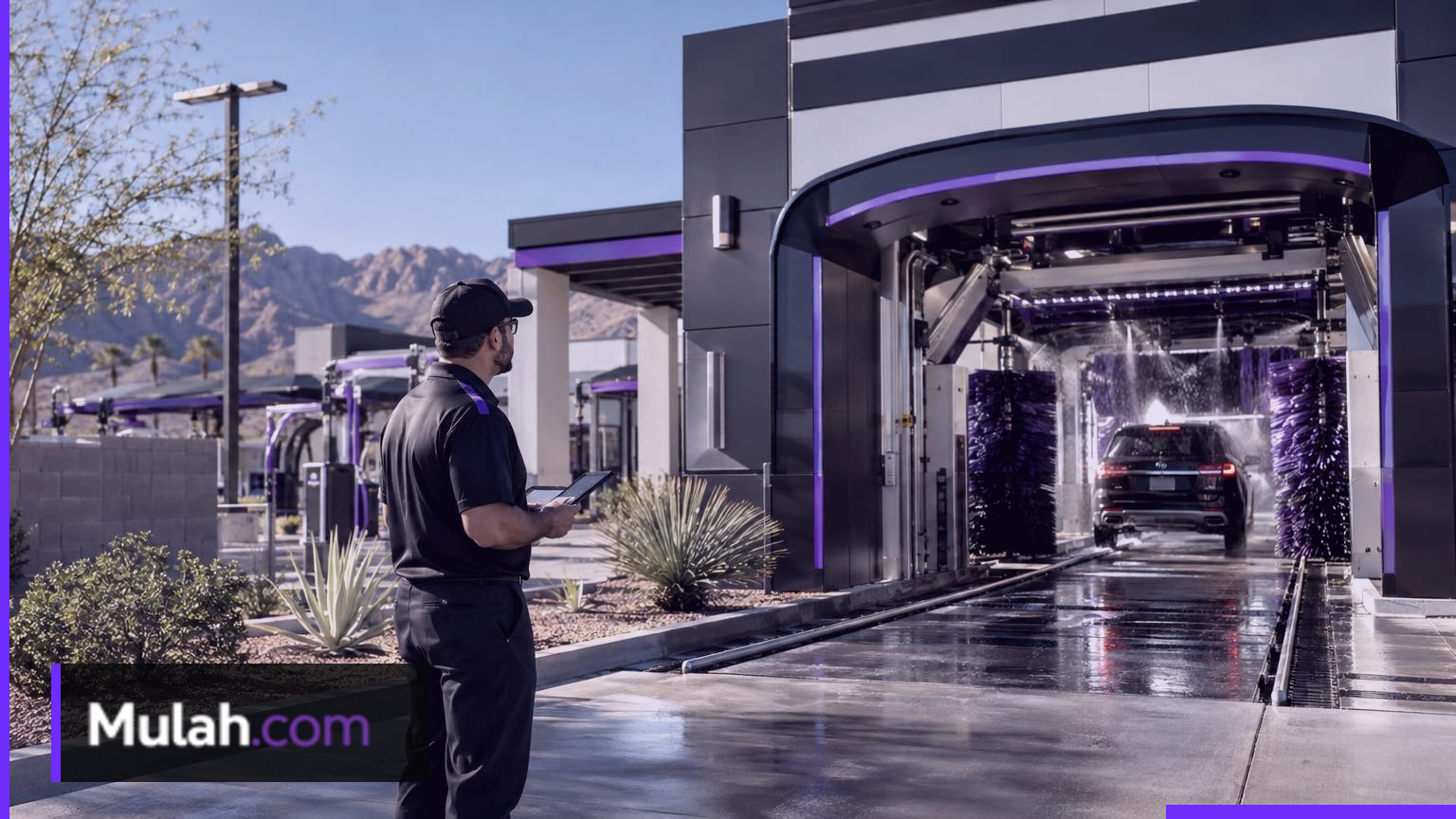
Name the problem before choosing a product. Replacing a failed dryer is different from covering a temporary payroll gap, and neither is the same as building another location. Put a dollar amount and a deadline beside the need. Then separate essential spending from improvements you could postpone without interrupting service.
For an established wash, funding discussions usually turn on deposits, operating history, credit, and what you already owe. A new location also raises questions about construction, site access, utility connections, and how long sales will take to develop. Mulah is a business-funding marketplace where you can present those needs and understand which financing structures deserve a closer look.
Keep your own contribution visible. Spending every available dollar on a down payment can leave you dependent on another round of financing after opening. Your budget should leave room for ordinary bills and a repair that arrives at the wrong time. Financing should solve the original problem without creating a second one.
Heat and dust make equipment care and site maintenance practical concerns for an Arizona wash. Weather can also change customer traffic abruptly. Use your own monthly wash counts and maintenance records rather than assuming a statewide seasonal pattern. A shaded self-service site, an express tunnel, and a detailing business won't have identical costs.
Water deserves a separate budget discussion. Before financing a reclamation system, changing equipment, or developing a site, ask the serving utility and relevant local agencies about service, discharge, and approval requirements. Rules and available infrastructure depend on the location. A vendor's equipment estimate isn't a substitute for those answers.
For leased property, make sure your financing plans fit the lease. Installation rights, responsibility for plumbing improvements, renewal options, and removal obligations can all affect the economics. If the lease expires well before the financed equipment's useful life, resolve that mismatch before committing to an expensive upgrade.
These choices aren't interchangeable. Some finance a specific asset; others provide cash for broader business needs. Your intended use and cash flow should narrow the field before pricing does.
| Option | Often considered for | How to think about it |
|---|---|---|
| Term loans | A defined project with a reasonably clear cost and repayment plan. | You receive a lump sum and repay it over an agreed term. Term loan financing can suit renovations or other business investments, subject to the lender's rules. |
| Working capital | A temporary gap involving payroll, supplies, utilities, or other operating costs. | Working capital funding can take different forms. Check the actual contract, payment frequency, and total cost rather than assuming the label describes one product. |
| Business line of credit | Recurring but uneven cash needs when you don't need the full limit at once. | A business line of credit generally lets you draw within an approved limit. Availability, draw fees, repayment periods, and renewal conditions vary. |
| Equipment financing or leasing | Conveyors, dryers, pumps, payment kiosks, reclamation systems, or other eligible equipment. | Equipment financing and leasing ties the transaction to equipment. Ownership, down payments, covered installation costs, and end-of-term obligations depend on the agreement. |
| SBA financing | Eligible acquisitions, substantial improvements, equipment purchases, or other qualifying longer-term projects. | SBA financing involves participating lenders and program requirements. The government guarantee protects the lender in part; it doesn't remove your responsibility to repay. |
| Revenue-based financing | An established business considering funding supported by sales, after testing the collection burden. | Revenue-based financing structures vary and may not be conventional loans. Don't assume withdrawals automatically fall with sales; check adjustment rights and total repayment or purchased-receipt amounts. |
A new conveyor, pump assembly, or dryer can bring costs for freight, removal, electrical work, plumbing, controls, and installation labor. Ask the vendor for an itemized installed price. Then ask the financing provider which items qualify. You may need cash for expenses the equipment agreement doesn't cover.
Replacement timing matters as much as price. Schedule the work around expected traffic and contractor availability, and estimate the revenue you'll lose while the bay or tunnel is unavailable. Keep that interruption separate from the equipment purchase. Financing a machine doesn't necessarily provide money to cover payroll during installation.
For water-reclamation equipment, use site-specific estimates for maintenance, consumables, water use, and wastewater handling. Don't treat projected savings as guaranteed payment money. Your financing should remain affordable if savings arrive gradually or installation takes longer than expected. Check warranties and service coverage before committing.
Memberships can make your revenue easier to understand, especially when you can show several months of collections and retention. Still, a membership count doesn't tell a lender what reaches your bank. Bring billing totals, failed-charge reports, refunds, and cancellations alongside your deposits.
A revolving line can be useful when expenses arrive before collections, provided your business generates enough cash to pay down draws. If you need to borrow every month just to cover ordinary bills, the problem may be pricing, labor scheduling, maintenance costs, or too much existing debt rather than timing.
Be especially careful with frequent automatic withdrawals. Membership deposits may cluster on certain dates while financing payments occur daily or weekly. Build a week-by-week cash forecast before accepting the offer. Keep enough room for utilities and an unexpected service call without depending on next month's new members.
A second location needs more than equipment money. Budget for site work, utility connections, professional fees, approvals, signage, hiring, and preopening expenses. Include a contingency based on the project's unresolved items. Money committed to construction can't also serve as your opening cash reserve.
SBA financing may fit an eligible acquisition or expansion, depending on the program, lender, and project. Expect a closer look at ownership, financial history, management experience, available equity, and projections. For real estate or major construction, discuss site and environmental requirements early rather than after you've committed to a closing date.
If you're buying an existing wash, test the seller's revenue against bank deposits, tax records, processor reports, and membership data. Separate real estate value from equipment condition and business earnings. Deferred maintenance and transferable customer relationships can matter more than an attractive headline sales figure.
There isn't one qualifying score or revenue threshold across every product. Expect these six parts of your business to influence the options available.
Operating history gives context to sales and expenses. If your wash is new, management experience, your investment, and credible projections become especially important.
Providers may consider revenue, but deposits alone don't show affordability. Explain payroll, utilities, maintenance, and owner compensation so the remaining cash is clear.
Business and personal credit may both matter. Be ready to explain significant issues accurately and provide current information rather than guessing at eligibility.
List what you already owe, required payments, and liens. Adding financing without understanding existing agreements can create payment strain or contractual problems.
Property ownership, lease terms, equipment condition, and collateral value can affect a proposal. Specialized equipment may require detailed quotes or additional evaluation.
A specific request is easier to assess. Show what the money buys, when you'll spend it, and how your business will support the payments.
Exact requirements depend on the financing. Gathering these records first reduces avoidable follow-up and exposes budget gaps before you commit.
Tie the requested amount to an actual business expense. These situations call for different financing decisions.
Document repair history and replacement costs. If repeated failures are closing a bay, weigh the payment against lost contribution after the variable costs of each wash.
Get technical and local requirements settled before funding the purchase. Include ongoing maintenance and any site work needed to make the system function properly.
A short disruption can leave payroll and utility bills due before cash recovers. Put a realistic end date and repayment source behind the request.
Budget for hardware, integration, processing terms, and staff training. Calculate any added monthly software charges before assuming automation will lower your costs.
Separate cosmetic changes from work that addresses a measurable bottleneck. Include construction downtime and make sure the improvement fits your lease and approval requirements.
Treat the new site's economics separately from your current wash. A profitable first location shouldn't conceal weak projected margins or an inadequate opening reserve.
These are planning examples, not customer stories or predictions of approval.
Get a replacement quote and a repair estimate. Equipment financing may fit a durable replacement better than short-term operating funding. Keep cash available for the installation shutdown and check whether the agreement covers related electrical work.
If the shortfall is temporary and normal collections can repay it, a credit-line draw may fit. If the same gap returns each month, examine margins and expenses before taking on another payment.
Don't size financing from signup totals alone. Forecast cash after discounts, failed charges, and cancellations. Any marketing funding should remain affordable if customers leave when promotional pricing ends.
Resolve lease length, utility access, installation rights, and required approvals first. Then build the project budget. Attractive equipment terms won't fix a site where the planned work can't proceed.
Evaluate equipment condition alongside verified earnings. Ask about deferred repairs, lease transfer, and customer-account transferability. Discuss acquisition financing early, but don't let a potential financing offer replace due diligence on the business.

When you're looking at small business loans, distinguish the product from the purpose. Working capital describes money used for everyday business expenses; it isn't one standardized loan. It might come through a term loan or a revolving credit line. The label alone doesn't tell you the cost or payment schedule.
Some business funding isn't a conventional loan. Equipment leasing gives you use of equipment under a lease agreement. Some revenue-based financing arrangements involve purchasing future receipts. Those differences matter for ownership, payment collection, early payoff, and your obligations if sales fall. Read the agreement rather than relying on the product name.
Your best choice isn't necessarily the offer with the smallest stated payment. A longer term can increase total interest, while frequent withdrawals can strain your checking account between deposits. The small business funding guide provides broader context; your decision still needs to fit your wash's actual numbers.
A profitable wash can still run short of cash. Map when money reaches your account against the dates your largest bills are due.
Your point-of-sale report and bank deposits may differ because of processor timing, fees, refunds, or failed membership charges. Use the amount and timing of cash received when planning payments.
Membership collections offer visibility, but new signups can hide cancellations. Track active paying accounts, failed payments, and promotional pricing so you don't mistake temporary growth for dependable cash.
Rent, payroll, insurance, and debt payments continue when wash counts dip. Seeing those dates together shows whether a weekly financing payment would collide with an already expensive week.
Routine service and replacement parts aren't surprises just because their timing varies. Build a reserve from actual maintenance history, then use financing selectively for costs that exceed it.
Track throughput, downtime, chemical use, or customer retention against the reason you bought the equipment. An upgrade should earn its place in the budget after the financing closes.
Use the same questions for every proposal. That makes differences in cost and payment pressure easier to see.
Ask for the net proceeds after withheld fees and any debt payoff. An offer large enough on paper may still leave your installation budget short.
Get the payment amount, frequency, first due date, and any variable-rate provisions in writing. Test the schedule against payroll and utilities, not just average monthly revenue.
Check early-payoff terms, cancellation provisions, lease-end obligations, and any limits on selling equipment or moving locations. A lower initial payment doesn't erase those commitments.
Ask about equipment liens, broader business liens, and personal guarantees. These are different obligations. Know which assets and guarantees support the offer before you sign.
Related Mulah resources include working capital funding, business lines of credit, equipment financing and leasing, term funding, SBA loans, revenue-based financing, startup funding, accounts receivable financing, and the business funding calculator.
A proposal should survive more than a quick look at the advertised payment.
Use a weaker month from your records. After payroll, rent, utilities, chemicals, and existing debt, does enough cash remain for the new payment and basic maintenance?
Assume installation takes longer or new memberships build more slowly than planned. Decide how you'll cover payments before the project begins producing its expected benefit.
Add required payments and fees, then ask how early payoff changes the result. Use the business funding calculator as a planning aid, not a substitute for the written offer.
The amount that looks attractive on an offer is not always the amount that makes sense to take. Tie the request to a real expense, a realistic payoff period, and the cash the business can still live on if a customer pays late or a strong month comes in softer than expected.

Mulah is a marketplace, not a promise that every request will qualify. You can use it to communicate the amount you need, your intended use, and your business's financial position. A clear request makes it easier to discuss relevant options instead of chasing a product that doesn't fit the project.
Before proceeding through Mulah, decide which tradeoffs you can accept: payment frequency, total cost, collateral, guarantees, and the cash you'll retain after closing. The funding-options page explains the next step. Keep the decision tied to your business's budget, not just the availability of an offer.
Ready to prepare your request? A complete budget and consistent financial records will make the conversation more useful.
Separate equipment, installation, operating cash, and any debt payoff. Include your own contribution and the reserve you intend to keep after the project.
Reconcile sales reports with deposits, list existing payments, and run a slower-month forecast. Address unexplained differences before someone else has to ask about them.
Use Mulah's application to provide your request. Before accepting financing, read the full agreement and make sure the final terms match what you understood.
Provide the business and financial information needed for a funding review.
Start with a shorter path when you want to discuss the business need before completing the full application.
Review official SBA information about federal small-business loan programs and lender participation.
Official guidance on financial management, cash flow, bookkeeping, and business planning.
Use the official source for current program, regulatory, or business guidance related to this topic.
Use the official source for current program, regulatory, or business guidance related to this topic.
Potentially. Available options depend on your financial history, credit, current debt, intended use, and the provider's requirements. An established wash may pursue equipment financing, a term loan, a credit line, or another suitable structure.
Equipment financing is worth considering because the purchase is a specific durable asset. Include installation and downtime in your budget, then check which costs the proposed agreement covers.
It may, subject to equipment eligibility and approval. Obtain an installed quote, understand ongoing maintenance, and check site-specific requirements before committing. Projected water savings shouldn't be your only payment cushion.
Memberships provide useful revenue information, but they don't determine eligibility by themselves. Providers may also assess deposits, expenses, credit, time in business, and existing payments.
Startup financing is more difficult to assess without operating records. Your experience, available investment, project feasibility, and projections matter. The startup business financing page explains considerations for businesses without an established sales history.
An eligible acquisition may qualify under an applicable SBA program through a participating lender. Business financials, the purchase structure, your qualifications, and program requirements all matter. Discuss the project before relying on a particular closing date.
Not for every financing product. If you lease, the remaining term and your rights to install or remove equipment may matter. Property-backed financing involves a different set of requirements.
It can provide access to funds for eligible repair expenses. But regular draws need a repayment source. If repairs continually exceed available cash, replacement or a broader cost adjustment may be more appropriate.
Don't assume that. Collection methods and adjustment provisions vary. Some arrangements use scheduled withdrawals. Read how payments are calculated, when adjustments are available, and what you must do to request one.
No. A longer repayment period can reduce individual payments while increasing total cost. Fees and early-payoff terms also matter. Ask for the full payment schedule and total dollars required.
Some agreements include eligible installation expenses; others don't. Give the provider an itemized quote and ask specifically about freight, removal, electrical work, plumbing, and contractor deposits.
Provide monthly results rather than only annual totals. Build your payment test around weaker periods and explain unusual weather-related interruptions using your own records. Don't assume the payment schedule will adjust automatically.
They may be. Requirements vary by product and provider. Ask whether the offer involves an equipment lien, a broader business lien, a personal guarantee, or some combination before accepting it.
Some products allow refinancing, subject to their rules. Evaluate the new total cost, fees, payment schedule, and any payoff charges on your current agreement. Lower payments alone don't prove the transaction improves your finances.
Start with the need, the amount, and the timing. Mulah can help you review possible business funding options before you decide whether to move forward.
Call 877-816-8524