Cash left after expenses
Providers need evidence that your business can cover the proposed payment after ordinary costs and what you already owe. Explain unusual deposits rather than treating every bank credit as sales.
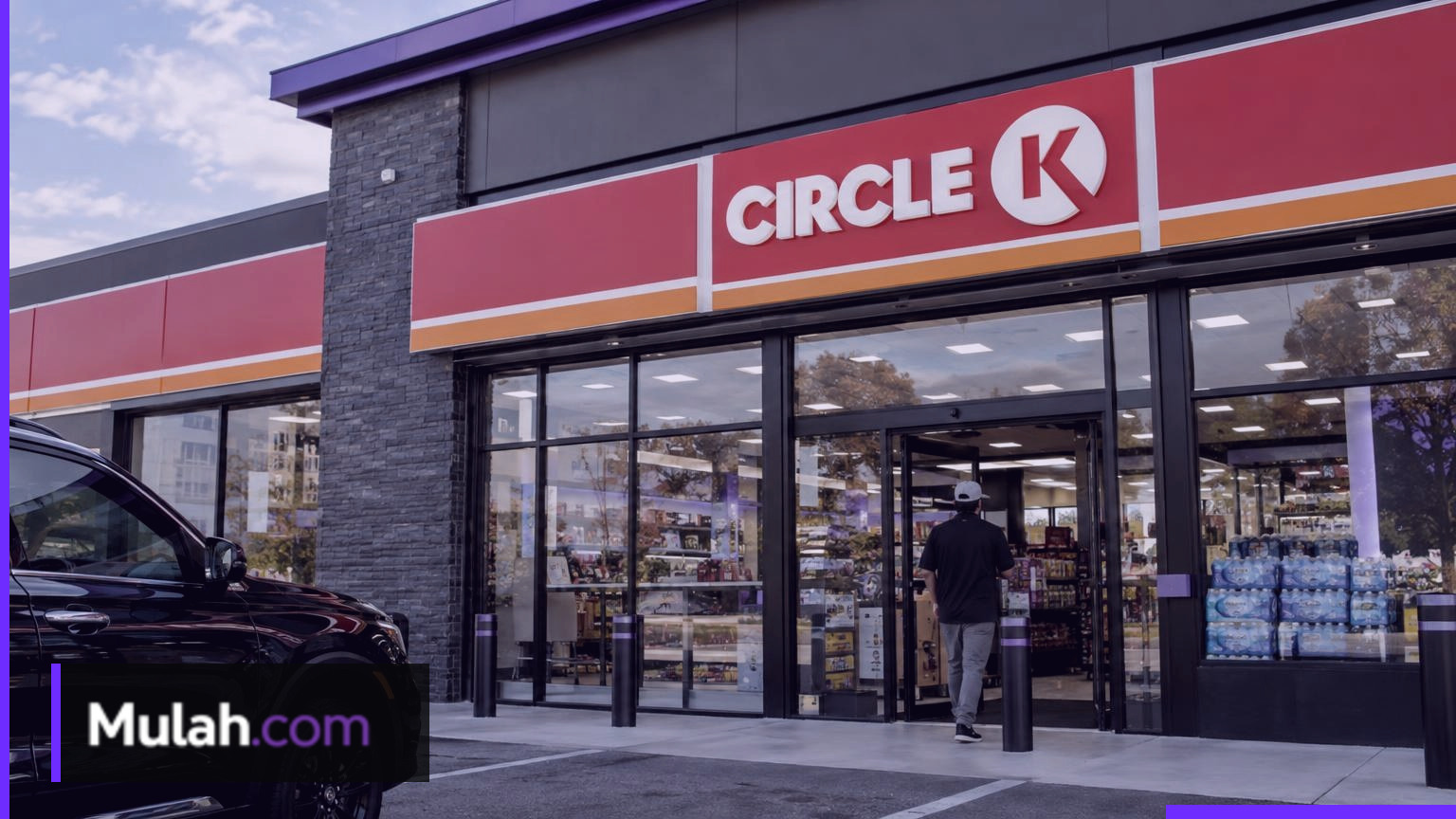
Your Circle K location needs financing that fits the business you actually run, not just the sales total on your register report. Fuel arrangements, store inventory, refrigeration, and franchise obligations all affect what you can afford. This guide to Circle K Franchise Business Loans and Funding explains your options and how Mulah, a business-funding marketplace, fits into the process.
A store purchase, an equipment replacement, and a seasonal inventory order aren't the same financing problem. Write down the expense, when you must pay it, and how the business will recover the money. That gives you a useful starting point before discussing amounts or monthly payments.
If you're buying a location, the price is only part of the cash requirement. You may also need opening inventory, utility deposits, professional fees, and enough money to operate while vendor accounts and payment settlements move into your name. Keep those items separate from the seller's asking price.
For an existing store, focus on the reason cash is tight. A temporary inventory build can justify short-term financing. Repeatedly borrowing to cover ordinary losses is different. Financing won't repair weak merchandise margins, excessive labor costs, or a lease that your sales can't support.
Separate inside-store sales from fuel activity. Then look at what remains after merchandise costs, card fees, fuel settlements, labor, occupancy, and any contractual charges. Fuel revenue can make deposits look substantial while leaving much less cash available for debt payments. The settlement arrangement matters as much as the sales figure.
Your merchandise mix matters, too. Tobacco, packaged beverages, prepared food, and other categories can have different margins and inventory patterns. A foodservice expansion may improve your offering, but it can also add labor, spoilage, cleaning, and maintenance costs. Build those expenses into the forecast instead of counting only the additional sales.
For a purchase, reconcile the seller's tax returns, point-of-sale reports, bank activity, and financial statements. Ask what changes after closing: your wage costs, insurance, management staffing, or supplier terms may differ. If you won't work the seller's hours yourself, include the cost of replacing that labor.
When evaluating small business loans, look beyond the product name. Working capital describes what the money supports, not one universal contract. Some structures below are loans; leases and revenue-based arrangements may not be. Read the actual payment terms, total cost, security requirements, and early-payoff provisions.
| Option | Often considered for | How to think about it |
|---|---|---|
| Term loans | A store acquisition, substantial improvements, or another defined expense with benefits that last beyond one inventory cycle. | You receive a lump sum and repay it over an agreed schedule. A term loan should leave room for maintenance and everyday cash needs. |
| Working capital funding | Inventory purchases, payroll timing, and temporary operating gaps with a credible source of repayment. | Working capital financing can take several forms. Check whether payments are monthly, weekly, or daily and how they affect a slower sales period. |
| Business line of credit | Recurring gaps between paying suppliers and receiving usable sales proceeds. | A business line of credit allows draws within an approved limit. Availability, draw charges, renewal terms, and repayment rules vary by agreement. |
| Equipment financing or leasing | Eligible refrigeration, foodservice equipment, and other identifiable assets your business will own or lease. | Equipment financing and leasing spread costs over time. The asset commonly supports the transaction; ownership and end-of-term obligations depend on the structure. |
| SBA financing | Eligible acquisitions, owner-occupied business property, equipment, or working capital within the applicable program rules. | SBA financing is provided through participating lenders with an SBA guarantee. Eligibility, documentation, equity requirements, and project details determine whether it fits. |
| Revenue-based financing | An established store considering financing tied to business revenue and able to absorb the required remittances. | Revenue-based financing may involve purchasing future receivables rather than making a conventional loan. Understand the collection method, reconciliation rights, and total repayment or purchased amount. |
For an acquisition, build one budget covering the business purchase, any property, transaction costs, inventory adjustment, and opening cash. Separate what financing is expected to cover from what you'll contribute. A deal can appear affordable until inventory and deposits come due outside the purchase price.
SBA financing deserves consideration when the business, ownership, and use of proceeds qualify. The government guarantee supports the lender; it doesn't remove your repayment obligation. A lender will assess the transaction, your contribution, relevant management experience, and the franchise arrangement under current program requirements.
Coordinate financing with the purchase agreement. Financing contingencies, brand approval, landlord consent, and due diligence need workable deadlines. If environmental questions arise at a fuel site, address them before committing to an unconditional closing. Paying for professional advice early can prevent a much larger mistake.
A replacement cooler has an identifiable cost and useful life. A remodel may combine fixtures, electrical work, demolition, permits, signage, and lost trading time. Equipment financing might cover eligible assets without covering every surrounding expense. Ask for itemized quotes so the financing request doesn't leave a construction gap.
Check ownership before financing forecourt equipment. Pumps, tanks, signage, or related systems may belong to another party or be subject to contractual restrictions. Also determine who must approve specifications and who will handle maintenance. A financing offer doesn't establish your right to alter the property.
Look beyond the equipment payment. Include installation, removal, warranty coverage, service access, and any interruption to sales. For a lease, understand purchase options and return requirements. For financed equipment, consider whether the expected useful life and your remaining site-control period support the proposed repayment term.
A credit line can make sense when your business pays for merchandise before sales replenish the account. Map supplier due dates against card settlements, payroll, rent, and fuel-related transfers. The goal is to see the lowest cash balance during the cycle, not just whether the month ends profitably.
Borrow against a specific need and a realistic sell-through period. A beverage order ahead of a recurring busy period is different from shelves of slow-moving merchandise. Avoid financing excess inventory simply because a supplier offers a discount. Storage limits, theft, spoilage, and carrying costs can erase the savings.
Leave borrowing room for surprises. Drawing the full line for a permanent improvement can remove the cushion you intended for operations. If a balance never comes down despite steady sales, investigate margins, inventory purchasing, and withdrawals before seeking a larger limit.
There isn't one universal credit score or revenue threshold for Circle K financing. The provider, product, and transaction all matter. Expect questions about these six areas.
Providers need evidence that your business can cover the proposed payment after ordinary costs and what you already owe. Explain unusual deposits rather than treating every bank credit as sales.
An established store offers actual results to evaluate. A new location relies more heavily on your experience, contribution, projections, and the financing program's rules.
Business credit and, where required, your personal credit can affect available structures. Be ready to explain recent delinquencies, tax issues, or returned payments.
Your legal entity, ownership percentages, franchise rights, lease, and relevant consents must support the transaction. Unresolved transfer rights can delay an otherwise workable purchase.
List loans, leases, credit lines, and revenue-based arrangements. Existing liens or restrictions may affect whether another provider can finance the same business or equipment.
For a purchase or opening, show where your contribution comes from and what remains afterward. Using every available dollar at closing leaves little protection against an early setback.
Prepare a consistent file before requesting terms. Requirements vary, and acquisition or property financing usually needs more detail than a smaller operating-capital request.
Describe the expense precisely. A request labeled only 'working capital' tells a provider very little about your actual need.
Include the purchase and the handoff. Inventory counts, deposits, and payroll can create cash needs before your first full sales cycle.
Get written scope, specifications, and deadlines for required work. Separate mandatory upgrades from optional additions so you can budget each realistically.
Account for installation and service needs alongside the purchase price. Consider how equipment failure or installation downtime affects merchandise and sales.
Use your location's sales history to size the order. Borrowing for a documented demand pattern is different from betting on untested inventory.
A temporary settlement or supplier-timing mismatch may justify a limited draw. Set a repayment plan tied to the expected cash recovery.
Property purchases and site improvements can involve approvals, specialized diligence, and longer planning. Don't treat them as routine unsecured operating expenses.
These are illustrative operating situations, not customer stories or financing commitments.
Don't size acquisition debt from revenue alone. Rebuild earnings after normal wages, repairs, and your expected costs. If the store can't support the payment, a lower price or a different deal structure matters more than finding a larger loan.
Get a repair assessment and replacement quote. Equipment financing may suit a replacement, while a credit line may cover a temporary gap if available. Include lost merchandise and protect the cash needed for payroll and your next delivery.
Plan construction phases and reduced sales before choosing financing. Ask which costs the proposed product covers. A project that combines equipment and building work may need a broader financing structure rather than one equipment agreement.
Trace those deposits through the supplier settlement and related costs. Base affordability on the cash your business retains. A frequent-remittance product can strain the account if its collection schedule doesn't fit those transfers.
Keep separate budgets and opening assumptions. Test whether the first store remains healthy after management coverage and any cash contribution. Growth financing should account for the second store's early expenses without quietly draining the first.

Don't assume that every Circle K-branded location has the same ownership structure. Before seeking capital, determine exactly what you're acquiring or operating. You might be responsible for the retail business without owning the real estate, fuel equipment, or every fixture on the property.
Read the agreements together. Your franchise documents, lease, fuel-supply contract, and equipment agreements can assign costs to different parties. A lender needs to understand who owns the assets offered as security and whether another party must approve a transfer, renovation, or additional financing.
Brand affiliation doesn't make financing automatic. You still need a business case based on your location's earnings and obligations. Verify current franchise availability and requirements directly with Circle K; this guide doesn't represent a brand-sponsored lending program or an affiliation between Circle K and Mulah.
A short cash calendar often reveals more than a monthly sales total. Map these five points using your actual payment terms.
Record supplier terms, minimum orders, and delivery schedules. Include merchandise that must be paid for before it reaches your shelves.
Separate major merchandise categories and fuel activity. Higher sales don't improve cash flow much if the additional revenue carries very little margin.
Account for card-processing timing, fees, and any fuel-related settlements. Use funds actually available to your business in the forecast.
Payroll, rent, supplier drafts, and financing payments can land close together. Test the balance on those dates rather than relying on a monthly average.
A financing payment isn't affordable if it prevents routine restocking. Preserve the merchandise availability your customers expect.
The strongest request explains what the money changes and how you'll pay it back. These four project types call for different preparation.
Show verified earnings, the full transaction budget, and the cash you'll retain after closing. Separate recurring store income from unusual items in the seller's records.
Demonstrate that your current store can support itself without funding the second store's losses indefinitely. Budget additional management coverage and a realistic opening ramp.
For foodservice, layout, or refrigeration changes, connect the investment to specific costs and expected benefits. Include downtime and added staffing rather than projecting sales alone.
Calculate the payoff amount, fees, and total cost of the replacement financing. A smaller payment can improve cash flow while still increasing what you pay over time.
Related Mulah resources include working capital funding, business lines of credit, equipment financing and leasing, term funding, SBA loans, revenue-based financing, startup funding, accounts receivable financing, and the business funding calculator.
An offer deserves a practical stress test, even when the payment looks manageable on paper.
Reduce sales in your forecast without assuming rent, payroll, and maintenance fall equally. Check whether the payment still leaves enough cash to run the store.
Avoid paying for routine inventory long after it sells. For improvements, make sure the expected benefit isn't cut short by equipment age or an expiring lease.
Read provisions covering additional debt, liens, guarantees, defaults, and early payoff. Know what requires consent before you sign another financing agreement.
The amount that looks attractive on an offer is not always the amount that makes sense to take. Tie the request to a real expense, a realistic payoff period, and the cash the business can still live on if a customer pays late or a strong month comes in softer than expected.
Mulah is a business-funding marketplace, not Circle K's franchise department. You can use it to present your funding need and understand potential financing paths. Describe your actual arrangement, the expense, and the cash available for payments so the discussion stays grounded in your business.
Mulah also provides resources on small business funding and loans. Use the business funding calculator to test payment assumptions, then check the actual offer's fees and schedule. A calculation is a planning tool, not an approval or a statement of available terms.
Your next step is to turn the project into a clear financing request. You don't need a polished presentation, but you do need numbers that agree with your records.
List each expense, your available contribution, and the reserve your business needs afterward. Avoid borrowing the maximum simply because it is offered.
Gather financials, agreements, and quotes. Explain ownership, fuel settlement, and any pending approvals upfront so they don't become late surprises.
Use the Mulah application when you're ready. Evaluate any proposed financing by total cost, payment frequency, security requirements, and fit with your cash flow.
Provide the business and financial information needed for a funding review.
Start with a shorter path when you want to discuss the business need before completing the full application.
Review official SBA information about federal small-business loan programs and lender participation.
Official guidance on financial management, cash flow, bookkeeping, and business planning.
Use the official source for current program, regulatory, or business guidance related to this topic.
Use the official source for current program, regulatory, or business guidance related to this topic.
This page doesn't describe a Circle K-sponsored financing program. Mulah is a separate business-funding marketplace. Ask Circle K directly about any current brand programs and evaluate outside financing on its own terms.
Potentially, depending on the transaction and provider. Expect scrutiny of store earnings, your contribution, purchase terms, and required approvals. The financing must fit the business you're acquiring, not just its brand name.
SBA financing may be an option if your business, franchise arrangement, ownership, and project meet current requirements. A participating lender must evaluate eligibility. Brand affiliation alone doesn't establish qualification.
New-location financing is more demanding because that store has no operating history. Your experience, equity contribution, projections, and agreements become especially important. Products designed for established revenue may not fit an unopened store.
Some acquisition or startup financing structures may include eligible franchise-related costs. Ask specifically which fees and closing expenses the proposed financing covers. Don't assume a working capital offer will cover your entire opening budget.
Fuel receipts can be large relative to the amount your business keeps. Supply costs, settlement arrangements, and fees affect available cash. Providers need to understand that difference when evaluating your payment budget.
A line generally fits recurring short cash gaps; a term loan generally fits a defined investment. The better choice depends on cost and repayment terms. Using your entire line for a remodel can leave nothing for inventory.
Some equipment providers consider used assets. Age, condition, expected useful life, seller documentation, and installation costs can affect the decision. Ask about eligibility before placing a nonrefundable deposit.
Possibly, but ownership, supplier agreements, environmental issues, and project requirements matter. First determine whether your business owns the equipment and has authority to replace it. Specialized site work may require a different structure.
Many business financing arrangements require one, depending on the product and ownership structure. A personal guarantee makes you personally responsible under its terms; it doesn't turn the financing into a personal loan.
Available options depend on the full file, including cash flow, operating history, debt, and credit issues. There isn't one universal cutoff. A higher-cost offer still needs to leave your store enough cash to operate.
Not necessarily. Some agreements purchase future business receivables. Read the actual contract, especially collection frequency, reconciliation rights, and default provisions. Don't assume remittances automatically decline when sales fall.
Usually it isn't the first fit because most customers pay at checkout rather than on business invoices. Ordinary card settlements aren't the same as eligible accounts receivable. A credit line may better match a short settlement gap.
Timing depends on the product, documents, underwriting, and transaction complexity. A property acquisition with environmental diligence differs substantially from an operating-capital request. Don't commit to a closing date based on an assumed funding timeline.
Start with the need, the amount, and the timing. Mulah can help you review possible business funding options before you decide whether to move forward.
Call 877-816-8524