Actual collections
For an operating club, expect questions about deposits, membership trends, failed payments, and refunds. Explain unusual months instead of letting a lender guess.
Your Planet Fitness financing plan has to cover more than the equipment on the gym floor. Lease deposits, construction draws, opening payroll, and the time it takes membership collections to support expenses all matter. This guide to Planet Fitness Franchise Business Loans and Funding explains where small business loans fit, which costs need a different approach, and what to prepare before you request capital.

Write down the full project cost before asking for a loan amount. For a new club, that means separating site acquisition or lease costs, tenant improvements, equipment, professional fees, opening expenses, and reserves. For an existing location, it may mean a refresh, replacement machines, or an acquisition. These are different credit decisions, even when they involve the same brand.
Use the current franchise disclosure document, often called the FDD, and your actual site estimates rather than an old online investment range. The FDD describes estimated investment categories and other franchise information, but your lease, construction bids, and financing terms determine what you personally need to fund. A qualified franchise attorney and accountant should examine the commitments before you sign.
Mulah is a business-funding marketplace, not Planet Fitness or its franchisor. Through Mulah, you can organize your request around the expense, your business history, and the payment your cash flow can support. The goal is a workable financing structure, not simply the largest amount available.
Membership billing can make revenue look predictable, but billed dues aren't the same as collected cash. Failed payments, cancellations, refunds, and collection timing affect what reaches your bank account. Lenders evaluating an operating club will want to understand that difference, especially if your membership reports show growth that isn't reflected in deposits.
Your cost base also matters. Rent doesn't fall just because attendance is light, and a large club still needs cleaning, staffing, climate control, and functioning equipment. Build your financing forecast from collected revenue and actual expenses. Include franchise-related charges according to your agreement rather than assuming that every dollar of membership revenue is available for debt payments.
For a new location, model the period before collections cover recurring costs. Presales and marketing activity aren't a substitute for cash in the bank. Separate opening-day readiness from financial readiness: you need enough capital to finish the club and enough remaining cash to operate it while membership builds.
When you evaluate small business loans, look past the headline payment. Ask what the money can cover, when payments begin, and how the balance must be repaid. Working capital describes a use of money; it isn't one standardized loan product.
| Option | Often considered for | How to think about it |
|---|---|---|
| Term loans | A defined project, eligible acquisition costs, or improvements with a useful life beyond the next few months. | You receive a lump sum and repay it over a set term. Rate, amortization, collateral, and any balloon payment determine affordability. |
| Working capital funding | Payroll, utilities, opening reserves, or a temporary operating shortfall with a credible path back to positive cash flow. | Structures vary. Check payment frequency and total repayment; short-term funding can put pressure on a club with thin margins. |
| Business line of credit | Recurring timing gaps, unplanned repairs, or expenses that arise before membership collections arrive. | Draw against an approved limit under the agreement. Check draw fees, repayment periods, renewal conditions, and whether repaid amounts become available again. |
| Equipment financing or leasing | Eligible cardio, strength, and other business equipment that meets your franchise requirements. | The equipment generally secures financing or remains owned by the lessor. Down payments, end-of-term options, and installation coverage vary. |
| SBA financing | Eligible acquisitions, expansions, equipment, working capital, or property projects that fit the applicable program. | A participating lender underwrites the request under SBA rules. Franchise eligibility, equity contribution, guarantees, and documentation require attention. |
| Revenue-based financing | An established club with sufficient collections to support the contract and a defined use for the proceeds. | Some agreements purchase future receivables rather than create a conventional loan. Understand remittances, reconciliation rights, fees, and total cost. |
A landlord allowance may reimburse eligible improvements only after you meet certain conditions. Your contractor may require deposits and progress payments much earlier. Map those dates before treating the allowance as cash available for construction. The same discipline applies to equipment deposits, freight, and installation.
Ask how loan proceeds will be released. Some lenders pay approved invoices or require inspections before releasing construction funds. Find out who covers cost overruns and whether change orders require approval. Include a realistic contingency based on your site and contractor estimates rather than assuming the first bid is the final cost.
New-location financing is harder when there is no operating history. Your experience, liquidity, credit, and projected cash flow carry more weight. Startup business financing deserves a separate discussion from funding for an established club, particularly when you need substantial cash before the first membership payment arrives.
Build an itemized list with vendor quotes, delivery costs, installation, warranties, and expected replacement dates. Distinguish machines from flooring, electrical work, and other improvements. A lender may finance eligible equipment without covering all the surrounding work, so don't assume the entire refresh fits one equipment agreement.
Equipment financing and leasing have different ownership and exit terms. With a lease, ask what happens at the end: return, renewal, purchase, or another contractual outcome. With financing, ask about the lien, early payoff, and any restrictions on selling or replacing machines.
Coordinate replacement work with club access. Removing too much equipment at once can disrupt the member experience even if the financing looks affordable. Your budget should account for removal, installation, and any temporary reduction in usable space, not just the price printed on the vendor proposal.
SBA financing may be relevant to an eligible club acquisition or expansion. The SBA generally guarantees a portion of qualifying lender loans rather than making an ordinary business loan directly to you. The lender still evaluates your project and what you can afford.
Ask the participating lender to evaluate current franchise eligibility requirements and the actual agreement involved. Program rules, ownership structure, affiliation, and transaction details can affect eligibility. Don't assume an older approval or another franchisee's loan establishes that your transaction qualifies today.
For an acquisition, bring financial statements, tax returns, membership data, lease information, and the proposed purchase terms into the discussion early. Separate the purchase price from transaction costs and post-closing reserves. Also ask which SBA program fits: programs differ in what they finance, and working capital isn't eligible under every program.
There isn't one credit score or revenue threshold that applies across every lender and product. These six factors give you a more useful picture of where your request stands.
For an operating club, expect questions about deposits, membership trends, failed payments, and refunds. Explain unusual months instead of letting a lender guess.
Show what remains after operating costs and what you already owe. Lenders may calculate debt service coverage, which measures cash available relative to required debt payments.
Document where your investment comes from and how much liquidity remains afterward. Spending every available dollar on closing can weaken an otherwise reasonable project.
Business and personal credit may matter, along with guarantees from relevant owners. Disclose credit issues and ask what documentation the lender needs to understand them.
The remaining lease term, renewal options, franchise rights, and required approvals can affect financing. These documents need to support the project you're asking a lender to fund.
Your management background and other locations matter. If several clubs share ownership or guarantees, expect questions about their debt and their ability to support themselves.
Requirements vary by product and transaction. Keep current versions of the following information so you can answer questions without sending conflicting figures.
Tie the amount requested to a business expense and a repayment plan. These common situations call for different evidence.
Combine site costs, construction, equipment, and operating reserves in one project budget. Show which costs you will pay yourself and which need financing.
Support the purchase with verified earnings and transfer requirements. Budget for repairs or upgrades that become your responsibility after closing.
Use current quotes and an installation schedule. Explain whether replacement addresses maintenance problems, required standards, or a planned equipment cycle.
Separate improvements from routine repairs. Account for the effect of construction on access, staffing, and collections while work is underway.
Show why the gap exists and when it should close. Another loan isn't a durable answer if normal membership collections consistently fall short of expenses.
Protect the existing club's reserves while budgeting for expansion. Test whether your first location can remain healthy without supporting the second indefinitely.
These are planning situations, not customer stories or funding outcomes. Use them to test the structure of your own request.
Your contractor needs progress payments before reimbursement arrives. Work out the temporary cash requirement and documentation rules first. Don't use short-term funding unless you can support payments if reimbursement is delayed.
Ask when financing payments begin and who handles storage, insurance, and delivery changes. Paying for machines that aren't in service can consume the reserve intended for opening payroll.
Reconcile billing reports with collections before requesting expansion capital. More accounts won't strengthen your financing case if failed payments or cancellations prevent that growth from becoming usable cash.
Have your accountant test each adjustment to reported earnings. Replacement management pay, maintenance, and required upgrades may reduce what you can actually use to make acquisition loan payments.
Lay out both payment schedules month by month. Ask about financing the refresh without extending older debt beyond its useful purpose, and calculate any payoff fees before considering refinancing.
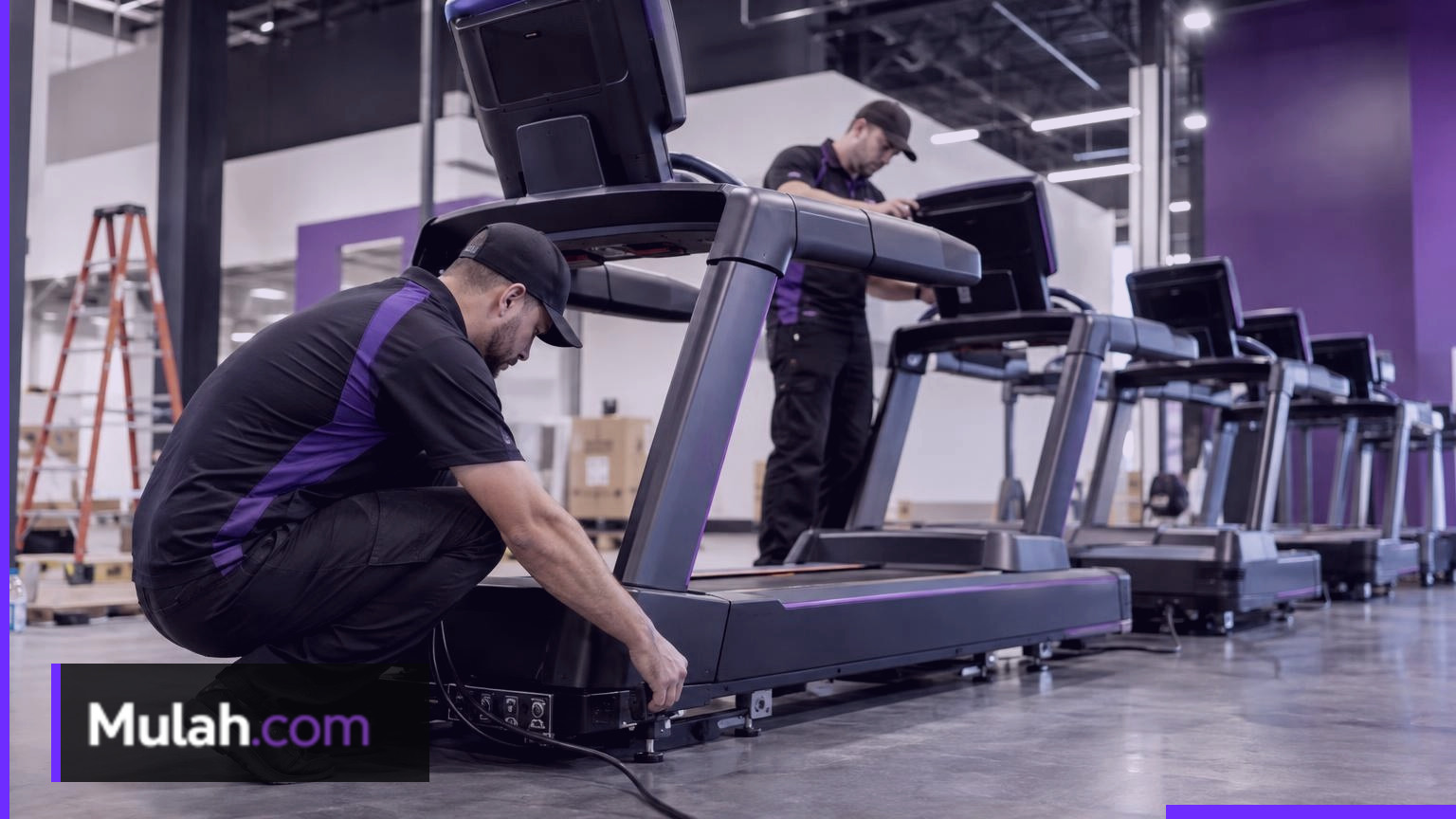
A lender's willingness to finance your project doesn't give you the right to open, acquire, relocate, or remodel a Planet Fitness club. Your franchise agreement and the franchisor's current requirements control those decisions. Check site approval, ownership requirements, development commitments, and equipment standards directly with the franchisor.
The reverse is also true. Franchise approval doesn't mean a bank or equipment lender will approve your request. Lenders make their own decisions about credit, cash contribution, collateral, guarantees, and the strength of the project. A personal guarantee means you may be personally responsible if your business doesn't repay the debt.
If you're buying an existing club, coordinate the franchise transfer, lease assignment, purchase agreement, and financing conditions. Your attorney should address what happens to deposits and closing obligations if one approval doesn't arrive. Don't let an expected closing date push you into debt that doesn't fit the transaction.
A project can be affordable overall and still run out of cash at one point. Put these checkpoints on a calendar with the expected cash balance beside each.
List nonrefundable deposits, lease obligations, and financing conditions. Know how much cash is exposed if the project doesn't move forward.
Match approved work to payment deadlines and available proceeds. Don't count on reimbursement until its requirements and timing are clear.
Set aside payroll, utilities, insurance, and required fees. Equipment delivery doesn't mean membership collections will immediately cover these bills.
Replace assumptions with actual deposits and expenses. If collections lag, adjust discretionary spending before another financing payment reduces your options.
Update your equipment and improvement schedule annually. A planned replacement fund can reduce how much you need to finance later.
One financing agreement may not cover every cost. Multiple products can work together, but only when each provider permits the arrangement and the combined payments fit your business.
Use a term loan discussion for a clearly priced project rather than a vague request for extra cash. Provide the budget, timeline, and reason the expense should improve or protect earnings.
A working capital funding request should explain how much cash you need after construction and equipment invoices are paid. Otherwise, an apparently complete funding package can leave you short before opening.
A business line of credit is more useful when you can point to the collections that will repay a draw. Using it continuously to cover recurring losses leaves little room for the next surprise.
Revenue-based financing needs particular care if remittances occur daily or weekly. Measure the effect on your lowest-cash weeks, and ask how the agreement handles changes in revenue.
Related Mulah resources include working capital funding, business lines of credit, equipment financing and leasing, term funding, SBA loans, revenue-based financing, startup funding, accounts receivable financing, and the business funding calculator.
A workable offer should survive more than the opening-month forecast. Look at the contract and the cash calendar together.
Use the business funding calculator for planning, then use the actual offer terms. Include fees and payment frequency; a quoted factor rate isn't an annual interest rate.
Reduce projected collections and allow for an unexpected repair. If making the payment requires perfect results, reduce the project, contribute more cash, or seek a different structure.
Check liens, guarantees, prepayment terms, and limits on additional debt. If multiple lenders are involved, make sure their collateral requirements and agreements don't conflict.
The amount that looks attractive on an offer is not always the amount that makes sense to take. Tie the request to a real expense, a realistic payoff period, and the cash the business can still live on if a customer pays late or a strong month comes in softer than expected.

Mulah helps you organize a business-funding request and understand which financing categories deserve attention. Describe the location, operating history, amount needed, and specific expense. That gives the process more direction than asking for general-purpose money without a budget.
You can read about small business funding options before submitting information. Marketplace access isn't a commitment to lend, and available options depend on your business and participating providers. Evaluate any offer against your franchise obligations and cash forecast.
Your next step is to turn the project into a clear request. You don't need to hide uncertainty, but you should distinguish signed costs from estimates and explain what still needs approval.
Build a sources-and-uses budget, subtract your cash contribution, and show the reserve you need afterward. Separate immediate expenses from later phases.
Use the business funding application with accurate ownership, revenue, and debt information. Make sure your request agrees with your bank records and financial statements.
Check net proceeds, total repayment, payment dates, guarantees, and conditions before signing. Have your accountant or attorney examine terms that could affect your other locations or personal assets.
Provide the business and financial information needed for a funding review.
Start with a shorter path when you want to discuss the business need before completing the full application.
Review official SBA information about federal small-business loan programs and lender participation.
Official guidance on financial management, cash flow, bookkeeping, and business planning.
Use the official source for current program, regulatory, or business guidance related to this topic.
Use the official source for current program, regulatory, or business guidance related to this topic.
Potentially. Your options depend on the project, your financial position, franchise requirements, and lender criteria. Financing a new club differs from funding an established location with documented collections. Franchisor approval and financing approval remain separate.
This guide discusses business financing through outside providers, not a Planet Fitness financing offer. Ask the franchisor directly about any current financing relationships or requirements. Don't assume a provider is approved or endorsed because it finances fitness businesses.
It may, if your business, franchise arrangement, transaction, and use of proceeds satisfy current program and lender requirements. Ask an SBA lender to assess the actual purchase and agreements before relying on SBA financing in your closing plan.
That depends on the financing structure and project. The franchisor may also have financial requirements separate from the lender's contribution requirements. Ask for both sets of expectations and calculate the liquidity you'll retain after funding your share.
Some financing can support eligible startup projects, but there is no operating history to prove cash flow. Expect closer attention to your experience, credit, investment, reserves, and projections. Not every product or provider finances pre-revenue businesses.
Sometimes, depending on the lender, equipment, and agreement. Ask specifically about freight, installation, taxes, and related costs. Flooring, electrical upgrades, and construction may need a separate funding source even when they're necessary to use the equipment.
Not automatically. Evaluate total payments, ownership, maintenance responsibilities, upgrade flexibility, and end-of-term obligations. Your franchise requirements and replacement schedule matter as much as the monthly payment. Have your accountant assess the tax treatment for your circumstances.
A personal guarantee may be required, depending on the product and provider. Read who must sign, what obligations are covered, and when a guarantee can be released. Don't assume a business entity alone protects you from repayment responsibility.
Revenue alone doesn't show what you can afford. A lender may examine rent, staffing, required fees, maintenance, and debt payments. Explain whether low profit reflects a temporary expense or a continuing problem before adding another payment.
The agreement may allow it, but a major buildout can tie up the line for too long. Check draw repayment terms and renewal risk. Longer-term project financing may leave you better prepared for ordinary cash gaps.
Ordinary consumer membership billing generally isn't the business-to-business invoicing that accounts-receivable financing targets. Don't assume future dues qualify as eligible invoices. Revenue-based products use different structures and should be evaluated on their own terms.
Some products may allow eligible franchise-related costs, while others restrict proceeds to specific assets or expenses. Disclose the intended use before accepting an offer. Your franchise agreement and lender's written terms should both support the transaction.
Possibly, subject to lender and program rules. Separate the payoff amount from the new project budget and include fees. A smaller periodic payment can still mean a higher total cost if you extend repayment substantially.
Map them against actual bank collections, not just monthly revenue. Account for payroll and rent weeks. If the agreement includes revenue adjustments or reconciliation rights, understand how to request them and what evidence the provider requires.
Start with the need, the amount, and the timing. Mulah can help you review possible business funding options before you decide whether to move forward.
Call 877-816-8524