Operating History
Explain how long your business has operated and its experience with this process. For a new venture, separate management experience from a company operating record that doesn't yet exist.
Your new assembly line has to do more than arrive on the loading dock. It has to run at a workable cycle time, meet quality requirements, and produce enough margin to support its cost. Assembly line equipment financing and leasing can fund the machinery; small business loans and other funding structures can address expenses that fall outside the equipment agreement.
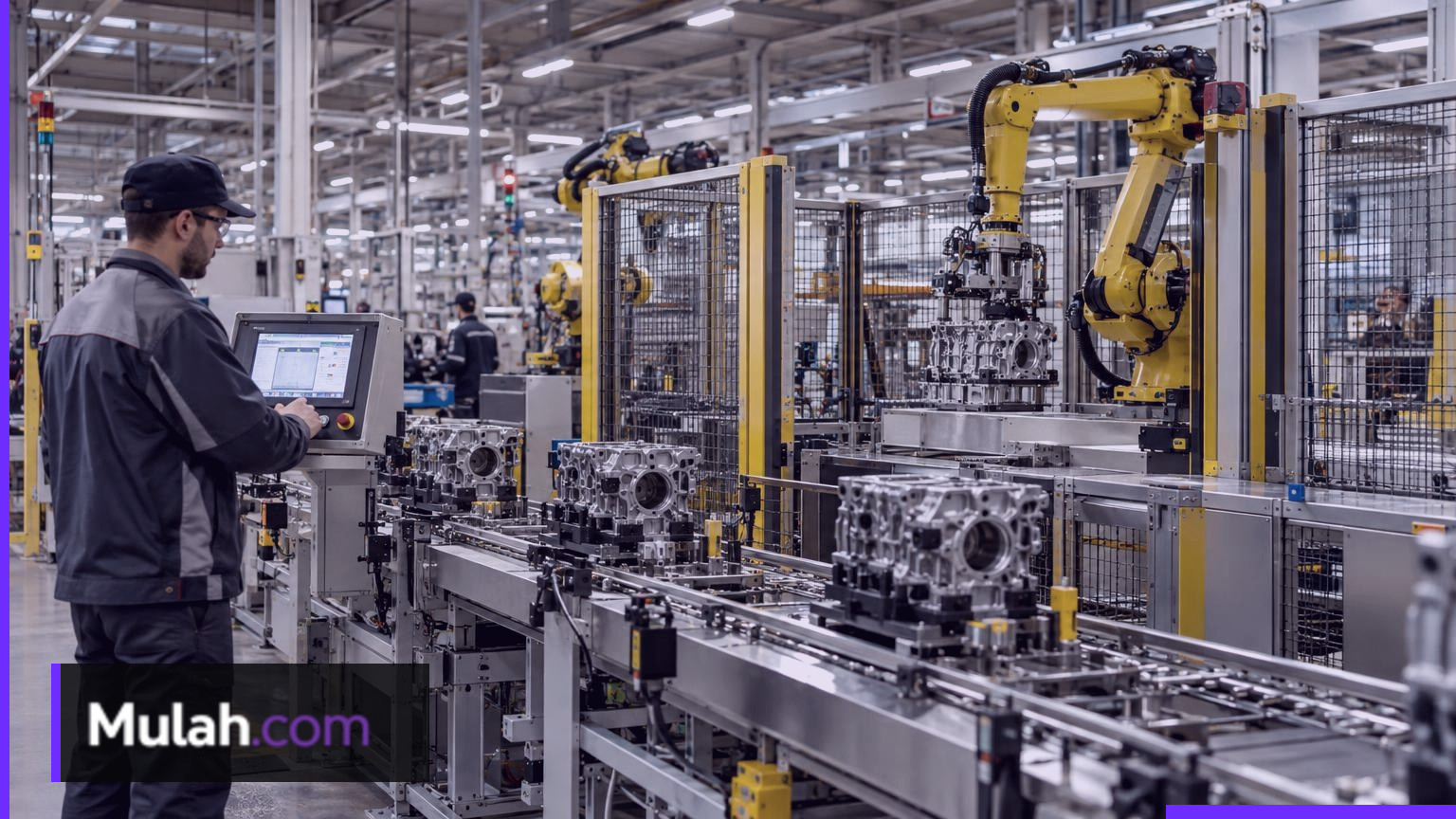
A capacity problem isn't always a machinery problem. If inspection, staffing, or material supply already limits output, a faster assembly station may simply move the bottleneck. Put the expected units per hour, staffing needs, changeover time, and acceptable scrap rate on paper before committing to a purchase.
The reason for the investment matters. Replacing unreliable equipment protects existing sales. Adding a dedicated line for a customer program introduces a different risk: the payments continue even if that customer's releases slow. Your forecast should distinguish booked work from sales you still need to win.
Mulah helps you look at the equipment request alongside the cash needed to put it into service. That gives the funding conversation a practical starting point: what you're buying, why the business needs it, and how you'll carry the cost before production settles.
An assembly-line package can include conveyors, feeders, lifts, indexing tables, presses, fastening tools, weld cells, dispensing systems, and robotic handling. At the other end, vision inspection, leak testing, labeling, case packing, and palletizing determine whether finished units can leave at the intended rate.
Tooling deserves its own budget. Fixtures, dies, molds, grippers, and product-specific change parts may be essential to production even when they're absent from the base-machine price. For a mixed-product line, include the time and labor required to switch between jobs, not just the fastest advertised cycle.
List each asset, vendor, price, and delivery date. Then add the work that makes the assets function together: programming, network connections, guarding, operator training, and acceptance testing. This equipment map gives your team and a funding provider the same view of what the project actually includes.
Small business loans are one route, not a label for every funding product. Use the expense and its cash-flow role to narrow the choices. Availability, eligible costs, and terms require provider review; no structure is assured.
| Option | Often considered for | How to think about it |
|---|---|---|
| Term Loans | A defined investment with a known cost and a repayment plan supported by business cash flow. | A lump sum repaid over an agreed term. Term funding should be evaluated for total cost, payment frequency, collateral, and prepayment terms. |
| Working Capital | Launch inventory, training, temporary labor, and other operating expenses outside the equipment package. | Funding for operating needs rather than necessarily one identifiable asset. Make sure the repayment schedule leaves room for a slower-than-planned production ramp. |
| Business Line Of Credit | Recurring or uncertain cash needs, such as intermittent material purchases during commissioning. | A business line of credit allows draws within an approved limit, subject to draw rules, repayment requirements, fees, and continuing availability. |
| Equipment Financing Or Leasing | Identifiable production machinery with documented cost, condition, and business use. | Financing commonly uses the equipment as collateral; a lease provides use under contract. Ownership rights and end-of-term obligations differ. |
| SBA Loans | Eligible businesses seeking longer-term financing for equipment and other qualifying business needs. | SBA financing involves participating lenders and program requirements. Allow time for documentation and underwriting rather than assuming it fits an imminent vendor deadline. |
| Revenue-Based Financing | Businesses with established revenue considering funding supported by sales activity. | Revenue-based financing is not automatically a conventional loan. Examine the contract, collection method, total cost, and effect on cash available for production. |
Used or rebuilt machinery can reduce acquisition cost and avoid a long factory lead time. But a bargain can become expensive after disassembly, freight, replacement controls, missing fixtures, and recommissioning. Have someone who understands the process inspect the equipment under power when possible.
Obtain serial numbers, ownership records, service history, manuals, and a clear description of what's included. Find out whether software licenses transfer and whether replacement drives, PLC components, and safety hardware remain available. A machine that runs today can still be difficult to support.
For rebuilt equipment, get the scope of the rebuild in writing. Fresh paint is not evidence of renewed mechanical life. Your funding request should reflect the delivered, usable asset, including the work required before it can safely join your production line.
A one-off automated line carries risks that a standard machine doesn't. Design changes can affect tooling, programming, delivery, and cost at the same time. Agree on who authorizes changes and how revised pricing reaches both your project team and the funding provider.
Acceptance criteria should describe the product, operating conditions, run duration, output, and quality standard. A brief demonstration using ideal parts may not prove the line will handle normal production variation. Spell out the difference between factory testing and testing at your facility.
Address ownership of drawings and software, access to source files where applicable, service responsibilities, and remedies for underperformance. Custom equipment may have limited resale value. That makes vendor capability and clear documentation especially important to both your business and the financing decision.
Name the person responsible for line integration. The equipment builder, electrician, controls contractor, and plant team may each deliver their own scope without resolving the handoff between stations. A responsibility matrix makes those gaps visible before contractors arrive.
Utility capacity, floor loading, clearances, ventilation, and network access belong on the readiness checklist. So do guarding, interlocks, emergency stops, and safe maintenance access. OSHA's robotics guidance is an authoritative starting point for understanding robotic-system hazards; your site still needs an appropriate safety assessment.
Treat commissioning as scheduled work with a budget. Reserve engineering time, train operators, stock critical spares, and document settings before production pressure takes over. Paying for the machinery without funding this work leaves an expensive asset short of reliable service.
A strong request connects the equipment to a business result without hiding the risks. Providers will examine your finances as well as the asset; a signed customer order doesn't replace that work.
Explain how long your business has operated and its experience with this process. For a new venture, separate management experience from a company operating record that doesn't yet exist.
Show what remains after payroll, materials, overhead, and what you already owe. Use a conservative production case, not only the line's advertised capacity.
Distinguish customer commitments, backlog, and forecasts. Explain cancellation rights or volume uncertainty when a single program supports most of the investment.
Provide the asset's condition, price, useful life, and supplier details. Used machinery and custom systems require more explanation than a standard new machine.
Be ready to discuss business and owner credit, existing liens, debt payments, and any guarantees required. These affect the assessment of what you can afford.
Show who installs and accepts the line, when payments come due, and how you will handle a delay. A credible contingency is stronger than an optimistic date.
Clear records reduce avoidable back-and-forth. Requirements vary, but the following package gives reviewers a practical picture without forcing them to reconstruct the project.
Describe the operating problem first. That helps separate a necessary investment from an attractive upgrade that won't change what you can ship.
Add a line or duplicate a bottleneck station when demand supports more output. Include the downstream labor, inspection, and packout capacity needed to turn faster production into sales.
Add feeding, robotic handling, fastening, or machine vision to an existing line. Account for downtime during installation and the engineering needed to connect older controls.
Replace unsupported controls or unreliable machinery. Maintenance logs, repair costs, and lost production provide a firmer justification than a general desire for newer equipment.
Install test stations, torque recording, serialization, reject controls, or labeling. Specify the customer requirement and how production records will be stored and retrieved.
Budget decommissioning, transport, rigging, site preparation, and recommissioning. Equipment that worked in the old building still needs acceptance testing in the new one.
Carry materials, training, temporary quality staff, and initial receivables with appropriate operating funding. Don't use the entire cash reserve for the equipment down payment.
These are planning tests, not customer examples. Run them through your own numbers and use the results to judge the size and timing of the commitment.
Move the production date back while leaving rent, payroll, and financing payments in place. Add storage and contractor rescheduling costs. This shows whether the reserve covers a facilities delay rather than just an equipment delay.
Model staged efficiency instead of rated speed on day one. Include extra inspection, scrap, and overtime. If payments work only at full output, the project needs more cash cushion or a different scope.
Lower volume from the largest program and calculate the contribution margin lost. Consider whether the equipment can serve another product without major tooling expense. Flexibility has economic value even when it raises the initial price.
Add a realistic contingency for engineering and site work. Determine who can authorize it and where the money would come from. An equipment agreement shouldn't be treated as an open-ended source for overruns.
Extend collection timing after the first shipments. Eligible B2B invoices could support accounts receivable financing, but don't count on liquidity from invoices that haven't been issued or qualified.
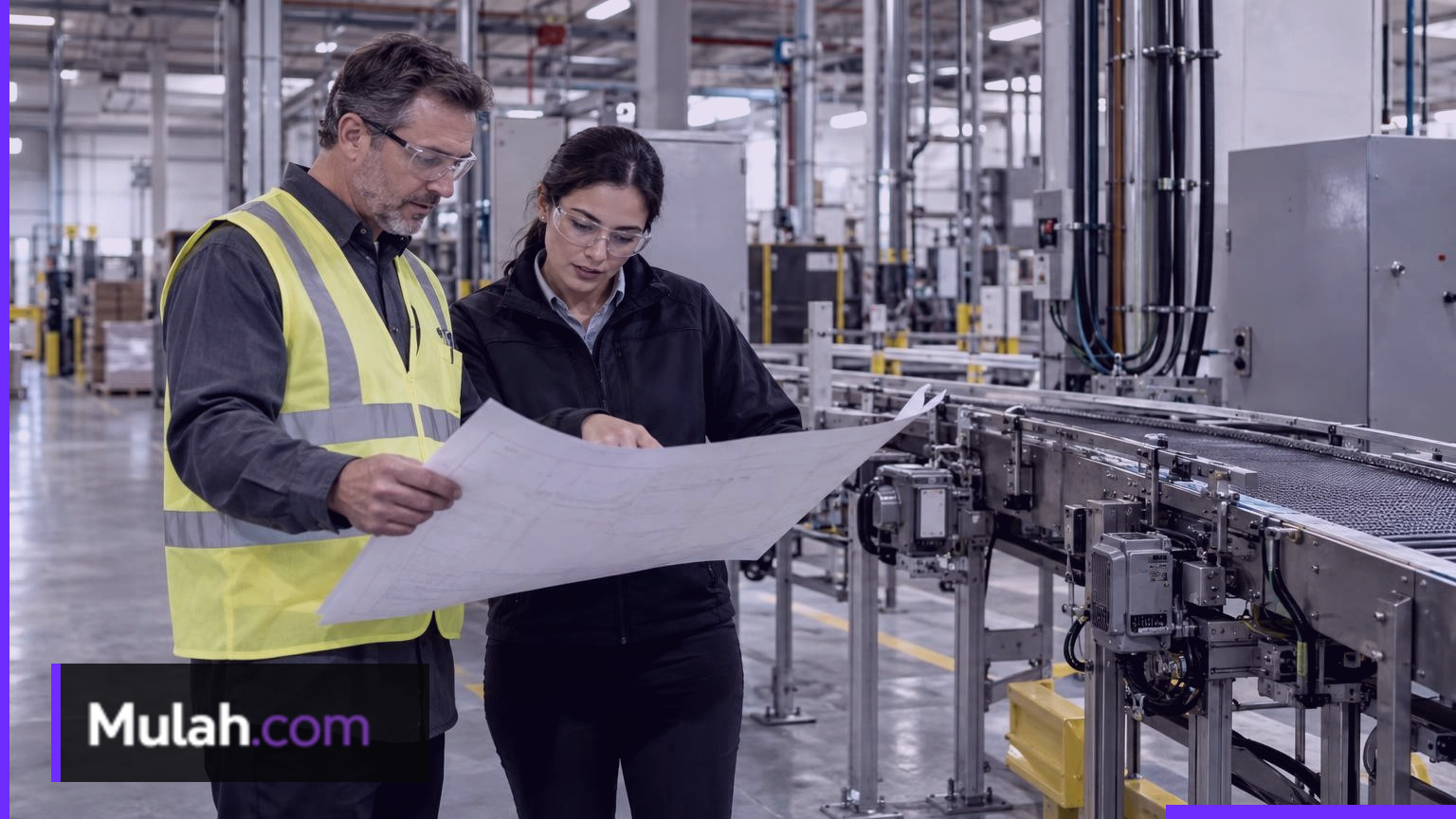
A purchase order might cover the conveyor and robotic cell but leave out rigging, electrical work, fixtures, or the controls engineer who connects the stations. Those costs don't disappear because they sit on separate invoices. Build one project budget, with a named party responsible for each expense.
Some equipment agreements include eligible installation and other soft costs; others fund a narrower asset package. Obtain itemized quotes rather than assuming every project expense belongs in the same transaction. Working capital funding is a separate consideration for payroll, trial materials, and other operating costs.
Be careful with deposits you've already paid. Before committing more cash, find out how a proposed agreement treats those payments and when the vendor would receive the balance. Don't assume funding will reimburse earlier spending or cover every later change order.
Your equipment payment schedule and your sales collection schedule rarely line up perfectly. Lay them beside each other so you can see where cash will be tight.
Document the product mix, cycle rate, quality checks, and required utilities. A quote for a machine is not necessarily a commitment to deliver a fully functioning line.
A builder may require money at order, design approval, and completion. Find out which milestones the funding structure supports before signing a schedule your cash flow cannot carry.
The old line may need to stay in service while the new one is installed. Include duplicate staffing, temporary storage, contractor access, and any production interruption.
Arrival, mechanical completion, and production acceptance are different events. Your contracts should explain the tests, signoff authority, and consequences of a failed or delayed test.
Shipping the first good units doesn't put cash in the bank. Include customer payment terms and possible quality holds when calculating how long your launch reserve must last.
The right structure follows how you expect to use the line. Ownership, flexibility, and cash at closing deserve as much attention as the quoted payment.
Equipment financing and leasing offers different routes to acquiring machinery. Financing often suits equipment you expect to keep for years. Read the lien, down payment, prepayment, insurance, and guarantee provisions, along with the payment schedule.
A lease can preserve upfront cash, but its economics turn partly on what happens at expiration. Price the purchase option, return requirements, removal costs, and any renewal provisions. Don't treat a possible purchase as ownership already secured.
A durable conveyor frame and an inspection platform exposed to rapid technology changes may not deserve the same planning horizon. Avoid stretching payments so far that you're still paying for equipment your production process has outgrown.
Have your tax adviser assess the actual contract and your business's circumstances. A hoped-for deduction shouldn't make an otherwise unaffordable purchase look sensible. Cash payment dates and tax benefits are not interchangeable.
Related Mulah resources include working capital funding, business lines of credit, equipment financing and leasing, term funding, SBA loans, revenue-based financing, startup funding, accounts receivable financing, and the business funding calculator.
The best equipment on paper can still be the wrong acquisition for your building, staffing, or order book.
Check upstream feeding, downstream packout, inspection capacity, and accumulation space. Buying speed at one station won't produce more shipments if another station stays constrained.
Budget for maintenance skills, spare parts, software access, and outside service. A low purchase price loses its appeal if one proprietary component causes prolonged downtime.
Dedicated tooling and custom automation can be difficult to redeploy. Test the investment against a lower-volume case, especially when one customer accounts for most of the planned production.
The amount that looks attractive on an offer is not always the amount that makes sense to take. Tie the request to a real expense, a realistic payoff period, and the cash the business can still live on if a customer pays late or a strong month comes in softer than expected.
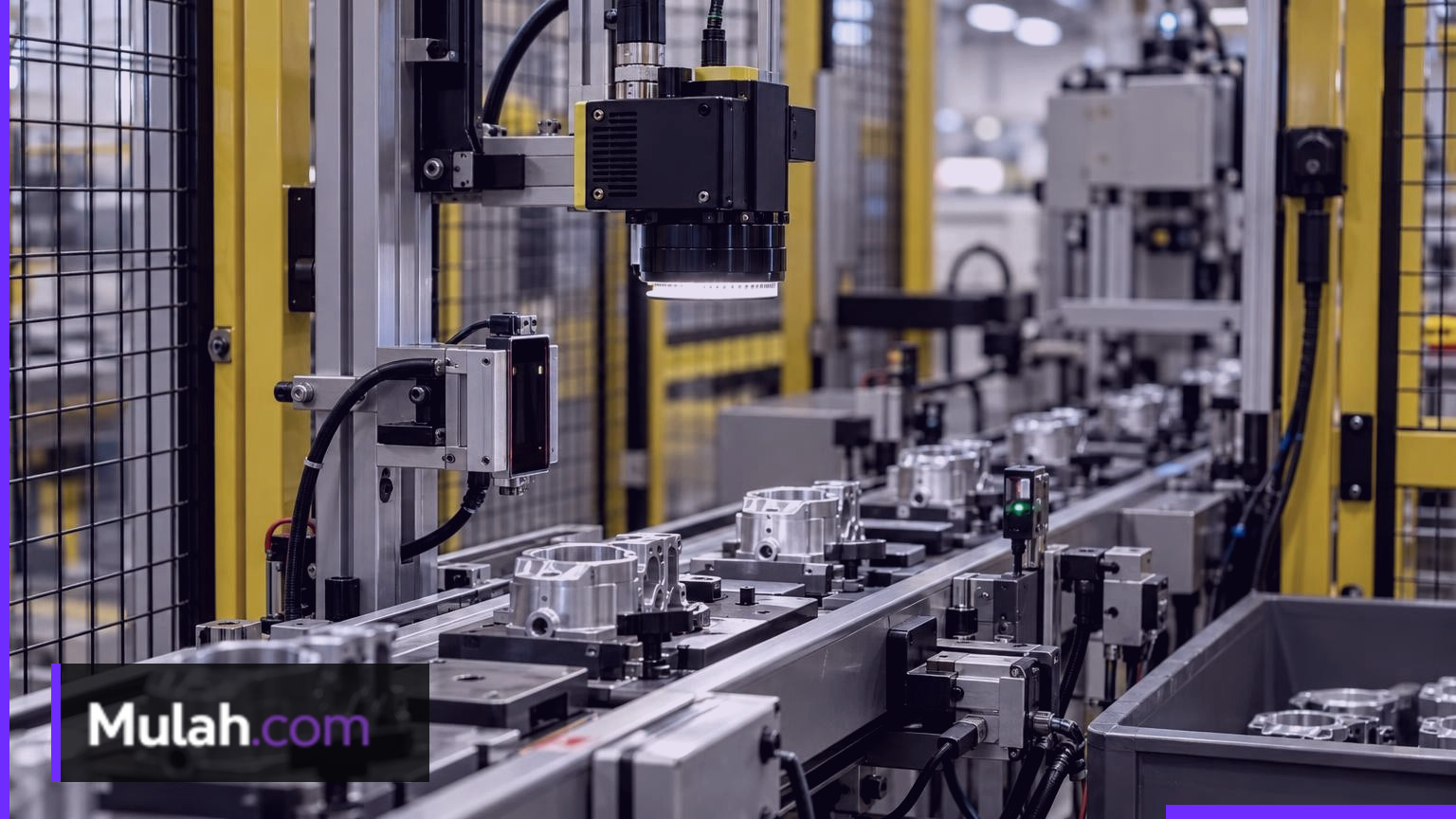
Mulah can discuss the machinery alongside the expenses that make it productive. An itemized quote, a realistic launch schedule, and a candid account of your cash position are more useful than a single requested dollar amount.
Use the business funding calculator to test illustrative payments, then measure them against cash flow at partial capacity. Mulah can help you consider available paths, but a calculator doesn't capture every fee, lease obligation, or contract restriction.
When you're ready, bring the full project budget rather than only the machine price. You can use the funding-options form for an initial conversation or complete the full application with your records at hand.
Share your business details, vendor quote, production goal, required timing, and total installed cost. Explain any deposits or progress payments coming due.
Read available offers for total cost, payment frequency, collateral, guarantees, ownership rights, and restrictions. Judge the commitment against what your cash flow can support during launch.
Before closing, settle vendor payment instructions, insurance, milestone conditions, and acceptance responsibilities. Keep changes to cost or schedule visible to everyone involved.
Provide the business and financial information needed for a funding review.
Start with a shorter path when you want to discuss the business need before completing the full application.
Review official SBA information about federal small-business loan programs and lender participation.
Official guidance on financial management, cash flow, bookkeeping, and business planning.
Use the official source for current program, regulatory, or business guidance related to this topic.
Use the official source for current program, regulatory, or business guidance related to this topic.
Common assets include conveyors, feeders, presses, weld cells, fastening equipment, robots, workstations, inspection systems, labelers, case packers, and palletizers. Submit an itemized package so the provider can assess the machinery and distinguish it from installation and operating expenses.
Some agreements include eligible freight, rigging, installation, programming, or training costs. Others concentrate on the equipment. Get the included costs in writing and budget separately for exclusions before placing orders with contractors.
Financing often fits a long ownership horizon. Leasing deserves consideration when upfront cash or replacement flexibility matters more, but the contract's ending is crucial. Calculate the full scheduled cost, including purchase or return obligations, rather than choosing by payment alone.
Used and rebuilt assets can be considered. You'll generally need seller details, serial numbers, condition information, and support for the price. Inspect serviceability as carefully as value, especially where obsolete controls or missing documentation could delay production.
A documented custom project can be considered, but milestone payments and engineering risk require careful attention. Provide the purchase agreement, acceptance tests, change-order process, and vendor background. Limited resale value can make the business's cash flow particularly important.
Certain structures accommodate deposits or progress payments; others require delivery or acceptance first. Resolve this early. A funding commitment that doesn't match the builder's payment schedule can leave you responsible for a substantial cash gap.
Don't assume your payments pause. Read when they begin and what the agreement says about delayed delivery or acceptance. Your forecast should carry payroll, materials, contractor costs, and debt payments through a reasonable delay.
Use the installed project cost, then separate the amount suitable for equipment funding from the operating reserve. Deduct only the cash you can contribute without weakening normal operations. Include a supportable contingency rather than an unexplained extra amount.
Gather bank statements, current financial statements, a debt schedule, ownership details, and tax returns if requested. Add the quote and project cash forecast. Explain unusual deposits, seasonal revenue, or recent losses so the records don't tell an incomplete story.
Startup funding is a separate underwriting challenge because the company lacks an operating record. Owner experience, available equity, credit, vendor quality, and documented demand become important. A promising forecast alone doesn't establish that the business can carry the payments.
Eligible businesses can use certain SBA programs for equipment and other qualifying expenses. The SBA's official 7(a) program information explains eligible uses and basic requirements. Discuss your project with a participating lender and allow for its underwriting process.
Not necessarily. Equipment commonly supports the transaction, but other liens or guarantees can apply. Read the security documents and understand how the agreement interacts with existing lenders before signing.
The contract controls. A payoff might include fees or scheduled charges, and ending a lease can be substantially different from paying down a loan. Request a written explanation of early-exit terms before assuming refinancing or a later sale will be straightforward.
Reconcile the final equipment list, installed cost, vendor payment dates, and acceptance language with the funding documents. Then check payment obligations at conservative output, insurance requirements, liens, guarantees, and end-of-term duties. Resolve inconsistencies before money moves.
Start with the need, the amount, and the timing. Mulah can help you review possible business funding options before you decide whether to move forward.
Call 877-816-8524