Operating History
Show how long you've been in business and your experience with the proposed work. Distinguish an established business adding equipment from a new entity launching its first facility.
Buying a screening system can commit your cash months before the first customer payment arrives. TSA screening equipment financing and leasing should account for more than the machine: installation, training, service coverage, and payroll matter too. If you're considering small business loans alongside equipment funding, separate the lasting asset from the costs of getting it into service.
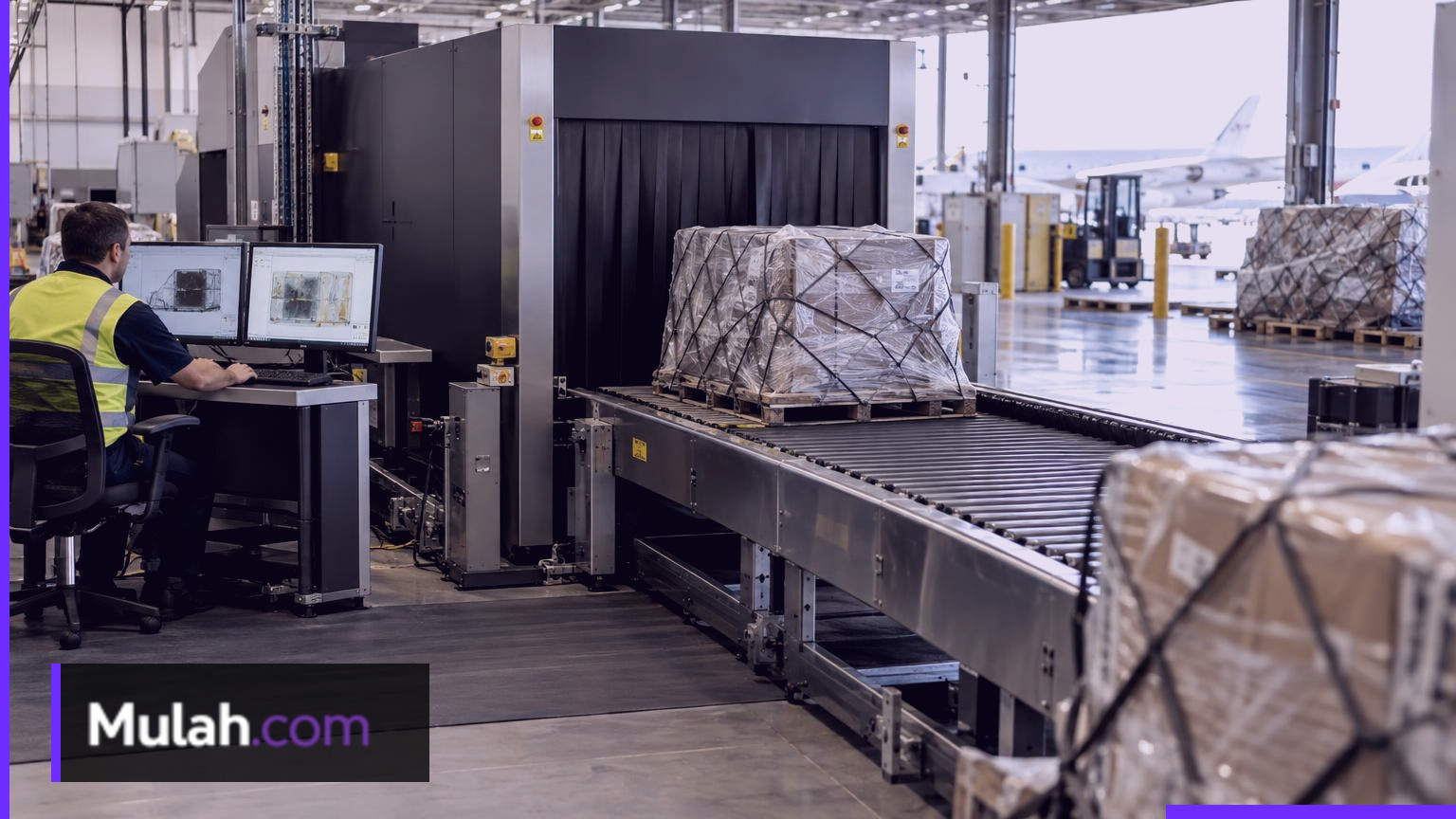
A scanner quote can look manageable until the installation estimate arrives. Your facility might need additional electrical service, reinforced flooring, network connections, or changes to the conveyor layout. Freight, rigging, taxes, and commissioning add costs before anyone screens the first shipment.
Then there is the period between delivery and productive use. You may be paying employees, subcontractors, rent, and insurance while the system undergoes testing or waits for customer acceptance. That cash requirement belongs in the budget, even if it doesn't belong in the equipment agreement.
Mulah provides a starting point for separating these needs into potential business funding paths. A useful request shows the equipment cost, the work required to put it into service, and the cash your business must retain. The goal isn't simply to finance more. It's to avoid leaving a necessary part of the project unfunded.
The core asset might be an X-ray or computed-tomography system, explosives trace detector, metal detector, or credential-authentication device. Your request should describe the exact equipment and its role. A broad description such as security equipment gives an underwriter little basis for evaluating the invoice or expected useful life.
Supporting equipment can be substantial. Conveyors, pallet scales, inspection tables, rollers, secure cages, cameras, operator workstations, servers, and backup power may be essential to throughput. Service businesses have a different asset mix, including manufacturer tools, diagnostic instruments, replacement modules, and field-service vehicles.
Separate durable equipment from software subscriptions, consumables, construction, and labor. A provider may treat these costs differently, even when one vendor puts everything on the same invoice. Itemization gives you a clearer basis for discussing what can be funded and what you'll need to cover another way.
Small business loans are one route, not a label for every form of capital. Use the expense, expected repayment source, and length of the need to narrow the choices. Availability and terms reflect your business finances, credit, requested amount, asset, vendor, and underwriting requirements.
| Option | Often considered for | How to think about it |
|---|---|---|
| Term Funding or Term Loans | A defined project budget with a credible repayment plan. | A lump sum repaid under an agreed schedule. [Term loan guidance](https://mulah.com/term-loan/) is useful when considering facility work or implementation costs; check total cost, collateral, guarantees, and prepayment terms. |
| Working Capital | Payroll, consumables, mobilization, or the gap before customer payment. | A funding purpose that can be served by different products. Match payment frequency to your collections and avoid financing a long-lived machine with a short repayment period simply because funds are available. |
| Business Line of Credit | Recurring parts purchases, service work, and uneven project expenses. | Draw access up to an approved limit under the agreement. A [business line of credit](https://mulah.com/business-line-of-credit/) can suit repeated short-term needs; examine draw fees, renewal conditions, and repayment requirements. |
| Equipment Financing or Leasing | Documented purchases of eligible scanners, conveyors, detectors, or service assets. | Funding centered on equipment and its use. The [equipment financing and leasing guide](https://mulah.com/equipment-financing-and-leasing/) explains ownership choices; installation costs and lease-end obligations deserve particular attention. |
| SBA Financing | Eligible businesses pursuing equipment, expansion, acquisition, or working-capital needs. | Loans made through participating lenders under applicable SBA program rules. See [SBA loan information](https://mulah.com/sba-loans-by-mulah/); documentation, eligible uses, borrower contribution, and timing vary by transaction and program. |
| Revenue-Based Financing | Businesses with established revenue evaluating another way to address a cash need. | Terms are tied to revenue under the specific agreement. With [revenue-based financing](https://mulah.com/revenue-based-financing/), understand the payment calculation, collection method, any reconciliation provisions, and total cost before committing. |
TSA technology information applies to particular screening environments and programs. A model listed for one use isn't automatically suitable for another. Check the manufacturer, model, configuration, software, accessories, and current status against official material and the requirements of your customer or responsible authority before placing the order.
Make the purchase contract specific. Delivery terms, installation responsibilities, acceptance criteria, warranties, software rights, and service coverage should be in writing. Get qualified technical and legal advice on what happens if the equipment arrives late, fails acceptance testing, or cannot be commissioned for the intended use.
Used and refurbished systems need additional scrutiny. Obtain service records and evidence of ownership, and investigate parts availability, software eligibility, relocation requirements, and any applicable recertification process. A low purchase price offers little protection if the manufacturer won't support the configuration you intend to operate.
Build the revenue case around realistic volume by shift. Allow for alarm resolution, breaks, changeovers, maintenance, seasonal demand, and customer cutoff times. Rated machine capacity isn't the same as the volume your facility can process and bill for consistently.
Deduct the costs that keep the system productive: operators, service contracts, swabs, filters, calibration materials, software support, and insurance. Check response times and replacement-part availability. An inexpensive machine with weak support can be more costly than a higher-priced system that spends less time out of service.
Use the [business funding calculator](https://mulah.com/business-funding-calculator/) to frame payment scenarios, then test them against slower acceptance and collections. Calculator results are estimates, not offers. Your finance payments follow the agreement even when your customer pays late, so preserve enough cash to carry both.
An integrator might need a scanner deposit today, installer payroll next month, and operating cash until a customer signs off. Those are separate cash needs. Equipment funding can address an eligible asset while another facility covers costs that arise before billing.
For completed work billed to eligible commercial or government customers, [accounts-receivable financing](https://mulah.com/accounts-receivable-financing/) may be relevant. Customer credit, invoice eligibility, disputes, retainage, and assignment restrictions matter. A signed contract is not the same as an accepted invoice, so don't assume invoice funding will cover mobilization.
Explain how the project will be paid, including deposits, progress billings, acceptance, and final collection. If you operate several contracts, show their overlapping cash demands. New businesses without operating history face different funding constraints; an experienced team or signed award doesn't replace evidence of how payments will be covered.
Your request should answer two questions: can your business carry the payments, and does the proposed purchase make commercial sense?
Show how long you've been in business and your experience with the proposed work. Distinguish an established business adding equipment from a new entity launching its first facility.
Explain normal collections, seasonal changes, and large deposits. A strong revenue month is less persuasive if routine expenses leave little cash for another payment.
List current loans, leases, liens, and recurring financing payments. Include obligations that don't appear clearly in your financial statements so the new payment can be assessed realistically.
Expect requests for business and owner information, along with credit review where required. Guarantee requirements are product-specific; don't assume the equipment alone will support the transaction.
Provide the invoice, age, condition, useful life, installation plan, and supplier details. Unusual configurations or limited resale markets may require more explanation than standard commercial equipment.
Show what happens if delivery, acceptance, or collections slip. A backup source of operating cash is more convincing than a forecast that assumes every milestone occurs on time.
Requirements vary, but organized records reduce back-and-forth. Keep the budget, vendor quote, and contract schedule consistent so a reviewer doesn't have to reconcile conflicting amounts.
Not every expense qualifies under every product. Use these categories to make your budget readable and separate equipment from implementation and operating costs.
Eligible X-ray, CT, trace-detection, metal-detection, credential, and related systems. Include required options and workstations rather than treating them as later additions.
Electrical upgrades, network drops, secure partitions, reinforced flooring, loading changes, cameras, and access controls needed for the planned layout.
Freight, insurance, storage, rigging, installer travel, integration, and acceptance testing. Clarify which party pays each charge and when.
Recruiting, required background processes, technical training, travel, supervision, and initial payroll while staff prepare the site or learn the equipment.
Diagnostic tools, spare parts, consumables, preventive maintenance, software support, backup power, and practical arrangements for equipment downtime.
Facility expansion, acquisition-related equipment refresh, and post-close working cash. Keep transaction expenses separate from the operating funds you'll need after ownership changes.
These are planning situations, not customer results. Use the one closest to your project to spot the question that needs an answer before you borrow.
The purchase is straightforward, but removal and commissioning could interrupt revenue. Budget for downtime and decide whether temporary capacity is necessary before using all available cash for a larger down payment.
Equipment delivery may precede readiness of the facility and staff. Separate the construction schedule from equipment payments, and retain enough money to cover rent and payroll if opening moves back.
You owe suppliers before the customer accepts the work. Map supplier terms against contract milestones, then size the cash requirement through collection rather than stopping the forecast at installation.
The quoted price leaves room in the budget, but service and software eligibility remain unresolved. Settle those issues first. Financing an unsupported machine doesn't make the discount a sound investment.
The business comes with equipment, employees, and customer contracts. Determine which assets need replacement, which contracts require consent, and how much cash must remain after closing to meet payroll and supplier bills.
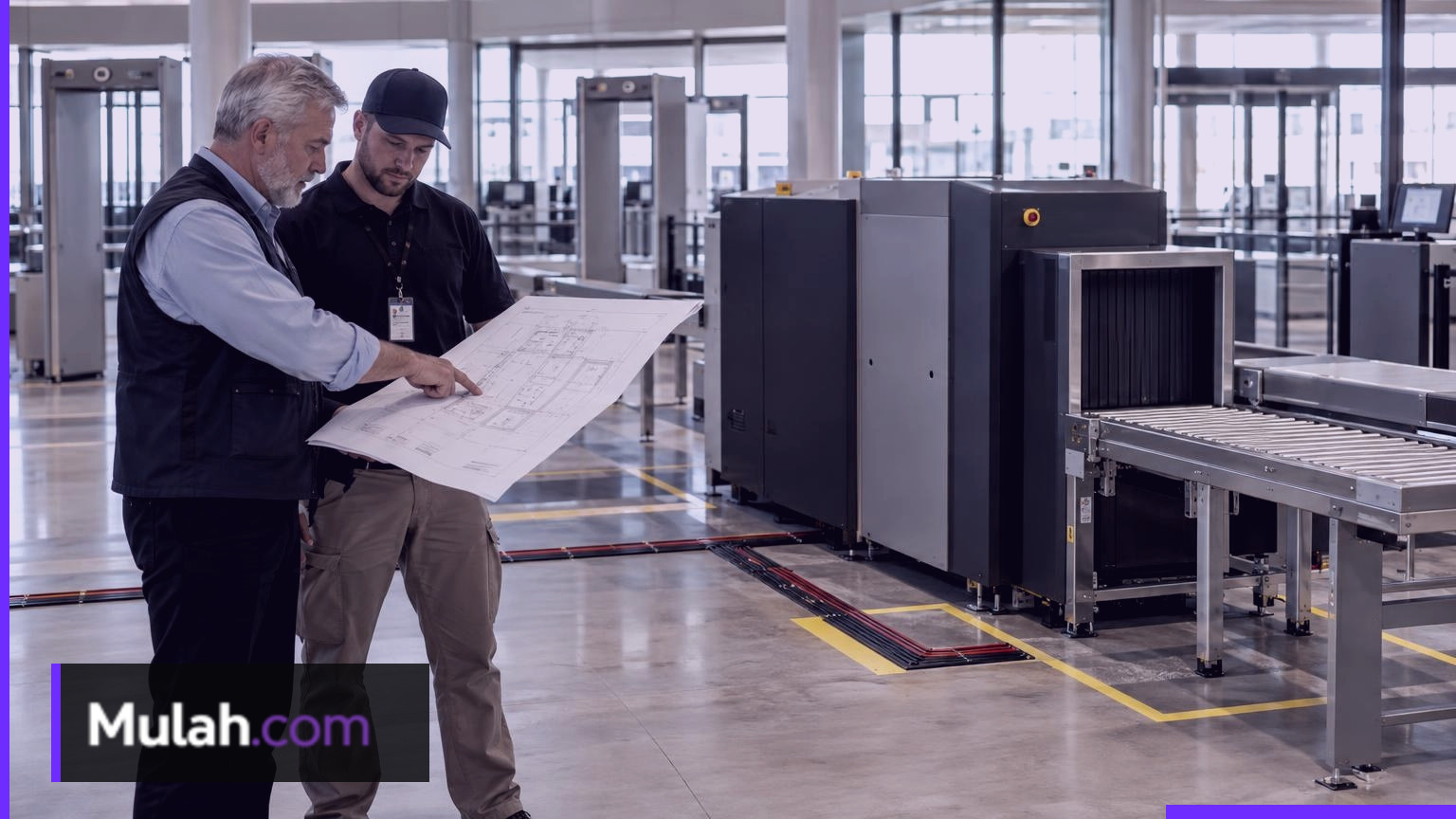
If you operate a cargo screening facility, your purchase may include inspection equipment, secure handling areas, and supporting material-handling assets. Freight forwarders, warehouse operators, and manufacturers participating in secure air-cargo programs also need to account for how goods move into and out of the screening area.
Security integrators face a different problem. You might owe the manufacturer a deposit and pay installation crews before your customer releases a milestone payment. Vendors and service companies can have similar cash demands for demonstration units, spare parts, diagnostic tools, technician travel, and vehicles.
Private airport contractors may need inspection tools, credential technology, communications equipment, or mobilization money tied to a particular contract. An acquisition or facility expansion adds another layer: the purchase price alone won't cover transition payroll, equipment repairs, or the working cash needed after closing.
Put actual dates beside the major costs. A project can be profitable on paper and still leave you short of cash during delivery or acceptance.
Site surveys, design work, technical advice, and facility planning can create expenses before equipment financing is ready to close. Know which costs you've already paid and which remain in the funding request.
Record the deposit, progress payments, shipment balance, and freight charges separately. Find out when each is due and whether the funding provider can accommodate the vendor's payment schedule.
Electricians, riggers, installers, and software specialists may all need payment during the same week. Budget for that concentration rather than spreading the costs evenly across an optimistic project timeline.
Your contract may require testing, documentation, training, or formal acceptance before billing. Include payroll and subcontractor costs through that milestone, plus the customer's normal payment period.
Maintenance, consumables, software, insurance, and operator labor reduce the cash available for payments. Use the revenue left after those costs, not gross contract value, when judging affordability.
The right structure should fit how long you'll use the system, how much cash you need to retain, and what happens at the end of the agreement.
A purchase financed over time can suit equipment with a useful life extending beyond repayment. Factor in maintenance and technology changes rather than assuming the asset will remain commercially useful simply because it still runs.
A lease can spread the cost of using equipment, but the final payment isn't always the final obligation. Read the purchase option, return conditions, renewal provisions, removal costs, and early-termination language before signing.
Installation labor, training, rent, and payroll may require a different funding source from the machine. The [working capital funding guide](https://mulah.com/working-capital-loans/) explains the broader cash needs that arise around a purchase.
A reasonable reserve should have a purpose: an extra month of payroll, temporary storage, or a known installation risk. Don't borrow an arbitrary cushion, but don't commit every available dollar to the equipment deposit either.
Related Mulah resources include working capital funding, business lines of credit, equipment financing and leasing, term funding, SBA loans, revenue-based financing, startup funding, accounts receivable financing, and the business funding calculator.
Two offers with similar payments can leave you with very different costs and responsibilities.
Put fees, scheduled payments, upfront cash, and any final purchase amount on one timeline. A lower payment may reflect a longer term or a substantial end-of-term obligation rather than a lower overall cost.
Understand liens, personal guarantees, insurance requirements, and restrictions on moving or selling the equipment. Check how another financing agreement would interact with what you already owe and any existing lender's rights.
Read the provisions for early payoff, default, casualty, equipment return, and contract termination. Customer cancellation doesn't necessarily release you from financing obligations. Accounting and tax treatment also vary; use qualified advisers for those decisions.
The amount that looks attractive on an offer is not always the amount that makes sense to take. Tie the request to a real expense, a realistic payoff period, and the cash the business can still live on if a customer pays late or a strong month comes in softer than expected.

Mulah's business funding marketplace begins with your company, the amount requested, and what the money will pay for. For a screening project, separating equipment from installation and working cash makes the request easier to assess. Available products and documentation requirements vary, and submitting information is not a promise of approval.
Mulah gives you a place to consider potential funding paths alongside the economics of the purchase. Keep any existing bank relationship in the discussion too. The useful comparison is the actual offer: total cost, payment schedule, security, conditions, and whether the agreement leaves your business enough room to operate.
When your budget is ready, use the [short funding inquiry](https://mulah.com/get-fast-business-funding-from-mulah/) or submit the [full application](https://mulah.com/application/). Have the equipment quote and requested timing nearby. You don't need a polished presentation, but the numbers should tell a consistent story.
Provide your operating history, revenue, requested amount, intended use, and timing. Say if you are buying equipment for your own facility, installing it for a customer, or acquiring a business.
Supply the financial records, vendor quote, project schedule, and contract details requested. Explain any mismatch between when you must pay suppliers and when your customer will pay you.
Read the agreement against your cash-flow forecast. Resolve questions about fees, guarantees, payment frequency, early payoff, and lease-end obligations before accepting an offer.
Provide the business and financial information needed for a funding review.
Start with a shorter path when you want to discuss the business need before completing the full application.
Review official SBA information about federal small-business loan programs and lender participation.
Official guidance on financial management, cash flow, bookkeeping, and business planning.
Use the official source for current program, regulatory, or business guidance related to this topic.
Use the official source for current program, regulatory, or business guidance related to this topic.
Potentially, but they may not fit the same agreement. Give the provider an itemized budget separating the equipment from construction, integration, freight, training, and operating costs. Find out which expenses are eligible before committing to vendor payments.
No. A funding decision concerns the commercial transaction. Equipment acceptance and permission to operate come from the applicable security program, contracting authority, or other responsible party. Use current official information for your exact model, configuration, software, and intended application.
Requests can include eligible X-ray or CT systems, trace detectors, metal detectors, credential technology, conveyors, workstations, and service tools. The equipment's condition, vendor, intended use, and supporting documentation all matter to the funding review.
Consider how long you'll use the system and what you want to happen afterward. Purchase financing may suit long-term ownership. A lease requires close attention to purchase options, return conditions, renewal terms, maintenance responsibility, and total cost.
An eligible commercial cargo operator can seek funding for equipment and related business needs. Be clear about your facility's role, the assets you're buying, and the cash available for payments. Funding doesn't replace the program requirements governing your operation.
Some providers consider it. Expect questions about age, condition, ownership, useful life, and service availability. Obtain written details on software support and any relocation or recertification requirements before treating the lower price as a saving.
Use the installed-cost budget, subtract the cash you can contribute without weakening operations, and account for costs that require separate funding. Include a specific allowance for credible delays rather than rounding the request upward without explanation.
Those requirements vary by provider, product, and transaction. Get the terms in writing. Also check for liens, insurance obligations, and upfront fees so you understand the cash and security required beyond the scheduled payment.
Working-capital funding may address that gap. Show the award or contract, staffing costs, first billing date, and expected collection date. Include the possibility of delayed acceptance, especially if payment requires customer signoff.
It can be relevant after eligible work has been invoiced. Customer credit, acceptance, disputes, retainage, and assignment restrictions affect suitability. It generally addresses a receivable, not the earlier cost of performing work that has yet to be billed.
Eligible equipment, expansion, acquisition, or working-capital projects may fit an SBA program through a participating lender. Allow for the required documentation and lender process. Check eligible uses, borrower contributions, and other program conditions for your transaction.
Without operating history, the request requires a different assessment from an established business expansion. Prepare a detailed budget, relevant experience, available owner investment, and a credible revenue plan. Don't assume a signed contract alone will support startup funding.
Look at service response, covered parts, preventive maintenance, software support, exclusions, and technician travel charges. Calculate the cost of downtime too. Maintenance terms affect both the operating budget and how reliably the equipment can earn revenue.
Test it against cash remaining after payroll, maintenance, consumables, insurance, existing debt, and other routine bills. Then delay expected customer receipts in the forecast. If payments work only under the best-case schedule, reconsider the purchase size, timing, or structure.
Start with the need, the amount, and the timing. Mulah can help you review possible business funding options before you decide whether to move forward.
Call 877-816-8524