Operating History
Show how long you've been trading and how the business has developed. Newer DJs have less financial history to demonstrate, so a vendor quote and enthusiastic pipeline won't carry the same weight as collected revenue.
Your next equipment purchase should earn its place in the business, not just improve the gear list. DJ equipment financing and leasing can spread the cost of sound, lighting, and mobile rigs while preserving cash for booked events. If you're also considering small business loans, separate the equipment purchase from payroll, transport, and other expenses so you can judge the full commitment.
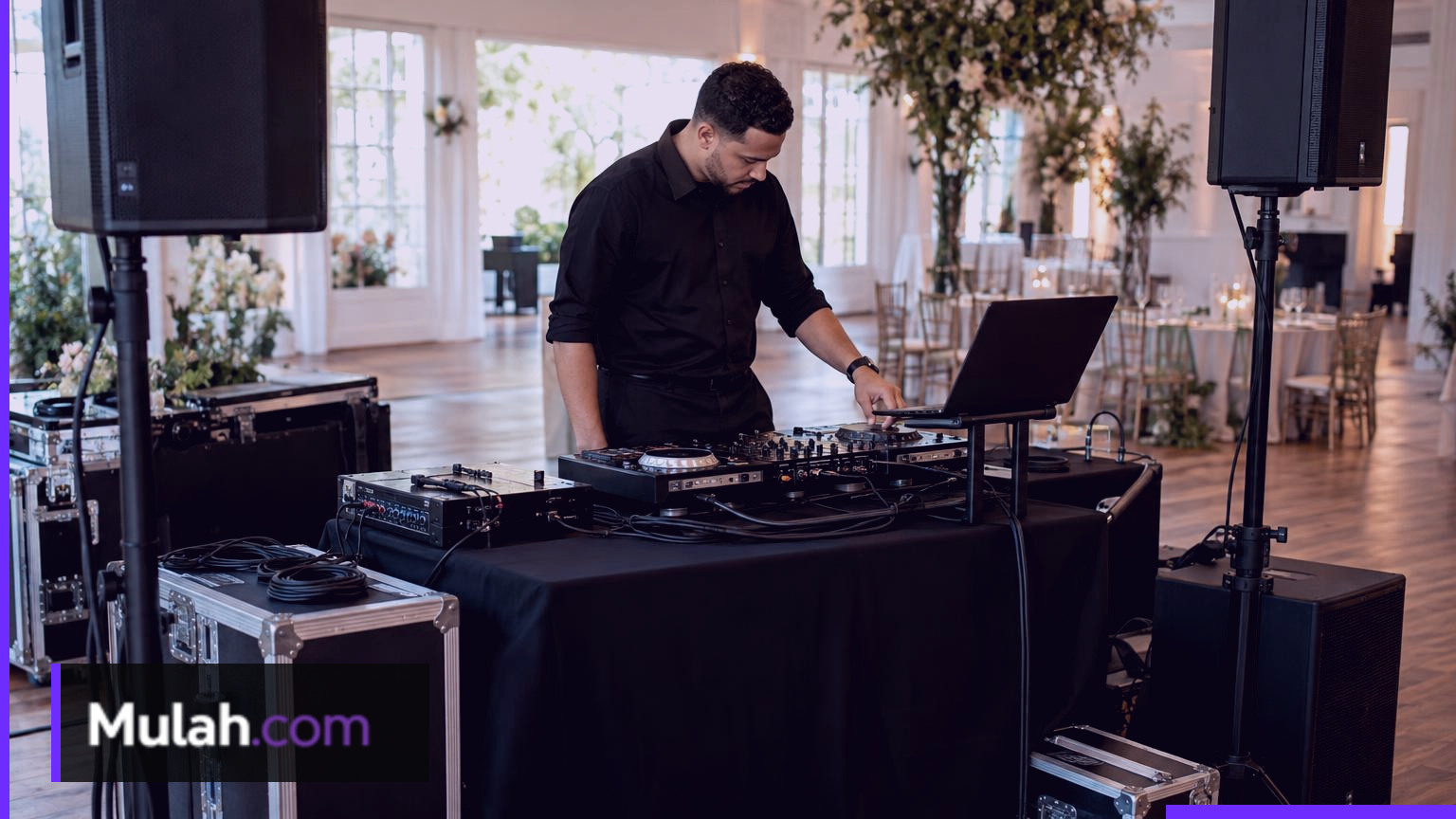
A failed speaker during wedding season creates a different decision from adding moving lights to a package clients haven't requested. The first protects work you've already sold. The second needs evidence of demand. Give each purchase a clear job before deciding how to pay for it.
For an expansion, estimate the contribution left after direct labor, travel, setup, teardown, and other event costs. Then use a realistic booking count. A second rig doesn't create a second crew, and a higher package price means little if most clients decline the upgrade.
Mulah gives you a place to explain both the purchase and the cash-flow pressures around it. Treat that funding conversation as part of your planning, not a substitute for it. Your own booking records and margins should determine how much debt or lease expense the business can comfortably carry.
A solo mobile DJ usually earns from one performance at a time. Reliability, presentation, and a fast load-in may be worth more than additional output. Before adding inventory, consider whether it raises your realized price, saves meaningful labor, or protects a booking you couldn't safely serve otherwise.
A multi-operator company faces a different bottleneck. Duplicate rigs produce revenue only when trained people can deliver the promised service on overlapping dates. Standardized controls, labeled cases, inventory checkouts, and rehearsed backups reduce avoidable mistakes. Include those systems in the expansion plan rather than treating them as work to finish later.
Rental and production businesses need to watch utilization across the fleet. A busy speaker system can earn well while specialty lighting sits idle. Track realized rental prices, maintenance time, damage, storage, and days unavailable for service. For clubs, venues, and corporate providers, also consider installation requirements, speech clarity, wireless coordination, and the cost of interrupting service.
Searches for small business loans bring up several products with different economics. Not every option below is a conventional loan. Use the purpose and payment structure to narrow the field, then read the actual offer rather than relying on the product name.
| Option | Often considered for | How to think about it |
|---|---|---|
| Term Funding or Term Loans | A defined project combining equipment with costs such as storage improvements, vehicle upfitting, or hiring. | Funding is repaid over an agreed period. Payment frequency, pricing, security, and prepayment provisions vary. See [term loans](https://mulah.com/term-loan/). |
| Working Capital | Payroll, contractor invoices, insurance, fuel, or other operating expenses around an expansion or seasonal gap. | Working capital describes the use of funds, not one universal contract. Match the repayment schedule to collections. See [working capital loans](https://mulah.com/working-capital-loans/). |
| Business Line of Credit | Recurring repair needs or short cash gaps when the amount and timing aren't fully known. | An approved credit limit allows draws under the agreement's rules. Check draw fees, repayment requirements, and renewal conditions. See [business lines of credit](https://mulah.com/business-line-of-credit/). |
| Equipment Financing or Leasing | An itemized purchase or lease of controllers, sound systems, lighting, and other eligible business equipment. | Financing generally supports a purchase; leasing provides use under specified terms. Ownership and security arrangements matter. See [equipment financing and leasing](https://mulah.com/equipment-financing-and-leasing/). |
| SBA Financing | Eligible businesses planning equipment investment or broader business needs that fit an SBA program and lender requirements. | Participating lenders make SBA-backed loans. Documentation, eligible uses, and underwriting follow the applicable program. See [SBA loans](https://mulah.com/sba-loans-by-mulah/). |
| Revenue-Based Financing | Businesses evaluating funding connected to sales performance and able to support the resulting remittances. | Contracts differ. Understand whether payments adjust with receipts, how reconciliation works, and the total amount owed. See [revenue-based financing](https://mulah.com/revenue-based-financing/). |
Ownership often makes sense for durable speakers, cases, and other equipment you expect to keep productive for years. It also gives you control over resale and deployment, subject to any financing restrictions. Still, resale value is uncertain, and a low purchase price doesn't erase maintenance or downtime.
Leasing deserves a closer look when refresh cycles matter or preserving upfront cash is a priority. Read the end-of-term language early. A purchase option, required return, automatic renewal, or notice deadline can change the economics. Know who pays for maintenance, shipping, damage, and insurance throughout the agreement.
Keep the payment period in line with a conservative estimate of useful service. You don't want to make payments on an obsolete controller while financing its replacement. Tax treatment also varies by structure and circumstances. A qualified tax professional should evaluate deductions, depreciation, and accounting treatment; Mulah doesn't provide tax or legal advice.
Build the quote along the signal path: playback, mixing, microphones, processing, amplification, and speakers. Add lighting control and fixtures where needed. Then account for laptops, software licenses, storage, adapters, cabling, stands, cases, batteries, and a practical backup playback path.
Transport can change the purchase substantially. Larger subwoofers may require a trailer, stronger carts, different shelving, or another person at load-in. Freight, sales tax, installation, and service coverage also affect the cash requirement. Separate equipment from subscriptions and consumables so the funding request is accurate.
Check electrical demand, connector standards, software support, load ratings, and compatibility with what you already own. Wireless microphones deserve special attention because frequency rules and permitted operation matter. The FCC's wireless microphone guidance is a useful reference before buying older or used systems.
Decide which failures would stop a performance and build a tested fallback for each. Spare cables won't solve a failed playback computer without usable media and a working connection. Rehearse the switch before an event, especially when several crew members share the same inventory.
Record serial numbers, photographs, receipts, service history, and crew checkouts. Talk with your insurer about transport, theft, rented equipment, and equipment left in vehicles. A financing or lease agreement may impose insurance requirements, but meeting the contract minimum isn't the same as having coverage that fits your work.
Safe deployment protects both revenue and people. Use rated stands and mounting hardware, secure vehicle loads, and plan power distribution, cable protection, and weather procedures. Larger lighting or production packages may require skills and equipment your current crew doesn't have. Budget for those capabilities before selling the service.
There isn't one eligibility standard across DJ equipment funding. These six parts of your business help explain the request and where the risks sit.
Show how long you've been trading and how the business has developed. Newer DJs have less financial history to demonstrate, so a vendor quote and enthusiastic pipeline won't carry the same weight as collected revenue.
Distinguish deposits, final balances, rental receipts, and other income. Providers need a credible picture of money entering the business, including seasonal swings and unusually large one-time events.
Explain what remains after normal expenses. Strong sales don't necessarily mean you can afford another payment if contractors, transport, and existing equipment costs absorb most of the cash.
Include loans, leases, credit lines, and other funding payments. Leaving out an obligation makes the affordability analysis less useful and can create problems during underwriting.
Ownership details, credit history, and any requested guarantees can affect the assessment. Read authorization language and understand whose credit or assets are involved before proceeding.
Provide model numbers, condition, supplier details, and the reason for buying. Used equipment, private-party purchases, and bundled services can require additional documentation or fall outside a provider's criteria.
An organized file reduces back-and-forth. Requirements vary, but these records give you a practical starting point without turning the request into a sales presentation.
Keep each use explicit. Equipment-specific contracts and broader business funding won't necessarily cover the same expenses.
Controllers, media players, turntables, mixers, laptops, interfaces, and storage form the working core. Include the licenses and backup path needed to make the system usable.
Size speakers, subwoofers, monitors, wireless systems, and processing for the rooms you actually serve. More output isn't automatically a better investment.
Uplights, wash fixtures, moving heads, control hardware, and distribution can support paid add-ons. Include rated mounting hardware and any training required.
Cases, carts, ramps, shelving, trailers, and vehicle improvements affect damage risk and labor. Vehicle purchases or modifications may require a different funding structure.
A second rig, ceremony system, or satellite-room package can serve more work. Include staffing and scheduling costs rather than treating equipment as the entire expansion.
Appropriate business funding may cover payroll, contractors, insurance, software, or launch marketing. Keep these expenses separate from assets and out of personal spending.
These are planning situations, not customer results. Use the one closest to your purchase to challenge the assumptions behind it.
Price repair, replacement, and temporary rental against the booked work at risk. Speed matters, but avoid turning an urgent replacement into an unnecessarily large system upgrade.
Check demand on overlapping dates, operator availability, training, and backup coverage. Calculate margin after paying the second crew, not as though you're personally performing both events.
Count actual purchases or credible commitments, not casual interest. Include charging, setup, transport, storage, and replacement batteries when deciding how many fixtures to acquire.
Read the service requirements and contract before buying a dedicated system. Consider cancellation rights, payment timing, storage access, and whether the equipment has useful work elsewhere.
Separate the equipment decision from the collection gap. Eligible business invoices may warrant an accounts-receivable financing discussion, but ordinary deposits or unsigned bookings aren't equivalent to collectible invoices.
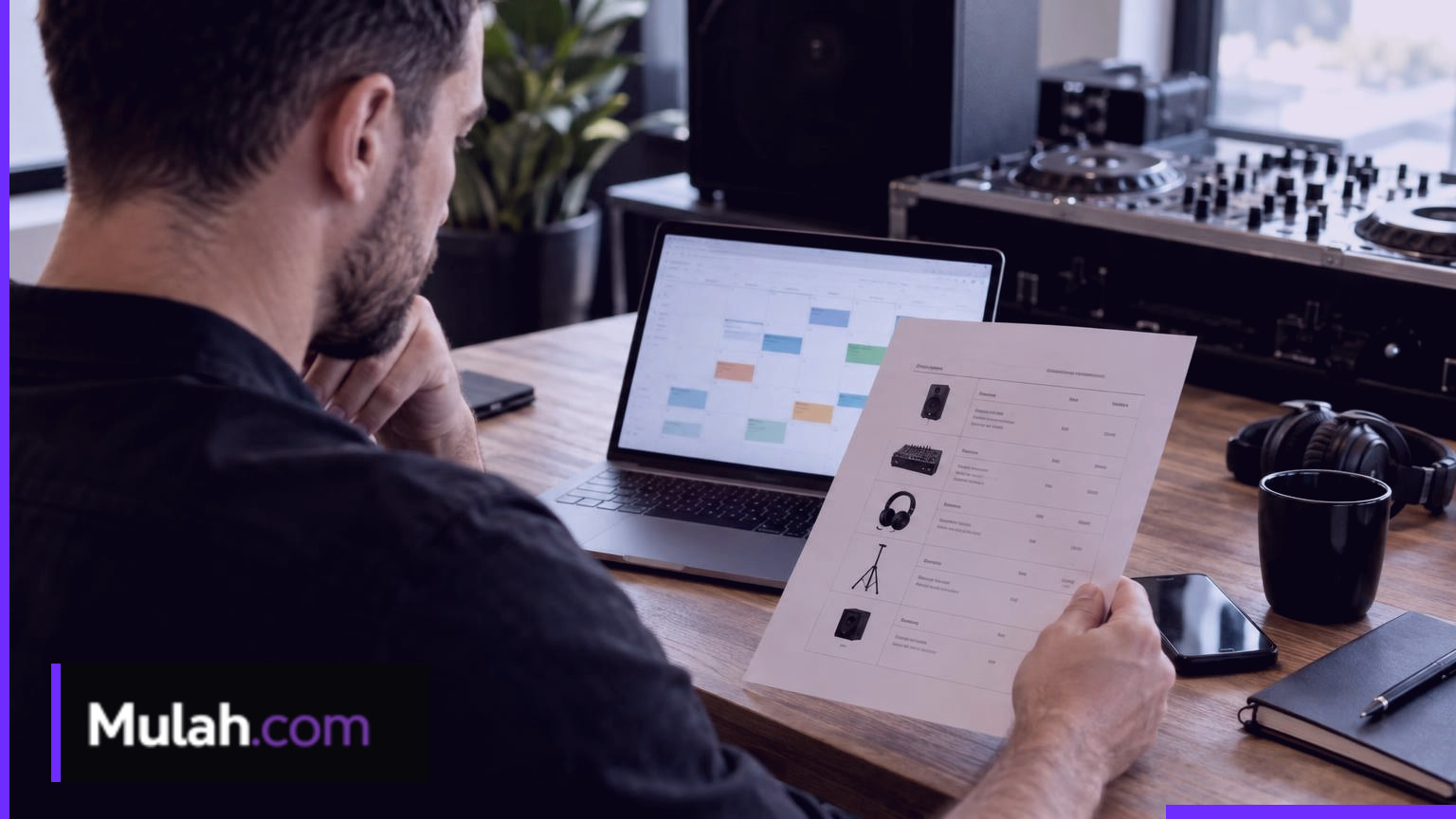
A deposit in your account may already have a job. It could be covering a subcontractor, ceremony rental, travel, or a refund obligation. Spending it on speakers can leave you financing an event later, even though the equipment itself was purchased with cash.
Split the project into equipment, one-time deployment costs, and ongoing expenses. Speakers and controllers belong in the first group. Freight, training, and vehicle upfitting need separate attention. Insurance, storage, software subscriptions, and crew costs continue after the boxes arrive.
Some funding arrangements accommodate a mixed business-purpose request; an equipment-specific agreement may be narrower. Tell the provider exactly what the money is for. Don't assume a gear approval also covers marketing, payroll, or a vehicle purchase, and don't bury those expenses in a vague equipment total.
Follow the money from booking to final collection. Your busiest performance month isn't necessarily the month with the most cash available.
Use past sales, signed venue work, and actual package acceptance to estimate demand. An inquiry list is useful, but it isn't cash you can commit to payments.
Assign enough of each deposit to the costs and obligations attached to that booking. Only the genuinely available balance belongs in your equipment cash budget.
Shipping delays, setup, software configuration, crew training, and testing can postpone revenue. Find out when payments begin and leave room for that gap.
Set aside part of peak-season collections for repairs and quieter months. Full utilization also brings wear, contractor bills, fuel costs, and less time for maintenance.
Model fewer bookings, a late final payment, and one substantial repair. If the equipment payment crowds out insurance or payroll, reduce the purchase or keep a larger reserve.
A smaller, fully usable system often earns more than an ambitious package that still needs accessories or staffing. These four purchase decisions deserve attention first.
A reliable replacement for a failing laptop, wireless system, or amplifier can protect more revenue than a visible upgrade. Diagnose the failure and check compatibility so the purchase actually removes the risk.
A coordinated system can simplify setup and spares. Have the vendor itemize every component, including power, cases, mounting hardware, and backups. A package discount isn't useful if it includes equipment you won't deploy.
Add the part clients already buy, then expand from demonstrated demand. Ceremony audio or uplighting might stand alone; a second full rig usually requires more staffing and scheduling preparation.
For occasional large rooms or unfamiliar production work, renting can reveal the real labor, transport, and technical requirements. Ownership becomes more persuasive when repeated rental expense and dependable utilization support it.
Related Mulah resources include working capital funding, business lines of credit, equipment financing and leasing, term funding, SBA loans, revenue-based financing, startup funding, accounts receivable financing, and the business funding calculator.
An affordable-looking installment can conceal an expensive contract or a weak purchase. Put these numbers beside each offer.
Add the upfront contribution, scheduled payments, fees, and any required final purchase payment. For a lease, account for return or renewal costs as well. A lower installment over a longer period can cost more overall.
Subtract the extra crew time, travel, consumables, commissions, and other direct costs from the revenue the equipment produces. Use that margin, not the package's advertised selling price, when estimating how many events support the purchase.
Your forecast still needs room for what you already owe, normal business expenses, taxes, and reserves. Check the actual payment dates. Weekly deductions can create pressure that a monthly average doesn't reveal.
The amount that looks attractive on an offer is not always the amount that makes sense to take. Tie the request to a real expense, a realistic payoff period, and the cash the business can still live on if a customer pays late or a strong month comes in softer than expected.
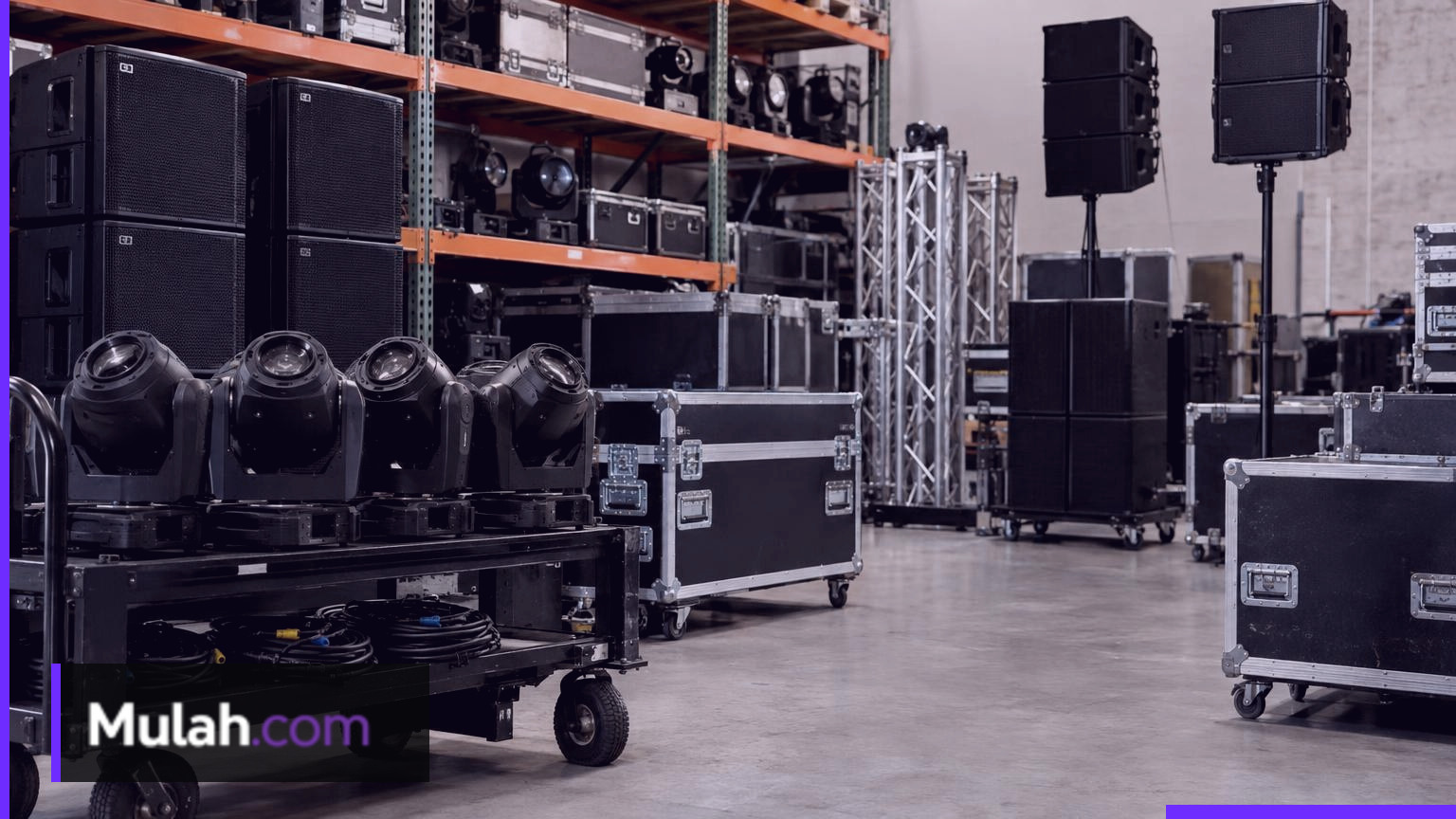
Mulah lets you bring the equipment list and surrounding business costs into the same discussion. Explain what the purchase changes: fewer breakdowns, an additional crew, a paid service upgrade, or lower recurring rental expense. That is more useful than requesting an amount without a deployment plan.
Use the [business funding calculator](https://mulah.com/business-funding-calculator/) to frame the request, then put any estimated payment into your own monthly forecast. Calculator results aren't offers. If the numbers only work with full-price bookings every weekend, scale back before submitting the request.
Bring a defined purchase and a candid picture of your business. You don't need a glossy presentation, but the equipment quote and financial records should tell the same story.
List the equipment, delivered cost, cash contribution, and related business expenses. Explain which bookings or services the purchase supports and when it will be ready to use.
Use the [funding-options form](https://mulah.com/get-fast-business-funding-from-mulah/) or [full application](https://mulah.com/application/) and supply the information requested. Keep current banking records, revenue details, and your vendor quote nearby.
Read the complete agreement before accepting. Resolve questions about payment dates, total cost, collateral, guarantees, prepayment, delivery, and ownership. Then document the purchase and arrange insurance before deployment.
Provide the business and financial information needed for a funding review.
Start with a shorter path when you want to discuss the business need before completing the full application.
Review official SBA information about federal small-business loan programs and lender participation.
Official guidance on financial management, cash flow, bookkeeping, and business planning.
Use the official source for current program, regulatory, or business guidance related to this topic.
Use the official source for current program, regulatory, or business guidance related to this topic.
Common requests include controllers, mixers, speakers, subwoofers, microphones, lighting, laptops, cases, and power equipment. Related deployment costs need to be listed separately. Give the provider an itemized quote and get clarity on the specific items covered before placing an order.
A complete system can be considered as one business purchase. Include the less visible essentials: cables, adapters, stands, cases, carts, backups, freight, and setup. Leave enough cash for testing and training before the first paid deployment.
Not automatically. Buying can suit equipment you'll keep for years; leasing can fit a planned replacement cycle or a need to preserve upfront cash. The deciding details are total cost, ownership, maintenance responsibilities, and what you must do at the end.
Yes, but limited trading history can narrow the available options. Your revenue, owner profile, requested amount, and equipment all matter. Keep the purchase proportionate to demonstrated demand rather than financing a full production inventory before you have regular work.
Some providers consider used equipment, but age, condition, seller, and documentation matter. Verify ownership, serial numbers, service history, software compatibility, and warranty status. A bargain loses its appeal if repairs or unsupported technology prevent reliable use.
Build the full cost first, then subtract only the cash you can safely contribute. Include duplicate essentials and the costs of deploying another crew. The amount should fit conservative incremental margin and your quieter months, not simply match the largest available offer.
Broader business-purpose funding can include operating costs under the applicable agreement. Equipment-only financing may not. Separate those expenses in your request so you don't receive an offer that funds the gear but leaves you short of the money needed to use it.
Only after accounting for the work and refund obligations attached to those deposits. Reserve enough for labor, travel, rentals, and other committed event costs. A healthy bank balance can overstate available cash when many events are still months away.
An eligible DJ or event business can consider SBA-backed lending for qualifying purposes. Participating lenders assess the application under the relevant program. The SBA's official 7(a) guidance explains the program; it doesn't mean every equipment request or business will qualify.
That is determined by the product and agreement. Equipment can secure a transaction, and some arrangements involve other liens or an owner guarantee. Read the security and guarantee provisions carefully so you understand what is at risk beyond the monthly payment.
Use a month-by-month forecast rather than dividing annual revenue by twelve. Include deposit timing, final collections, refunds, and off-season expenses. If a payment is uncomfortable during the normal slowdown, a strong summer alone doesn't make the commitment affordable.
Read the prepayment terms. Paying early doesn't always reduce the cost as much as you might expect, and a lease can have separate early-termination obligations. Request a written explanation of the payoff calculation before accepting the agreement.
Understand the vendor's acceptance, return, and warranty terms before ordering. At delivery, inspect and test the equipment promptly, document damage or missing items, and arrange coverage. Don't sign an acceptance statement that inaccurately says everything arrived and works.
Have a complete quote, current business records, and a clear use-of-funds budget. Know what you already owe and what payment your slower months can support. Then use the funding-options form to describe the request without treating an application as a commitment to accept an offer.
Start with the need, the amount, and the timing. Mulah can help you review possible business funding options before you decide whether to move forward.
Call 877-816-8524