Your ownership and experience
Explain your role, relevant management background, and ownership structure. For a purchase, distinguish your experience from the seller's track record.
Before you borrow for a 7-Eleven franchise, pin down what you're actually financing. Buying into a store, covering a temporary cash shortage, and replacing equipment you own are different credit decisions. Small business loans can fit some of those needs, but your franchise agreement, store-level earnings, and responsibility for expenses determine which funding makes sense.
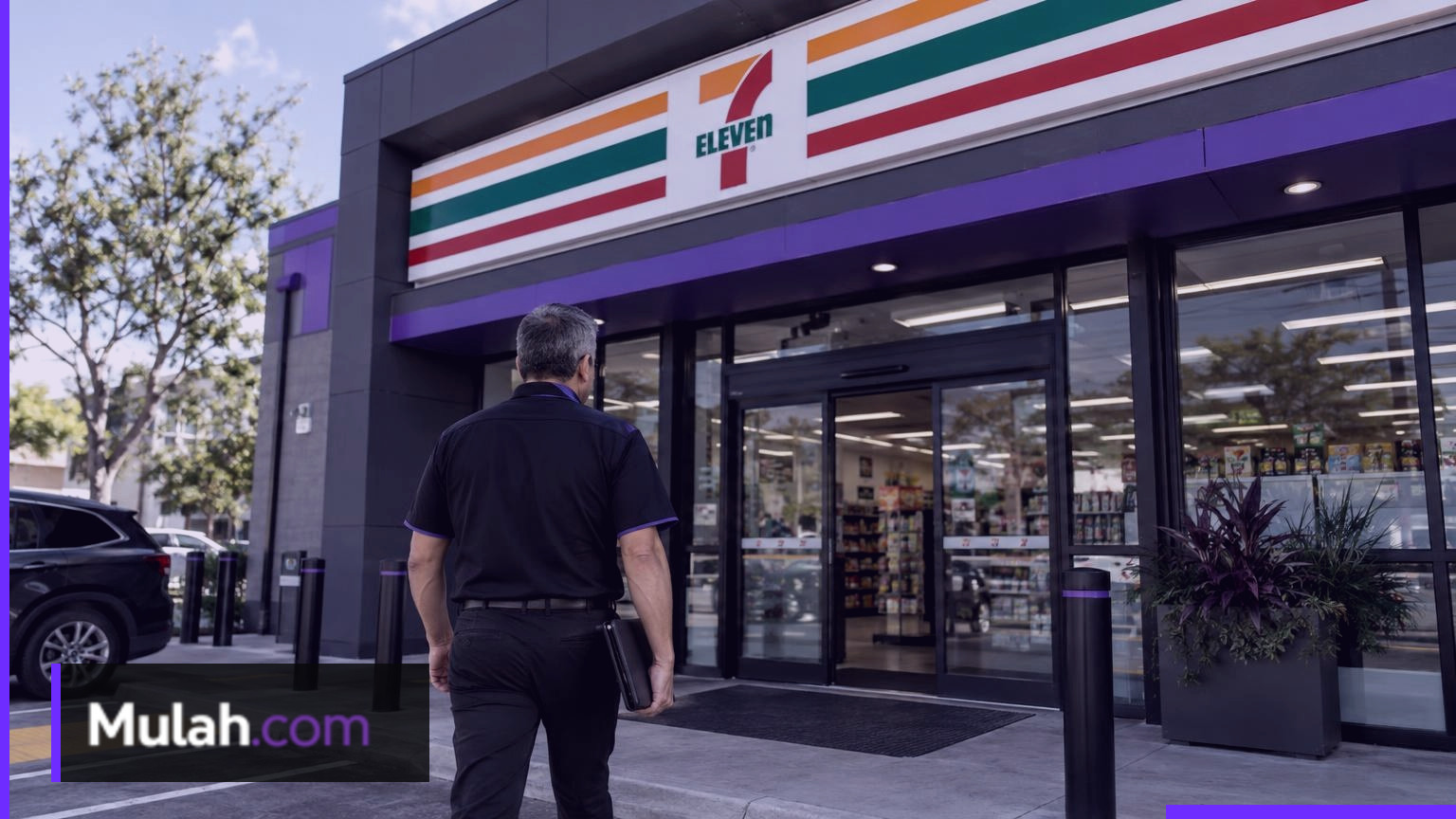
A busy store can still leave you short of usable cash. Payroll arrives on schedule, repairs don't wait for a strong sales week, and an acquisition can require money before you receive any store earnings. The useful question isn't simply how much financing is available. It's what the money will pay for and how your business will make the payments.
A 7-Eleven franchise isn't financially interchangeable with an independently owned convenience store. Responsibilities for merchandise, equipment, premises, and services can differ under the applicable agreement and store program. Before approaching a lender, work from your actual documents rather than another franchisee's experience.
Mulah is a business-funding marketplace where you can put that information into a financing request and understand potential options. It isn't the franchisor, and a funding request doesn't replace franchise approval. Keep those two processes coordinated, especially when you're purchasing a store or changing its ownership.
Your sales reports show activity. Your settlement statements and bank records show how that activity becomes money your business can use. Depending on your agreement, charges and allocations may be handled through the franchise system before funds reach your account. A lender needs to understand that path rather than treating every dollar at the register as available revenue.
Merchandise mix matters, too. A change in sales isn't always an equal change in earnings. Prepared food, packaged merchandise, and fuel, where applicable, can have different economics and accounting treatment. Separate store receipts from the income that supports your proposed debt payment.
Build a monthly cash forecast from actual records. Include wages, payroll taxes, insurance, debt payments, and expenses you're responsible for under the agreement. Then allow for your compensation and a reserve. If the proposed payment works only when sales hit their best month, reduce the request or reconsider the project.
Small business loans aren't one product, and some funding arrangements aren't loans at all. Choose a structure based on the expense, the time it takes to recover the cost, and the cash your store can reliably spare.
| Option | Often considered for | How to think about it |
|---|---|---|
| Term loans | A defined acquisition cost, eligible improvement, or other one-time business expense. | You receive a lump sum and repay it over an agreed term. Check interest, fees, payment frequency, collateral requirements, and early-payoff terms. See term loan options. |
| Working capital | An identifiable gap between operating bills and available store cash. | Working capital describes the purpose, not one legal structure. Funding may use a loan or another arrangement. Match payments to your cash cycle through working capital financing. |
| Business line of credit | Recurring short-term needs that you expect to repay as normal cash flow returns. | Draw within an approved limit rather than receiving everything upfront. Interest and draw or maintenance fees depend on the agreement. Read about a business line of credit. |
| Equipment financing or leasing | Eligible equipment your business is authorized to acquire and use. | Financing generally ties the debt to an asset; a lease provides use under its own terms. Ownership, liens, and end-of-term costs matter. See equipment financing and leasing. |
| SBA financing | Eligible acquisitions, equipment, and working-capital requests that fit program and lender requirements. | Participating lenders make loans supported by an SBA guarantee. Eligibility, equity requirements, documentation, and closing conditions apply. Learn about SBA financing. |
| Revenue-based financing | An established business with documented revenue and sufficient cash left after its operating costs. | Some arrangements purchase future receivables rather than create a conventional loan. Understand remittances, reconciliation rights, and total cost through revenue-based financing. |
Get an itemized investment schedule for the specific opportunity. Distinguish money paid to the franchisor, money paid to a seller, deposits, professional fees, and your operating reserve. Some costs may be financeable; others may require your own cash. Ask before moving money or signing a binding commitment.
For an existing store, obtain enough historical information to test the asking price and expected earnings. Seller statements need support from financial records and the applicable franchise settlement reports. Adjust carefully for changes you will make, such as replacing unpaid owner labor with paid staff.
SBA financing may be worth discussing for an eligible transaction, but the brand name alone doesn't settle eligibility. The lender must assess the current franchise arrangement, ownership, use of funds, and applicable program rules. Keep the purchase timeline flexible enough for underwriting and closing conditions rather than assuming a particular completion date.
A refrigeration failure feels like an immediate financing problem, but your first call should determine who is responsible for repair or replacement. The franchisor, landlord, service provider, or your business may have obligations under different agreements. Paying for someone else's responsibility can leave you with unnecessary debt.
If the equipment is your responsibility, get a written quote that includes installation, electrical work, delivery, and removal where relevant. Confirm that the proposed asset meets brand requirements. A lender or lessor also needs to know whether it can obtain the required rights in equipment installed at the location.
Match the financing term to the asset's expected useful life and your right to operate at the site. A manageable payment can still be a poor deal if a lease-end buyout is expensive or the debt lasts beyond your expected store tenure. Keep maintenance and downtime costs in the budget.
A temporary staffing expense or a documented seasonal dip may justify short-term financing. A store that regularly lacks enough cash for normal payroll needs a different response. More debt won't fix pricing, labor scheduling, shrink, or an investment that doesn't produce enough earnings.
A revolving credit line can suit repeated short gaps when you can pay down the balance between uses. If the balance never falls, you've probably financed a longer-term need with a short-term tool. Rework the budget before additional draws become the routine way to cover payments.
Be especially careful with frequent remittances based on store revenue. Determine which receipts the provider counts and whether that measure matches cash your business keeps. For a receivables-purchase agreement, understand how reconciliation works when actual revenue falls and what records you must submit to request an adjustment.
There isn't one credit-score cutoff or operating-history requirement for every product. These six areas usually shape the discussion.
Explain your role, relevant management background, and ownership structure. For a purchase, distinguish your experience from the seller's track record.
Show how reported sales become available cash. Clear settlement records reduce confusion about deductions, transfers, and expenses paid through the franchise system.
List loans, credit lines, financing agreements, and required payments. Include obligations tied to other locations when they affect the same business or guarantors.
Business and personal credit may be considered. Explain overdrafts, late payments, tax issues, or unusual deposits directly rather than hoping they won't raise questions.
An acquisition lender may require an equity contribution. Equipment ownership and existing liens affect collateral, and a guarantee may be required depending on the product.
Provide the relevant franchise terms and approvals. A sound store can still present a financing problem if the requested lien, use of funds, or ownership change isn't allowed.
Requirements vary, but this package gives a funding provider a useful starting point. Send sensitive records through the designated secure process.
The expense must belong to your business and fit the financing agreement. These are reasons to investigate funding, not automatic eligibility categories.
Finance eligible transaction costs while preserving a realistic operating reserve. Keep the lender's conditions aligned with the purchase agreement and franchisor process.
Use a dated cash forecast to show the shortage and its expected end. Don't borrow for payroll without knowing which future cash will repay the obligation.
Document responsibility and brand approval before financing refrigeration, food-service equipment, or another eligible asset. Include the full installed cost.
Obtain written approval where required and determine who must pay. Allow for contractor deposits and disruption without assuming the improvement immediately raises sales.
Budget staffing, supervision, and initial cash needs separately. Test whether the first store can remain healthy without routinely subsidizing the second.
Check payoff amounts, fees, and the new total cost. A lower payment can improve cash flow while extending the time you remain in debt.
These are planning examples, not customer stories or predictions of financing availability.
Reconcile sales, franchise settlements, and expenses before requesting money. If deductions and labor costs explain the shortage every month, address the margin problem first. Financing only adds another claim on the same cash.
Determine repair responsibility immediately and get an approved service assessment. If your business must pay, weigh repair against replacement using the installed cost, downtime, and remaining useful life, not just the monthly payment.
Don't let the seller's timetable replace underwriting. Get historical records and clarify franchise transfer conditions. Ask your attorney about financing contingencies before putting a deposit at risk.
A credit line may fit if your forecast shows how later earnings will reduce the balance. Request only what the gap supports, and include the line's payments in that same forecast.
Prepare separate projections and list every existing payment. Examine cross-collateralization, which can give a lender rights in assets supporting more than one obligation. Understand what a problem at either store could put at risk.

The franchisor decides whether you meet its requirements and whether a proposed transaction or change is acceptable under its process. A lender decides whether it can finance your request. Approval from one doesn't guarantee approval from the other.
Ask about financing restrictions before paying nonrefundable transaction costs. An outside lender may want a lien on business assets, a personal guarantee, or documents addressing its rights if payments stop. Your franchise agreement, lease arrangements, and asset ownership can limit what you can offer.
If the franchisor offers financing for certain costs, get the current written terms. Find out what is covered, what you must contribute, and whether outside borrowing is allowed alongside it. Don't assume a franchisor financing offer covers your entire investment or the cash you'll need after opening.
Your stage of ownership changes the evidence a funding provider can use. Match the request to the next business event, not just the date you want money.
Separate the franchise investment, acquisition price, closing expenses, and opening reserve. List which costs you will pay yourself and which you want financed. An attractive purchase price doesn't eliminate the need for cash after closing.
Put franchise approval, financing conditions, and required document delivery on one schedule. Ask your attorney how the purchase agreement handles delays or failed financing. Don't assume the seller's debt or approvals transfer to you.
New management can change staffing costs and execution before earnings settle into a pattern. Keep a reserve for ordinary expenses rather than committing every available dollar to the purchase.
Use recent store results to size a repair, approved improvement, or short-term cash request. Explain why the cost arises now and how your business will absorb the payment without relying on unsupported sales growth.
Show earnings and debts by location as well as for the combined business. A profitable first store shouldn't hide a weak second-store forecast or an agreement that exposes both locations to the same debt.
A quoted payment isn't enough to judge financing. Put each offer on the same footing before signing.
Subtract withheld fees and any required debt payoff from the stated funding amount. If the remaining proceeds won't cover the expense, the offer doesn't solve your problem.
Daily, weekly, and monthly payments affect your account differently. Map withdrawals against settlement deposits, payroll dates, and tax payments, including a slower sales period.
Find out what you would owe if you paid early. A lower remaining balance doesn't always mean a proportional reduction in financing cost, particularly under nonloan structures.
Understand personal guarantees, asset liens, default provisions, and restrictions on additional financing. Have your attorney examine any conflict with your franchise documents before closing.
Related Mulah resources include working capital funding, business lines of credit, equipment financing and leasing, term funding, SBA loans, revenue-based financing, startup funding, accounts receivable financing, and the business funding calculator.
You don't need a complicated model to catch a payment that is too aggressive.
Use a realistic low month, not your annual average. Subtract operating expenses, taxes, current debt, and necessary compensation before adding the proposed payment.
Include fees and scheduled payments. The business funding calculator provides a planning reference, but the written offer controls the actual cost and schedule.
Calculate how much accessible cash remains after your contribution and closing expenses. An acquisition or improvement that empties the account leaves little room for ordinary surprises.
The amount that looks attractive on an offer is not always the amount that makes sense to take. Tie the request to a real expense, a realistic payoff period, and the cash the business can still live on if a customer pays late or a strong month comes in softer than expected.

Mulah helps business owners present a funding request and understand potential financing structures through a marketplace. Describe the actual expense, your ownership stage, and how the store's cash reaches your account. That context is more useful than submitting a sales figure without explaining the franchise arrangement.
Use the process to ask practical questions about proceeds, payment timing, required documents, and total cost. You can read about the business funding process before submitting information. Availability and terms depend on your request and provider requirements; the marketplace doesn't replace your legal or tax advisors.
Your next step is to assemble a request that a funding provider can evaluate without guessing. Keep the purpose specific and the payment budget grounded in your store's records.
Write a short use-of-funds summary and attach the relevant quote or transaction budget. Resolve ownership and franchise-permission questions before asking a lender to finance the cost.
Bring together bank records, financial statements, settlement reports, and your debt schedule. Explain differences between reported sales and available cash so the request tells a consistent story.
Use the Mulah application when you're ready. Before accepting an offer, check the net proceeds, payment schedule, total cost, guarantees, and any remaining franchise or closing conditions.
Provide the business and financial information needed for a funding review.
Start with a shorter path when you want to discuss the business need before completing the full application.
Review official SBA information about federal small-business loan programs and lender participation.
Official guidance on financial management, cash flow, bookkeeping, and business planning.
Use the official source for current program, regulatory, or business guidance related to this topic.
Use the official source for current program, regulatory, or business guidance related to this topic.
Potentially. The transaction must meet the lender's requirements, and you still need the required franchise approvals. Expect questions about your investment, experience, purchase terms, and projected cash flow. Financing availability isn't determined by the brand name alone.
Ask the franchisor about its current financing programs and the specific opportunity you're considering. Obtain written terms showing eligible costs, required contributions, and restrictions. Don't assume an offer covers every acquisition expense or your post-opening cash needs.
An eligible franchise transaction may qualify for SBA financing through a participating lender. The lender must evaluate the current agreement and applicable program requirements. Ask about eligibility early, before building your purchase plan around an SBA loan.
Don't plan on full financing. Your contribution depends on the program, transaction, and lender, and some expenses may not be financed. Keep money available for closing costs and operating reserves in addition to any required equity investment.
There isn't one minimum that applies to every provider and structure. Credit is considered alongside cash flow, operating history, debt, and the transaction itself. Ask about requirements for the specific product rather than relying on a general franchise-loan score.
Some acquisition or startup requests can be evaluated using your background, investment, projections, and available store history. Other products require established business revenue. The seller's operating history is useful evidence, but it doesn't automatically become your financing history.
Sales are only part of the picture. Show what remains after applicable franchise charges and the expenses your business pays. Settlement statements, bank records, and financial statements should explain how sales become cash available for debt payments.
Possibly, if your business is responsible for the asset and the acquisition is allowed. Check who owns the equipment, who must maintain it, and whether the lender can take the required security interest. Get approval before placing an order.
A line often fits recurring short-term gaps, while a term loan can fit a defined one-time cost. Neither is automatically better. Look at fees, payment timing, and whether you can realistically pay down the balance as intended.
Not always. Some agreements involve purchasing future receivables rather than lending money. Read the actual contract for remittance terms, reconciliation procedures, guarantees, and default provisions. The product label alone doesn't tell you how the obligation works.
You may. Requirements depend on the lender, product, and ownership structure. A personal guarantee can make you personally responsible under its terms even though the funds are for your business. Understand that exposure before signing.
Usually, ordinary retail transactions don't create the unpaid business invoices that accounts-receivable financing requires. Card receipts aren't the same as invoices owed by commercial customers. Focus on products that match how your store actually gets paid.
Potentially, if the new provider allows the payoff and the transaction meets its requirements. Obtain current payoff statements and check liens, fees, and restrictions. Judge the new arrangement by both cash-flow relief and total remaining cost.
Timing depends on the product, document quality, underwriting, and closing conditions. An acquisition with franchise approvals and legal documents follows a different process from a smaller operating request. Ask what remains outstanding rather than relying on a general funding estimate.
Start with the need, the amount, and the timing. Mulah can help you review possible business funding options before you decide whether to move forward.
Call 877-816-8524