Operating History
Show the work your business has completed and the experience behind it. A newer contractor should explain management experience, available cash, and a realistic ramp-up plan.
A hi-rail truck or track machine has to be ready when your work window opens. Paying for it shouldn't leave you short of cash for crews, fuel, or repairs. Railroad support equipment financing and leasing, along with small business loans for operating needs, deserve a place in the same budget. Mulah helps you put the equipment quote and cash-flow plan into one funding conversation.
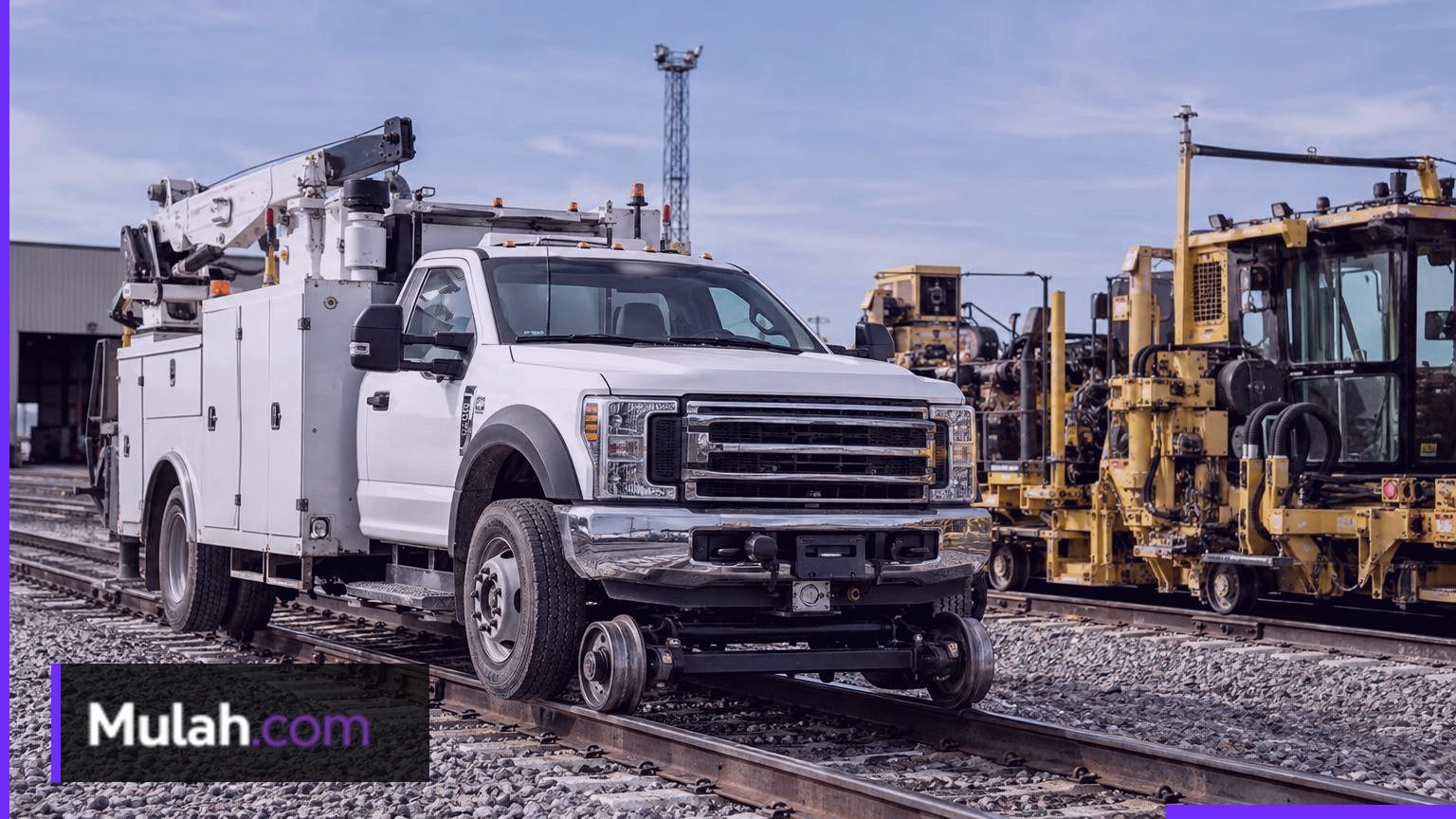
Before choosing a lender or lease, decide how the asset will pay its way. A tamper might generate billed production hours. A service truck earns its keep by keeping a crew productive. Both need an economic case, but the useful measures are different.
Estimate productive hours after travel, staging, maintenance, weather, and track-access restrictions. Then subtract fuel, operators, wear parts, insurance, transport, and a repair reserve. The remaining cash has to support the payment without borrowing from payroll.
This is where Mulah's funding discussion begins: the equipment, the work behind it, and what your business can afford. Approval and available terms are not assured; they reflect your business, the asset, and the provider's requirements. Not every funding structure discussed here is a conventional loan.
Two trucks with the same chassis can have very different working values. Rail gear, axle loading, crane capacity, hydraulic circuits, tool storage, and communications determine whether a unit fits your assignment. A reviewer needs to understand the installed configuration, especially when modifications account for much of the price.
Track contractors also buy against unusually rigid schedules. A planned outage cannot simply move because an upfitter is late. Leave room for installation, inspection, delivery, and customer acceptance before the deployment date. Funding availability and field readiness are separate milestones.
Your business model matters just as much. A terminal may need loaders, forklifts, conveyors, or railcar movers throughout the year. A surfacing contractor may have intense production periods followed by downtime. Carry those differences into the payment plan instead of applying one fleet-wide utilization assumption.
Small business loans are one route, not a single product. Choose according to the use of funds, repayment schedule, and cash your business retains after job expenses.
| Option | Often considered for | How to think about it |
|---|---|---|
| Term Funding or Term Loans | A defined purchase or expansion with a measurable benefit over time. | A lump sum repaid over an agreed term. Term loan details should include payment frequency, fees, collateral, and prepayment treatment. |
| Working Capital | Payroll, fuel, mobilization, or a temporary gap before customer collections. | Business funding sized to an operating need. Repayment should leave enough cash to perform the work that produces the expected collections. |
| Business Line of Credit | Repeated short-duration needs, including parts orders and field repairs. | Draws against an approved limit, subject to the agreement. Available credit, draw fees, and repayment rules can change the practical cost. |
| Equipment Financing or Leasing | Identifiable machinery, vehicles, inspection systems, and documented upfits. | A purchase-financing or lease arrangement tied to equipment. Ownership, collateral, maintenance duties, and end-of-term choices differ by contract. |
| SBA Financing | Eligible businesses planning equipment purchases or broader business investment. | SBA loans are lender-issued loans supported by a federal guarantee. Eligibility, documentation, and permitted uses follow the applicable program and lender requirements. |
| Revenue-Based Financing | Businesses with consistent revenue that can support the proposed collection schedule. | Revenue-based financing uses a revenue-linked funding structure. Examine how collections work, whether reconciliation applies, and the total amount owed. |
Ownership is easier to justify when a machine has sustained use across several customers or contracts. Permanent rail gear, custom hydraulics, and a service body built around your tools can also favor buying, provided the business can maintain the equipment and carry it between jobs.
A lease deserves attention when the expected need is shorter or replacement flexibility matters. But flexibility is contractual, not automatic. Usage limits, return condition, required maintenance, removal of modifications, and a final purchase amount can change the economics. A service-inclusive lease may cover some maintenance, but don't assume repairs are included.
Renting remains a useful benchmark for intermittent specialty work. Calculate the rental, delivery, and availability costs against ownership, including idle time. Have qualified tax and accounting advisers assess the treatment of any purchase or lease; tax considerations should support a sound operating decision, not rescue a weak one.
Older equipment can remain productive when parts and qualified technicians are available. Before committing, obtain maintenance records and an inspection suited to the asset. Rail wheels, brakes, hydraulics, undercarriages, structural components, and control systems deserve attention beyond a quick engine demonstration.
Separate immediate remediation from future maintenance. Tires, hoses, calibration, emissions repairs, or replacement safety hardware may be necessary before the first shift. Get written estimates and allow for the time those repairs take. A machine awaiting parts is still consuming cash.
Keep photographs, serial numbers, build sheets, and inspection findings together. They support the funding request and later resale. Treat residual value conservatively: unusual configurations may be highly useful to your crew but appeal to only a small pool of buyers.
Get transport quotes for the actual pickup and deployment locations. Oversize permits, lowboy transport, pilot vehicles, yard handling, and remote access can materially change delivered cost. If equipment will move among states, account for applicable registration, taxes, insurance territories, and transport requirements.
Coordinate the base seller and every upfitter. Specify who handles rail gear, hydraulics, lighting, radios, telematics, and acceptance testing. Put payment milestones beside completion milestones so you can see when cash leaves and when the finished unit becomes available.
Before dispatch, address operator qualifications, customer requirements, inspection records, and insurance. The Federal Railroad Administration's track and roadway-worker materials and OSHA's construction guidance are useful starting points, but the rules that apply turn on your work and equipment. Budget for training and compliance rather than treating them as last-minute paperwork.
The strongest file explains how your business works and where the payment money comes from. These six areas deserve attention before you apply.
Show the work your business has completed and the experience behind it. A newer contractor should explain management experience, available cash, and a realistic ramp-up plan.
Use bank activity and financial statements to show what remains after ordinary expenses. Explain seasonal lows, unusual deposits, and recent changes in margins.
List what you already owe, including equipment payments and other business funding. A new machine must fit alongside those payments, not replace them in the forecast.
Provide accurate ownership information and be ready to discuss business and owner credit when requested. Read any personal-guarantee requirement before accepting the obligation.
A verifiable vendor, clear ownership, credible price, and documented condition make the purchase easier to evaluate. Unresolved liens or incomplete upfit records create questions.
Explain customer concentration, cancellation rights, retainage, and payment approval. An awarded contract is useful evidence, but gross contract revenue is not cash available for debt payments.
Requirements vary by request. Assemble these records early so missing information doesn't interrupt a purchase already in motion.
Describe each use separately. The funding agreement determines which costs qualify; a complete project budget does not mean every expense belongs in the equipment financing.
Replace a high-hour machine or a unit with unreliable parts support. Include a trade-in only at a documented value, and allow for overlap if the old machine must keep working during delivery.
Account for deposits, transport, lodging, site setup, initial materials, and crew onboarding. Tie the operating cash request to the period before approved invoices are collected.
Add a second machine, attachment, or backup unit when scheduling conflicts are costing work. Show the additional productive hours rather than assuming every new machine will run full time.
Budget for geometry measurement, ultrasonic testing, cameras, rugged computing, or telematics with a specific job purpose. Include installation, training, software costs, and integration with existing systems.
Price engines, transmissions, hydraulics, rail gear, or control-system work against replacement. Consider remaining service life and repair downtime, not just the difference between two invoices.
Protect cash for payroll, fuel, insurance, parts, and slower collections. Borrowed reserves have a cost, so distinguish a temporary shortfall from an ongoing business that spends more than it earns.
These operating situations illustrate the tradeoffs. They are planning examples, not customer results or promises of funding.
You have recurring maintenance work and need a dedicated service truck. Document the chassis and upfit separately, then test whether the payment still fits if one customer reduces its work.
A short outage requires equipment your fleet rarely uses. Rental may cost more per day but avoid years of carrying an idle asset. Ownership needs a credible pipeline beyond that assignment.
A loader or railcar mover could relieve a bottleneck without producing a separate equipment invoice. Support the purchase with measurable throughput or labor savings and a maintenance plan.
The purchase price is attractive, but inspection reveals work before deployment. Add repairs, delivery, and downtime to the price before deciding how much cash the acquisition really saves.
Your fleet is adequate, but payroll comes due before customers pay. Operating funding or eligible receivables financing addresses that gap more directly than another equipment purchase.
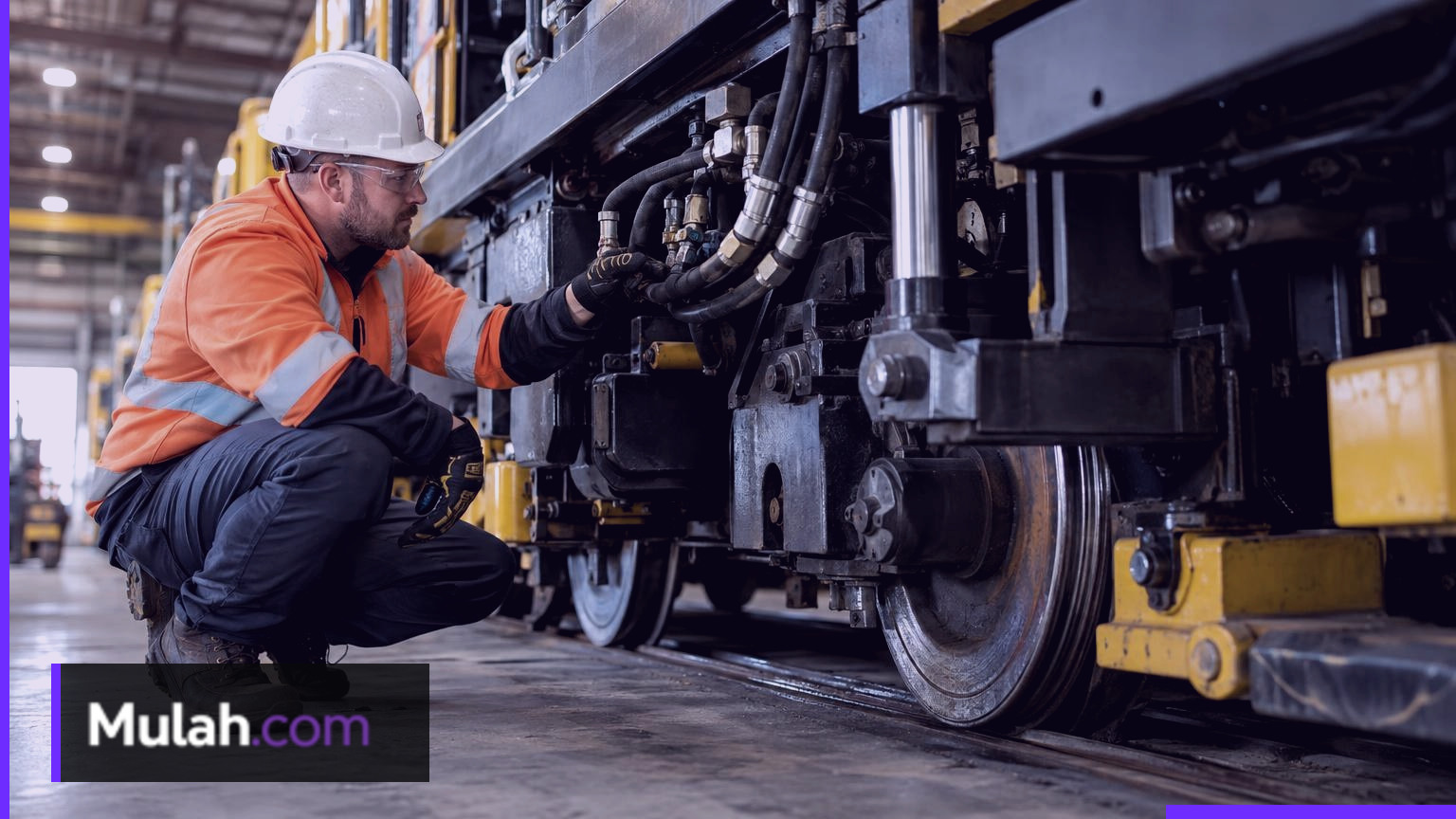
An equipment purchase and a mobilization shortfall can arrive together. You might owe a truck deposit while also paying for lodging, fuel, insurance, and the first payroll on a new contract. Combining everything into one unexplained request makes the real need harder to assess.
Separate the asset budget from the operating budget. The first includes the machine and documented deployment costs. The second tracks when you pay your suppliers and crews, when you submit invoices, and when customers actually pay. Different structures may suit each budget.
Avoid using short-duration operating funding to make a long-lived machine appear affordable. If the equipment cannot support its payment under ordinary utilization, another layer of debt rarely fixes the underlying problem.
The largest cash gap may occur before the machine earns anything. Map these stages against your available cash and existing payment commitments.
Get a written quote showing the asset, included attachments, payment milestones, and refund terms. For a multi-vendor build, separate the chassis payment from rail-gear installation and other upfits.
Allow for inspection, transport, repairs, calibration, and operator orientation. A low purchase price loses its appeal if commissioning absorbs the money reserved for the first month of work.
Fuel, lodging, payroll, permits, and yard setup may be due before you can bill. Build that interval into the cash forecast instead of assuming the equipment proceeds cover it.
Invoice approval, disputed quantities, retainage, and subcontract terms can delay collections. Use the customer's actual payment pattern when available, not simply the due date printed on an invoice.
Storage, insurance, preventive maintenance, and financing costs remain when the asset is idle. Reserve enough cash for seasonal gaps and the time needed to move into the next assignment.
Give the asset and the operating cash gap their own place in your plan. These four paths address different parts of the request.
For an identifiable truck, machine, or system, equipment financing and leasing ties the discussion to its price, useful life, and resale market. Read the ownership and end-of-term terms closely.
Working capital funding addresses operating expenses such as payroll, fuel, and mobilization. Size it around the collection gap and the cash available to repay it, not the maximum offered.
A business line of credit can suit recurring parts purchases or temporary payment gaps. Check draw costs, repayment requirements, renewal conditions, and what happens if access is reduced.
Accounts receivable financing connects funding to eligible invoices. Customer credit, acceptance, offsets, retainage, and assignment restrictions matter. Unbilled work is not the same as an approved receivable.
Related Mulah resources include working capital funding, business lines of credit, equipment financing and leasing, term funding, SBA loans, revenue-based financing, startup funding, accounts receivable financing, and the business funding calculator.
A manageable monthly figure can still hide an expensive or impractical commitment. Give these terms the same attention as the payment.
Add the deposit, scheduled payments, fees, and any final purchase amount. Check prepayment treatment. Paying early does not necessarily remove all remaining financing charges.
Understand liens, personal guarantees, insurance duties, maintenance requirements, and restrictions on modifications or relocation. Your contract work may require flexibility the agreement does not automatically allow.
For a lease, price the return, renewal, and purchase choices. For financed equipment, consider payoff and resale together. A specialized upfit can cost considerably more to install than a buyer will pay for it later.
The amount that looks attractive on an offer is not always the amount that makes sense to take. Tie the request to a real expense, a realistic payoff period, and the cash the business can still live on if a customer pays late or a strong month comes in softer than expected.
Mulah helps you organize the request around the asset, vendor, deployment schedule, and business finances. That keeps equipment-specific funding and operating capital in the same conversation without treating them as interchangeable.
Use the business funding calculator as an educational planning checkpoint, not a quote. Test lower utilization and slower collections alongside your expected case. Then check your funding options with a clear amount, purpose, and supporting quote.
A useful request tells one consistent story. The quote, work schedule, and financial records should explain the same purchase and the same source of repayment.
State what you're buying, why you need it, when it must be ready, and how it contributes to revenue. Include the next likely assignment, not just the first contract.
Bring the vendor quote, specifications, inspection information, complete project budget, and requested business records. Explain unusual deposits, seasonal revenue, and current equipment payments rather than leaving reviewers to guess.
Check payment frequency, fees, guarantees, collateral, prepayment rules, and end-of-term costs. When ready, submit a full application with the supporting details.
Provide the business and financial information needed for a funding review.
Start with a shorter path when you want to discuss the business need before completing the full application.
Review official SBA information about federal small-business loan programs and lender participation.
Official guidance on financial management, cash flow, bookkeeping, and business planning.
Use the official source for current program, regulatory, or business guidance related to this topic.
Use the official source for current program, regulatory, or business guidance related to this topic.
Requests can include tampers, ballast regulators, tie handlers, hi-rail trucks, excavators with rail gear, material handlers, railcar movers, mobile welding units, generators, and inspection systems. Provide enough detail to distinguish the base machine from its attachments and specialized configuration.
Used assets can be considered. Age alone doesn't tell the whole story: condition, hours, maintenance, parts availability, remaining useful life, and price matter. An independent inspection is especially valuable when the machine is unfamiliar to your shop.
Documented upfits can be part of the project presented for funding. Supply the base-vehicle quote, installer proposal, specifications, and completion milestones. Get a clear answer on which costs the proposed agreement covers before paying deposits.
Buying is often worth considering for sustained use and permanent customization. Leasing requires a close look at modification permissions, usage limits, maintenance duties, and return conditions. Put the complete cash costs side by side, including any final purchase payment.
Equipment financing generally centers on the asset. Payroll, fuel, and other operating expenses belong in a separate cash-flow budget and may require another structure. Keep those needs visible so the purchase doesn't consume the money required to put the equipment to work.
No. A contract supports the business case, but cancellation rights, payment conditions, job costs, and customer concentration affect its value. Your current cash flow, credit, existing debt, and the equipment itself remain important.
Yes, but limited operating history can narrow the options. Your industry experience, capitalization, owner credit, contracts, and budget deserve particular attention. Mulah's startup business funding guide provides broader context for that discussion.
A bank evaluates your request against its own lending standards and products. A marketplace process considers available funding paths for your profile. Neither is automatically cheaper or better. Judge the actual offer, documentation requirements, collateral, and total cost rather than the channel alone.
Eligible railroad-support businesses can consider SBA-backed lending for qualifying uses. The applicable program and participating lender determine eligibility and structure. A federal guarantee supports the lender; it does not remove your responsibility to repay the loan.
Eligible invoices can support receivables-based funding. Check customer acceptance, assignment terms, retainage, offsets, fees, and recourse provisions. An invoice for completed, accepted work is different from projected revenue on a purchase order.
Have an appropriately qualified inspector assess the components relevant to its work. Obtain service records, serial numbers, build sheets, and repair estimates. Verify that your technicians can obtain parts and support before committing to an unfamiliar model.
Equipment commonly secures its financing. Other collateral or a personal guarantee may also be required. Read the security agreement to understand which assets are covered, and get professional advice if the lien language or guarantee is unclear.
Build a month-by-month cash forecast using realistic access windows, weather exposure, and collection timing. Include idle-month insurance, storage, maintenance, and debt payments. Don't assume a seasonal payment schedule is available unless it appears in the actual agreement.
Finish the delivered-cost budget and test a downside case with fewer productive hours or delayed collections. Gather the quote, business records, current debt schedule, and deployment plan. You should be able to explain both why the equipment is needed and how you'll carry it between jobs.
Start with the need, the amount, and the timing. Mulah can help you review possible business funding options before you decide whether to move forward.
Call 877-816-8524