Operating History
Show how long the business has operated and explain ownership changes. A new territory needs projections and relevant experience rather than financial history it doesn't yet have.
Your next service van won't earn revenue without a technician, stocked shelves, and enough booked work. One Hour HVAC Franchise Business Loans and Funding should account for that whole picture. If you're considering small business loans for a launch, acquisition, or expansion, Mulah helps you put the request in context: what the money buys, when it starts producing cash, and what your business can afford to repay.

An HVAC franchise needs money before the customer sees a technician. You pay for vehicles, tools, dispatch systems, insurance, recruiting, and local marketing while building the schedule that will support those costs. Even a profitable location can face a cash squeeze when equipment purchases and payroll come ahead of customer collections.
The right request connects spending to a measurable operating result. Another van should support another productive technician. A warehouse expansion should solve a storage or installation bottleneck. An acquisition needs enough cash after closing to keep employees paid and suppliers current.
Mulah is an independent business-funding resource, not an affiliate, sponsor, or endorsed provider of One Hour Heating & Air Conditioning or Authority Brands. Use the franchisor's current disclosure documents and professional advisers for franchise fees, territory rights, standards, and approval requirements.
One Hour Heating & Air Conditioning locations are locally owned and operated within a national franchise system. Your results still rest on local execution: answering calls, scheduling efficiently, completing repairs, managing installation quality, and retaining capable technicians. Brand recognition doesn't remove those operating demands.
Revenue mix changes the funding need. Service and diagnostic visits typically have different purchasing requirements from system replacements. Maintenance agreements can create ongoing customer relationships, but service commitments still require labor and scheduling capacity. Use your actual margins by job type when projecting what expansion will earn.
Territory size alone is a weak guide to investment. Drive times, housing stock, heating and cooling needs, licensing requirements, and the local hiring pool all affect how much work a crew can complete. Build your assumptions from local quotes and operating evidence rather than another franchisee's results.
When you research small business loans, you'll also encounter leases and sales-based arrangements that aren't conventional loans. A traditional bank usually works within its own product and underwriting rules; a marketplace approach can introduce different structures. Neither route removes the need to understand cost and payment terms. Availability, approval, pricing, timing, and eligible uses are subject to the provider's underwriting, your business profile, and documentation.
| Option | Often considered for | How to think about it |
|---|---|---|
| Term Loans or Term Funding | A budgeted acquisition, facility project, or expansion with a clear repayment source. | A lump sum repaid over a defined period. Payment frequency, collateral, guarantees, fees, and early-payoff treatment vary. Match the repayment period to how long the investment should benefit your business. |
| Working Capital Funding | Seasonal parts purchases, a measured payroll ramp, or a temporary gap before collections. | A broad category rather than one standard product. Funds support operating expenses, but repayment terms can differ substantially. Tie the amount to a forecasted cash gap and a credible repayment source. |
| Business Line of Credit | Recurring short-duration needs where the amount and timing change. | Draw against an approved limit under the agreement's terms. Interest, draw fees, renewal conditions, and repayment schedules require attention. See the [business line of credit guide](https://mulah.com/business-line-of-credit/) before treating access as permanent. |
| Equipment Financing or Leasing | Eligible vans, installation equipment, and durable diagnostic tools. | Financing is tied to specified assets. Ownership, down payments, collateral, and end-of-term obligations differ between loans and leases. Budget installation and upfit expenses separately if they aren't included. |
| SBA Loans | Eligible acquisitions, startup projects, equipment, or working capital with sufficient documentation. | Participating lenders make loans under SBA program rules. Eligibility, equity contributions, guarantees, and permitted uses require a detailed review. Read the [SBA financing guide](https://mulah.com/sba-loans-by-mulah/) while planning the transaction timeline. |
| Revenue-Based Financing | Operating businesses with sales history and cash flow suited to the remittance terms. | Payment or remittance arrangements are linked to revenue under the contract, sometimes with frequent withdrawals and reconciliation provisions. The [revenue-based financing guide](https://mulah.com/revenue-based-financing/) explains why total cost and withdrawal mechanics matter. |
A service van needs shelving, secure storage, ladder racks, communications, graphics, and the tools appropriate to its assignments. Refrigerant recovery equipment, vacuum pumps, meters, leak detectors, and safety supplies can add meaningful costs. Installation crews may also need trailers, lifting aids, and greater material capacity.
Build the budget by vehicle. Include delivery, registration, insurance, upfit time, opening stock, and a repair reserve. Then set a realistic in-service date. A financed van waiting for graphics or an available technician produces no revenue while its costs continue.
For an older fleet, prioritize reliability rather than replacing every unit at once. Maintenance history, mileage, downtime, and rental costs give you a stronger replacement case than appearance alone. Repayment shouldn't materially outlast a vehicle's expected productive service.
Recruiting expenses begin before the first paycheck. Advertising, screening, training, uniforms, benefits, payroll taxes, and vehicle allocation all belong in the hiring budget. An apprentice also requires supervision, which can temporarily reduce an experienced technician's available field time.
Tie the position to a specific constraint. Another dispatcher might improve call handling without adding a service truck. An installer could relieve a replacement backlog, while another technician might sit idle if call volume is weak. Use booked work, completed calls, and gross profit to support the choice.
Test a slower ramp and include peak-season overtime. Protect the people you already have, too. Safe equipment, organized trucks, training, and workable schedules preserve an investment that recruiting alone cannot quickly replace.
For a franchise resale, separate the purchase price from post-close cash needs. Investigate vehicle condition, maintenance agreements, employee retention, leases, customer concentration, outstanding warranties, and open work. Normalized earnings should reflect the expenses you will actually carry, including any replacement for the seller's labor.
An independent HVAC company converting to the brand faces a different budget. Vehicle graphics, software, training, uniforms, facility changes, and a marketing relaunch can overlap with normal operating bills. Schedule the transition so existing customers still receive service and technicians aren't pulled away all at once.
A second territory adds management demands as well as revenue potential. Dispatch coverage, warehouse support, travel, and supervision can become bottlenecks. Fund the support needed to run the additional location, not just the visible trucks and signs.
Providers need evidence that your business can carry the proposed arrangement. These six areas explain more than a requested dollar amount.
Show how long the business has operated and explain ownership changes. A new territory needs projections and relevant experience rather than financial history it doesn't yet have.
Use actual collections and expenses, including owner compensation, taxes, and franchise costs. Strong sales don't settle the question if little cash remains after the work is completed.
Business and owner credit can influence available options. Explain resolved problems accurately, and don't assume a strong franchise brand substitutes for your own financial record.
List loans, leases, credit lines, and other commercial funding agreements. Include payment frequency and balances so another payment isn't evaluated in isolation.
Document cash you are contributing and assets relevant to the request. Keep pledged collateral, available cash, and money needed for the operating reserve clearly separated.
Know what requires franchisor, landlord, seller, or licensing approval. Funding can't make an otherwise unready location operational, and transaction deadlines should reflect that.
Requirements differ by product and transaction. Gather these records early, then supply the versions requested rather than sending unrelated paperwork.
A useful budget explains what the spending changes. Keep durable investments separate from expenses that will recur next month.
Vehicles, upfits, diagnostic tools, and installation equipment should support a defined crew or replace unreliable assets. Include the costs required to put each purchase into service.
Stock common repair items and equipment for scheduled work without tying up excessive cash in slow-moving inventory. Use parts usage and upcoming jobs to support quantities.
Budget recruiting, onboarding, payroll ramp, and supervision. State when the position should become productive and what happens if hiring takes longer.
Local marketing, call tracking, field-service software, and dispatch capacity should address a documented need. Track completed profitable work rather than treating more leads as the final result.
Office, warehouse, training space, signage, and conversion expenses need quotes and responsibility assignments. Separate landlord-funded improvements from work your business must pay for.
Keep eligible transaction costs distinct from cash needed after closing. A reserve should support a realistic transition or seasonal gap, not conceal recurring losses.
These planning situations aren't customer results. Use them to test your own budget and decide what should happen next.
Move the hiring date back in your forecast and carry the vehicle costs without added revenue. If cash becomes too tight, coordinate delivery with recruiting or defer the purchase.
Map equipment payments against customer receipts job by job. If you have eligible commercial invoices, [accounts-receivable financing](https://mulah.com/accounts-receivable-financing/) could merit attention. It isn't a substitute for collecting ordinary residential bills promptly.
Lower expected service revenue without assuming every expense falls with it. Check that debt payments still leave enough for essential staffing, insurance, taxes, and existing service commitments.
Add required vehicle and equipment repairs to the transaction budget before closing. Decide whether the purchase price, your contribution, or the financing request must change.
Budget management time, dispatch support, and travel before counting the second territory's full revenue. Expansion should not weaken service at the location already paying your bills.

A replacement truck, a technician hire, and a marketing campaign might each make sense. Funding all three at once changes the risk. The truck payment begins immediately, recruiting may take longer than planned, and advertising can generate calls before you have the staff to serve them.
Put the expenses on a calendar. Show when deposits are due, when employees begin work, and when you reasonably expect customers to pay. Separate the costs you can delay from those required to keep the business running. This reveals the cash gap more clearly than a single project total.
Keep a reserve outside the purchase budget. A van repair, installation callback, or delayed closing shouldn't force you to borrow again immediately. If the reserve disappears when you add the proposed payment, reduce the first phase or reconsider the timing.
Weather changes demand, but your cash forecast should also account for purchasing, staffing, and collection timing. Plan around these five points in the operating cycle.
Preseason maintenance, recruiting, training, and parts purchases often come before higher receipts. Use vendor quotes and payroll dates to calculate the gap rather than assuming last year's busiest month will repeat.
A full schedule can bring overtime, rushed purchasing, and more callbacks. Watch completed jobs and gross profit, not just booked calls. Borrowing to handle extra work makes sense only if the work leaves cash after direct costs.
Replacement jobs can require substantial equipment outlays before final payment. Map supplier terms against deposits, installation dates, and customer payment arrangements so a growing backlog doesn't quietly drain your bank balance.
Maintenance agreements and planned service can support demand, but don't treat them as guaranteed cash. Model fewer emergency calls while retaining realistic payroll, rent, insurance, franchise payments, and tax expenses.
Inspect aging vans, analyze callbacks, and examine parts usage before the next peak. Repeated borrowing for the same seasonal shortfall deserves attention: the problem could be pricing, staffing, or spending rather than a temporary timing gap.
These are different decisions, not interchangeable ways to obtain the same money. The purchase, its useful life, and your cash forecast should lead the choice.
An acquisition contribution, facility improvement, or systems rollout can suit [term funding](https://mulah.com/term-loan/). Look beyond the scheduled payment to total repayment, fees, security requirements, and any conditions on early payoff.
For a documented gap between spending and collections, consider [working capital funding](https://mulah.com/working-capital-loans/). Name the source that will repay it. Future busy-season sales aren't a sufficient plan if ordinary expenses will absorb those receipts.
A van or major tool purchase may fit [equipment financing or leasing](https://mulah.com/equipment-financing-and-leasing/). Separate consumable truck stock from durable assets, and account for lease-end terms, insurance, maintenance, and any purchase option.
A new territory calls for a full [startup funding plan](https://mulah.com/startup-business-loans/), including your contribution and launch reserves. Don't assume products built around existing business deposits will be available before the location has customers and revenue.
Related Mulah resources include working capital funding, business lines of credit, equipment financing and leasing, term funding, SBA loans, revenue-based financing, startup funding, accounts receivable financing, and the business funding calculator.
The headline amount tells you little about affordability. Read the agreement alongside your cash forecast.
Daily or weekly withdrawals affect available cash differently from monthly payments. Place the actual withdrawal schedule beside payroll, supplier payments, and expected customer receipts.
An interest rate, factor rate, and fixed fee aren't interchangeable. Get the net proceeds, total repayment, fees, and payoff terms in writing before judging competing offers.
Understand personal guarantees, collateral, liens, and restrictions on additional borrowing. A funding agreement that consumes available collateral could complicate a later vehicle purchase or acquisition.
The amount that looks attractive on an offer is not always the amount that makes sense to take. Tie the request to a real expense, a realistic payoff period, and the cash the business can still live on if a customer pays late or a strong month comes in softer than expected.
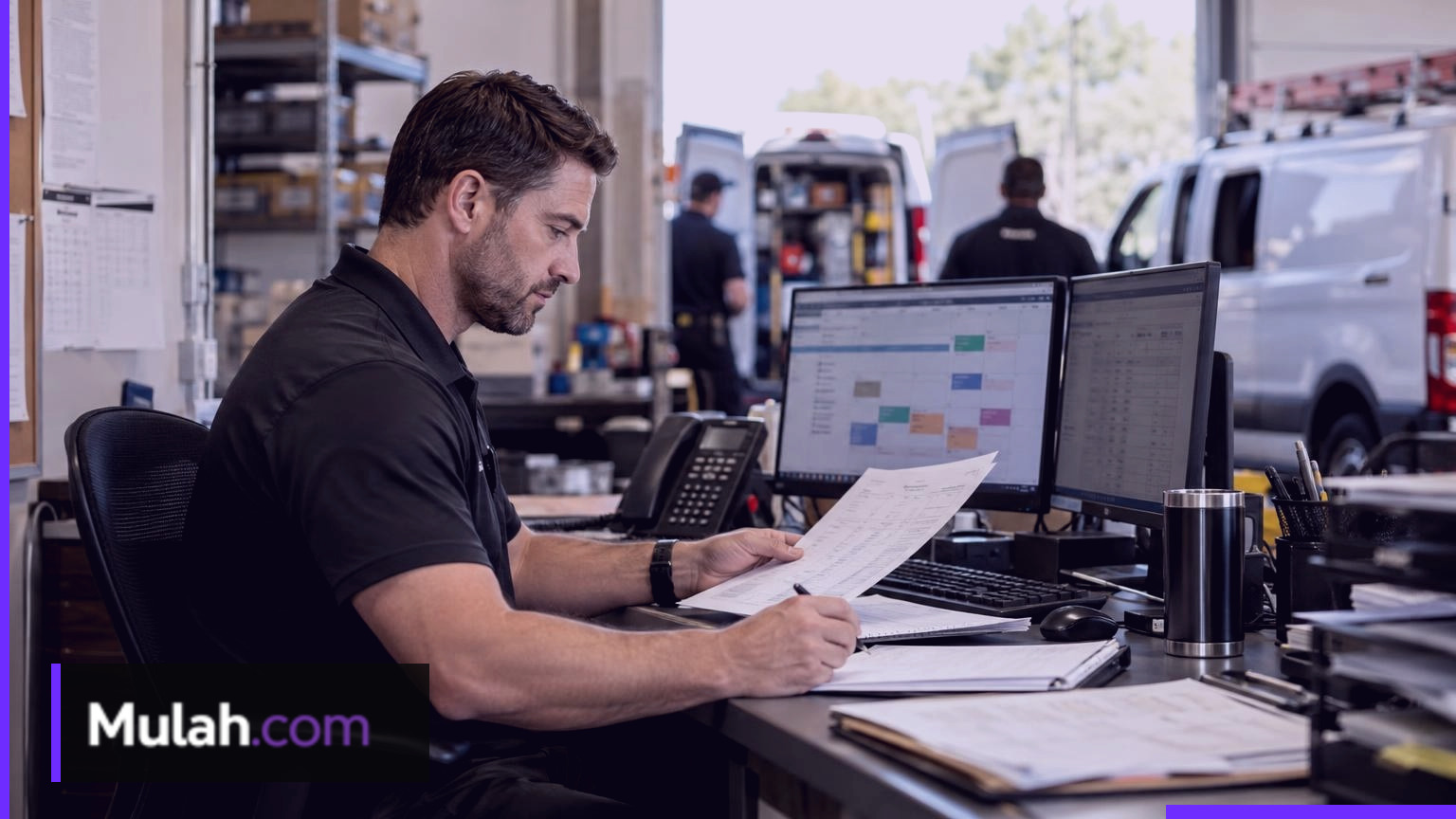
Mulah helps you frame the request around the business decision: buying a location, adding field capacity, converting an existing company, or bridging a seasonal cash gap. The goal is to make different commercial structures understandable without presenting them all as the same kind of bank loan.
Use the [Business Funding Calculator](https://mulah.com/business-funding-calculator/) to test payment assumptions, not as a quote or approval. When your budget is ready, [check your funding options](https://mulah.com/get-fast-business-funding-from-mulah/). Bring the intended use, what you already owe, and a clear view of what you can afford in a slower month.
You don't need a polished presentation to begin, but you do need a request that adds up. Organize the operating plan before submitting a [full application](https://mulah.com/application/).
List each expense, its due date, and the funding source. Show your cash contribution, any seller or landlord contribution, financing proceeds, and the reserve remaining after completion.
Gather current financials, bank statements, debt information, and relevant franchise or purchase documents. Explain unusual months, owner transfers, and one-time costs so the numbers tell a coherent story.
Put the proposed payment into a slower-month forecast. After funding, track spending against the budget and check whether hiring, vehicle deployment, or transition milestones are producing the expected results.
Provide the business and financial information needed for a funding review.
Start with a shorter path when you want to discuss the business need before completing the full application.
Review official SBA information about federal small-business loan programs and lender participation.
Official guidance on financial management, cash flow, bookkeeping, and business planning.
Use the official source for current program, regulatory, or business guidance related to this topic.
Use the official source for current program, regulatory, or business guidance related to this topic.
Some structures allow eligible franchise startup or acquisition costs. Check the agreement's use-of-funds rules before committing. Your budget should also cover vehicles, insurance, staffing, tools, marketing, and enough cash to operate after launch.
You can seek startup financing, but new businesses have different options from companies with revenue history. Expect questions about your experience, cash contribution, projections, and launch budget. Franchisor approval remains separate.
Include rebranding, vehicle graphics, technology changes, training, uniforms, facility work, and transition marketing. Keep those one-time costs separate from the payroll and supplier payments required to continue serving current customers.
Some arrangements accommodate both the vehicle and eligible upfit costs. Get an itemized quote covering shelving, racks, communications, graphics, and installation. Parts inventory and small tools might need separate treatment.
A defined long-lived purchase often fits term financing better. A credit line is more relevant to recurring short-term gaps. The key question is when the spending produces cash and when you can realistically repay it.
Eligible franchise acquisitions can qualify for SBA-backed lending through participating lenders. The business, buyer, transaction, and franchise arrangements must meet current requirements. Build time for documentation and underwriting into your purchase plans.
Calculate the largest projected cash shortfall in a rolling forecast, then account for a reasonable reserve. Include current debt, taxes, and franchise payments. Don't use peak-season revenue alone to justify the amount.
Current financial statements, bank statements, a debt schedule, ownership information, and a detailed budget are central. Fleet records, technician capacity, maintenance-plan data, and explanations of unusual months add useful operating context.
Investigate normalized earnings, leases, asset condition, employee retention, maintenance agreements, warranties, and liabilities. Have your advisers examine the purchase terms and keep a distinct reserve for post-close operating needs.
Eligible working capital can cover these expenses under some agreements. Build the request around a hiring plan with a realistic productivity ramp. Payroll borrowing is risky when the additional work isn't there to support the employee.
Not necessarily. The contract determines the structure and your obligations. Read how remittances are calculated, when withdrawals occur, whether reconciliation is available, and what happens if sales fall.
Invoice financing is unlikely to address a gap if you don't have eligible unpaid receivables. Focus instead on supplier timing, inventory, staffing costs, and the interval between buying installation equipment and collecting customer payment.
No. Don't commit to a purchase or closing based on an assumed approval, amount, rate, or disbursement date. Obtain the actual offer and understand its conditions before relying on the proceeds.
The SBA publishes current federal lending program information, and the EPA explains Section 608 refrigerant requirements. For franchise terms, use current franchisor documents. State and local authorities govern applicable contractor licensing and permitting.
Start with the need, the amount, and the timing. Mulah can help you review possible business funding options before you decide whether to move forward.
Call 877-816-8524