Business History
Explain how long you've operated and which services produce revenue today. A new service within an experienced company is different from a business with no operating history.
A new jetter should earn its payment without leaving you short on payroll, fuel, or repairs. Jetting equipment financing and leasing can spread the purchase cost across scheduled payments, while small business loans may address broader business expenses. Mulah helps you put the equipment quote in context: the work you expect, the cash you need to keep, and the obligations you're prepared to take on.
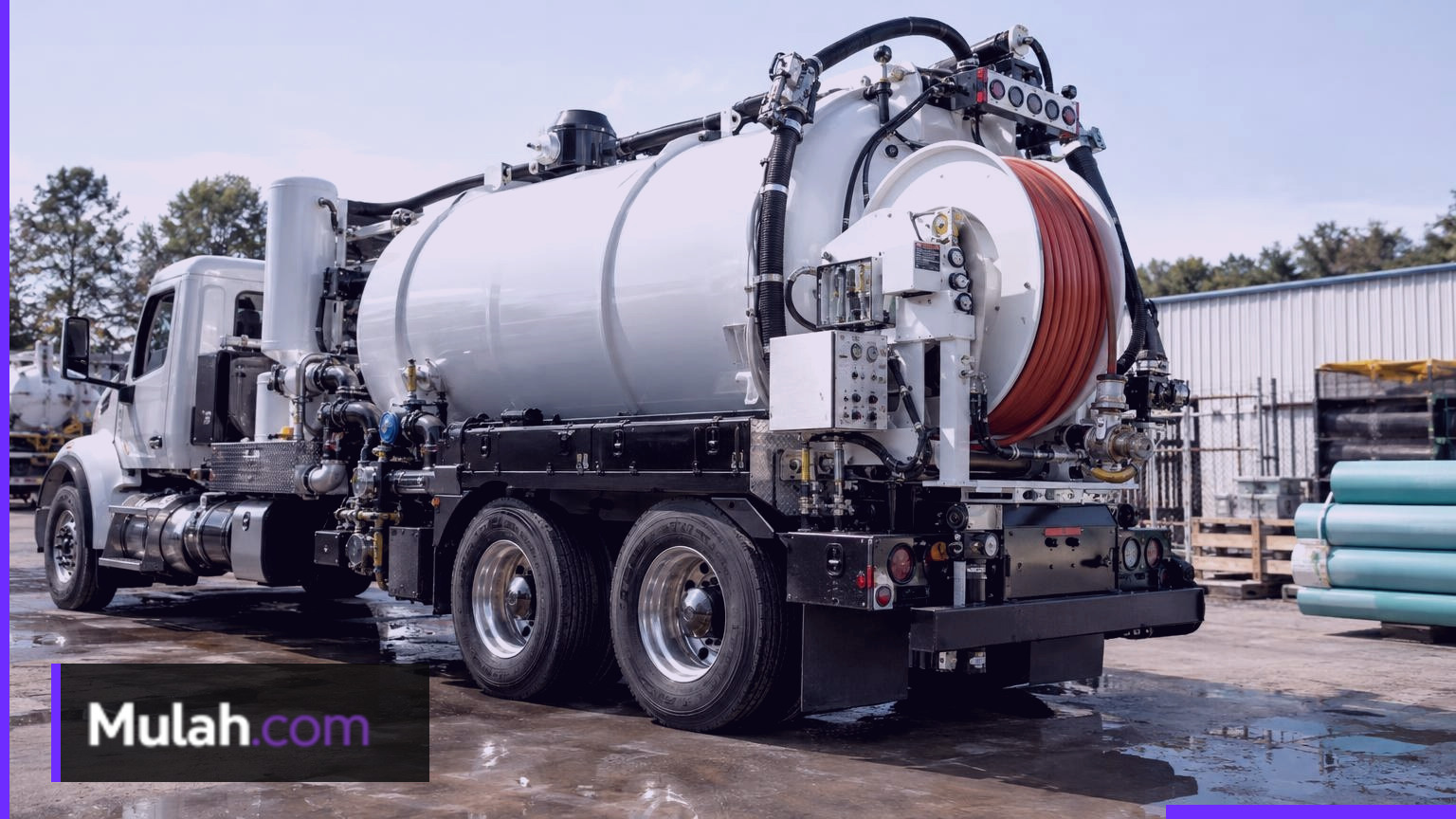
A compact trailer jetter that keeps drain work in-house is a different investment from a combination sewer cleaner assigned to municipal contracts. One earns through frequent service calls; the other may require specialized crews, disposal arrangements, and longer collection cycles. Your funding request should reflect that difference.
Put a realistic workload behind the purchase. Recurring grease-line maintenance, historical emergency calls, and signed sewer-cleaning work carry more weight in your own planning than a broad estimate of local demand. Account for travel, setup, refilling, cleanup, and days when the machine won't be billable.
Then calculate what remains after wages, fuel, water, disposal, maintenance, insurance, and overhead. Revenue alone doesn't tell you what you can afford. A useful equipment purchase produces enough margin to carry its payment and still contribute to the rest of your business.
A headline PSI rating doesn't tell you whether a jetter suits your work. Pressure supports cutting and penetration; flow carries loosened material through the line. Hose diameter, nozzle selection, pipe condition, and water capacity affect the result. Request a demonstration that resembles the pipe sizes and deposits your crews encounter.
Access can settle the platform choice before financing enters the conversation. A trailer needs a suitable tow vehicle and room to park. A truck-mounted unit needs sufficient payload and axle capacity. Indoor access, long hose runs, refill locations, freezing conditions, and weight restrictions can all limit useful output.
Write down ten representative jobs, including hose distance, water access, debris, and disposal requirements. Take that list to vendors. It gives you a better purchasing standard than the largest pump you can finance and exposes accessories that should be included in the original quote.
When you're considering small business loans, don't assume every offer is a conventional loan. Match the structure to the expense and examine the complete cost. Availability, approval, pricing, timing, and terms require provider review; this page isn't an offer or a promise of funding.
| Option | Often considered for | How to think about it |
|---|---|---|
| Term Funding Or Term Loans | A defined expansion budget with costs extending beyond one asset. | An upfront amount repaid on a set schedule. Check payment frequency, fees, collateral, and whether paying early reduces the cost. |
| Working Capital | Payroll, fuel, training, insurance, and collection gaps around deployment. | A funding purpose rather than one universal product. The offer determines repayment mechanics and what the money can be used for. |
| Business Line Of Credit | Repeated short-term needs such as parts or seasonal cash gaps. | Draws against an approved limit, subject to the agreement. Available credit, charges, repayment rules, and renewals require attention. |
| Equipment Financing Or Leasing | An identified jetter, truck, trailer, pump, camera, or documented package. | Asset-focused financing or a lease with specific ownership provisions. Examine liens, maintenance duties, purchase options, and return requirements. |
| SBA Financing | Eligible businesses pursuing equipment or broader expansion through a participating lender. | Government-guaranteed lending, not a grant. Program rules, lender underwriting, documentation, and transaction details govern the request. |
| Revenue-Based Financing | Businesses evaluating funding tied to sales or receipts rather than an equipment-only request. | Repayment or remittance mechanics vary by contract. Examine collection frequency, reconciliation provisions where applicable, total cost, and existing payment commitments. |
If you expect to maintain a jetter for years, ownership may be the more natural fit. Equipment financing lets you assess the purchase against its expected working life, repair costs, and resale value. Don't count on a particular resale price to make the payment affordable.
A lease warrants a closer look when your replacement schedule is shorter or your equipment needs are changing. But flexibility has to be in the contract. End-of-term purchase prices, return freight, wear standards, usage limits, and extension provisions can materially affect what you ultimately spend.
Request a written accounting of payments and end-of-term choices under each proposal. Include insurance, taxes, and maintenance obligations. Have qualified tax and legal advisers address treatment and contract questions; the word lease alone doesn't determine the accounting or tax result.
A used jetter combines several wear histories. Pump hours may tell a different story from chassis mileage. Request service records, repair invoices, and information about freeze exposure. Inspect tanks, reels, hoses, controls, hydraulics, and power-takeoff components, not just the engine.
For a truck-mounted unit, examine payload, axle ratings, emissions systems, and service access. Combination sewer cleaners add vacuum and debris-handling components that deserve specialist attention. An independent inspection is especially valuable when a major repair could erase the savings over a newer machine.
Check parts support before agreeing to buy. An unusual pump or obsolete control system can create long downtime even when the purchase price looks attractive. Give the funding provider accurate seller information and equipment identification, and resolve title or lien questions before closing.
Set aside money for operator training, pressure-rated components, protective equipment, traffic control, lighting, and daily inspections. Sewer work also requires a clear distinction between surface tasks and work involving confined-space entry. OSHA's confined-spaces guidance is an authoritative starting point for understanding that hazard.
Your service process needs records as well as tools. Cameras, locators, recording systems, and reporting software can document conditions before and after cleaning. Include the time to produce customer reports in your pricing, particularly when documentation is required before an invoice gets approved.
Give maintenance an owner and a schedule. Track engine and pump hours, follow manufacturer service instructions, and put winterization procedures in writing. These habits protect uptime and support a better-informed resale discussion when you eventually replace the unit.
There isn't one universal credit score, revenue threshold, or down payment for every jetting-equipment request. Expect the business and the asset to be evaluated together.
Explain how long you've operated and which services produce revenue today. A new service within an experienced company is different from a business with no operating history.
Show normal deposits, seasonality, and collection patterns. Explain unusual months so the financial records aren't left to tell an incomplete story.
List what you already owe, including payment frequency and liens. Several small automatic withdrawals can create a larger cash burden than their individual amounts suggest.
Provide the model, age, condition, price, seller, and intended use. Older or specialized assets can raise valuation and useful-life questions.
Be prepared to supply ownership details and information needed for credit review. Read any personal-guaranty requirement rather than assuming the equipment is the only exposure.
Know what you can contribute without exhausting reserves. Money available for a down payment isn't necessarily money your business can safely spare.
Requirements vary, but these records provide a practical starting point. Use the requested submission method and keep sensitive information out of ordinary email when a secure channel is available.
Not every expense fits an equipment agreement. Itemize the project first, then determine which costs belong in the asset transaction and which need another source of cash.
Trailer and skid jetters, truck-mounted units, combination sewer cleaners, pumps, and water tanks form the main purchase.
Freight, mounting, power takeoff, controls, cabinetry, hose routing, and dealer preparation can materially change the delivered cost.
Cameras, locators, reels, spare hose, nozzle sets, guides, and fittings complete the package crews actually use.
Vendor instruction, protective equipment, traffic-control supplies, and nonbillable practice need a place in the launch budget.
Pump rebuilds, tank repairs, reel replacement, chassis work, or control upgrades deserve a repair-versus-replacement calculation.
Payroll, fuel, water, disposal, insurance, and delayed collections require an appropriate funding structure or cash reserve.
These are planning situations, not customer results. Use the one closest to your purchase to test what belongs in the request.
If you're referring jetting calls elsewhere, a compact trailer may capture work you already see. Measure the retained margin against towing, storage, staffing, and the payment. Don't treat every referred call as a future booking.
Vacuum capability expands the service scope but also raises acquisition, disposal, and maintenance costs. Secure the crew plan and understand contract collection terms before sizing the equipment payment.
Document repair spending and missed billable time. Replacement may be justified without a sales increase, but allow for trade-in timing and any balance still owed on the old machine.
A second jetter needs operators, dispatch capacity, and enough overlapping demand to justify it. Include hiring and ramp-up costs instead of assuming the new unit immediately matches the first unit's utilization.
If completed work produces eligible receivables, accounts-receivable financing may warrant a separate discussion. Customer eligibility, fees, and collection arrangements matter; it isn't a substitute for profitable pricing.
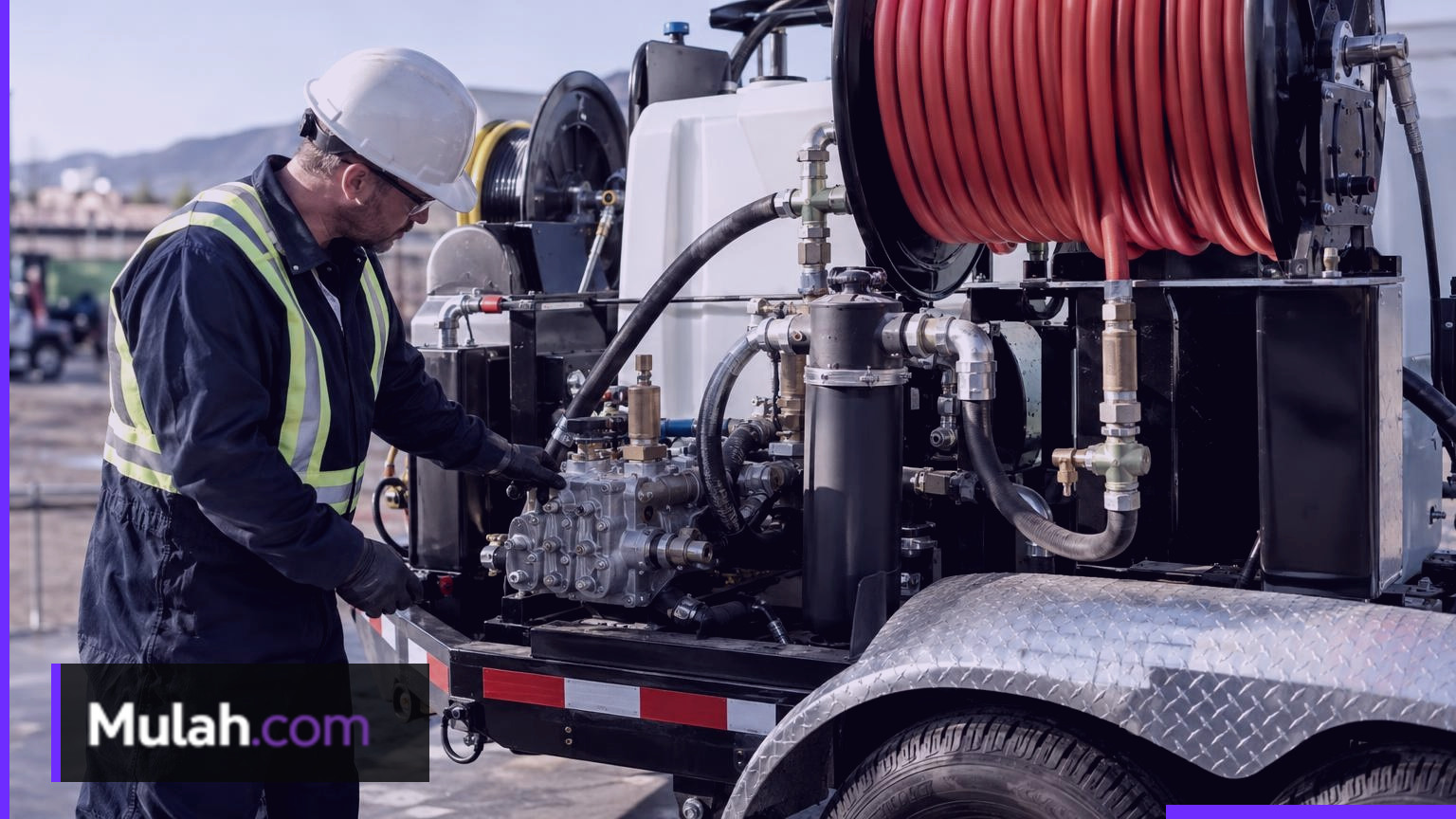
The vendor's quote may cover a working machine without covering everything you need to sell the service. Training, insurance changes, registration, nozzle inventory, storage, and a camera system can add meaningful costs before the first paid job.
Keep two budgets: the equipment package and the operating reserve. Some documented accessories or installation costs can fit an equipment transaction. Payroll and receivable gaps generally need cash reserves or a separate funding structure. That distinction prevents you from assuming one approval will cover the entire project.
Use working-capital funding to frame the non-equipment discussion, not to disguise an unaffordable machine. If the purchase requires constant additional borrowing just to make its payments, reconsider the equipment size, purchase timing, or expected workload.
The financing payment isn't the only deadline. Map the cash commitments that occur before, during, and after delivery.
Obtain an itemized quote with deposits, freight, taxes, dealer preparation, and installation. Establish who receives each payment and whether a deposit is refundable if financing or inspection doesn't work out.
Operators need instruction and practice before taking unfamiliar equipment into the field. Allow for insurance, vehicle registration, safety procedures, and any shop changes while revenue is still at zero.
Fuel, labor, water, mobilization, and disposal are cash expenses even when your customer pays later. A large job can create a cash squeeze despite looking profitable on paper.
Public-sector and commercial work may require reports, purchase-order matching, or signoff before invoices enter the payment queue. Base your reserve on actual collection experience, not just the invoice terms.
A hose replacement or pump repair shouldn't threaten payroll. Set aside cash as the equipment earns, and arrange backup capacity before a breakdown puts a recurring customer at risk.
Keep the asset purchase, short-term cash needs, and long-term ownership decision distinct. These four starting points serve different purposes.
Often the clearest route when you're buying an identified truck, trailer, skid, or equipment package. The asset is typically tied to the financing. See equipment financing and leasing for the broader ownership considerations.
A lease deserves attention when replacement cycles or equipment flexibility matter. Read the purchase option, return standards, usage restrictions, and early-exit provisions. A low payment can come with a substantial end-of-term decision.
A broader project may extend beyond a single equipment invoice. Term funding provides a defined amount with scheduled payments, but the payment schedule and cost must fit how your business earns and collects revenue.
Recurring parts purchases and temporary cash gaps may fit a business line of credit better than another long-term equipment obligation. Understand draw charges, repayment mechanics, and renewal conditions before relying on continued access.
Related Mulah resources include working capital funding, business lines of credit, equipment financing and leasing, term funding, SBA loans, revenue-based financing, startup funding, accounts receivable financing, and the business funding calculator.
The strongest offer still needs to pass your operating test. Use conservative assumptions rather than the machine's maximum advertised capacity.
Separate work you already perform from work you hope to win. Include sales effort and ramp-up time if you're entering a new service category. Unbooked capacity isn't committed revenue.
Run a month with fewer calls, a repair, and a late customer payment. If that combination makes payroll uncertain, a smaller purchase or larger cash contribution may be more workable.
A longer term reduces the periodic burden but can leave you paying for equipment that needs major work. Used chassis age, pump hours, and expected annual usage belong in this decision.
The amount that looks attractive on an offer is not always the amount that makes sense to take. Tie the request to a real expense, a realistic payoff period, and the cash the business can still live on if a customer pays late or a strong month comes in softer than expected.
Mulah helps you organize the request around the equipment and your business's cash needs. Keep the conversation specific: what you're buying, what it will earn, what you already owe, and how much reserve you want left after closing.
Use the business funding calculator for illustrative payment scenarios, then test those payments against a slower month. For a broader expansion, the SBA financing guide and revenue-based financing guide explain other structures. A calculator result isn't a quote; the written offer controls.
A clear request is easier to evaluate than a purchase price alone. Bring the equipment details and the business case together before submitting your information.
List the equipment, seller, condition, accessories, installation, delivery costs, and requested timing. Separate required items from upgrades you could postpone.
Provide requested financial records and explain the expected workload, collection cycle, staffing, and what you already owe. Include seasonal patterns rather than presenting only your strongest month.
Check total payments, fees, required cash, liens, guarantees, prepayment provisions, and end-of-term terms. You can check your funding options or submit the full application when your records are ready.
Provide the business and financial information needed for a funding review.
Start with a shorter path when you want to discuss the business need before completing the full application.
Review official SBA information about federal small-business loan programs and lender participation.
Official guidance on financial management, cash flow, bookkeeping, and business planning.
Use the official source for current program, regulatory, or business guidance related to this topic.
Use the official source for current program, regulatory, or business guidance related to this topic.
Requests can include trailer jetters, skid units, truck-mounted jetters, combination sewer cleaners, pumps, tanks, reels, cameras, and related accessories. Provide an itemized package so the asset and supporting costs can be assessed together.
Used equipment can be considered. Give the provider the age, hours or mileage, seller details, and maintenance information. For your own protection, arrange an inspection that covers both the jetting system and the chassis or trailer.
Long-term use often makes ownership worth considering. A lease deserves attention when replacement flexibility matters, but only if its end-of-term provisions support your plan. Calculate the full cost through purchase, return, or renewal rather than choosing solely on payment size.
Documented business-use accessories can sometimes be included in the equipment package. List cameras, locating tools, hose, reels, nozzles, installation, and delivery separately. Don't assume accessories added after closing will fit the original agreement.
There is no single requirement across all transactions. The asset, your business profile, and the proposed structure affect required cash. Obtain that figure early, then account for delivery expenses and the reserve you need after closing.
Use conservative billable days and subtract the full cost of doing the work. Include wages, travel, fuel, water, disposal, insurance, maintenance, and overhead. Test a slow month and leave a repair reserve rather than committing every dollar of projected margin.
Yes, you can discuss both needs, but they may require separate structures. Explain which expenses pay for the asset and which cover payroll, training, fuel, or collections. Obtain written confirmation of what each offer funds.
SBA financing can support eligible equipment and business purposes through participating lenders. It involves program rules and lender underwriting, not an automatic government approval. The SBA's official 7(a) program information explains the basic framework.
Without operating history, your request needs a particularly credible budget and service plan. Show industry experience, available cash, staffing, and realistic demand. Don't assume funding available to an existing contractor will be available on the same terms to a startup.
Don't assume so. Read the lien language and any personal guarantee. Some agreements reach beyond the purchased asset, and existing liens can affect a new transaction. Get unclear provisions explained before signing.
The contract determines the payoff calculation. Early payment doesn't always eliminate all remaining charges. Request a written explanation of prepayment terms, including how an early payoff changes the total amount you would pay.
A rebuild or refurbishment project can be worth discussing when the underlying machine remains useful. Obtain a detailed repair estimate and assess expected downtime, warranty coverage, and remaining life against the delivered cost of replacement.
Yes. Your bank may offer a suitable equipment or business loan, particularly when your records, collateral, and purchase timing fit its process. Judge any bank or nonbank offer on total cost, payment burden, required cash, and contractual obligations.
Bring the vendor quote, equipment details, recent financial records, current debt information, and a short explanation of the work the machine will perform. Also state how much operating cash you want to retain. That makes the discussion about a workable purchase, not just an available payment.
Start with the need, the amount, and the timing. Mulah can help you review possible business funding options before you decide whether to move forward.
Call 877-816-8524