Business History
Time in business and operating results provide context. If you're opening a salon, your experience, owner contribution, and opening plan become especially important.
A new tub, a reliable dryer, or a second grooming station can solve a real production problem. But the purchase price is only part of what you'll spend. Dog grooming equipment financing and leasing, along with small business loans, offer different ways to pay for the work. The right choice leaves you with equipment you can use and payments your business can carry.
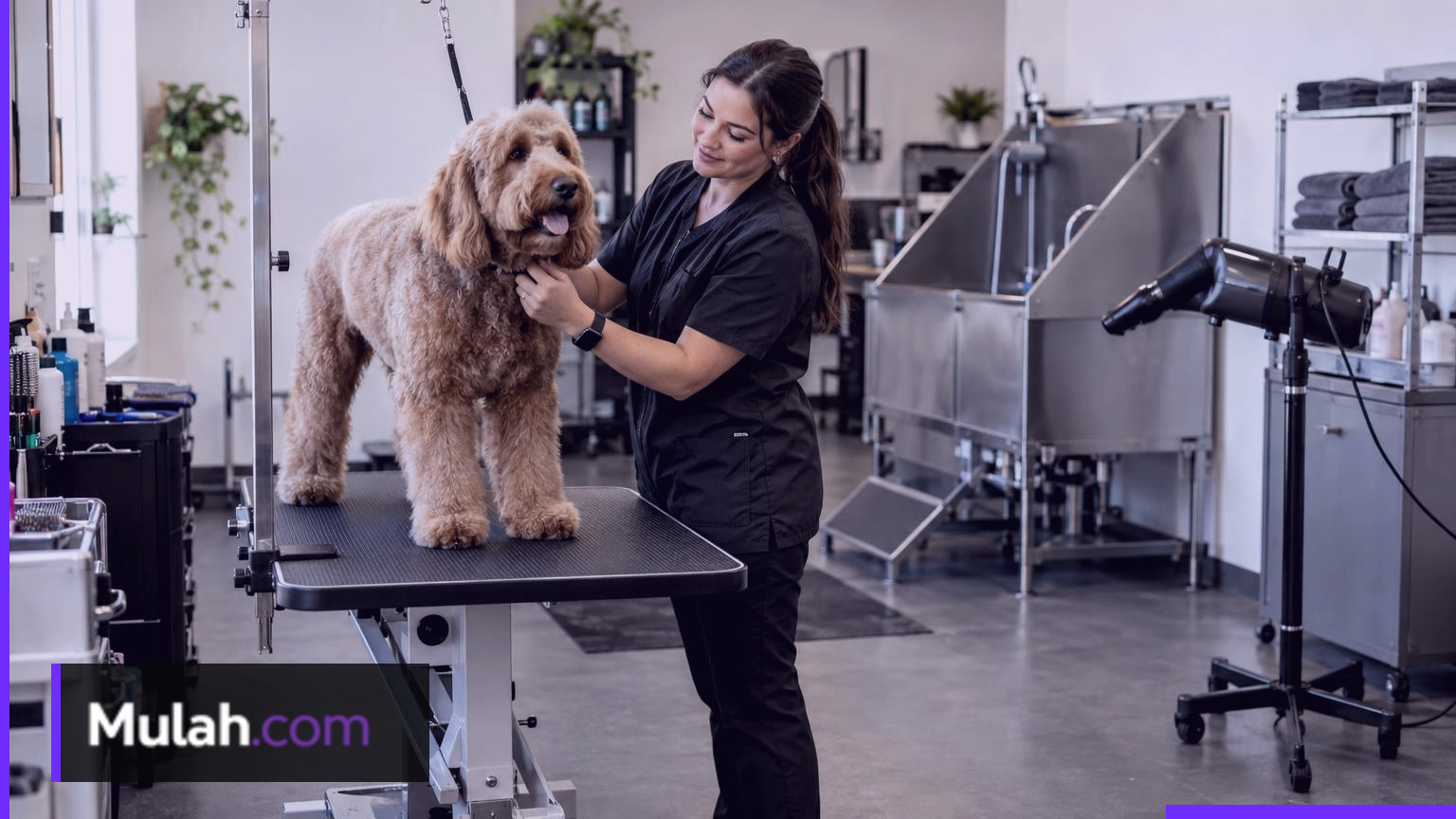
If dogs wait for a dryer while a grooming table sits empty, another table won't increase appointments. Walk through a busy day from check-in to pickup. Note where work stops, where staff repeatedly lift heavy dogs, and which breakdown would force you to cancel bookings.
Your answer should shape the purchase. A second tub might require another water heater. An additional groomer might need kennel space, electrical capacity, and a workable schedule before a new station earns anything. Treat connected purchases as one project.
Mulah approaches the funding question through that business case: what you're buying, why it matters, and how you'll pay for it. Equipment eligibility and financing terms vary by provider and applicant, and not every available funding structure is a conventional loan.
More appointments don't translate dollar for dollar into money available for financing. Added services bring groomer compensation, card fees, shampoo, laundry, utilities, and wear on tools. Estimate what remains after those costs, then account for any additional fixed expense.
Use your current completed appointments as the baseline. A faster dryer might shorten service time without creating another bookable slot. A new station needs a groomer and sufficient demand. Retail sales should contribute only the margin left after buying the products.
Run a normal case, a slower ramp, and a disruption case. Include cancellations, seasonal softness, hiring delays, or a vehicle repair. If the payment works only with a full calendar immediately, reduce the project, phase the purchase, or retain more cash.
When shopping for small business loans, distinguish the product from its marketing name. These structures address different needs, and the payment terms matter more than the label.
| Option | Often considered for | How to think about it |
|---|---|---|
| Term Funding or Term Loans | A defined renovation, equipment package, or expansion with an itemized budget. | A lump sum repaid over an agreed period. Check payment frequency, fees, collateral, guarantees, and the amount owed if you pay early. |
| Working Capital | Payroll, inventory, repairs, and the gap before added capacity produces steady receipts. | Funding for operating needs through various repayment structures. Judge the withdrawal schedule against cash available after ordinary bills. |
| Business Line of Credit | Recurring or uneven needs, such as seasonal supplies and occasional repairs. | Draw against an approved limit under the agreement's rules. Interest, draw fees, renewals, and repayment requirements affect the cost of repeated use. |
| Equipment Financing or Leasing | Identifiable assets such as tubs, tables, dryers, kennel systems, or mobile units. | Financing generally supports ownership; a lease generally leaves ownership with the lessor during the term. Installation coverage and end-of-term rights require close attention. |
| SBA Financing | Eligible projects where the business can meet program and lender requirements. | Participating lenders make SBA-backed loans. Documentation, eligible uses, guarantees, and underwriting apply; the SBA guarantee protects the lender, not you from repayment. |
| Revenue-Based Financing | Businesses considering funding tied to sales or receipts rather than a conventional amortizing loan. | Terms differ, including how collections relate to revenue. Read the purchase amount, collection method, reconciliation provisions, and total obligation rather than assuming payments fall automatically. |
Give your plumber and electrician the manufacturer's specifications before ordering. Tub dimensions, drain placement, water-heater recovery, dryer amperage, and outlet locations can change the scope. Check door clearances and the delivery route too.
Ventilation and dehumidification should suit the room, animal volume, and moisture load. Hair buildup creates cleaning and maintenance work; filters need accessible service points. Recirculating bathing equipment also brings sanitation routines, consumables, and staff training.
For handling safety, evaluate table stability, lifting height, and the dogs your team serves. Equipment doesn't replace supervision or manufacturer instructions, particularly during drying. Build cleaning, inspection, and temperature checks into written procedures, and budget time to perform them.
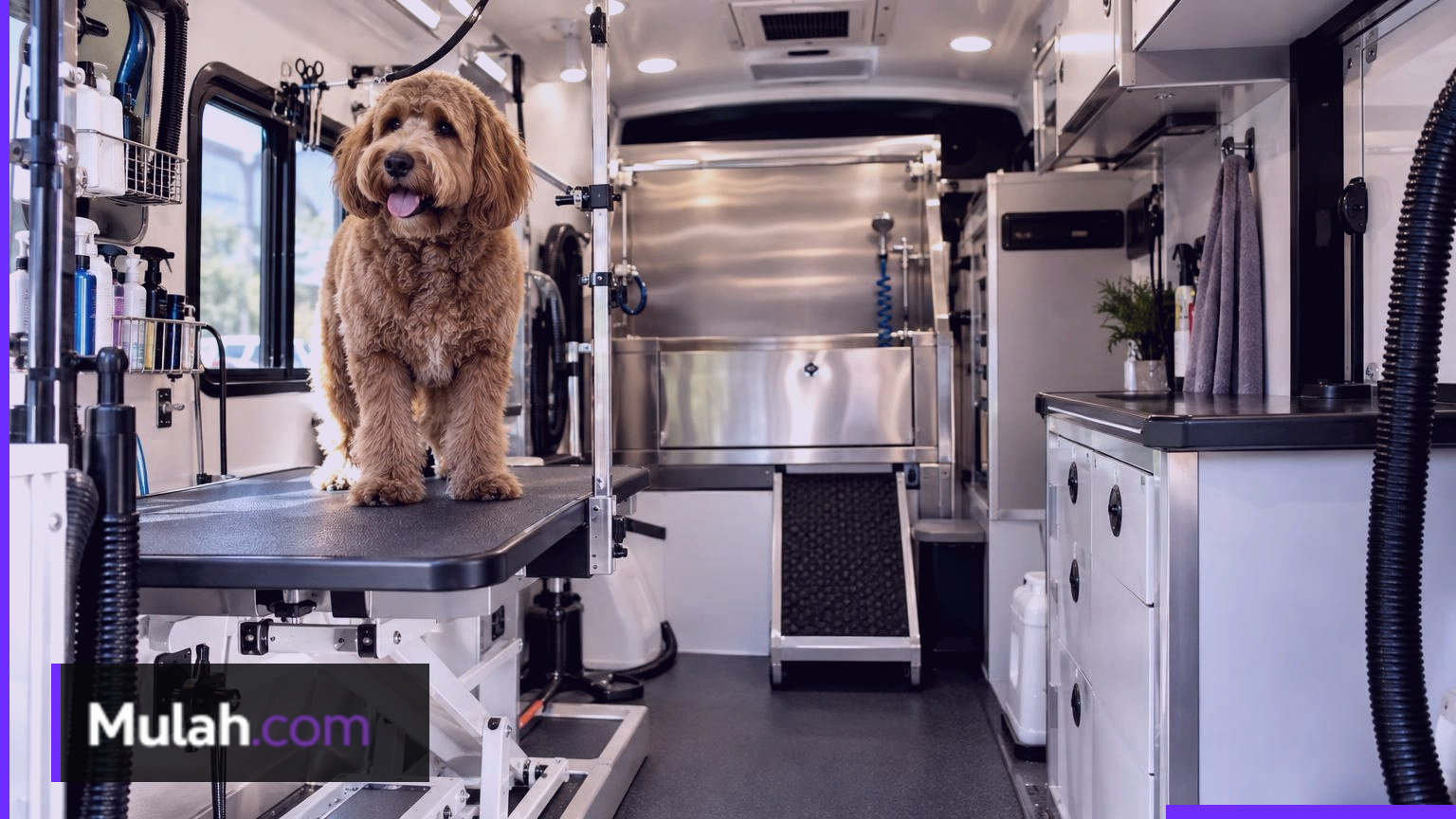
A mobile project can involve a purpose-built unit, a chassis plus conversion, or a used van. Include the power system, inverter, water tanks, heater, climate control, tub, table, dryer, storage, and graphics. Separate chassis warranties from conversion warranties.
Have the converter document payload with full tanks, equipment, supplies, and occupants. Check that the power system supports simultaneous loads. Plan where you'll fill and empty tanks, park overnight, and winterize the unit when necessary.
Route economics deserve the same attention as vehicle specifications. Travel time limits daily appointments, while fuel, insurance, maintenance, and parking reduce the apparent savings on rent. Set aside cash for downtime and decide how you'll handle booked clients when the van is unavailable.
Before choosing a model, find out who repairs it locally and how replacement parts are supplied. Read warranty exclusions for labor, shipping, and commercial use. If equipment must be shipped away for service, consider the cost of operating without it.
Used equipment deserves a closer inspection. Request maintenance records, serial numbers, and evidence of ownership. Test lift mechanisms, electrical controls, hoses, and water systems where practical. A low price doesn't offset a short remaining service life or unavailable parts.
Arrange delivery acceptance in advance. Someone should document freight damage, verify models and accessories, test operation, and receive training. Keep the quote, contract, inspection record, manuals, and warranty together. Get advice on unclear legal or tax terms before signing, not after a dispute.
Your equipment list explains the purchase. Your financial records show whether the business can support it. Expect questions in these areas rather than one universal approval threshold.
Time in business and operating results provide context. If you're opening a salon, your experience, owner contribution, and opening plan become especially important.
Bank activity should support your stated sales. Explain seasonality, large unusual deposits, and any recent move or staffing change affecting receipts.
Show what remains after payroll, occupancy costs, supplies, taxes, and owner compensation. Gross revenue alone doesn't establish what you can afford.
List existing payments, liens, and financing arrangements. Business and personal credit information may be requested, along with guarantees or other security.
Provide specific models, prices, condition, and seller details. Used assets and custom conversions can require additional documentation or inspection.
Show how much cash you can contribute without draining the business. Keep funds available for overruns and ordinary bills during installation.
Keep current versions together so figures match across your application, quotes, and budget. Requirements vary, but these records provide a useful starting point.
A complete project can contain several kinds of spending. Separate them before deciding how long to carry the cost.
Tables, tubs, dryers, clippers, shears, and tool storage support daily services. Distinguish durable assets from smaller tools you'll replace more frequently.
Plumbing, drainage, electrical work, flooring, and ventilation can outlast individual equipment. Consider the remaining property lease before taking on a long repayment commitment.
Kennels, gates, laundry equipment, and cleaning stations support safe turnover. Choose materials and layouts your staff can clean and maintain consistently.
Vehicles and conversions require a complete road-ready budget. Reserve cash for registration, insurance, maintenance, and the first weeks of route development.
Point-of-sale hardware and scheduling systems serve a different replacement cycle from tubs. Include subscription charges, payment-processing costs, setup, and training in your operating forecast.
Recruiting, payroll, initial inventory, and launch marketing support the opening period. Avoid spreading short-lived purchases over years merely to reduce today's payment.
These are planning examples, not customer results. Each changes what you should buy and how you should evaluate the funding.
Calculate the cost of canceled appointments and rental or backup arrangements. A replacement may protect existing revenue without adding appointments. Base affordability on current cash flow, not imagined growth.
Check bathing, holding, and drying capacity before buying a station. Include recruiting and the time needed to fill that groomer's calendar. Phase purchases if the hire isn't yet secured.
Customer-operated equipment changes supervision, cleaning, water use, and room layout. Price the utility work and ongoing staffing needs separately from the bays, then test demand without assuming every existing grooming client will use them.
Coordinate delivery, conversion testing, and disposal of the old van. A gap between vehicles can interrupt all revenue. Keep trade-in assumptions conservative and allow for overlapping insurance or payments.
Inspect the equipment rather than accepting a single package value. Separate the acquisition price from urgent replacements and working capital. Lease assignment, deferred maintenance, and staff retention can change the amount you'll need.
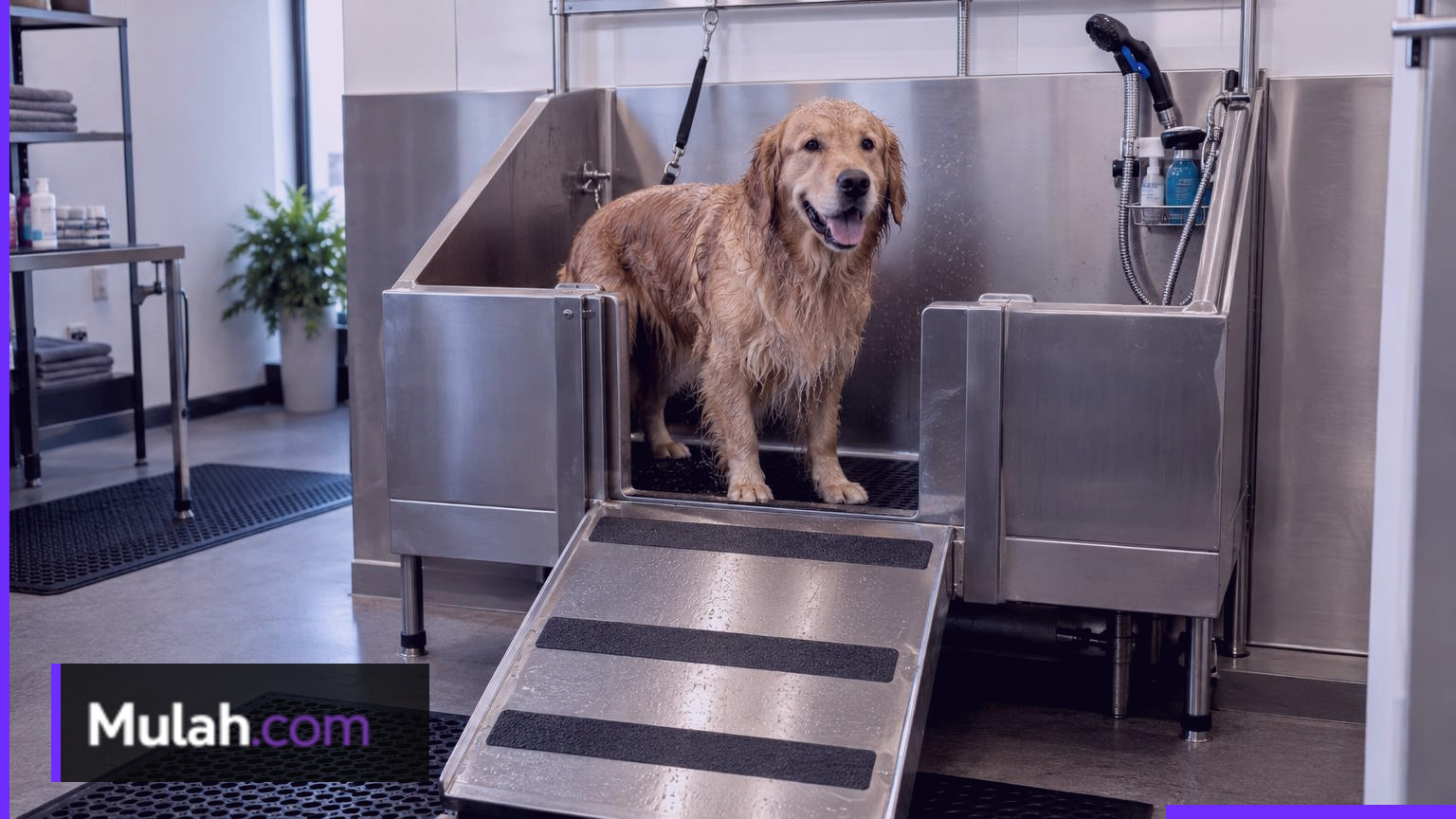
A vendor quote rarely captures the whole job. A commercial tub can bring plumbing changes, backflow protection, floor repairs, and drainage work. Dryers can require dedicated circuits. Get contractor estimates before assuming the equipment quote is your funding target.
Keep opening and operating expenses separate from long-lived assets. Shampoo, payroll, recruiting, launch advertising, and rent during construction don't have the same useful life as a tub or van. A single payment may be convenient, but it shouldn't obscure what you're borrowing for.
Also separate financing approval from permission to operate. Your landlord, local building department, insurer, or vehicle converter may have requirements that affect the design. Resolve expensive site or vehicle constraints before placing a nonrefundable order.
An equipment plan is strongest when each purchase has a clear role in the work your team already does.
Kennel banks, gates, and clear aisles affect how easily staff move dogs between appointments. Size the layout for your client mix and peak overlap, not simply the number of grooming tables.
Low-entry access and ramps can reduce awkward lifting. Hot-water recovery, water pressure, drainage, and splash-resistant finishes determine whether that tub will work through a full schedule.
Consider airflow control, heat settings, noise, filters, and service access. Have a qualified electrician assess simultaneous loads. An extra dryer is little use if running it trips a circuit.
Lift range, rated capacity, surface grip, stability, and accessible controls matter more than appearance. Parts availability matters too, especially if one failed pedal would take a station out of service.
Laundry equipment, sanitation stations, sealed storage, and hair control keep appointments moving. Include replacement filters, blade maintenance, and consumables in operating costs rather than treating them as incidental expenses.
Ownership, replacement plans, and the costs beyond the equipment itself should guide your choice.
Durable tubs, tables, and well-specified vehicles often warrant an ownership-focused approach. With [equipment financing](https://mulah.com/equipment-financing-and-leasing/), examine the down payment, total repayment, security interest, and early-payoff terms alongside the expected service life.
Leasing can change the initial cash requirement and replacement schedule. It doesn't automatically cost less. Know the purchase option, return condition, renewal deadline, and early termination cost before treating a lease as flexible.
A bathing-room rebuild may combine assets with labor, utility work, and finishes. [Term funding](https://mulah.com/term-loan/) is worth considering when a narrow equipment agreement won't cover the project. Keep the repayment period sensible for the work being funded.
You still need to pay staff and suppliers while improvements take shape. [Working capital funding](https://mulah.com/working-capital-loans/) addresses a different need from buying a durable asset. Avoid using short-duration funding for a long-lived purchase without understanding the cash pressure.
Related Mulah resources include working capital funding, business lines of credit, equipment financing and leasing, term funding, SBA loans, revenue-based financing, startup funding, accounts receivable financing, and the business funding calculator.
A manageable-looking payment can conceal a longer commitment or a costly ending.
Add required payments, fees, any down payment, and the amount needed to own the equipment. For a lease, show the cost of both returning and buying it. Those are different decisions.
Daily or weekly withdrawals affect a salon differently from a monthly bill. Map the actual schedule against payroll, rent, taxes, and slower appointment weeks. Payment frequency deserves its own line in your comparison.
Know who handles repairs, insurance, damaged delivery, and vendor disputes. Don't assume a breakdown suspends your payment obligation. Read the contract's default and remedy provisions before accepting delivery.
The amount that looks attractive on an offer is not always the amount that makes sense to take. Tie the request to a real expense, a realistic payoff period, and the cash the business can still live on if a customer pays late or a strong month comes in softer than expected.
Mulah gives you a place to bring the equipment purchase, installation budget, and cash needs into the same funding discussion. The useful question isn't simply how much is available. It's whether the structure supports the purchase without crowding out payroll, maintenance, or your operating reserve.
A bank may be a sensible first stop when you have a strong relationship and time for its process. You can also learn about a [business line of credit](https://mulah.com/business-line-of-credit/), [SBA financing](https://mulah.com/sba-loans-by-mulah/), or [startup funding](https://mulah.com/startup-business-loans/) as your circumstances warrant. Bring the actual terms back to your forecast before making a decision.
Turn your shopping list into a short, documented funding request. Clear numbers make it easier to evaluate an offer without losing sight of the business reason for the purchase.
Collect equipment quotes and contractor scopes, then add delivery, taxes, permits, training, and a reasonable contingency. Mark which costs must be paid before opening and which can wait.
Gather revenue records, bank statements, and details of what you already owe. Explain the staffing and appointment assumptions behind any added revenue. Use the [business funding calculator](https://mulah.com/business-funding-calculator/) for estimates, not an approval or offer.
Use the [funding-options form](https://mulah.com/get-fast-business-funding-from-mulah/) to share preliminary information, or complete the [full application](https://mulah.com/application/) when your project details are ready. Read the complete agreement before committing.
Provide the business and financial information needed for a funding review.
Start with a shorter path when you want to discuss the business need before completing the full application.
Review official SBA information about federal small-business loan programs and lender participation.
Official guidance on financial management, cash flow, bookkeeping, and business planning.
Use the official source for current program, regulatory, or business guidance related to this topic.
Use the official source for current program, regulatory, or business guidance related to this topic.
Common candidates include commercial tubs, adjustable tables, dryers, kennel systems, laundry equipment, water heaters, and mobile grooming units. Give the funding provider an itemized quote. Software subscriptions, consumables, and installation labor might require a broader funding arrangement.
Some structures accommodate installation and related work; others focus narrowly on the asset. Get written clarification about freight, taxes, contractor labor, permits, and utility upgrades. Don't assume costs are covered because they appear on the same project budget.
Neither wins automatically. Financing generally suits equipment you intend to own and keep. A lease deserves consideration when its cash requirements and replacement options fit your plan. Calculate total payments and the cost of ownership at the end.
Yes, but startup funding is a different underwriting situation from funding an operating salon. Prepare a realistic opening budget, relevant experience, vendor quotes, owner contribution, and cash reserves. Avoid relying on a full appointment calendar from opening week.
Used assets can be considered, subject to the transaction's requirements. Age, condition, seller, remaining life, and service support matter. Obtain serial numbers and maintenance records, and arrange an inspection when the purchase is significant.
A transaction might cover a finished unit or a chassis and conversion. Clarify how deposits, progress payments, and final delivery will work. Include specifications for power, water, climate control, payload, and warranties, not just the vehicle price.
Use an installed project budget, subtract cash you can contribute safely, and protect a reasonable reserve. Borrowing the maximum available isn't a plan. If conservative cash flow can't support the payment, reduce or stage the project.
There isn't one score that applies across all funding products and providers. Credit is considered alongside business history, revenue, current debt, and the transaction. Request the relevant requirements before assuming a score alone settles eligibility.
Either may be required. Equipment liens, other collateral, insurance obligations, and personal guarantees should be explicit in the agreement. Understand what property and personal assets could be exposed if the business cannot pay.
Eligible businesses can consider SBA-backed lending for qualifying equipment and other business uses. Participating lenders conduct underwriting, and program rules apply. Allow for documentation and avoid assuming an SBA guarantee means approval is automatic.
A line can suit a modest purchase you expect to repay quickly, but tying it up for years can leave less available for operating surprises. Look at draw terms, renewal risk, and repayment requirements before using revolving credit for durable assets.
Your agreement controls. It may provide a purchase option, require a return, or contain renewal terms and notice deadlines. Record those dates when signing. Returning equipment can also involve shipping costs and condition requirements.
Tax treatment follows the transaction and your business circumstances, not the marketing label. Have your accountant examine ownership, depreciation, lease classification, and applicable deduction rules. A potential tax benefit doesn't make an unaffordable payment affordable.
Read the payoff provision before accepting. Paying early doesn't always reduce the amount owed in the way you expect, particularly with certain funding or lease structures. Request a written explanation of how an early payoff would be calculated.
Start with the need, the amount, and the timing. Mulah can help you review possible business funding options before you decide whether to move forward.
Call 877-816-8524