Business History
Show what your company does, how long it has operated, and your experience with this type of work. A new business has less operating history to support its forecast.
A CAT excavator, loader, or dozer can add earning capacity, but the payment is only part of what you’ll spend. Before committing, put fuel, operators, hauling, maintenance, and slow customer payments into the same budget. This guide explains CAT equipment financing and leasing alongside small business loans, so you can judge the full cost without tying up the cash needed to keep jobs moving.
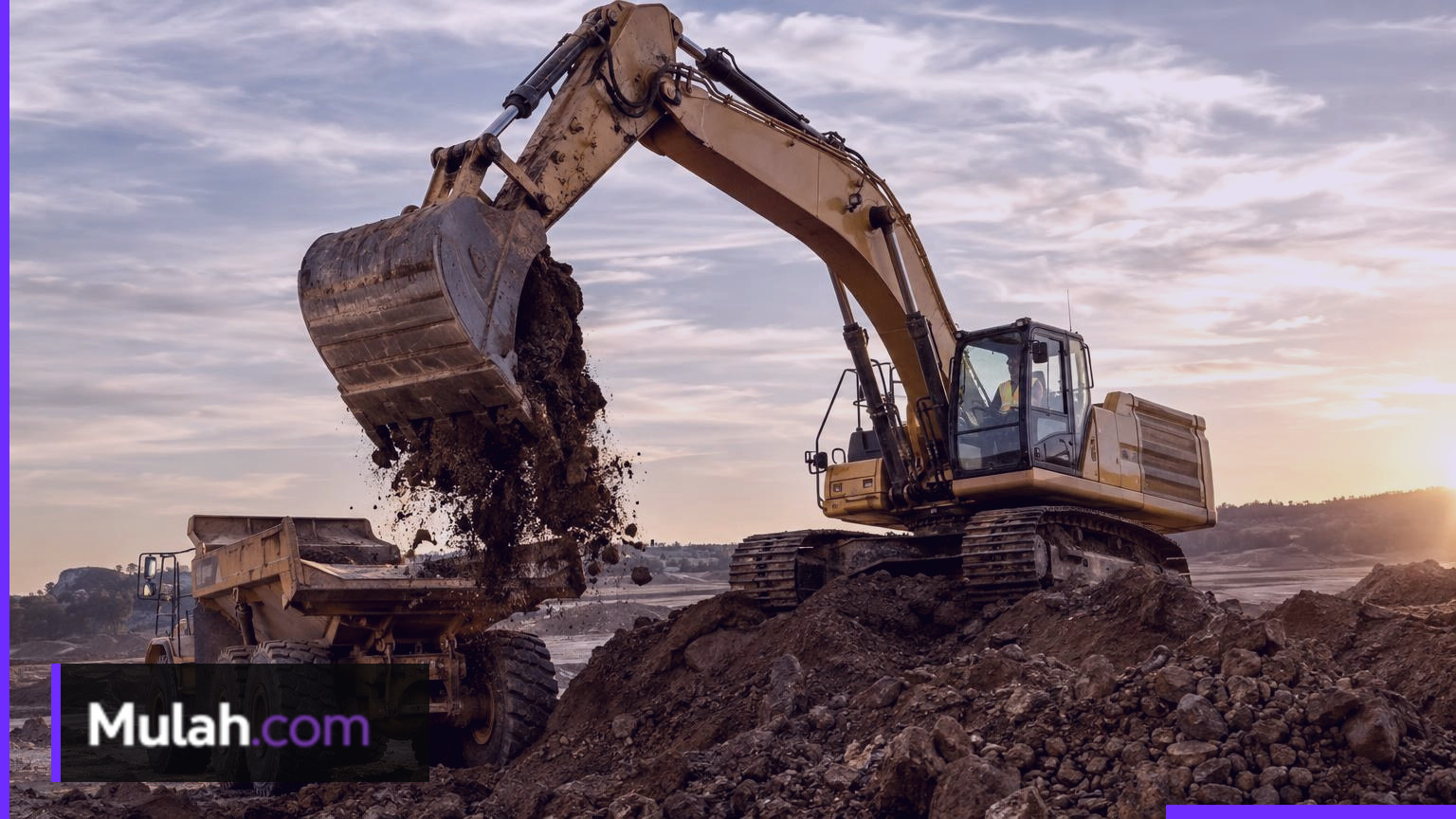
The strongest equipment purchase solves a specific operating problem. Perhaps an unreliable loader keeps sending you to the rental yard. Perhaps a signed utility contract requires a larger excavator than your current fleet can supply. Name that problem before choosing the payment structure. Extra capacity is valuable only when you have profitable work for it.
Financing spreads an acquisition cost over scheduled payments. A lease gives you use of equipment under a contract with its own ownership and end-of-term rules. Neither makes an oversized machine economical. Your estimate should connect expected production to the costs of running, moving, and maintaining that particular unit.
Mulah helps you organize the equipment request and consider business-funding options in the context of your cash flow. CAT and Caterpillar are trademarks associated with Caterpillar Inc. Mulah is not Caterpillar, a CAT dealer, or the manufacturer’s captive finance company.
Buying often becomes more attractive when a core machine stays busy across several jobs and you expect to keep it productive after the financing ends. Ownership gives you control over availability and configuration. It also leaves you responsible for repairs, storage, insurance, and eventual disposal when the schedule thins out.
Renting can be the better choice for a short project, an unfamiliar service line, or a temporary production surge. Include rental delivery, pickup, damage charges, and attachment costs in the calculation. Then weigh those expenses against the risk of owning equipment after the immediate work ends.
Waiting is a legitimate capital decision. If your current machine remains dependable and new work is uncertain, preserving cash may be worth more than adding capacity. On the other hand, repeated breakdowns can make delay expensive. Include idle crews and substitute rentals in the replacement calculation, not just the repair invoice.
Small business loans are one route, but not every funding structure is a conventional loan. Use the purpose and repayment pattern to narrow your choices before focusing on the advertised payment.
| Option | Often considered for | How to think about it |
|---|---|---|
| Term Funding Or Term Loans | A defined expenditure with a repayment period that fits the expected benefit. | Funds are repaid over an agreed schedule. Check total cost, security, guarantees, and prepayment terms. See [term funding](https://mulah.com/term-loan/). |
| Working Capital | Project startup costs, payroll, fuel, and collection gaps surrounding the purchase. | A funding purpose rather than one standard contract. Payment frequency and duration need to fit the cash coming back into your business. |
| Business Line Of Credit | Recurring, temporary needs such as parts, mobilization, and seasonal operating expenses. | Draw and repay within the facility’s rules and available limit. Understand renewal and draw conditions. Read about a [business line of credit](https://mulah.com/business-line-of-credit/). |
| Equipment Financing Or Leasing | An identifiable machine or equipment package with a clear business use. | Financing supports a purchase; leasing provides contractual use with specified end-of-term rights. See [equipment financing and leasing](https://mulah.com/equipment-financing-and-leasing/). |
| SBA Financing | Eligible businesses seeking financing for qualifying equipment or broader business needs. | Participating lenders make loans under SBA program rules. Documentation, use of proceeds, and eligibility matter. Read the [SBA financing guide](https://mulah.com/sba-loans-by-mulah/). |
| Revenue-Based Financing | Businesses evaluating funding against established revenue, where the payment burden fits cash flow. | Contracts can differ substantially from loans. Check remittance calculations, reconciliation rights where applicable, and total cost in the [revenue-based financing guide](https://mulah.com/revenue-based-financing/). |
For a financed purchase, understand the amount financed, your cash contribution, payment schedule, security interest, and any personal guarantee. Find out how an early payoff is calculated. A lower scheduled payment can come with a longer obligation or a final balloon payment.
For a lease, read the end-of-term language before considering the monthly cost. Purchase options, return requirements, renewal terms, hour limits, and condition standards can materially change the economics. A lease with a meaningful purchase price at the end is not equivalent to one with a nominal buyout.
Neither label settles tax or accounting treatment. Take the actual documents to your accountant and, where appropriate, an attorney. Pay particular attention to maintenance responsibilities, casualty loss, insurance, default provisions, and what happens if you want to sell or replace the equipment early.
Match the machine’s serial number to the quote and ownership documents. Establish who is selling it, who owns it, and how any existing lien will be released. An auction listing or private seller’s assurance is not a substitute for the closing requirements your provider sets.
Have a qualified inspector assess the machine for its intended use. Hours matter, but so do service history, hydraulic performance, undercarriage wear, tire condition, structural repairs, and emissions-system issues. Fluid analysis and diagnostic information can add useful context where appropriate.
Price immediate work before finalizing the purchase. Tracks, hoses, cutting edges, filters, safety repairs, and transport can consume the apparent savings quickly. Keep an operating reserve even after an inspection; no inspection guarantees that an older machine will avoid a major failure.
Estimate productive time after weather, moves, service, and gaps between projects. Use your own records where possible. A machine available for a full shift may bill far fewer hours once loading, setup, travel, and site delays are counted.
Subtract operator compensation, fuel, wear parts, routine maintenance, insurance, transport, and relevant subscriptions from expected earnings. Include a repair reserve. The amount left shows how much room the equipment creates for its payment and your business overhead.
Use the [business funding calculator](https://mulah.com/business-funding-calculator/) to test hypothetical payment assumptions, then put those results into the operating forecast. A calculator is not an offer and will not capture every fee or contract condition. Stress-test the forecast rather than treating its best month as normal.
A clear request explains both the asset and your ability to carry it. There is no single credit score, machine age, or revenue threshold that applies to every provider.
Show what your company does, how long it has operated, and your experience with this type of work. A new business has less operating history to support its forecast.
Be ready to explain seasonal swings, large deposits, overdue receivables, and customer concentration. Sales alone do not show when cash becomes available.
Provide an accurate picture of what you already owe, including equipment payments and other business funding. Credit history and guarantees can also enter the decision.
The provider needs enough detail to assess the machine’s condition, useful life, and marketability. Unusual configurations or high hours can change the available structure.
Know what you can contribute without draining operating reserves. A larger down payment is not automatically better if it leaves the first project underfunded.
Dealer, auction, private-sale, and fleet purchases involve different verification issues. Share the seller and transaction details early, particularly when there is a payoff or delivery deadline.
Requirements vary, but these materials give a provider a useful starting point. Accurate, consistent records reduce avoidable back-and-forth.
List every use of money separately. Not every item will qualify under the same agreement, and some costs are better paid from operating cash.
Tie the purchase to contracted work, dependable recurring demand, or a documented replacement need. Include the cost of selling or paying off the old machine.
Price compatible buckets, hammers, grapples, couplers, and grade-control equipment. Separate essential tools from additions that can wait until the new capacity produces revenue.
Account for hauling, inspection, setup, taxes, safety equipment, and registration where applicable. Arrange insurance before the contract requires coverage.
Budget operator payroll, fuel, lodging, insurance deposits, permits, and subcontractor deposits through the expected collection date, with room for a delay.
A lower payment can come with a longer debt period or higher total cost. Put the current payoff, new fees, lien position, and remaining useful life side by side.
Prepare an asset schedule with serial numbers, condition, and an allocation of the purchase price. Clarify whether you are purchasing equipment alone or acquiring a business as well.
These are planning situations, not customer results. Use the one closest to your purchase to challenge the assumptions behind it.
Add repair bills to substitute rentals, idle labor, and missed production. Then measure the replacement’s payment and operating costs against that total, allowing for the old machine’s payoff and sale proceeds.
Model the signed job first, then a realistic period after completion. If the machine needs immediate follow-on work to remain affordable, renting or subcontracting deserves serious consideration.
Check carrier compatibility, guarding, cooling, transport, insurance, and operator experience. Budget a gradual ramp-up rather than assuming a new service will immediately earn the rates of an established crew.
Understand inspection access, buyer fees, payment deadlines, and removal costs before bidding. Do not assume a funding request will close in time to satisfy an auction’s payment rules.
Keep the equipment decision separate from the receivables problem. For eligible business invoices, [accounts-receivable financing](https://mulah.com/accounts-receivable-financing/) is another structure to understand, including customer eligibility, fees, and collection arrangements.
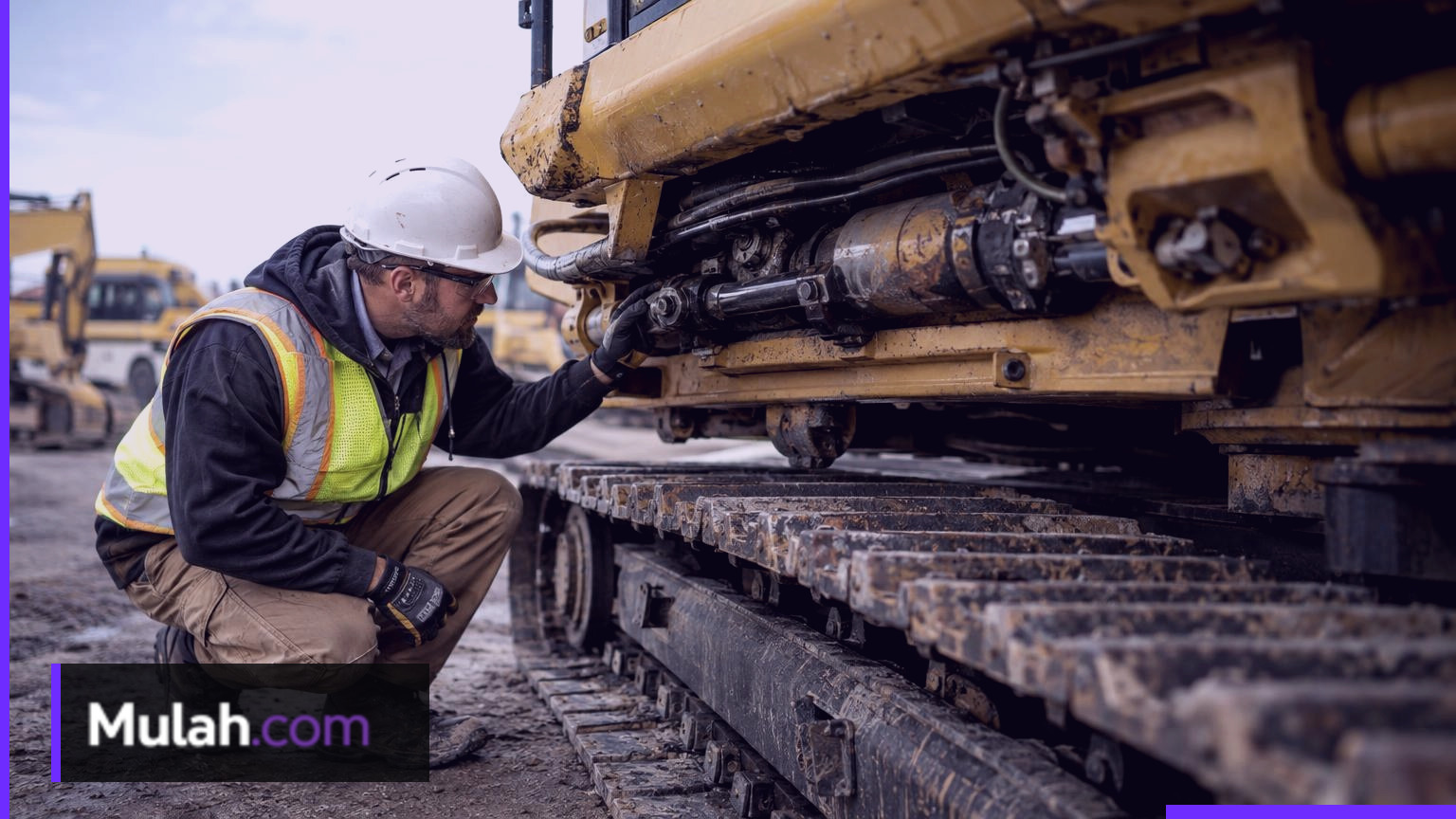
An equipment invoice and a project startup budget are different needs. Your excavator might be financed at closing, while operator wages, trucking, fuel, and insurance still come out of your checking account. Those costs arrive even if your first progress payment is weeks away.
Build two budgets: one to acquire and prepare the machine, another to carry the work until customers pay you. List delivery, taxes, attachments, inspections, and initial repairs separately. That makes it easier to see which costs belong in an equipment agreement and which need cash or another funding source.
Avoid solving a temporary cash gap with debt that outlasts the benefit. Equally, a short repayment schedule can put unnecessary pressure on a machine that will earn over several years. The [working capital guide](https://mulah.com/working-capital-loans/) explains the operating side of that distinction.
A useful equipment plan covers more than closing day. Each stage creates a different demand on your cash.
A bare-machine quote can understate what you need. Include the bucket, coupler, hydraulic package, grade control, or other configuration required for the actual job.
Add any down payment, deposit, fees, taxes, and transport. Know what remains in your account after those amounts clear, not just whether you can make them.
Operators, hauling, permits, and fuel often need to be paid before the first invoice goes out. Retainage and disputed change orders can stretch that gap further.
Record productive hours alongside labor, wear parts, maintenance, transport, and downtime. High engine hours do not necessarily mean high billable output.
Read payoff, prepayment, buyout, and return provisions before signing. Your intended holding period should make sense alongside the contract and the machine’s likely resale condition.
The asset’s job matters as much as its price. Different machines bring different service demands, transport costs, and resale markets.
Excavators, dozers, graders, backhoes, wheel loaders, and articulated trucks support excavation, roadwork, utilities, and aggregate production. Match production capacity to the rest of the fleet. A larger excavator offers little benefit if trucking becomes the bottleneck.
Skid steers, compact track loaders, mini excavators, and compact wheel loaders can work across smaller sites. Check lift capacity, hydraulic flow, attachment compatibility, and transport weight before pricing a package with a mulcher, hammer, grapple, or specialized bucket.
Pavers, compactors, cold planers, telehandlers, and material handlers have distinct production roles. The funding file should describe the actual configuration and business use, especially when a specialized machine has a narrower resale market.
Commercial generators, engines, and power modules require more than an equipment price. Account for load requirements, installation, fuel arrangements, transport, and service access. A standby unit and a generator earning daily rental revenue call for different cash-flow assumptions.
Related Mulah resources include working capital funding, business lines of credit, equipment financing and leasing, term funding, SBA loans, revenue-based financing, startup funding, accounts receivable financing, and the business funding calculator.
A reasonable payment is not enough. The purchase also needs to hold up when the work changes.
Use actual rental invoices, repair bills, subcontracting costs, or lost production where possible. Deduct the ownership costs you’ll take on. Replacing a rental bill with a payment does not eliminate maintenance or transport.
Separate signed work from bids and verbal expectations. Look at margins, cancellation exposure, customer concentration, and collection history. A large backlog from one slow-paying customer can still leave you short of cash.
Reduce productive hours, delay a customer payment, and add an unplanned repair to the forecast. If that leaves no room for debt payments, consider a smaller purchase, a rental bridge, or a later acquisition.
The amount that looks attractive on an offer is not always the amount that makes sense to take. Tie the request to a real expense, a realistic payoff period, and the cash the business can still live on if a customer pays late or a strong month comes in softer than expected.
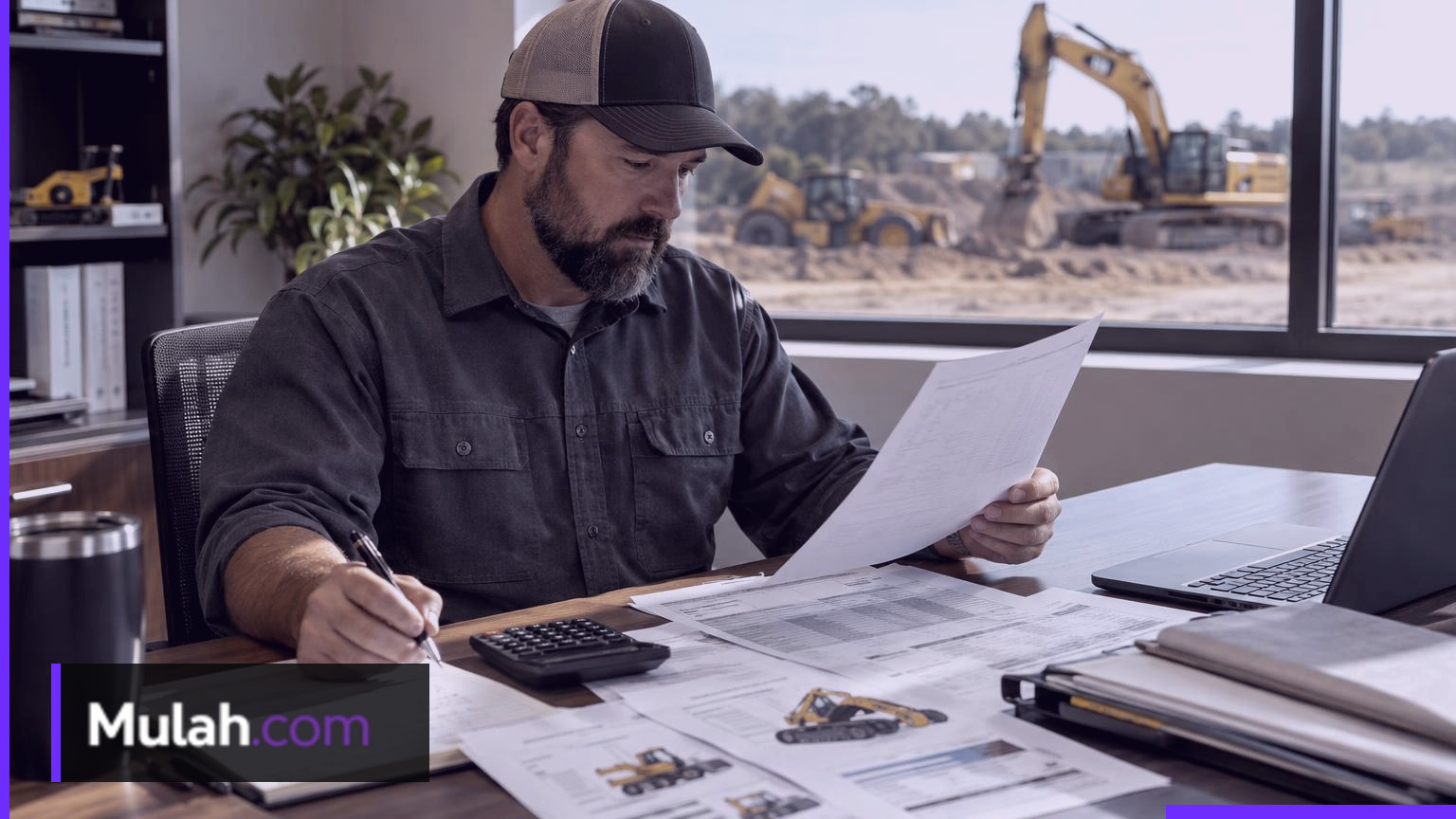
Mulah brings the business purpose, asset details, and operating budget into the same funding conversation. A replacement loader with steady utilization is a different request from a specialized machine for a new service. Making that distinction early keeps the discussion useful.
You should leave the process understanding what the money covers, what cash you must supply, and how the obligation fits your business. Keep your bank in the conversation if it is a good fit, too. Choose based on the whole agreement, not speed or the lowest payment alone.
Bring a specific machine and a realistic cash plan to the conversation. You do not need a perfect forecast, but you should know which assumptions carry the most risk.
Share your business details, requested amount, seller, quote, intended use, and available cash contribution through the [funding-options form](https://mulah.com/get-fast-business-funding-from-mulah/). Flag auction deadlines or unusual seller arrangements immediately.
For any available offer, examine payment frequency, total cost, term, liens, guarantees, fees, and exit provisions. Put all proposed payments alongside your existing debt and conservative monthly cash flow.
Provide requested records and follow the approved purchase process. The [full application](https://mulah.com/application/) supports a more complete request. Do not schedule delivery on the assumption that funding is certain.
Provide the business and financial information needed for a funding review.
Start with a shorter path when you want to discuss the business need before completing the full application.
Review official SBA information about federal small-business loan programs and lender participation.
Official guidance on financial management, cash flow, bookkeeping, and business planning.
Use the official source for current program, regulatory, or business guidance related to this topic.
Use the official source for current program, regulatory, or business guidance related to this topic.
Both are possible categories for business equipment funding. For a used machine, expect closer attention to hours, condition, value, seller documentation, and remaining useful life. Bring the exact quote rather than a general price range.
No. A lease provides use under a contract; purchase financing supports ownership subject to the financing terms. Buyout rights, return conditions, and tax treatment require attention before you sign.
Some agreements cover eligible attachments with the machine, while others treat them separately. Itemize each attachment and verify compatibility. Delivery, setup, and taxes should also appear separately in your budget.
Verify identity, ownership, lien status, service history, and condition. A qualified inspection should address the expensive systems and wear points relevant to that model. Reserve cash for immediate service and unexpected repairs.
Some providers accommodate those purchases, but seller verification, ownership evidence, inspection access, and payment timing can be obstacles. Get the transaction requirements before bidding or making a nonrefundable commitment.
Your cash contribution is part of the individual offer, not a universal rule. Evaluate it alongside upfront fees and the money you need after delivery. An affordable closing should not leave your operating account empty.
A new business has less financial history to support the request. Owner experience, credit, cash contribution, and the asset may receive greater attention. Avoid committing to a purchase before eligibility and closing requirements are clear.
SBA programs can support qualifying equipment purchases through participating lenders. Program rules and lender underwriting apply. The official SBA loan-program reference below explains the federal framework; it is not an application or approval from Mulah.
Consider the draw terms, renewal risk, and how long repayment will take. Using most of a revolving line for a long-lived asset can leave too little available for payroll and fuel. Dedicated equipment financing may better match the purchase.
Use realistic utilization across your backlog, not one busy month. Include rental transport and fees on one side, then ownership, service, insurance, storage, and resale risk on the other. Renting preserves flexibility when future use is uncertain.
The contract controls. Request the payoff method and any prepayment charges before signing. For leases, early termination and purchase rights can work differently from paying down a loan balance.
A repair usually does not suspend your payment obligation. Check warranty coverage, insurance exclusions, and contract responsibilities, and maintain a repair reserve. Include rental backup and lost production in your downtime plan.
Do not assume those costs are included. Budget training, inspections, and required safety measures separately unless the agreement expressly covers them. OSHA’s construction standards provide an official starting point for applicable workplace requirements.
Send the equipment quote, seller details, intended use, requested amount, and a brief picture of your revenue and current payments. Note any delivery deadline and the cash you want to preserve for operating expenses.
Start with the need, the amount, and the timing. Mulah can help you review possible business funding options before you decide whether to move forward.
Call 877-816-8524